




Abstract blurred pattern of data points and network nodes in deep red and dark gray tones, conveying public health monitoring

Infectious Disease Early Warning

An early detection system for infectious diseases, integrating data from outpatient clinics, hospitals, ambulance transport, pharmacies, schools, nursery schools, and elderly care facilities across Japan.

Explore the System
Abstract circular icon representing public health, white cross on deep red background
Multi-Channel Data

Eight surveillance channels including outpatient, inpatient, ambulance, OTC pharmacy, nursery school, school absenteeism, elderly facilities, and laboratory testing.

A minimalist public health emblem in deep crimson and white, suggesting vigilance and early detection
Early Detection

Syndromic surveillance identifies unusual patterns before laboratory confirmation, enabling faster public health responses to emerging outbreaks.

A clean, minimalist emblem in white on a deep red background, suggesting a stylized radar pulse or concentric signal waves
Event Monitoring

Enhanced surveillance was conducted at major mass gatherings including the Hokkaido Toyako Summit 2008, APEC Yokohama 2010, and COP10 Nagoya 2010.

How Syndromic Surveillance Works

Syndromic surveillance monitors health-related data in near real-time to detect signals of infectious disease outbreaks before conventional diagnosis-based systems. By tracking symptoms and proxy indicators — such as school absenteeism, pharmacy dispensing, and ambulance transports — public health authorities can identify anomalies and respond earlier.

Soft-focus overhead view of a map with muted blue and gray tones, overlaid with subtle red and amber heatmap patches

Surveillance Channels

Syndromic surveillance in Japan draws on a broad range of data sources, each contributing a distinct signal for outbreak detection. These channels collectively provide a comprehensive picture of community health status, from clinical settings to everyday community indicators.

  • Outpatient (外来) — clinic visit symptom data
  • Inpatient (入院) — hospital admission surveillance
  • Ambulance Transport (救急車搬送) — emergency call patterns
  • OTC Pharmacy (OTC) — over-the-counter medication sales
  • Nursery School (保育園) — preschool absenteeism tracking
  • School Absenteeism (学校欠席) — nationwide school-based system
  • Elderly Facilities (高齢者施設) — care-home health monitoring
  • Laboratory Testing (検査) — test-ordering pattern analysis
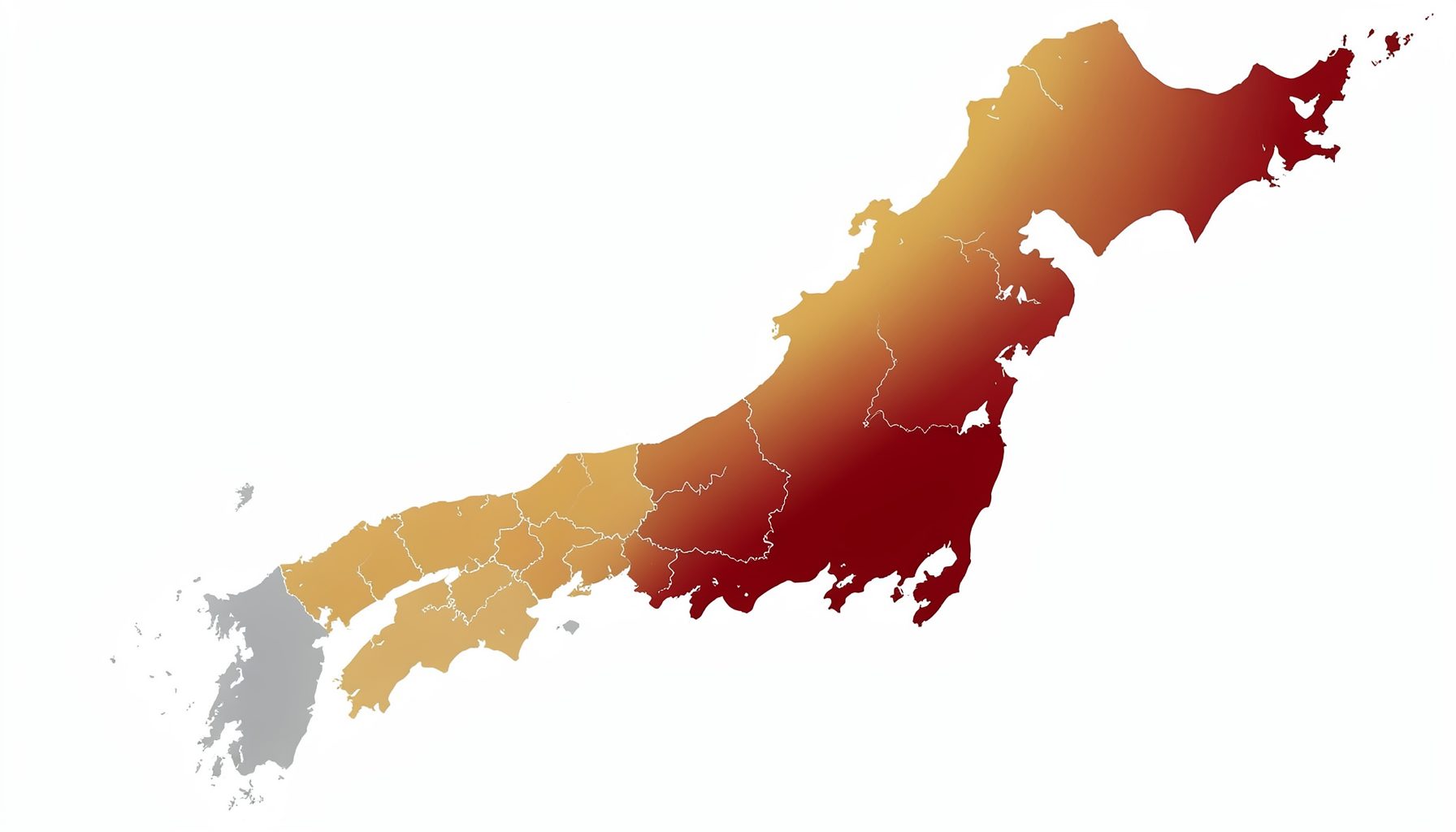
Abstract map of Japan divided into prefectural regions, shaded in a gradient from pale gray through amber to deep red, indicating surveillance coverage intensity
School Absenteeism System

As of January 2016, approximately 23,618 schools across 25 prefectures, 6 designated cities, and 2 special wards — covering about 53% of elementary, junior high, and high schools nationwide.

Close-up of data charts and graphs on a desk, warm amber and deep navy tones
Pharmacy Surveillance

Daily influenza estimates derived from anti-influenza drug dispensing data across 10,064 participating pharmacies, with prefecture-level and designated-city breakdowns from the 2009/2010 through 2014/2015 seasons.

Blog

  1. Breathing calls, pollution alerts and earlier asthma warningsSyndromic surveillance identifies unusual patterns in health symptoms before laboratory confirmation provides a final answer. Monitoring ambulance calls for…
  2. Antihistamine sales as an early warning signalAntihistamine sales can provide a timely, community-level signal of allergy symptoms, particularly in Australia where pollen burden changes sharply from one…
  3. School nurse signals for early influenza detectionInfluenza can spread through a community before a cluster is recognised in general practices, emergency departments or laboratories. Schools provide a…
  4. Detecting foodborne illness clusters through emergency department dataFood poisoning often becomes visible only after people start seeking care. A shared dinner at a Sydney takeaway, a weekend barbecue in Melbourne or a platter…
  5. Cough syrup sales as an early warning for pertussis outbreaksPertussis can spread through a community before the cause of a persistent cough is recognised. The disease often begins with cold-like symptoms, followed by…
  6. Emergency department signals for measles importationAustralia has interrupted sustained endemic measles transmission, so a case arriving from overseas can have disproportionate consequences. Using emergency…
  7. Ambulance signals for festival heat emergenciesSummer festivals in Australia bring large crowds into sustained outdoor heat. Events around Melbourne’s Southbank, Sydney’s waterfront and Woodford Folk…
  8. Detecting COVID-19 resurgence through outpatient respiratory visitsDetecting COVID-19 resurgence using outpatient clinic visits for acute respiratory infection is most useful when clinics treat consultations as an…
  9. Pharmacy Sales as an Early Signal of Diarrhoeal DiseaseWhen people develop diarrhoea or vomiting, many seek immediate relief from a pharmacy rather than booking a general practitioner appointment. Oral rehydration…
  10. Using school absenteeism to spot norovirus outbreaks earlyNorovirus can move through an elementary school quickly. One child arrives feeling well, several classmates become sick after lunch, and by the next morning a…

Technical Support

For inquiries about the syndromic surveillance systems, including the school absenteeism information collection system and pharmacy surveillance:

Contact: Yasushi Ohkusa, Senior Researcher

Institution: Infectious Disease Epidemiology Center, National Institute of Infectious Diseases

FAX: 03-5285-1129

Email: ohkusa@nih.go.jp

All inquiries accepted by FAX or email only. For school absenteeism system login issues, please contact your municipal board of education or childcare division.