





School nurse signals for early influenza detection
Influenza can spread through a community before a cluster is recognised in general practices, emergency departments or laboratories. Schools provide a different vantage point: many children attend with ordinary respiratory infections, and school nurses see fever and associated symptoms before the responsible pathogen is known. The purpose is not to diagnose every case, but to identify an unusual rise in illness, investigate it and shorten the interval between first occurrence and a coordinated public-health response.
Syndromic surveillance for influenza using school nurse reports of febrile illness can provide that early warning, especially when nurse observations are combined with attendance records and other health data. Australia presents a mixed environment of state and territory responsibilities, varying school-nurse coverage and sharply seasonal influenza activity. A workable program must therefore use consistent clinical definitions, local baselines and secure reporting pathways that continue to function during school terms, public holidays and outbreaks elsewhere.
Why schools offer an early view
School nurses occupy a trusted position between families, education settings and public-health teams. They repeatedly encounter mild respiratory illness in children who may never attend a clinic, and they can record symptom onset, duration and school-level changes that laboratory datasets cannot show. This is particularly valuable for influenza, which may produce fever, cough, sore throat, fatigue and muscle aches in children. A well-designed nursing report supplies an early syndromic signal rather than a laboratory-confirmed case count.
The Australian setting adds useful contrasts. Melbourne, Sydney, Brisbane and regional centres have distinct school networks, travel patterns and links to local health services, while private, Catholic, independent and government schools do not all have the same nursing model. A nurse in a small regional school may cover several campuses, whereas a large metropolitan service may receive high volumes from multiple sites. Systems must therefore preserve denominators such as enrolled students and nursing coverage, preventing a busy school from appearing to have a genuine outbreak simply because more reports are generated.
Australian families also shape how the signal begins. When children develop fever or flu-like symptoms, they commonly stay home, rely on a parent or carer to notify the school, and seek advice through a general practice, pharmacy or telehealth service. School absence can therefore support—but never replace—the nursing observation. It also needs contextual adjustment for public holidays, planned leave, transport disruption, examinations and seasonal events. The most credible alerts combine absence patterns with direct clinical reports instead of treating either source as proof of influenza.
Designing a nurse-led illness signal
A surveillance case definition should be simple enough for a nurse to apply during a busy consult and specific enough for analysts to reproduce. “Febrile illness” might mean a measured or reported temperature above a stated threshold, or fever with cough, a runny nose or sore throat. The definition, observation window and reporting unit should be agreed before collection begins. Analysts can then calculate rates by school, week and age band, compare them with seasonal baselines and distinguish a sustained rise from isolated events.
The system should also separate symptom patterns from laboratory confirmation. Nurse reports can track influenza-like illness, while positive PCR or antigen results describe circulating strains, severity and how well vaccines match those strains. False alarms are reduced by combining several syndromic indicators, including elevated fever, respiratory symptoms and school absenteeism, but specificity still matters because measles, COVID-19, gastroenteritis and other infections can resemble influenza. Alerts should trigger proportionate checks, such as reviewing clinical details and requesting specimen collection, rather than announcing an outbreak on the first elevated count.
Automated feeds should meet the same test: a themed digital stream may attract attention without clinical relevance. The site's material on automated online signals illustrates why candidate inputs should be reviewed for a defensible connection to illness before they enter an alert system.
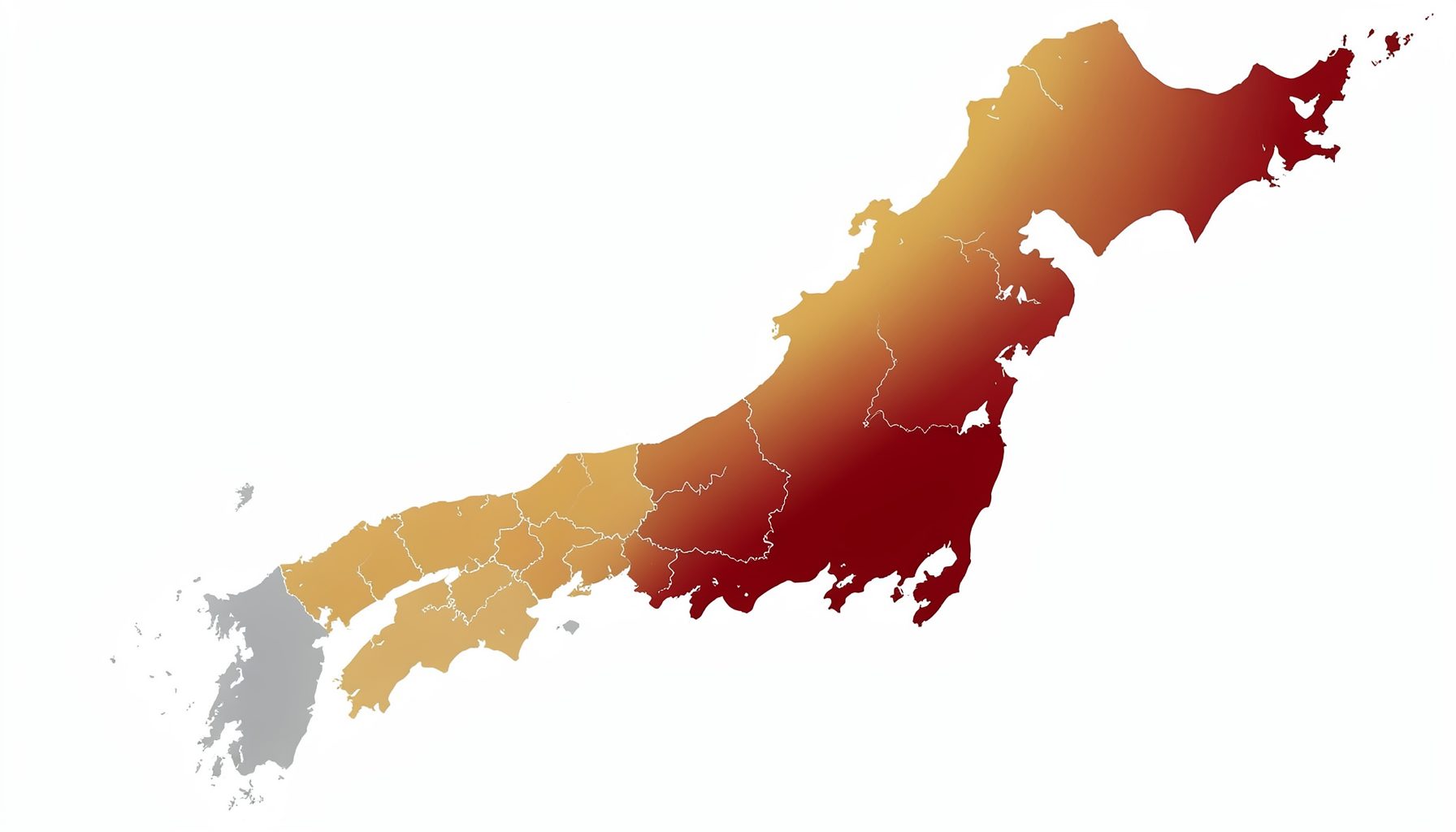
Japan’s multi-channel surveillance model offers a useful example of how school data can sit beside information from clinics, hospitals, ambulances, pharmacies, aged-care facilities and laboratories. Australia’s testing market is divided among public health laboratories, private pathology providers such as Sonic Healthcare and Pathology Lab Service, and point-of-care assessment and testing in pharmacies and general practices. Linking these streams can reveal whether a school signal is widespread or part of a broader trend, but privacy controls and consent must be built into every interface.
Combining illness reports with school absence
Absence information gives the nurse feed time and scale. A cluster of respiratory symptoms recorded by several nurses matters differently when the same schools also show a sustained increase in unexplained absences. Existing material on school absenteeism explains why aggregate attendance data can support outbreak detection when it is compared with expected patterns. In Australia, school administrators can transmit daily totals without names, reasons or class-level medical details to an authorised surveillance team.
This division protects privacy while preserving the signal. The nursing feed can describe symptom combinations and dates of onset; the attendance feed can show how many students were absent and for how long. Analysts compare those observations with each school’s normal Monday-to-Friday absence rate, adjust for enrolment and term dates, and look for simultaneous changes across nearby campuses. A sudden rise in one class may suggest a classroom event, while a broader rise across a region is more consistent with community transmission.
No single source should carry the whole alert. Pharmacy sales of fever and cold medicines, ambulance calls for respiratory distress, telehealth consultations and laboratory positivity can each add context. Data should be compared in time and place, with school-age patterns distinguished from increases in adults or younger children. Analysts also need feedback: a nurse or school coordinator should learn when a report was reviewed, whether specimens were obtained and what the investigation found. That closes the loop and encourages continued participation.
Safeguards that keep surveillance trusted
Privacy is more than removing names. The Privacy Act 1988 governs Commonwealth agencies and private organisations meeting its coverage thresholds, including many health service providers, while state and territory laws add further duties. Examples include the Health Records Act 2001 in Victoria and the Privacy and Personal Information Protection Act 1998 for relevant public agencies in New South Wales. Public schools, private schools, pathology providers and health services may sit under different regimes. A cross-agency agreement should identify the legal basis, data controller, permitted uses, retention period, access controls and process for handling complaints.
Equity and security need attention at the same time. Absence can reflect disability, caring responsibilities, transport, housing instability or a family’s ability to take leave, not infection. Nurse staffing levels may be lower in some schools, and communities may distrust a system that appears to monitor children rather than support families. Reports should therefore be aggregate, access should be role-based and any communication should avoid stigmatising a school, suburb or cultural group. Data quality checks should also flag duplicate reports, changes in school coverage and unusual reporting delays.
The following measures provide a practical foundation for an Australian pilot:
- Agree on a minimum dataset, including symptoms, onset date, school, year level and whether the student sought testing, without collecting unnecessary identifiers.
- Pilot the febrile-illness definition in several metropolitan and regional schools, then adjust thresholds for enrolment size, nurse coverage and local seasonal baselines.
- Create tiered alerts that distinguish a single report from clusters, sustained school increases and wider geographic trends, with a named health contact for each level.
- Set review and feedback deadlines so schools receive a response quickly, laboratory-confirmed cases are linked carefully, and surveillance records remain accurate.
- Publish governance details, de-identification rules, retention periods and performance measures, including false-alert rates and time from detection to investigation.
A coordinated Australian response
A national framework need not mean a single national school-nurse service. Commonwealth, state and territory, and local health authorities can share definitions and escalation protocols while education departments retain responsibility for attendance records and school operations. Regional health units, hospital networks, general practices, pharmacies, pathology laboratories and aged-care providers can then contribute the wider context. Melbourne and Sydney may require different operational arrangements from Darwin or Hobart, yet every jurisdiction should use compatible measures so national trends can still be interpreted.
The immediate action is to convene education and public-health leaders, school nursing representatives, pathology providers and privacy officers around a time-limited pilot. Participating schools in contrasting urban and regional settings can test a common nurse report, coordinate aggregate absence data and compare weekly syndromic signals with laboratory surveillance. Results should be evaluated for detection speed, alert burden, data completeness and equity, then refined before wider use. A framework that is locally adaptable, transparent about uncertainty and connected to a rapid response will be more sustainable than a stand-alone reporting form.
Launch a one-term pilot with participating schools, appoint a named escalation contact in each jurisdiction and publish the first performance report at term’s end.