





Abstract blurred pattern of data points and network nodes in deep red and dark gray tones, conveying public health monitoring

Infectious Disease Early Warning

An early detection system for infectious diseases, integrating data from outpatient clinics, hospitals, ambulance transport, pharmacies, schools, nursery schools, and elderly care facilities across Japan.

Explore the System
Abstract circular icon representing public health, white cross on deep red background
Multi-Channel Data

Eight surveillance channels including outpatient, inpatient, ambulance, OTC pharmacy, nursery school, school absenteeism, elderly facilities, and laboratory testing.

A minimalist public health emblem in deep crimson and white, suggesting vigilance and early detection
Early Detection

Syndromic surveillance identifies unusual patterns before laboratory confirmation, enabling faster public health responses to emerging outbreaks.

A clean, minimalist emblem in white on a deep red background, suggesting a stylized radar pulse or concentric signal waves
Event Monitoring

Enhanced surveillance was conducted at major mass gatherings including the Hokkaido Toyako Summit 2008, APEC Yokohama 2010, and COP10 Nagoya 2010.

How Syndromic Surveillance Works

Syndromic surveillance monitors health-related data in near real-time to detect signals of infectious disease outbreaks before conventional diagnosis-based systems. By tracking symptoms and proxy indicators — such as school absenteeism, pharmacy dispensing, and ambulance transports — public health authorities can identify anomalies and respond earlier.

Soft-focus overhead view of a map with muted blue and gray tones, overlaid with subtle red and amber heatmap patches

Surveillance Channels

Syndromic surveillance in Japan draws on a broad range of data sources, each contributing a distinct signal for outbreak detection. These channels collectively provide a comprehensive picture of community health status, from clinical settings to everyday community indicators.

  • Outpatient (外来) — clinic visit symptom data
  • Inpatient (入院) — hospital admission surveillance
  • Ambulance Transport (救急車搬送) — emergency call patterns
  • OTC Pharmacy (OTC) — over-the-counter medication sales
  • Nursery School (保育園) — preschool absenteeism tracking
  • School Absenteeism (学校欠席) — nationwide school-based system
  • Elderly Facilities (高齢者施設) — care-home health monitoring
  • Laboratory Testing (検査) — test-ordering pattern analysis
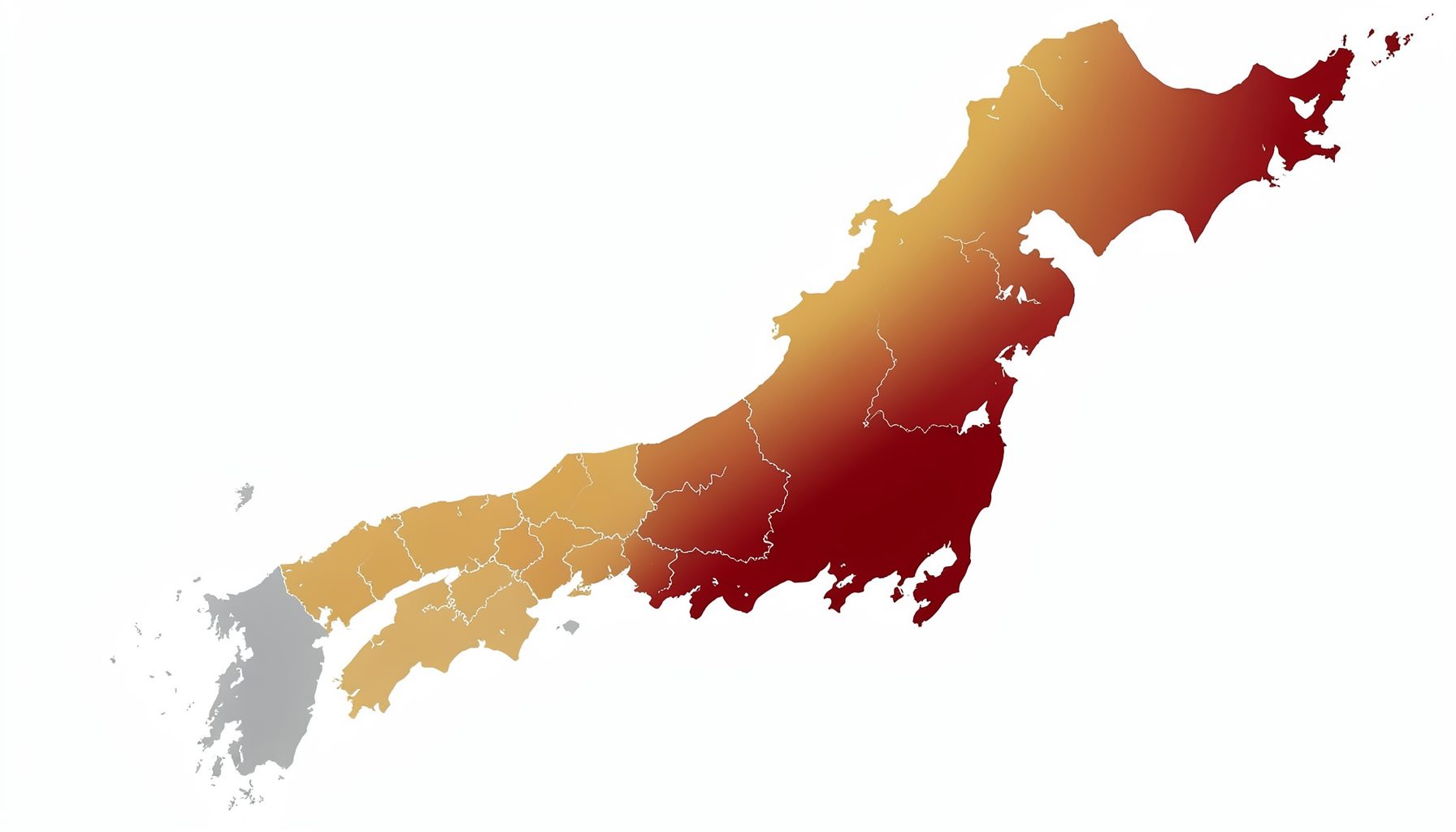
Abstract map of Japan divided into prefectural regions, shaded in a gradient from pale gray through amber to deep red, indicating surveillance coverage intensity
School Absenteeism System

As of January 2016, approximately 23,618 schools across 25 prefectures, 6 designated cities, and 2 special wards — covering about 53% of elementary, junior high, and high schools nationwide.

Close-up of data charts and graphs on a desk, warm amber and deep navy tones
Pharmacy Surveillance

Daily influenza estimates derived from anti-influenza drug dispensing data across 10,064 participating pharmacies, with prefecture-level and designated-city breakdowns from the 2009/2010 through 2014/2015 seasons.

Blog

  1. Australia Blackjack Payouts And Smarter Casino Bonus ChecksFor Australian players comparing blackjack offers, the headline payout is only one part of the decision. Rules, table limits, game variants, wagering…
  2. Capped Multipliers in Online Slots Explained ClearlyOnline slot terminology can seem more complicated than the reels themselves. Terms such as maximum win, capped multiplier, win potential, and bonus feature…
  3. Poker Multi Table Toernooi: Play Smarter Across Multiple TablesA poker multi table toernooi combines the excitement of tournament poker with the challenge of competing at several tables at once. Players begin with a fixed…
  4. Syndromic Surveillance for Infectious Disease-Related Acute Kidney InjuryAcute kidney injury (AKI) can develop when an infection causes dehydration, sepsis, inflammation, muscle breakdown, or direct damage to the kidneys. In many…
  5. Monitoring Croup Outbreaks Through Pediatric Emergency VisitsMonitoring croup outbreaks through pediatric emergency visit patterns can reveal a change in respiratory activity before laboratory confirmation is available.…
  6. Detecting Invasive Group A Streptococcus Through Syndromic SurveillanceInvasive group A streptococcus (iGAS) infections can progress rapidly from an apparently mild illness to sepsis, necrotizing fasciitis, toxic shock syndrome,…
  7. Laag huisvoordeel baccarat inzet voor slim spelenBaccarat remains one of the clearest table games for players who prefer simple rules, quick rounds, and transparent betting options. The central decision is…
  8. First Goalscorer Betting: A Smarter Matchday ApproachA first goalscorer bet adds a focused layer of excitement to football coverage. Instead of selecting only the match winner, bettors predict which player will…
  9. A clearer look at PinoCasino’s tiered welcome packageOnline casino promotions can be difficult to compare when bonus percentages, wagering conditions, game restrictions, and deposit requirements appear across…
  10. Using Ambulance Response Times To Detect Outbreak SeverityWhen an infectious disease begins spreading, official confirmation can arrive days after the first signs appear in the community. Patients may seek care at…

Technical Support

For inquiries about the syndromic surveillance systems, including the school absenteeism information collection system and pharmacy surveillance:

Contact: Yasushi Ohkusa, Senior Researcher

Institution: Infectious Disease Epidemiology Center, National Institute of Infectious Diseases

FAX: 03-5285-1129

Email: ohkusa@nih.go.jp

All inquiries accepted by FAX or email only. For school absenteeism system login issues, please contact your municipal board of education or childcare division.