





Abstract blurred pattern of data points and network nodes in deep red and dark gray tones, conveying public health monitoring

Infectious Disease Early Warning

An early detection system for infectious diseases, integrating data from outpatient clinics, hospitals, ambulance transport, pharmacies, schools, nursery schools, and elderly care facilities across Japan.

Explore the System
Abstract circular icon representing public health, white cross on deep red background
Multi-Channel Data

Eight surveillance channels including outpatient, inpatient, ambulance, OTC pharmacy, nursery school, school absenteeism, elderly facilities, and laboratory testing.

A minimalist public health emblem in deep crimson and white, suggesting vigilance and early detection
Early Detection

Syndromic surveillance identifies unusual patterns before laboratory confirmation, enabling faster public health responses to emerging outbreaks.

A clean, minimalist emblem in white on a deep red background, suggesting a stylized radar pulse or concentric signal waves
Event Monitoring

Enhanced surveillance was conducted at major mass gatherings including the Hokkaido Toyako Summit 2008, APEC Yokohama 2010, and COP10 Nagoya 2010.

How Syndromic Surveillance Works

Syndromic surveillance monitors health-related data in near real-time to detect signals of infectious disease outbreaks before conventional diagnosis-based systems. By tracking symptoms and proxy indicators — such as school absenteeism, pharmacy dispensing, and ambulance transports — public health authorities can identify anomalies and respond earlier.

Soft-focus overhead view of a map with muted blue and gray tones, overlaid with subtle red and amber heatmap patches

Surveillance Channels

Syndromic surveillance in Japan draws on a broad range of data sources, each contributing a distinct signal for outbreak detection. These channels collectively provide a comprehensive picture of community health status, from clinical settings to everyday community indicators.

  • Outpatient (外来) — clinic visit symptom data
  • Inpatient (入院) — hospital admission surveillance
  • Ambulance Transport (救急車搬送) — emergency call patterns
  • OTC Pharmacy (OTC) — over-the-counter medication sales
  • Nursery School (保育園) — preschool absenteeism tracking
  • School Absenteeism (学校欠席) — nationwide school-based system
  • Elderly Facilities (高齢者施設) — care-home health monitoring
  • Laboratory Testing (検査) — test-ordering pattern analysis
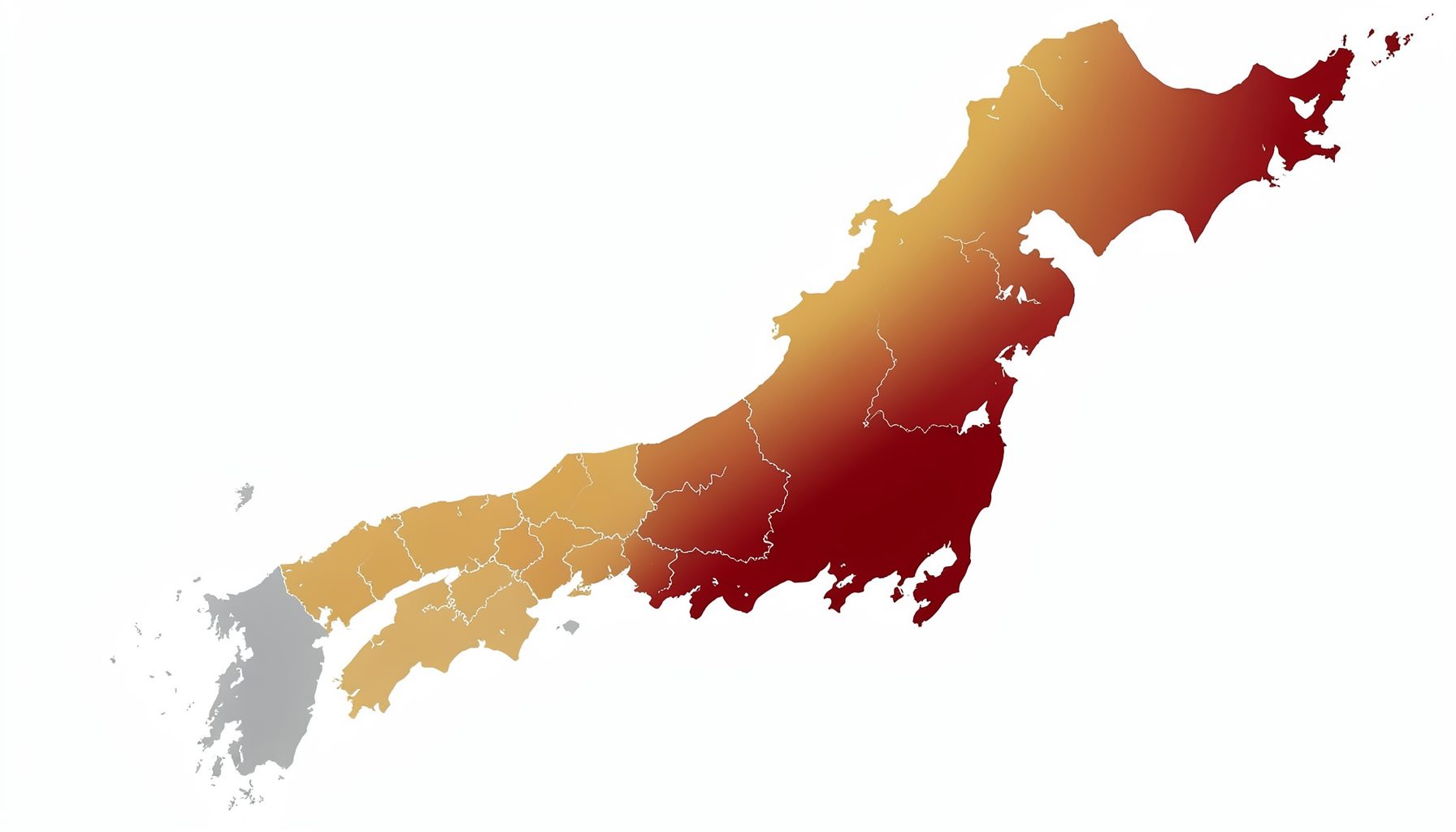
Abstract map of Japan divided into prefectural regions, shaded in a gradient from pale gray through amber to deep red, indicating surveillance coverage intensity
School Absenteeism System

As of January 2016, approximately 23,618 schools across 25 prefectures, 6 designated cities, and 2 special wards — covering about 53% of elementary, junior high, and high schools nationwide.

Close-up of data charts and graphs on a desk, warm amber and deep navy tones
Pharmacy Surveillance

Daily influenza estimates derived from anti-influenza drug dispensing data across 10,064 participating pharmacies, with prefecture-level and designated-city breakdowns from the 2009/2010 through 2014/2015 seasons.

Blog

  1. Syndromic Surveillance for Neurological Syndromes After Viral InfectionsViral infections can produce neurological complications that emerge days or weeks after the initial fever, cough, gastrointestinal illness, or rash.…
  2. Finding Hidden Fever Clusters in Emergency Department DataPyrexia of unknown origin (PUO) is a clinical description, not a final diagnosis. A patient may arrive at an emergency department with persistent or…
  3. Earlier Signals in Critical Care Respiratory SurveillanceAcute respiratory distress syndrome (ARDS) is a severe form of acute lung injury marked by impaired oxygen exchange, diffuse pulmonary inflammation, and…
  4. How syndromic surveillance tracks antimicrobial resistance trendsAntimicrobial resistance (AMR) changes the way infections appear in communities, healthcare facilities, and pharmacies. When bacteria, viruses, fungi, or…
  5. Reading Influenza-Associated Pneumonia Patterns Through Syndromic SurveillanceInfluenza can produce a broad range of clinical presentations, from uncomplicated fever and cough to severe lower-respiratory disease requiring…
  6. Using Syndromic Data To Guide School Closure Decisions During OutbreaksSchool closures are among the most disruptive measures available to public-health authorities. They affect learning, family routines, staffing, transport, and…
  7. A Clearer Way To Evaluate Online Casino BonusesDigital platforms often attract attention through fast-moving data, timely offers, and clear signals of value. In public health, syndromic surveillance helps…
  8. Detecting Acute Malnutrition Through Pediatric Emergency DataAcute malnutrition can worsen quickly in infants and children, especially when infection, food insecurity, displacement, or chronic illness limits recovery.…
  9. Monitoring Congenital Syphilis Signals Through Obstetric Emergency VisitsCongenital syphilis develops when Treponema pallidum passes from a pregnant person to the fetus during pregnancy or delivery. Timely screening and treatment…
  10. Detecting Rabies PEP Demand Before Supply StrainsRabies is preventable after exposure, but post-exposure prophylaxis (PEP) must be started promptly when a credible risk exists. A sudden increase in people…

Technical Support

For inquiries about the syndromic surveillance systems, including the school absenteeism information collection system and pharmacy surveillance:

Contact: Yasushi Ohkusa, Senior Researcher

Institution: Infectious Disease Epidemiology Center, National Institute of Infectious Diseases

FAX: 03-5285-1129

Email: ohkusa@nih.go.jp

All inquiries accepted by FAX or email only. For school absenteeism system login issues, please contact your municipal board of education or childcare division.