




Abstract blurred pattern of data points and network nodes in deep red and dark gray tones, conveying public health monitoring

Infectious Disease Early Warning

An early detection system for infectious diseases, integrating data from outpatient clinics, hospitals, ambulance transport, pharmacies, schools, nursery schools, and elderly care facilities across Japan.

Explore the System
Abstract circular icon representing public health, white cross on deep red background
Multi-Channel Data

Eight surveillance channels including outpatient, inpatient, ambulance, OTC pharmacy, nursery school, school absenteeism, elderly facilities, and laboratory testing.

A minimalist public health emblem in deep crimson and white, suggesting vigilance and early detection
Early Detection

Syndromic surveillance identifies unusual patterns before laboratory confirmation, enabling faster public health responses to emerging outbreaks.

A clean, minimalist emblem in white on a deep red background, suggesting a stylized radar pulse or concentric signal waves
Event Monitoring

Enhanced surveillance was conducted at major mass gatherings including the Hokkaido Toyako Summit 2008, APEC Yokohama 2010, and COP10 Nagoya 2010.

How Syndromic Surveillance Works

Syndromic surveillance monitors health-related data in near real-time to detect signals of infectious disease outbreaks before conventional diagnosis-based systems. By tracking symptoms and proxy indicators — such as school absenteeism, pharmacy dispensing, and ambulance transports — public health authorities can identify anomalies and respond earlier.

Soft-focus overhead view of a map with muted blue and gray tones, overlaid with subtle red and amber heatmap patches

Surveillance Channels

Syndromic surveillance in Japan draws on a broad range of data sources, each contributing a distinct signal for outbreak detection. These channels collectively provide a comprehensive picture of community health status, from clinical settings to everyday community indicators.

  • Outpatient (外来) — clinic visit symptom data
  • Inpatient (入院) — hospital admission surveillance
  • Ambulance Transport (救急車搬送) — emergency call patterns
  • OTC Pharmacy (OTC) — over-the-counter medication sales
  • Nursery School (保育園) — preschool absenteeism tracking
  • School Absenteeism (学校欠席) — nationwide school-based system
  • Elderly Facilities (高齢者施設) — care-home health monitoring
  • Laboratory Testing (検査) — test-ordering pattern analysis
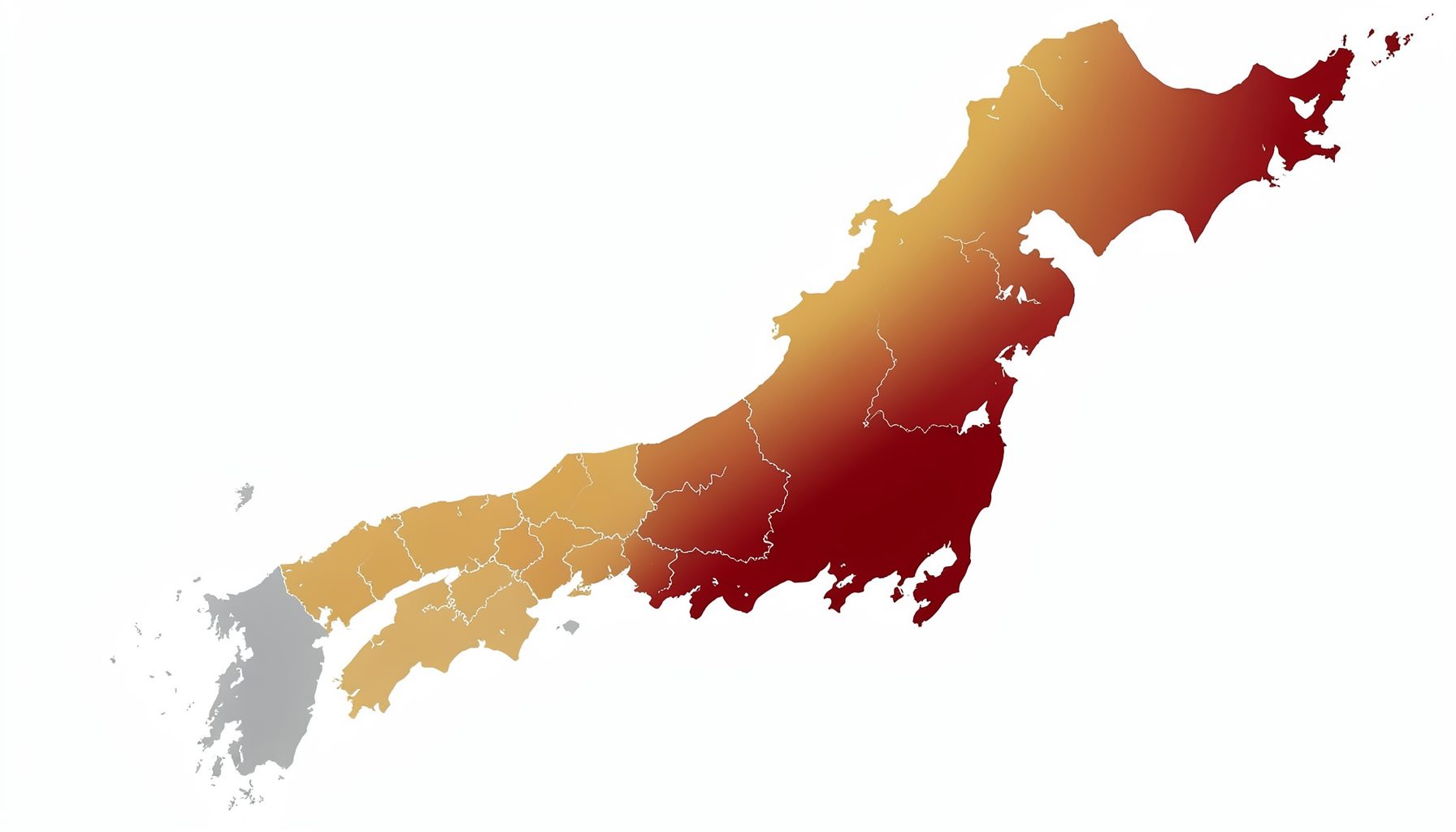
Abstract map of Japan divided into prefectural regions, shaded in a gradient from pale gray through amber to deep red, indicating surveillance coverage intensity
School Absenteeism System

As of January 2016, approximately 23,618 schools across 25 prefectures, 6 designated cities, and 2 special wards — covering about 53% of elementary, junior high, and high schools nationwide.

Close-up of data charts and graphs on a desk, warm amber and deep navy tones
Pharmacy Surveillance

Daily influenza estimates derived from anti-influenza drug dispensing data across 10,064 participating pharmacies, with prefecture-level and designated-city breakdowns from the 2009/2010 through 2014/2015 seasons.

Blog

  1. Reading Laboratory Demand Before Pathogens Are ConfirmedUsing lab testing volume data as a syndromic signal for emerging pathogens can reveal changes in community illness before case counts become reliable. A rise…
  2. Reading Syndromic Signals For Allergic Reaction And Anaphylaxis PeaksAllergic reactions can rise quickly when people encounter a shared trigger, such as a food ingredient, medication, insect exposure, environmental allergen, or…
  3. A Practical Guide To Setting Up School Absenteeism SurveillanceSchools see changes in attendance before many infections are confirmed by laboratories. A sudden rise in students absent with fever, vomiting, respiratory…
  4. Finding gastrointestinal outbreak signals in emergency care dataGastrointestinal illness can spread quickly through households, schools, workplaces, care homes, and temporary accommodation. Early symptoms such as vomiting,…
  5. Syndromic surveillance for zoonotic disease outbreaks in JapanZoonotic diseases pass between animals and people, so their earliest signals may appear in many parts of society before a pathogen is identified. A patient may…
  6. Ambulance dispatch codes as an early signal of respiratory distressRespiratory outbreaks often become visible through changes in healthcare demand before laboratory results are available. A rise in people struggling to breathe…
  7. Linking pharmacy and clinic data to catch early signs of COVID 19 wavesCOVID-19 waves rarely begin with a clear, synchronized signal. A few patients may visit clinics with fever or respiratory symptoms, while others seek…
  8. Syndromic Surveillance for Heat-Related Illness During Extreme Weather EventsExtreme heat can create a public-health emergency before hospitals, laboratories, or death registries show the full scale of the problem. People may first…
  9. Tokyo Olympics And Syndromic Surveillance In ActionThe Tokyo Olympics created an unusually demanding environment for public-health monitoring. Athletes, officials, volunteers, residents, and visitors moved…
  10. Reading Syndromic Trend Charts for Local Public Health ActionSyndromic surveillance charts help local public health teams detect unusual illness activity before diagnostic testing is complete. Rather than waiting for…

Technical Support

For inquiries about the syndromic surveillance systems, including the school absenteeism information collection system and pharmacy surveillance:

Contact: Yasushi Ohkusa, Senior Researcher

Institution: Infectious Disease Epidemiology Center, National Institute of Infectious Diseases

FAX: 03-5285-1129

Email: ohkusa@nih.go.jp

All inquiries accepted by FAX or email only. For school absenteeism system login issues, please contact your municipal board of education or childcare division.