





Cough syrup sales as an early warning for pertussis outbreaks
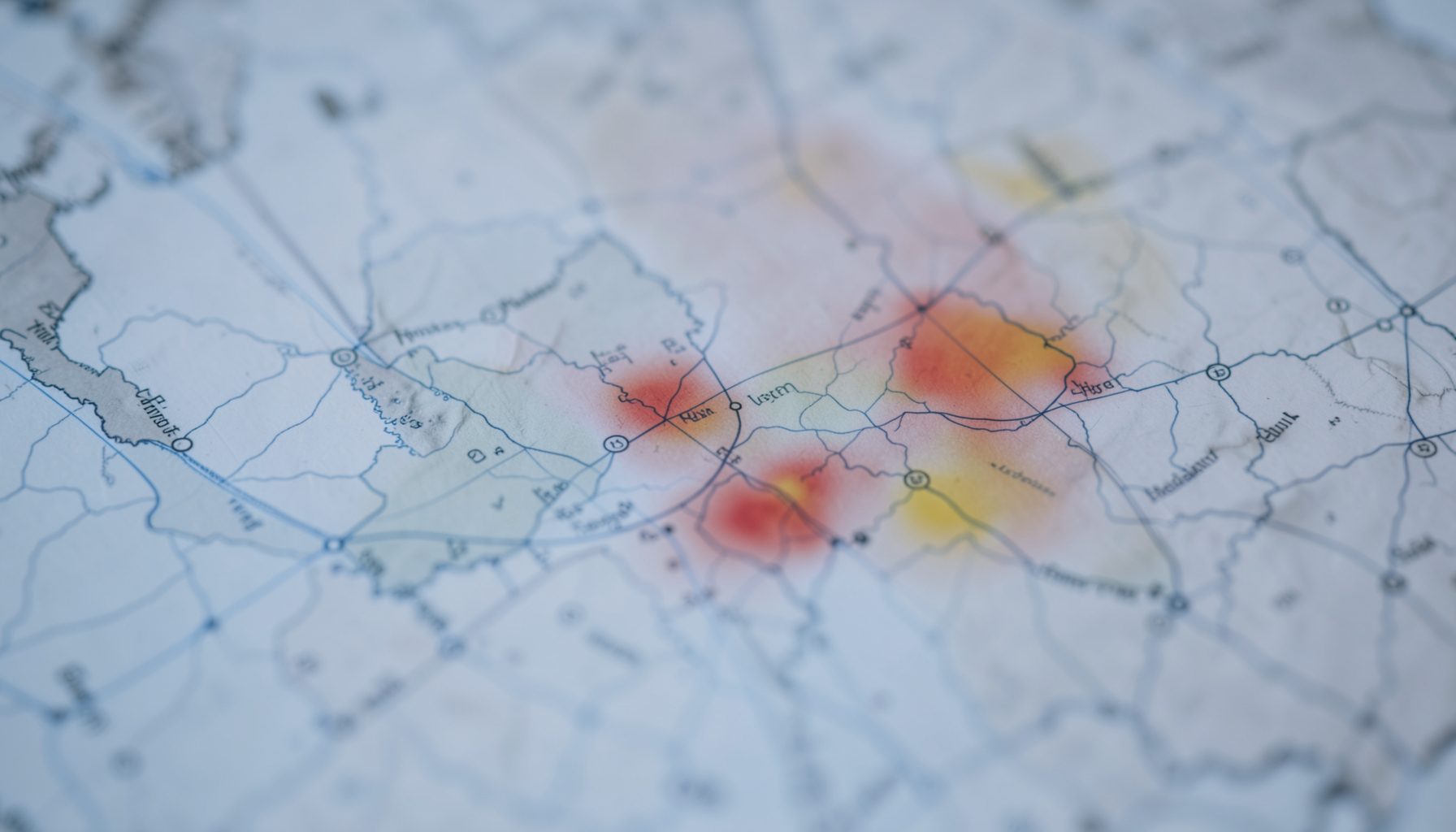
Pertussis can spread through a community before the cause of a persistent cough is recognised. The disease often begins with cold-like symptoms, followed by coughing fits that may prompt people to seek medical advice. In Australia, monitoring over-the-counter cough syrup sales could provide an earlier clue than laboratory-confirmed notifications, particularly when several pharmacies report the same change across neighbouring suburbs.
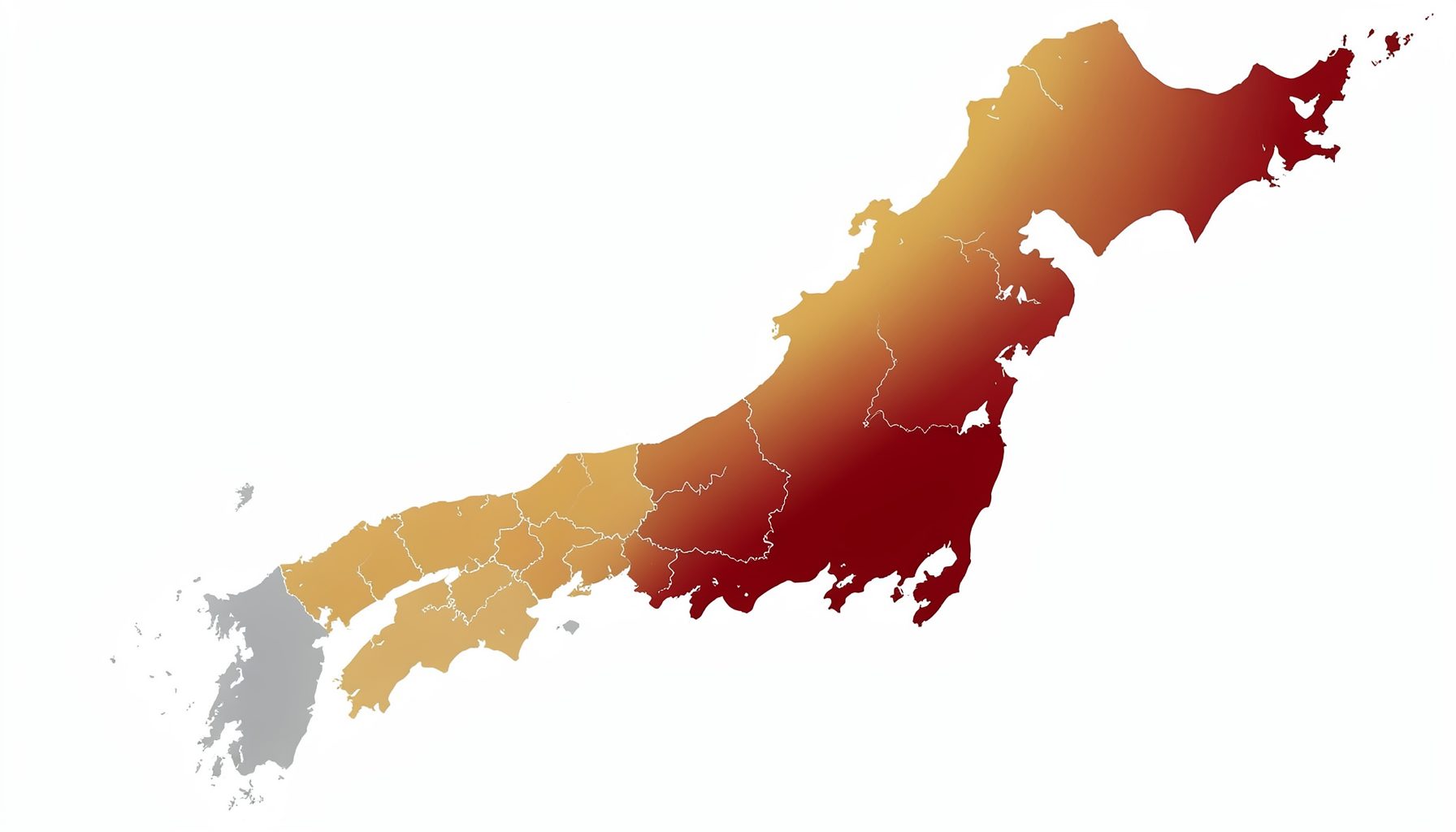
That signal belongs within a broader syndromic surveillance system. Japan connects information from clinics, hospitals, ambulances, pharmacies, schools, elderly-care facilities and laboratories, allowing investigators to recognise illness patterns before every case has been confirmed. Australian public health teams already receive pertussis notifications and syndromic presentations, but pharmacy sales are not routinely integrated into that response.
A useful pharmacy signal measures patterns, not diagnoses. It cannot establish that a buyer has pertussis, and a sales increase can reflect another respiratory illness, a promotion or a supply shortage. Its value comes from combining timely, consistent data with clinical, laboratory and community information, then acting when the combined picture warrants investigation.
What pertussis can reveal through medicine purchases
Pertussis, also known as whooping cough, is a bacterial respiratory infection that is particularly dangerous for infants. Early symptoms can resemble a common cold, while the characteristic coughing fits may develop later. Some people purchase cough and cold preparations before seeking medical care. Their purchases may therefore record the start of community illness before a notification reaches public health authorities.
The timing is plausible but not guaranteed. A rise in sales might precede laboratory confirmation, yet it could also follow unrelated changes in influenza, COVID-19 or respiratory virus activity. Pharmacy data provide a population-level proxy for symptoms, not a measure of pertussis prevalence. The strongest interpretation comes from a sustained change across multiple products, locations and reporting periods.
Australia’s pharmacy market requires careful handling. Many cough and cold preparations are dispensed through community chemists, often under pharmacist supply arrangements rather than unrestricted shelf sales. Codeine-containing cough medicines are prescription-only, while the availability of other formulations varies between products and jurisdictions. Sales totals also need consistent definitions so that changes in package size, price or reporting coverage are not mistaken for changes in illness.
How Japan connects pharmacy signals with community health
Japan demonstrates how a commercial signal can sit inside a multi-channel early-warning system rather than operate on its own. Pharmacy information is assessed alongside clinical consultations, emergency presentations, ambulance calls, school absenteeism, residential care activity and laboratory results. This wider context helps investigators distinguish genuine clusters from ordinary seasonal variation.
A practical illustration is pharmacy daily reporting, which shows how frequent sales summaries can support near-real-time monitoring. Daily or weekly reporting offers a different perspective from delayed notification systems. Investigators can examine whether purchases are concentrated in particular postcodes, age-neighbourhood profiles or periods, although the transactions themselves remain anonymous.
School absenteeism provides another complementary stream. A cluster of unexplained absences can strengthen a pharmacy signal, particularly when schools, pharmacies and health services report changes at the same time. Japan has also conducted enhanced monitoring around major international events, when travel patterns, mass gatherings and temporary increases in healthcare demand can disrupt normal baselines. Such enhancements should identify unusual patterns without implying that every increase represents an imported outbreak.
Recommendations for a workable Australian pilot
Australia needs a pharmacy reporting standard that works across independent chemists and national pharmacy chains. In major cities such as Sydney, Melbourne, Brisbane and Perth, participating stores may have different customers, opening hours and local disease patterns. Jurisdictional reporting boundaries, school calendars and public holidays also differ. A pilot should therefore preserve postcode-level detail and report its store coverage, rather than presenting nationwide totals without context.
The analysis should compare current sales with several years of historical data for comparable weeks, while accounting for known changes in demand. Distributor shipments alone measure stock supplied to pharmacies, not necessarily products purchased by consumers. Transaction-level unit sales are preferable, with revenue treated as a secondary measure. Promotional campaigns, medicine shortages, online purchasing and changes in store participation should all be recorded.
A practical Australian pilot should include the following components:
- Establish a consistent daily or weekly feed covering transaction counts, product categories and participating-store coverage, without collecting customer identity or unnecessary personal information.
- Calculate local baselines using multiple previous years where data are comparable, adjusting for seasonality, school terms, public holidays and major respiratory outbreaks.
- Investigate unusual changes with clinical teams and laboratories before describing them as alerts, distinguishing sustained shifts from promotions, temporary stockouts or reporting artefacts.
- Set pre-agreed validation and escalation procedures, including how an alert is reviewed, who responds and when broader clinical or community data are required.
Back-testing should assess how often the signal would have identified genuine pertussis activity and how often similar signals arose without an outbreak. False alarms are costly because they can consume limited public health capacity, while missed signals may delay testing and communication. Transparent methods and regular review help balance both risks.
Reading the signal without overinterpreting it
Cough medicine demand is shaped by more than infectious disease. Asthma, influenza, COVID-19 and other respiratory conditions can increase purchases. Advertising, weather, school holidays and a sudden shift towards home treatment can also change sales. A single prominent product may rise because of a discount or a stock replenishment, while a general increase across several cough syrup brands may be more informative.
Signals should retain information about location, product mix and participating-store coverage. A small increase concentrated in a few postcodes may justify closer review, but it does not automatically establish an outbreak. Conversely, few sales in one area may mean that the product was unavailable or that a pharmacy did not participate in reporting. Stockout notices, store closures and denominator changes are essential for accurate interpretation.
Privacy and governance must accompany every data exchange. Health information is sensitive under Australian privacy frameworks, including the Privacy Act 1988 and the Australian Privacy Principles, although statutory public health powers may apply in specific circumstances. Data-sharing agreements should define permitted use, security, retention and suppression of small cells. No individual buyer should be identifiable, and pharmacy participation should be assessed so that excluded areas are not mistaken for disease-free areas.
Connecting pharmacies with schools and aged care
School absenteeism can provide essential context for pharmacy findings. Because Australia’s school terms, holidays and term lengths vary across jurisdictions, expected attendance patterns need local adjustment. Unexplained increases in absence may support an investigation into pertussis, although they remain non-specific and can reflect holidays, weather or other illnesses. Cause-specific information requires careful privacy arrangements and should not be used to identify children publicly.
Residential aged-care settings also warrant close attention because residents can be vulnerable to severe respiratory infection. Staff may work while symptomatic, creating opportunities for transmission within a facility and beyond it. Pertussis vaccination is part of Australia’s childhood schedule, while protection among older adolescents and adults can vary. An unusual combination of cough-related medicine purchases, staff absences and respiratory illness in facilities could justify targeted testing and infection-control support.
The value of combining community signals with facility intelligence appears in scabies outbreak monitoring, which focuses on long-term-care settings. Although scabies and pertussis require different clinical responses, the surveillance principle is transferable: community trends can prompt closer examination of vulnerable facilities, and facility findings can clarify whether wider transmission is occurring.
Turning an early signal into a coordinated response
An unusual sales pattern should trigger verification, not an automatic public announcement. Public health teams can compare the signal with notifications, emergency department presentations, ambulance activity, school absences and laboratory capacity. Clinical assessment may then identify suitable opportunities for testing, especially when the affected population includes infants, pregnant people or people at increased risk of severe disease. Alert criteria should specify when the threshold for investigation has been reached.
Structured emergency data can improve that assessment. A related example is emergency department mental-status codes, which shows how coded presentations can support opioid-poisoning detection. The transferable lesson is to define a small, consistently collected set of respiratory and pertussis-related indicators that clinicians can record reliably, while recognising that coded data require clinical validation.
Act now to establish a cross-jurisdictional pilot linking aggregated pharmacy sales with public health notifications, school reporting and laboratory information. Agree on data definitions, privacy safeguards, alert thresholds and response pathways before the next pertussis season, and involve community pharmacists, educators, aged-care providers and clinicians in that design. Promptly reviewed and coordinated signals can protect infants and vulnerable residents while the investigation is still at an early stage.