





Abstract blurred pattern of data points and network nodes in deep red and dark gray tones, conveying public health monitoring

Infectious Disease Early Warning

An early detection system for infectious diseases, integrating data from outpatient clinics, hospitals, ambulance transport, pharmacies, schools, nursery schools, and elderly care facilities across Japan.

Explore the System
Abstract circular icon representing public health, white cross on deep red background
Multi-Channel Data

Eight surveillance channels including outpatient, inpatient, ambulance, OTC pharmacy, nursery school, school absenteeism, elderly facilities, and laboratory testing.

A minimalist public health emblem in deep crimson and white, suggesting vigilance and early detection
Early Detection

Syndromic surveillance identifies unusual patterns before laboratory confirmation, enabling faster public health responses to emerging outbreaks.

A clean, minimalist emblem in white on a deep red background, suggesting a stylized radar pulse or concentric signal waves
Event Monitoring

Enhanced surveillance was conducted at major mass gatherings including the Hokkaido Toyako Summit 2008, APEC Yokohama 2010, and COP10 Nagoya 2010.

How Syndromic Surveillance Works

Syndromic surveillance monitors health-related data in near real-time to detect signals of infectious disease outbreaks before conventional diagnosis-based systems. By tracking symptoms and proxy indicators — such as school absenteeism, pharmacy dispensing, and ambulance transports — public health authorities can identify anomalies and respond earlier.

Soft-focus overhead view of a map with muted blue and gray tones, overlaid with subtle red and amber heatmap patches

Surveillance Channels

Syndromic surveillance in Japan draws on a broad range of data sources, each contributing a distinct signal for outbreak detection. These channels collectively provide a comprehensive picture of community health status, from clinical settings to everyday community indicators.

  • Outpatient (外来) — clinic visit symptom data
  • Inpatient (入院) — hospital admission surveillance
  • Ambulance Transport (救急車搬送) — emergency call patterns
  • OTC Pharmacy (OTC) — over-the-counter medication sales
  • Nursery School (保育園) — preschool absenteeism tracking
  • School Absenteeism (学校欠席) — nationwide school-based system
  • Elderly Facilities (高齢者施設) — care-home health monitoring
  • Laboratory Testing (検査) — test-ordering pattern analysis
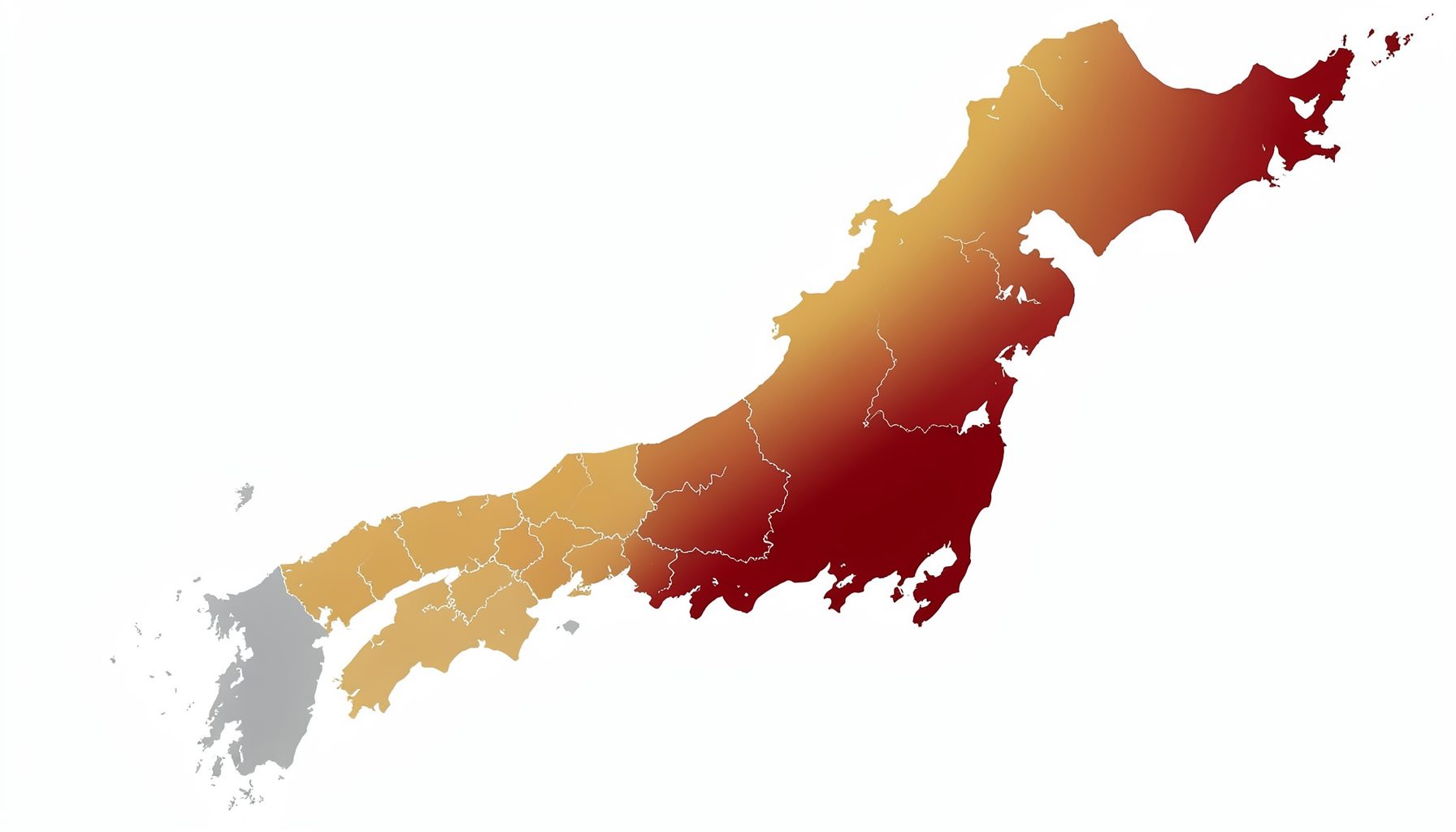
Abstract map of Japan divided into prefectural regions, shaded in a gradient from pale gray through amber to deep red, indicating surveillance coverage intensity
School Absenteeism System

As of January 2016, approximately 23,618 schools across 25 prefectures, 6 designated cities, and 2 special wards — covering about 53% of elementary, junior high, and high schools nationwide.

Close-up of data charts and graphs on a desk, warm amber and deep navy tones
Pharmacy Surveillance

Daily influenza estimates derived from anti-influenza drug dispensing data across 10,064 participating pharmacies, with prefecture-level and designated-city breakdowns from the 2009/2010 through 2014/2015 seasons.

Blog

  1. Blackjack Rules Explained For Clearer Casino DecisionsFor Dutch-speaking players, a clear blackjack rules uitleg is the starting point for making informed choices at the casino table. The game looks simple because…
  2. Detecting Amoebic Dysentery After Natural DisastersNatural disasters can disrupt water treatment, sanitation, food distribution, health services, and communication networks within hours. Floods may carry sewage…
  3. Why Syndromic Surveillance Matters When Labs Are LimitedWhen an infectious disease begins spreading, laboratory confirmation may arrive after the most important decisions have already been made. Samples must be…
  4. Syndromic surveillance for typhoid and paratyphoid fever in endemic regionsTyphoid and paratyphoid fever remain persistent public-health concerns in areas where safe water, sanitation, food hygiene, and access to healthcare are…
  5. Using rapid antigen test sales as a syndromic indicator for COVID 19Rapid antigen test purchases can provide an early signal of respiratory illness activity before confirmed case counts become available. When people suspect…
  6. Syndromic Surveillance for Severe Acute Respiratory Infections in ChildrenSevere acute respiratory infections (SARI) can progress quickly in children, especially infants, children with chronic conditions, and those who cannot…
  7. How Syndromic Data Strengthens Public Health Alert ThresholdsPublic health authorities need to recognize unusual disease activity early enough to limit transmission, yet an alert issued too quickly can consume staff…
  8. How Syndromic Surveillance Can Detect Early Signs of Bioterrorism EventsBioterrorism events may begin with scattered, nonspecific symptoms rather than a confirmed diagnosis. People can seek care for fever, breathing problems,…
  9. Using ambulance data to detect suicide attempt clustersSuicide attempts can appear in emergency care data before a wider pattern becomes visible to public-health teams. Ambulance dispatches and transport records…
  10. Monitoring Acute Hepatitis Through Jaundice Emergency VisitsAcute hepatitis can progress quietly until liver inflammation becomes clinically visible through jaundice, dark urine, pale stools, abdominal discomfort,…

Technical Support

For inquiries about the syndromic surveillance systems, including the school absenteeism information collection system and pharmacy surveillance:

Contact: Yasushi Ohkusa, Senior Researcher

Institution: Infectious Disease Epidemiology Center, National Institute of Infectious Diseases

FAX: 03-5285-1129

Email: ohkusa@nih.go.jp

All inquiries accepted by FAX or email only. For school absenteeism system login issues, please contact your municipal board of education or childcare division.