





Ambulance signals for festival heat emergencies
Summer festivals in Australia bring large crowds into sustained outdoor heat. Events around Melbourne’s Southbank, Sydney’s waterfront and Woodford Folk Festival near Kilcoy in Queensland can combine high temperatures, humidity, long queues, camping, alcohol and limited access to cool indoor spaces. These conditions create a strong need for rapid recognition of heat exhaustion and heat stroke, particularly where participants may describe symptoms simply as feeling “knocked around” or having had a “hot day”.
Syndromic surveillance for heat stroke using ambulance dispatch data during summer festivals identifies symptom patterns before laboratory or specialist confirmation is possible. It examines coded complaints, locations and timing for clusters of collapse, confusion, seizures, vomiting, dizziness or other signs of heat illness. The aim is not to diagnose people from a database, but to reveal a possible change in public health conditions early enough for event organisers to intervene.
Ambulance records provide a timely signal because they describe what people experienced and where. During a festival, several similar presentations close to a stage, campground or transport hub may indicate a broader heat problem. Data can be compared with historical patterns while accounting for weather, crowd size and the event schedule, turning individual call-outs into a population-level warning about environmental health risks.
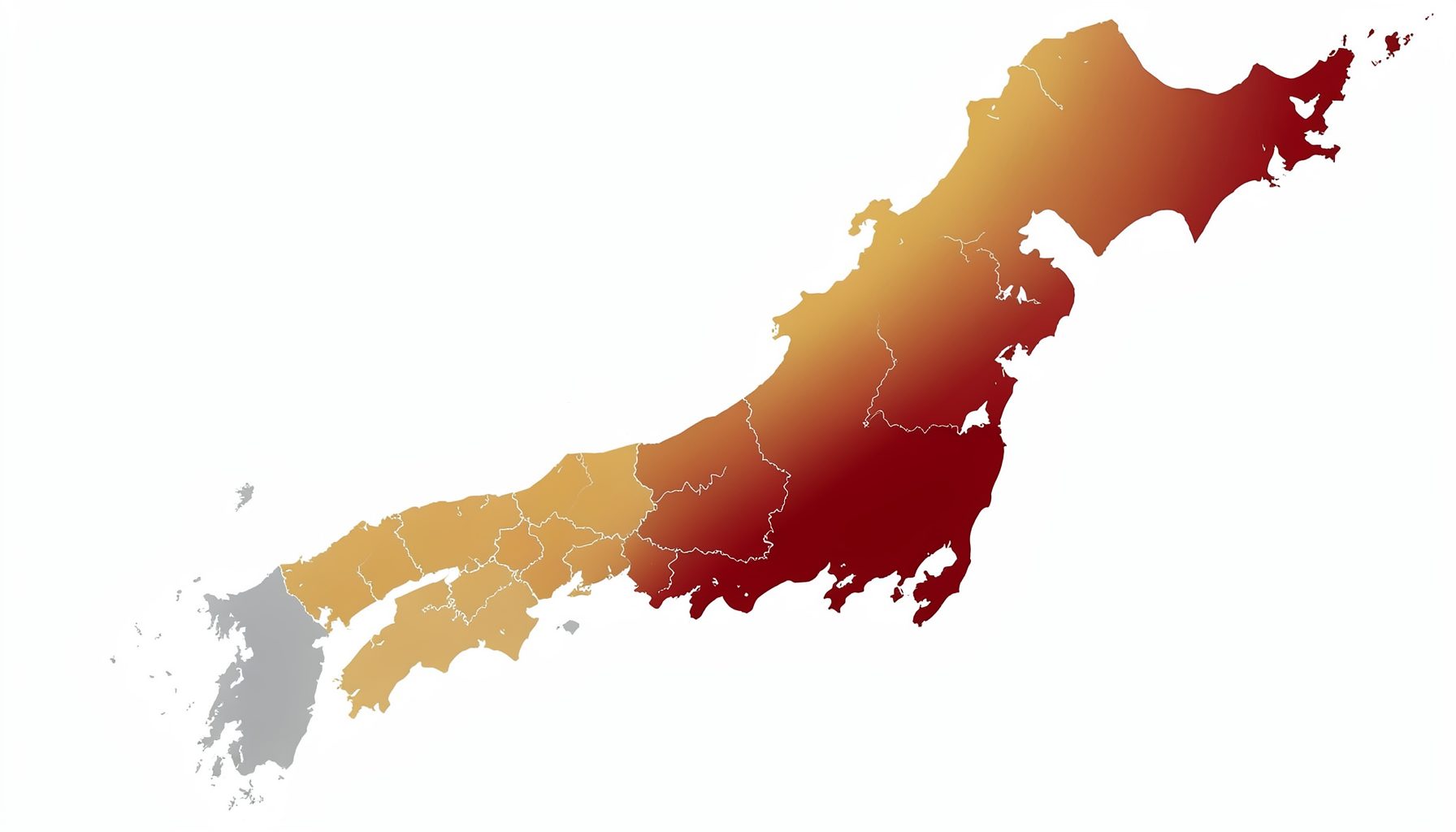
Japan’s multi-channel approach offers a useful reference because it combines information from clinics, hospitals, ambulances, pharmacies, schools, elderly-care facilities and laboratories, with enhanced monitoring around major international events. Australia can adapt this whole-community perspective for heat emergencies. Festival surveillance should connect emergency responses with local councils, public health units, event medics, pharmacists and community organisations rather than rely on ambulance data alone.
Reading ambulance records as health signals
Australian ambulance services use different dispatch systems and clinical categories across states, so records require local mapping before analysis. Services such as Ambulance Victoria, NSW Ambulance and the Queensland Ambulance Service receive calls through Triple Zero, or 000, and capture information that may include the chief complaint, dispatch priority, event location, age range and transport outcome. A complaint recorded as altered consciousness or collapse is useful, but it does not necessarily indicate heat stroke.
Surveillance teams therefore build symptom groups instead of treating every dispatch code as a confirmed diagnosis. Relevant groups can include suspected heat illness, altered mental status, collapse, seizure, dizziness and vomiting. Paramedic observations and circumstances such as hot weather, exertion, alcohol consumption and crowd density help separate likely heat-related cases from other causes, including dehydration after gastroenteritis, intoxication, panic or food poisoning.
Detection depends on an appropriate baseline. The number of heat-related calls may rise because the festival became larger, because temperatures were unusually high or because more attendees reached the site by ambulance. Comparing current counts with expected values for the hour, day, weather and event size helps identify a meaningful increase. Statistical methods should support clinical judgement, not replace it, and every alert should be checked for data or coding errors.
The same symptom-based reasoning has supported infectious disease detection. Japan’s experience with jaundice and fatigue patterns illustrates how apparently unrelated presentations can form an early outbreak signal. Heat illness is not infectious, but the underlying surveillance principle remains valuable: unusual concentrations of related symptoms can justify investigation before the full picture is known.
Building a festival surveillance picture
Ambulance dispatch data should be interpreted alongside weather, event operations and other community signals. The Bureau of Meteorology forecast, humidity, radiant heat, wet-bulb globe temperature and the timing of festival activities can explain changing call patterns. Bushfire smoke is an additional Australian concern because it can restrict breathing and compound the physiological effects of heat, particularly for people with asthma or heart disease.
The local operational network matters as much as the technology. Festival organisers control entry, programming, water stations, shade and first aid; councils regulate venues and public spaces; ambulance services provide emergency response; and public health units advise on population-level risks. Event medics can validate suspected cases and report patterns directly to the surveillance coordinator. Nearby chemists can report unusual demand for heat-related products, while schools and aged-care services may detect effects among people connected to festival attendees.
Information should be standardised before gates open. Dispatch staff, event clinicians and surveillance analysts need a shared definition of suspected heat illness, an agreed reporting channel and clear geographic boundaries such as the festival grounds, nearby transport hubs and surrounding streets. In Queensland, where events may operate in humid conditions, thresholds should reflect the local climate rather than be copied from a hotter or drier jurisdiction. Melbourne’s dense event precincts and regional camping festivals also require different geographical comparisons.
A useful dashboard combines call location, symptom group, age range, timestamp, transport status and environmental conditions. It should show trends over several hours rather than a single count, with flags for rapid increases, repeated calls from nearby areas and presentations involving altered consciousness. The dashboard can support decisions without exposing attendee names, making it suitable for use by event command teams, ambulance supervisors and local public health representatives.
Governing sensitive health information
Surveillance requires access to personal health information, but the purpose should remain limited to detecting and responding to heat-related harm. Data collection should capture only the variables needed for analysis, and access should follow role-based permissions. The framework for responsible data use supports this principle by explaining why transparent governance, lawful handling and clear limits are essential to public health monitoring.
Linkage can improve the interpretation of isolated events. A cluster of collapse calls may be connected through shared locations, close timestamps or common clinical features. Yet direct identifiers should be removed as early as practicable, and published outputs should suppress small groups that could reveal an individual’s attendance or health status. Ambulance clinical information should not be repurposed for policing, immigration enforcement, commercial targeting or unrelated research without a separate ethical and legal basis.
The design must also account for festival workers and volunteers, who may have prolonged exposure while wearing protective clothing or working near generators and hot equipment. Remote sites, caravan parks and campsites require coverage comparable to main stages. Monitoring should not assume that everyone owns a smartphone or can read English, and public advice should be available through announcements, signs, text messages, community radio and multilingual support. These measures reduce both the risk of missed cases and the risk of relying on an unrepresentative digital signal.
Recommendations for safer summer events
A reliable programme should be agreed before staff arrive, tested before peak attendance and adjusted after each event. The following actions create a practical framework for organisers, ambulance services, councils and public health teams.
- Establish a joint heat-surveillance group before gates open, including ambulance, event medical, council, public health, safety and programme representatives.
- Define symptom categories and baseline thresholds locally, then create tiered alerts for a suspected cluster, confirmed increase and severe medical escalation.
- Use structured dispatch information and paramedic validation, rather than relying on keyword searches or treating every collapse as heat stroke.
- Connect alerts with immediate actions such as additional shade, cooled rest areas, free water, mobile health checks, reduced physical activity and ambulance transport.
- Combine call patterns with weather, humidity, smoke, crowd density and event schedules so that unusual increases receive context and proportionate responses.
- Provide plain public messages using terms such as heat exhaustion and heat stroke, and direct people with confusion, collapse or seizures to call Triple Zero, or 000.
The programme should include scheduled reviews during the event and a structured evaluation afterwards. Teams can compare alerts with confirmed cases, ambulance attendance times and the actions taken, then revise thresholds for the next festival. Near-misses and false alarms are valuable: they show where definitions, communication channels or response arrangements need adjustment. Regular multi-agency exercises can also reveal problems such as delayed data access, unclear authority or first-aid teams working without current weather information.
Activating protection before more people become ill
An alert should trigger a rapid verification process. The surveillance coordinator contacts the relevant ambulance area and event medical lead, checks whether recent cases share a location or clinical pattern, and confirms that the increase is not caused by a dispatch-code change. Public health advice can be prepared in parallel so that officials do not wait for certainty before taking sensible precautions.
The response should match the severity of the signal. A small increase might prompt closer observation, additional water and outreach to higher-risk areas. A sharp rise or cases involving confusion or seizures could justify mobile medical teams, cooling stations, changes to the programme and clearer public warnings. When someone is confused, unconscious, having a seizure or unable to cool down, emergency medical help should be sought immediately rather than treated with water and observation alone.
Create the joint surveillance and heat-response plan now, so the next Australian summer festival can detect a dangerous cluster early and act before more attendees become seriously ill.