





Detecting foodborne illness clusters through emergency department data
Food poisoning often becomes visible only after people start seeking care. A shared dinner at a Sydney takeaway, a weekend barbecue in Melbourne or a platter from Adelaide Central Market can send several households to different emergency departments within the same night. Their symptoms may be recorded separately, yet the timing and place of illness may point to a common exposure. Emergency department records can therefore reveal foodborne illness clusters early, often before laboratory results identify the responsible food.
Emergency departments record why people present, often in structured fields and free-text clinical notes. When vomiting and diarrhoea are grouped as a syndrome, these routine records can reveal an unexpected rise in acute gastroenteritis in a particular area or age group. A signal does not prove that every patient ate the same contaminated meal, and the cause may not be foodborne at all. Its value lies in starting a rapid investigation while evidence is fresh: checking shared exposures, arranging appropriate specimens and preventing further illness.
That approach works best within a wider surveillance network. Information from general practices, hospitals, ambulance services, pharmacies, schools, aged-care facilities and laboratories can add context to emergency department trends. Japan has developed a multi-channel model in which local data are shared for outbreak response. Australia already has strong foodborne disease surveillance, including laboratory-based outbreak detection through OzFoodNet, and complementary symptom data can help teams act sooner. Used carefully, the combined picture supports faster, proportionate public health decisions.
Why emergency department data can reveal clusters early
Emergency departments are a valuable observation point because people with dehydration, persistent vomiting or bloody diarrhoea may need assessment, intravenous fluids or observation. Some attend an emergency department after starting at home, while others use urgent care or a telephone health service first. Triage records therefore offer a partial view of community illness rather than a complete case count. Even so, an abrupt increase in people presenting with the same syndrome can be more useful than waiting for a laboratory-confirmed cluster.
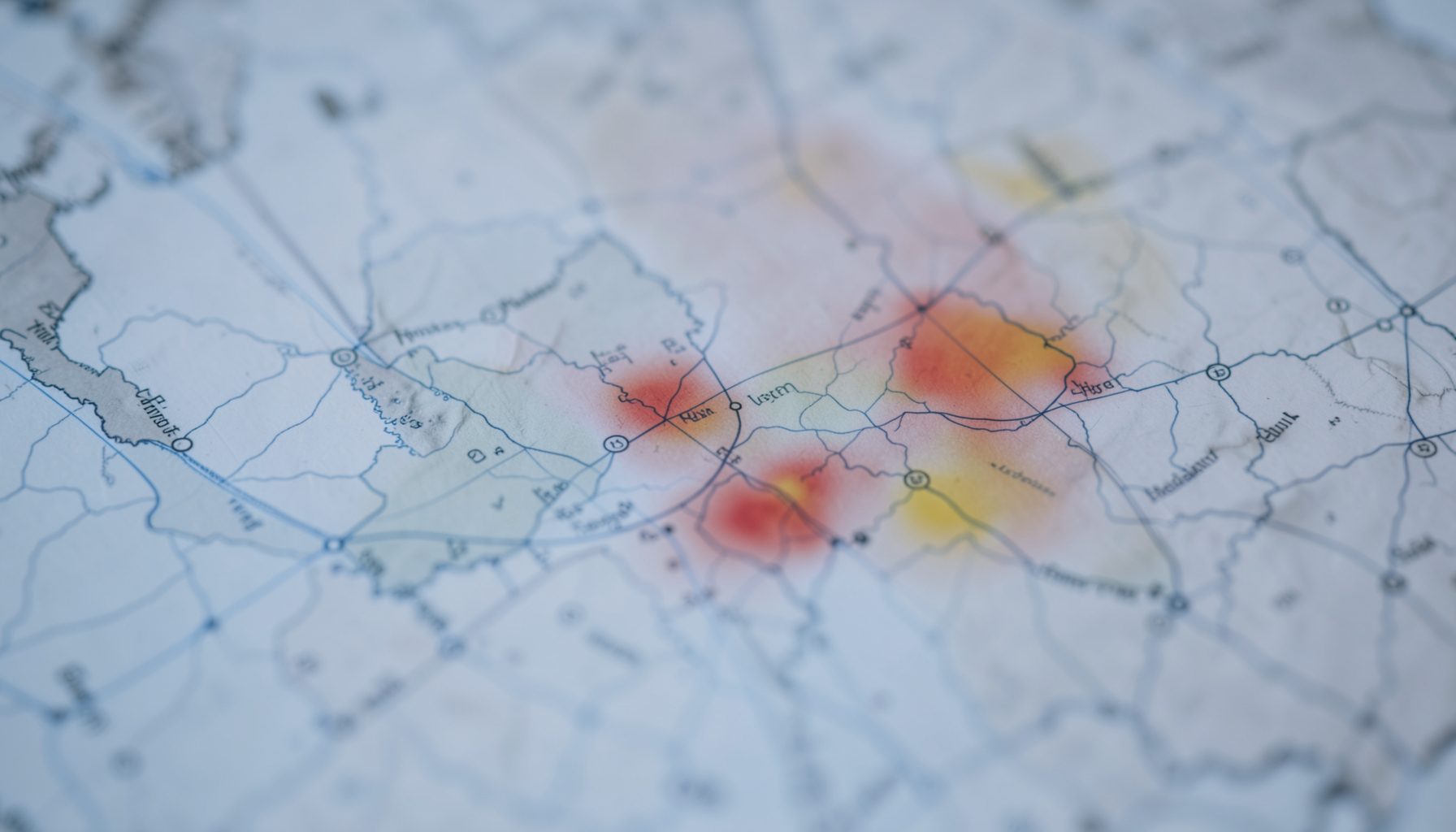
Outbreaks of gastroenteritis are often short. The interval between exposure and symptoms can be hours or days, and incubation periods differ between organisms and foods. A foodborne outbreak may also involve a widely distributed ingredient, such as produce or a sauce used by several businesses, so cases may appear across suburbs rather than in one obvious neighbourhood. Mapping presentations by residence, postcode and onset date can expose that scattered pattern and help investigators ask the right questions about shared venues, suppliers and products.
For Australian public health teams, emergency department data are most useful as a trigger for investigation, not a verdict. Symptoms overlap with viral gastroenteritis, medication effects, alcohol-related illness and many non-food infections. Reviewing clinical details and speaking with patients can distinguish likely foodborne cases from background illness. The operational goal is speed: identify a credible rise, act on it promptly, and scale back once a fuller picture shows that no cluster exists.
Turning symptom records into useful signals
A useful workflow begins with extracting chief complaints, triage categories and discharge diagnoses from coded and free-text information. A syndromic algorithm groups relevant symptoms, such as vomiting, diarrhoea, abdominal pain and dehydration, while excluding presentations that clearly point elsewhere. Analysts compare current counts with expected levels for the same time of day, day of week and season. This prevents a busy Saturday night or a surge unrelated to food from being mistaken for a new outbreak.
The strongest signal is usually sustained, geographically concentrated and supported by a plausible exposure. A sudden rise in vomiting among older adults at one aged-care facility, for example, deserves investigation even if the total emergency department count is modest. Conversely, a small increase across the whole city may reflect a reporting change, a new service or widespread viral illness. Statistical thresholds should support professional judgement rather than replace it, and every signal needs clinical and epidemiological review.
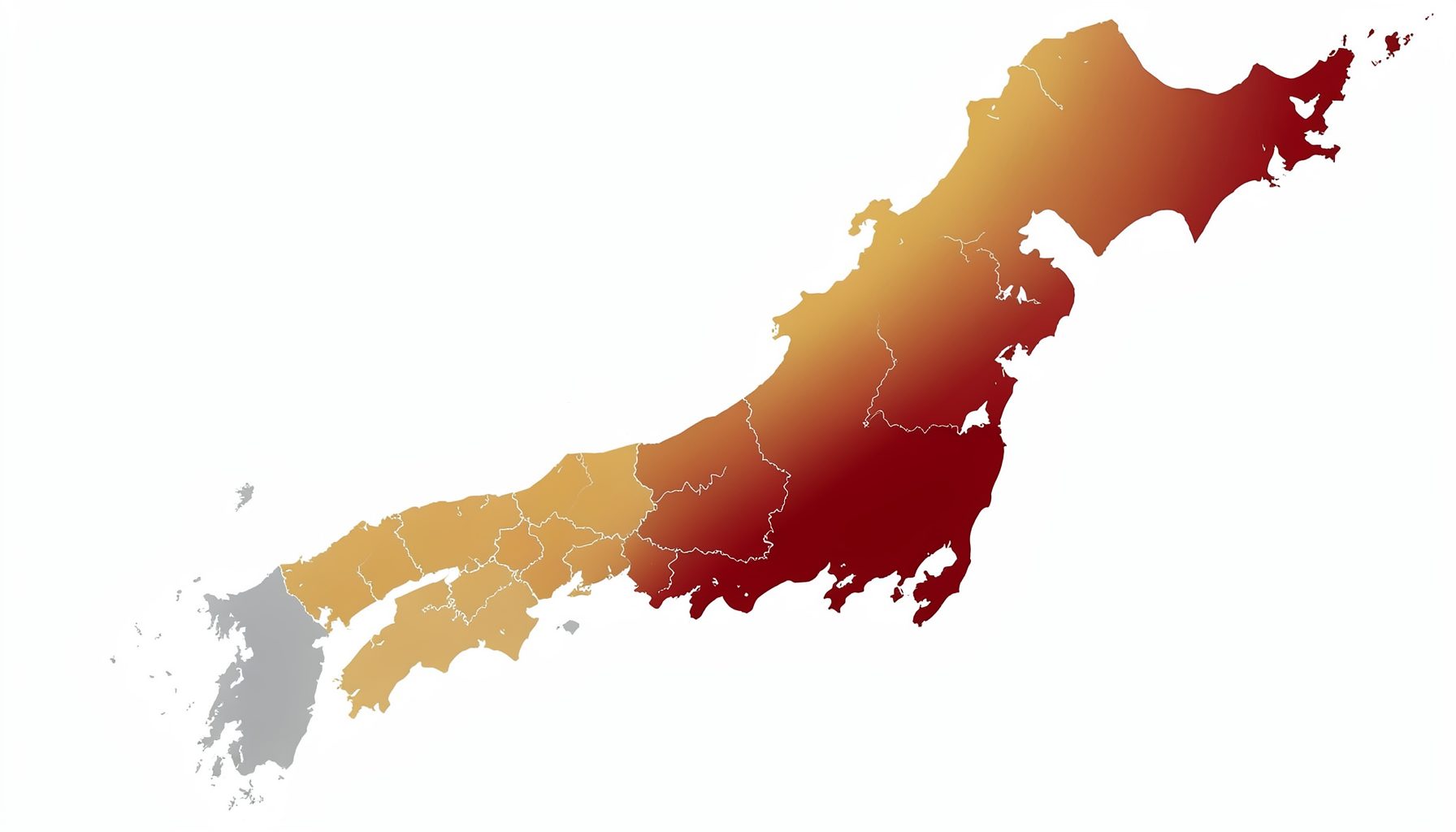
Japan's experience shows the value of connecting local surveillance with a response network. The example of shared syndromic data illustrates how municipalities can pool information, compare signals and direct investigation toward affected communities. Australia can adapt that lesson through existing state and territory public health arrangements: an alert from one region should prompt a cross-border check when the same product may have reached another jurisdiction.
What Australian surveillance already offers
Australia's existing surveillance provides essential confirmation and context. OzFoodNet coordinates investigation of nationally notifiable foodborne diseases through contributing laboratories and public health authorities. Notifications, interviews, food histories and environmental sampling can link cases to a product or preparation method. A rise in emergency department attendances can prompt earlier case finding, while the national system continues to test hypotheses and track confirmed outbreaks. The two processes are complementary: symptoms offer lead time, and microbiological and investigative evidence establishes cause.
Legislation and established notification pathways shape how that follow-up occurs. New South Wales uses its Public Health Act 2012 to support investigation and control of notifiable conditions, with responsibilities shared by public health units, clinicians and other agencies. Local councils inspect food premises and can act on evidence about a contaminated product. Similar pathways operate across states and territories, although reporting arrangements and lists of notifiable diseases vary. These arrangements provide lawful routes for information sharing and intervention.
Everyday exposure patterns make timely local checks especially important. Markets, supermarkets, bakeries, sushi suppliers, catering businesses and home-prepared food can all enter the food supply chain, and people often combine meals from several sources. A cluster may cross council boundaries when food is sold through a chain or delivered to workplaces. Healthdirect's nurse advice line is another point where community illness may be recognised before a laboratory diagnosis. Using these channels together can shorten the distance between a first symptom and a useful public health response.
Broadening the picture beyond emergency departments
Emergency department trends become more specific when other channels supply corroboration. School absenteeism can show a concentrated rise after children share a food at lunch, while staff absences may point to an outbreak in an aged-care setting. Pharmacy data can provide a community-level proxy for illness because people may purchase oral rehydration products, anti-diarrhoeal medicines or anti-nausea medicines without attending a general practice. Comparable pharmacy reports show how dispensing and stock information can support early outbreak detection when access and reporting are reliable.
Australia can draw on several linked sources: ambulance dispatch records, telehealth consultations, general practice presentations, hospital admissions, laboratory testing and selected pharmacy reporting. No single source is complete. A child represented by a school absence, a parent represented by an emergency department visit and a carer represented by a medicine purchase may belong to the same household cluster. Joining these signals, within appropriate privacy safeguards, creates a more coherent picture than reviewing each channel in isolation.
Access to information varies between jurisdictions and providers, so surveillance plans need clear agreements about timing, coding and minimum necessary data. Personal identifiers should be held securely and used only for authorised public health purposes. For schools and aged-care facilities, reporting should follow established health-protection channels rather than circulate staff or family details. The practical objective is not to create a permanent searchable record of everyday illness. It is to provide the right teams with a timely, proportionate signal that improves response.
Interpreting signals without overstating them
Even a well-constructed signal has limits. Emergency department attendance depends on access to care, transport, opening hours, public health messaging and people's willingness to seek help. A change in emergency department capacity can shift where and when patients present, while a public warning about vomiting can alter care-seeking behaviour. Analysts need denominators, historical baselines and information about service changes. It is also important to avoid repeatedly examining small groups whose random variation produces misleading alarms.
A foodborne pattern is more convincing when symptom timing fits a plausible exposure, cases share a product or venue, and comparison areas do not show the same increase. Environmental and clinical sampling should be planned according to the suspected agent and the stage of the investigation. Public messaging should state what is known without naming an unverified food business or product. Clear advice about hydration, medical care and reporting can be useful while cause remains uncertain; messages that cause panic or unsupported product recalls can do harm.
Enhanced monitoring is sensible during periods of unusually large gatherings, including major sporting events, festivals, school holidays and increased travel. International events in Japan have prompted closer observation across multiple surveillance channels, with the aim of detecting and containing threats quickly. Australian teams can apply the same principle around large events and other busy periods, concentrating staff on timely review of syndrome data, laboratory capacity and intersectoral coordination. Preparation before an event is more valuable than trying to reconstruct missed signals afterwards.
Moving from detection to coordinated action
A workable response combines syndromic detection with routine investigation. When emergency department data identify a possible cluster, the response team should review recent cases, seek common exposures, arrange clinically indicated stool or other specimens, and notify the relevant public health authority. Local environmental health officers can inspect implicated premises and trace distribution, while laboratories prioritise testing and report confirmed pathogens. Investigators should document the signal, actions and outcomes so that later teams can refine thresholds and response arrangements.
Communication should be coordinated from the outset. A health department can brief general practices, pharmacies, schools, aged-care providers and ambulance services, giving each a consistent explanation of the symptoms, case definition and reporting route. Advice should explain when medical care is needed, how to report illness and whether people in high-risk settings require additional testing. If a specific product is implicated, authorities can issue targeted recall and preparation advice, supported by evidence rather than assumption.
The priority is a routine pathway that connects emergency department alerts with public health action, pharmacy indicators, school and aged-care reporting, and laboratory confirmation. Health authorities should agree who reviews the data, when an alert is made, how information is protected and how response effort is stood down. Act on the first credible signal, verify it quickly and coordinate the response through the relevant public health authority.