




Pharmacy Sales as an Early Signal of Diarrhoeal Disease
When people develop diarrhoea or vomiting, many seek immediate relief from a pharmacy rather than booking a general practitioner appointment. Oral rehydration salts, electrolyte drinks and related products are readily available, often purchased before anyone receives a diagnosis. A sudden rise in these sales can therefore provide an early indication that gastrointestinal illness is spreading through a community.
Monitoring pharmacy purchases is a form of syndromic surveillance: it tracks behaviour and symptoms before laboratory confirmation is available. Used carefully, pharmacy data can help Australian public-health teams detect diarrhoeal disease clusters, investigate possible food or water exposures, and direct advice to affected communities earlier than traditional reporting systems alone.
Why Pharmacy Signals Matter
Laboratory notifications are essential for identifying pathogens, but they can arrive after a person has visited a clinic, submitted a specimen and waited for testing. Pharmacy data may move faster. A rise in demand for oral rehydration products can appear within hours or days of a local exposure, especially when several households experience similar symptoms.
The signal is indirect. Rehydration salts may be bought for gastroenteritis, heat stress, exercise, travel, infant care or advice from a pharmacist. Sales can also increase after media coverage or a public-health campaign. For that reason, the value lies in a change from an established baseline rather than in a single high-sales day.
A useful surveillance programme compares current purchases with normal demand by product, suburb, store type and day of the week. It can then examine whether the increase coincides with emergency-department visits for vomiting and diarrhoea, school absenteeism, ambulance activity or laboratory reports. This multi-channel approach resembles the way jaundice ED monitoring uses a non-specific symptom to identify possible disease activity before confirmation.
What the Signal Can Reveal
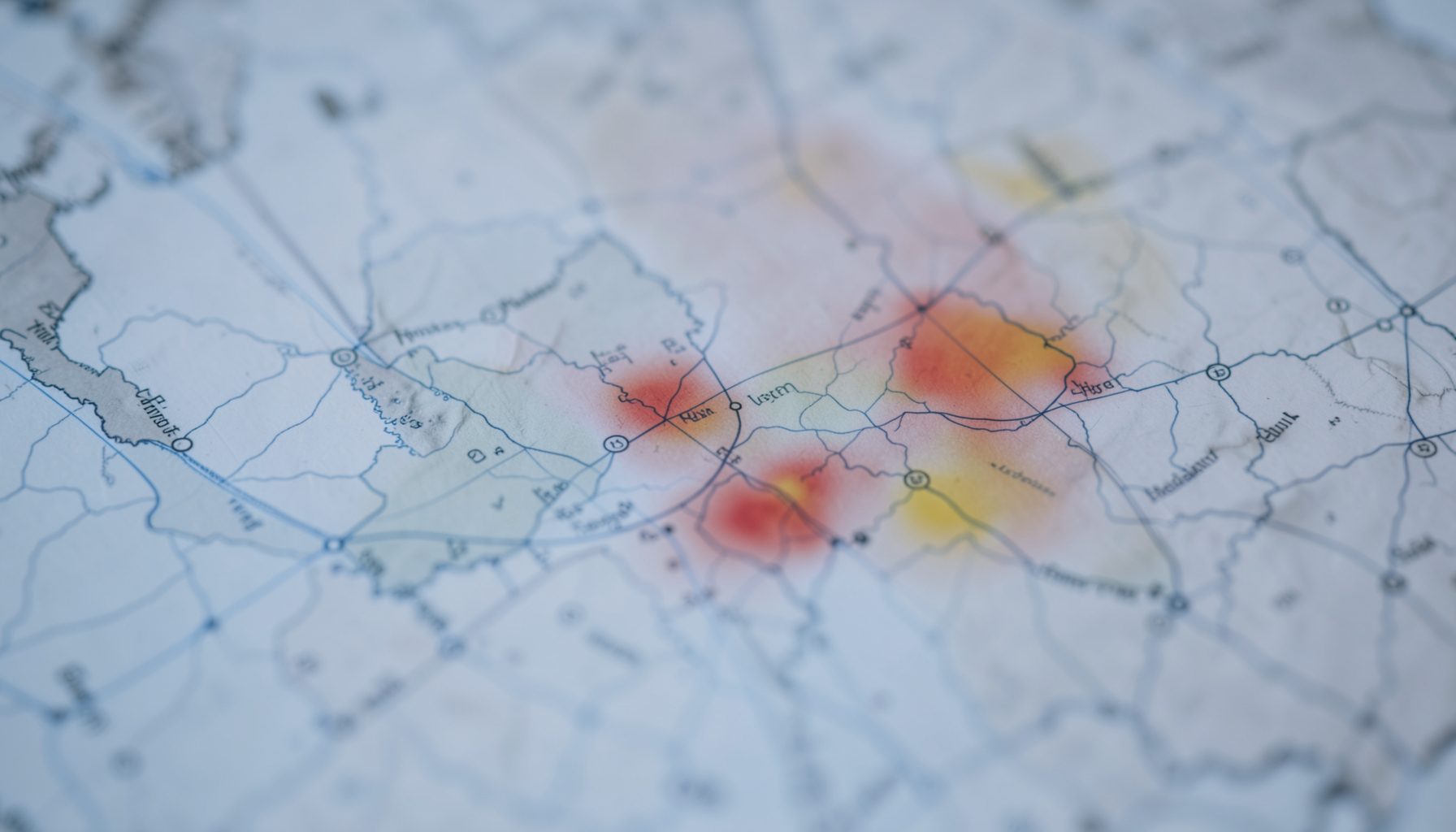
The clearest value is speed. If pharmacies in several nearby suburbs report an unusual increase in oral rehydration salt purchases, public-health officers can review other indicators while diagnostic results are still emerging. A geographically concentrated rise may point towards a local event, such as a contaminated food outlet, a childcare exposure or a problem affecting a small water network.
The timing and scale of the increase also provide useful clues. A sharp, short-lived peak may fit a common exposure at a festival, school event or workplace kitchen. A gradual rise across multiple postcodes may suggest ongoing person-to-person transmission. Repeated weekend peaks could reflect household shopping patterns rather than a new outbreak, so the analysis needs to account for retail routines.
Product-level detail can strengthen interpretation. Sachets of oral rehydration salts, paediatric electrolyte products and anti-diarrhoeal medicines may show different patterns. A rise in child-focused products could align with school absenteeism or childcare reports, while increased purchases of adult rehydration products might accompany a heatwave. No product category can identify a pathogen by itself, but the pattern can help prioritise investigation.
Building An Australian Data Stream
Australia’s pharmacy market is varied. Large chains in Sydney, Melbourne, Brisbane and Perth use sophisticated point-of-sale systems, while independent pharmacies may serve regional towns, outer suburbs and remote communities with different ordering and reporting arrangements. A national system would need a common data format that can accept both automated feeds and regular summary reports.
The most useful dataset would contain an aggregated count of relevant products, sales date, store postcode, broad product category and, where feasible, age band or paediatric classification. It should exclude names, addresses, loyalty-card identifiers and other information that could identify customers. A baseline should account for public holidays, school holidays, weekends, seasonal heat and local events.
Australian everyday habits can affect the data. Families may buy oral rehydration products during summer heat in western Sydney or Adelaide, while travellers may purchase them before camping trips or flights from Melbourne. In remote areas, residents might make a larger planned purchase because the nearest pharmacy is far away. These factors should be modelled rather than treated as evidence of infection.
Privacy and governance need to be addressed at the start. Aggregated reporting can reduce risk, while data-sharing arrangements should align with the Privacy Act 1988, applicable state or territory health legislation and the policies of participating pharmacy organisations. The Therapeutic Goods Administration framework also matters because products may be marketed and classified differently. Public-health teams should define which products count as rehydration-related and document how changes in packaging or product availability are handled.
Interpreting Peaks With Other Channels
A pharmacy alert becomes more credible when independent sources move in the same direction. Emergency-department syndromes for acute gastroenteritis, calls to health advice lines, general-practice presentations, school absenteeism and aged-care facility reports can help distinguish a genuine cluster from a retail anomaly. Laboratory testing then supports case definition and identifies the causative organism where possible.
Event context is particularly important in Australia. A temporary increase after a large sporting fixture, music festival or international gathering may require rapid review of food vendors, sanitation facilities and water access. Resources on event surveillance illustrate how enhanced monitoring can be used when many people are concentrated in one location.
Statistical monitoring can use a rolling baseline, seasonal adjustment and an alert threshold based on historical variation. Analysts might flag a store or postcode when sales exceed the expected level for several consecutive days, then escalate when neighbouring areas show similar changes. Small stores may have volatile numbers, so percentage increases should be considered alongside absolute counts.
False alarms are a normal part of early-warning surveillance. A promotion, supply interruption, product recall, heatwave or news report can alter purchases without any increase in illness. Analysts should record these explanations and assess whether the signal persists across products and data sources. The objective is to trigger proportionate investigation, not to announce an outbreak whenever sales rise.
From Detection to Public Health Action
Once a credible signal appears, the first step is verification. A public-health unit can contact participating pharmacies, check stock movements and ask whether staff are hearing reports of vomiting or diarrhoea. It can compare the affected postcodes with school, childcare, hospital and aged-care information, while reviewing recent food businesses, community gatherings and water-quality notifications.
The response should match the strength of the evidence. Early actions may include advising pharmacists on referral and infection-control messages, reminding residents about hand hygiene and safe food preparation, and encouraging people with severe dehydration symptoms to seek medical care. Communication should avoid naming a suspected venue or pathogen before evidence supports that claim.
Ambulance data may add information about severity rather than case numbers. A rise in calls for dehydration, collapse or related symptoms can indicate that illness is becoming more serious, while changes in dispatch or transport patterns may show pressure on the health system. Research on ambulance response times demonstrates why emergency-service indicators can complement community-level signals.
Investigators should define an endpoint in advance. The alert can be closed when pharmacy sales return to the expected range, other indicators decline and no new exposure is found. If the signal continues, teams may need targeted sampling, food-premises inspections, water testing or a formal outbreak investigation. Recording each alert, response and outcome will improve future detection.
Practical Recommendations for Reliable Monitoring
Pharmacy surveillance works best when it is treated as one component of a broader early-warning system. The following practices can improve its reliability and usefulness:
- Establish a product list covering oral rehydration salts, electrolyte solutions and relevant paediatric formulations.
- Create separate baselines for metropolitan, regional and remote pharmacies.
- Adjust for heatwaves, holidays, promotions, school terms, stock shortages and major events.
- Use postcode-level aggregates instead of customer-level purchase histories wherever possible.
- Link pharmacy alerts with emergency, school, aged-care, ambulance and laboratory indicators.
- Set clear escalation thresholds and assign responsibility for reviewing alerts.
- Evaluate every alert for sensitivity, false positives, response time and public-health value.
Data quality should be monitored as closely as disease activity. A sudden drop in sales may indicate a reporting failure, a stock shortage or a change in a chain’s data feed. Pharmacy staff need simple reporting procedures, and analysts need automated checks for missing stores, duplicate records and unexpected changes in product codes.
Participation also depends on practical value for pharmacies. Reports should be concise and provide useful feedback, such as local trends, public-health guidance or notice of an active investigation. Agreements should explain how data will be protected, how long it will be retained and when a pharmacy may be contacted during an alert.
A pilot could begin in one metropolitan area and one regional or remote area, allowing analysts to test different retail conditions. Melbourne and Brisbane might provide dense, high-volume data, while a northern Queensland or Western Australian pilot could show how seasonality, distance and smaller stores affect interpretation. Results can guide expansion without assuming that one model fits every community.
Making the Signal Useful Over Time
The long-term value of pharmacy sales monitoring depends on linking detection to measurable outcomes. Teams should record how quickly an alert was identified, how long verification took, whether laboratory or clinical indicators agreed, and whether the response changed the course of the event. These measures show whether the system is improving situational awareness rather than simply generating more notifications.
Regular review can also reveal changes in consumer behaviour. Some people may shift from sachets to ready-to-drink electrolyte products, purchase from supermarkets or use telehealth advice before visiting a pharmacy. Product definitions and data partnerships should therefore be revisited as the market changes. A stable surveillance method needs flexible interpretation.
Training is another essential element. Pharmacists, public-health analysts, emergency clinicians and local government officers should understand what a sales signal can and cannot show. Shared terminology prevents an alert from being mistaken for a confirmed outbreak and helps different agencies act from the same evidence.
With appropriate safeguards, pharmacy sales can provide a rapid, low-burden view of community illness. It can help Australia’s public-health network see emerging diarrhoeal disease activity earlier, especially when combined with clinical, school, aged-care, ambulance and laboratory information.
Public-health agencies, pharmacy groups and data specialists should begin by selecting a small pilot region, agreeing on privacy protections and testing an alert against historical sales patterns. Building that partnership now can turn routine purchases of rehydration products into timely intelligence for faster, better-targeted outbreak response.