





Abstract blurred pattern of data points and network nodes in deep red and dark gray tones, conveying public health monitoring

Infectious Disease Early Warning

An early detection system for infectious diseases, integrating data from outpatient clinics, hospitals, ambulance transport, pharmacies, schools, nursery schools, and elderly care facilities across Japan.

Explore the System
Abstract circular icon representing public health, white cross on deep red background
Multi-Channel Data

Eight surveillance channels including outpatient, inpatient, ambulance, OTC pharmacy, nursery school, school absenteeism, elderly facilities, and laboratory testing.

A minimalist public health emblem in deep crimson and white, suggesting vigilance and early detection
Early Detection

Syndromic surveillance identifies unusual patterns before laboratory confirmation, enabling faster public health responses to emerging outbreaks.

A clean, minimalist emblem in white on a deep red background, suggesting a stylized radar pulse or concentric signal waves
Event Monitoring

Enhanced surveillance was conducted at major mass gatherings including the Hokkaido Toyako Summit 2008, APEC Yokohama 2010, and COP10 Nagoya 2010.

How Syndromic Surveillance Works

Syndromic surveillance monitors health-related data in near real-time to detect signals of infectious disease outbreaks before conventional diagnosis-based systems. By tracking symptoms and proxy indicators — such as school absenteeism, pharmacy dispensing, and ambulance transports — public health authorities can identify anomalies and respond earlier.

Soft-focus overhead view of a map with muted blue and gray tones, overlaid with subtle red and amber heatmap patches

Surveillance Channels

Syndromic surveillance in Japan draws on a broad range of data sources, each contributing a distinct signal for outbreak detection. These channels collectively provide a comprehensive picture of community health status, from clinical settings to everyday community indicators.

  • Outpatient (外来) — clinic visit symptom data
  • Inpatient (入院) — hospital admission surveillance
  • Ambulance Transport (救急車搬送) — emergency call patterns
  • OTC Pharmacy (OTC) — over-the-counter medication sales
  • Nursery School (保育園) — preschool absenteeism tracking
  • School Absenteeism (学校欠席) — nationwide school-based system
  • Elderly Facilities (高齢者施設) — care-home health monitoring
  • Laboratory Testing (検査) — test-ordering pattern analysis
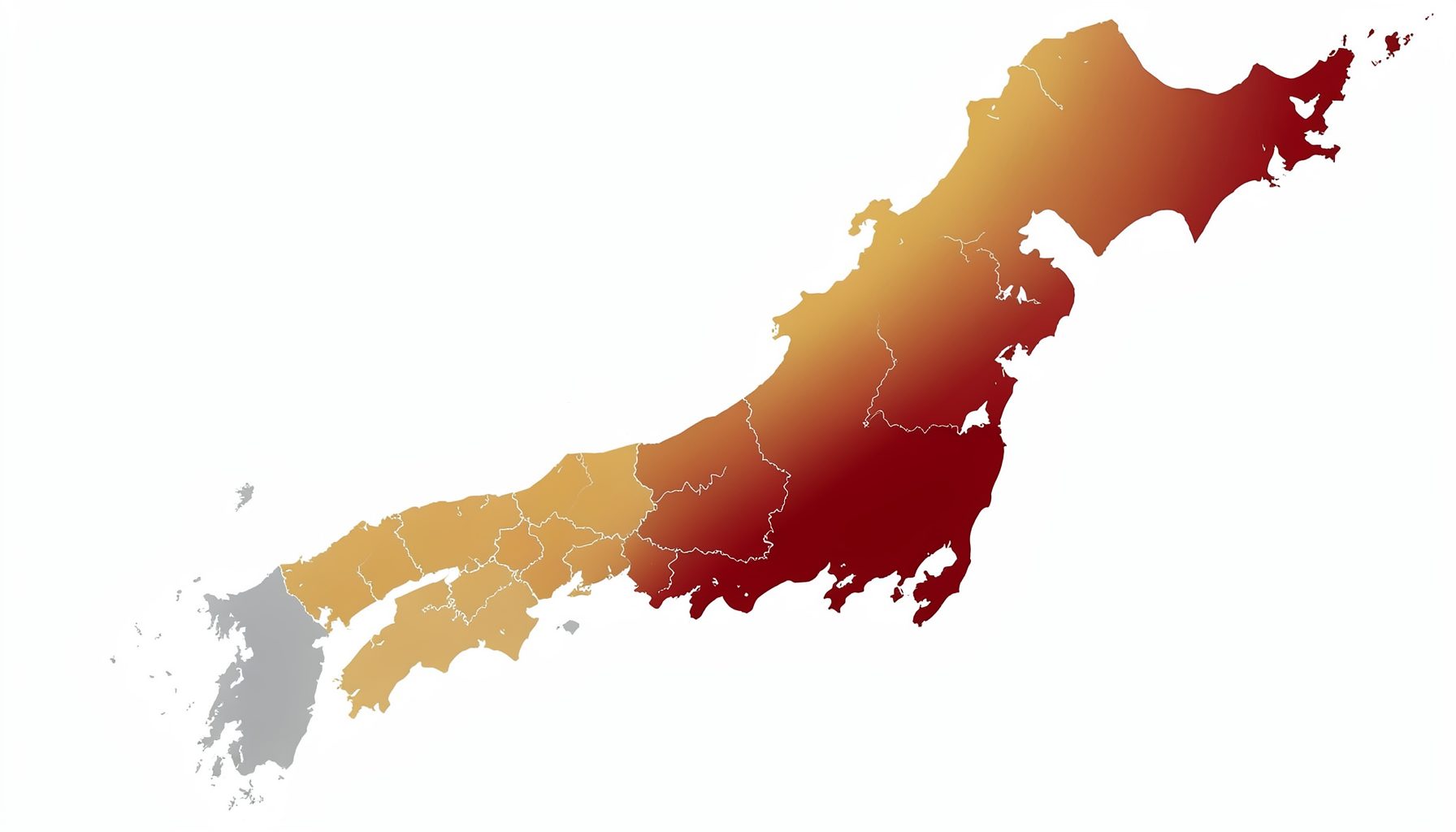
Abstract map of Japan divided into prefectural regions, shaded in a gradient from pale gray through amber to deep red, indicating surveillance coverage intensity
School Absenteeism System

As of January 2016, approximately 23,618 schools across 25 prefectures, 6 designated cities, and 2 special wards — covering about 53% of elementary, junior high, and high schools nationwide.

Close-up of data charts and graphs on a desk, warm amber and deep navy tones
Pharmacy Surveillance

Daily influenza estimates derived from anti-influenza drug dispensing data across 10,064 participating pharmacies, with prefecture-level and designated-city breakdowns from the 2009/2010 through 2014/2015 seasons.

Blog

  1. Detecting Snakebite Envenomation Through Antivenom OrdersAustralia sits at the crossroads of biodiversity and medical urgency when it comes to venomous snakes. From the red-soil cattle stations of the Kimberley to…
  2. Detecting measles in transplant clinics with fever and pneumoniaMeasles is often recognised through a familiar sequence of fever, cough, coryza, conjunctivitis and a spreading rash, but that pattern is not dependable in…
  3. Wildfire smoke and emergency department surveillanceWildfire smoke can change demand for urgent care before the exposure is fully characterised. Monitoring wildfire smoke impact using emergency department…
  4. Reading School Absenteeism to Tell Norovirus and Influenza ApartSchools function as sensitive barometers of community well-being. When children begin staying home, whether because of vomiting or fever, the ripple can…
  5. Regional Scorpion Sting Surveillance Through Emergency Pain Medication PatternsSyndromic surveillance relies on tracking clinical patterns before laboratory confirmation turns a suspicion into a confirmed diagnosis. Pain medication…
  6. Detecting Zika Through Pregnancy and Syndromic SurveillanceZika virus infection is often mild or unnoticed, yet infection during pregnancy can affect fetal development and lead to congenital Zika syndrome. This makes…
  7. Tracking norovirus in schools through custodial cleaning dataSchools have long served as informal barometers for community health. When children cluster together in classrooms, canteens, and corridors, infectious agents…
  8. Antifungal Cream Sales as an Early Signal for Athlete's Foot in Shared SpacesAthlete's foot, known clinically as tinea pedis, is one of the most persistent and quietly transmitted skin conditions in Australia. The warm coastal climate…
  9. Detecting Trench Mouth Early Through Sore Gum ReportsSyndromic surveillance can identify a cluster of illness before clinicians have laboratory results or a confirmed diagnosis. In a recruit training environment,…
  10. Detecting Road Injury Clusters Around Major IntersectionsRoad traffic injuries often appear first as small, disconnected signals: an ambulance sent to a familiar junction, a run of calls involving cyclists, or…

Technical Support

For inquiries about the syndromic surveillance systems, including the school absenteeism information collection system and pharmacy surveillance:

Contact: Yasushi Ohkusa, Senior Researcher

Institution: Infectious Disease Epidemiology Center, National Institute of Infectious Diseases

FAX: 03-5285-1129

Email: ohkusa@nih.go.jp

All inquiries accepted by FAX or email only. For school absenteeism system login issues, please contact your municipal board of education or childcare division.