




Abstract blurred pattern of data points and network nodes in deep red and dark gray tones, conveying public health monitoring

Infectious Disease Early Warning

An early detection system for infectious diseases, integrating data from outpatient clinics, hospitals, ambulance transport, pharmacies, schools, nursery schools, and elderly care facilities across Japan.

Explore the System
Abstract circular icon representing public health, white cross on deep red background
Multi-Channel Data

Eight surveillance channels including outpatient, inpatient, ambulance, OTC pharmacy, nursery school, school absenteeism, elderly facilities, and laboratory testing.

A minimalist public health emblem in deep crimson and white, suggesting vigilance and early detection
Early Detection

Syndromic surveillance identifies unusual patterns before laboratory confirmation, enabling faster public health responses to emerging outbreaks.

A clean, minimalist emblem in white on a deep red background, suggesting a stylized radar pulse or concentric signal waves
Event Monitoring

Enhanced surveillance was conducted at major mass gatherings including the Hokkaido Toyako Summit 2008, APEC Yokohama 2010, and COP10 Nagoya 2010.

How Syndromic Surveillance Works

Syndromic surveillance monitors health-related data in near real-time to detect signals of infectious disease outbreaks before conventional diagnosis-based systems. By tracking symptoms and proxy indicators — such as school absenteeism, pharmacy dispensing, and ambulance transports — public health authorities can identify anomalies and respond earlier.

Soft-focus overhead view of a map with muted blue and gray tones, overlaid with subtle red and amber heatmap patches

Surveillance Channels

Syndromic surveillance in Japan draws on a broad range of data sources, each contributing a distinct signal for outbreak detection. These channels collectively provide a comprehensive picture of community health status, from clinical settings to everyday community indicators.

  • Outpatient (外来) — clinic visit symptom data
  • Inpatient (入院) — hospital admission surveillance
  • Ambulance Transport (救急車搬送) — emergency call patterns
  • OTC Pharmacy (OTC) — over-the-counter medication sales
  • Nursery School (保育園) — preschool absenteeism tracking
  • School Absenteeism (学校欠席) — nationwide school-based system
  • Elderly Facilities (高齢者施設) — care-home health monitoring
  • Laboratory Testing (検査) — test-ordering pattern analysis
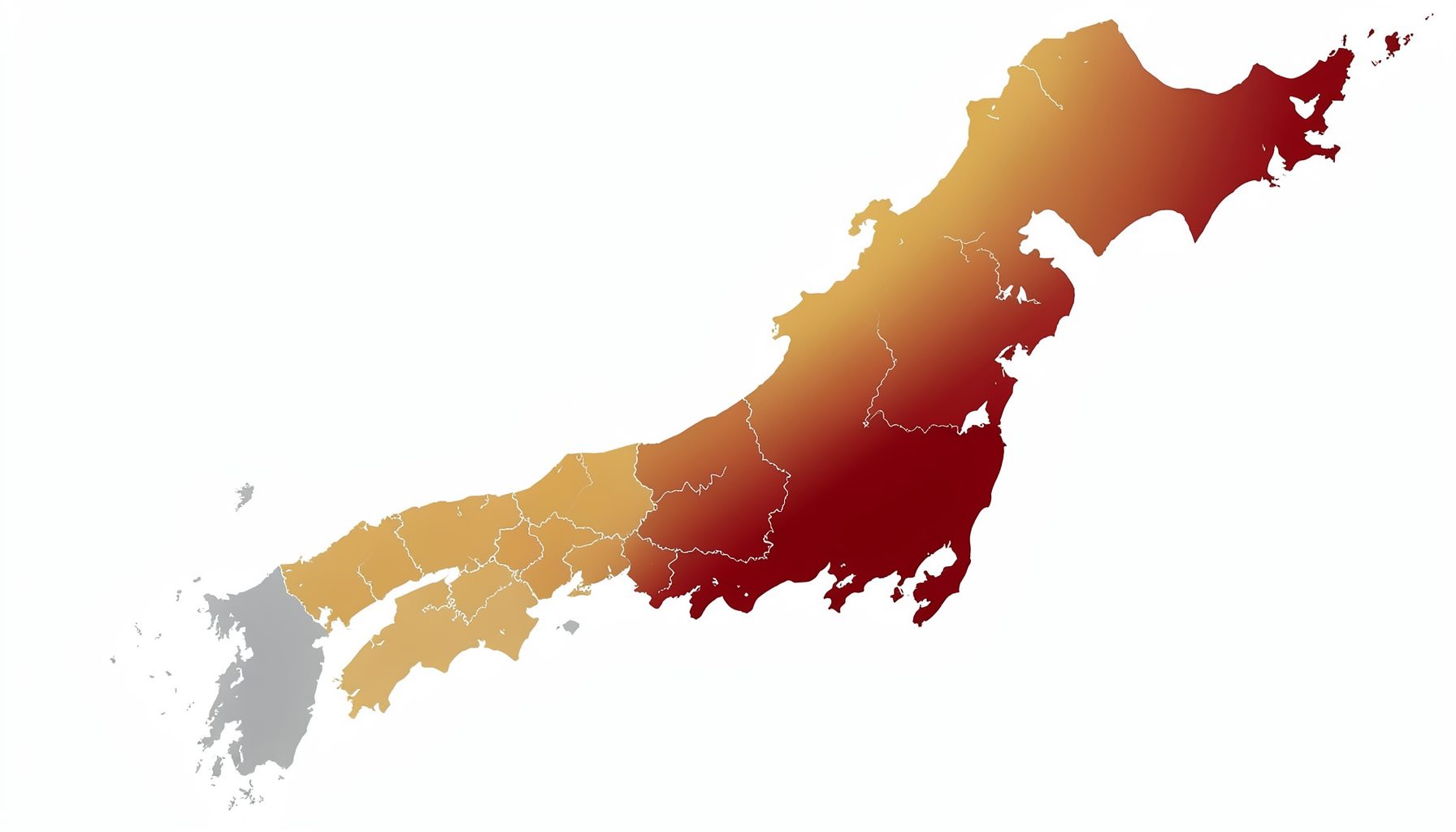
Abstract map of Japan divided into prefectural regions, shaded in a gradient from pale gray through amber to deep red, indicating surveillance coverage intensity
School Absenteeism System

As of January 2016, approximately 23,618 schools across 25 prefectures, 6 designated cities, and 2 special wards — covering about 53% of elementary, junior high, and high schools nationwide.

Close-up of data charts and graphs on a desk, warm amber and deep navy tones
Pharmacy Surveillance

Daily influenza estimates derived from anti-influenza drug dispensing data across 10,064 participating pharmacies, with prefecture-level and designated-city breakdowns from the 2009/2010 through 2014/2015 seasons.

Blog

  1. Syndromic surveillance for streptococcal pharyngitis in paediatric urgent careA sore throat is a familiar presentation in Australian children, particularly during the cooler months when respiratory infections circulate through schools,…
  2. Using ambulance signals to spot pollen-related allergy clustersPollen season can create a rapid increase in breathing difficulty, wheezing, facial swelling and other allergic reactions. In Australia, these events may…
  3. Detecting mumps outbreaks through parotitis-related emergency department visitsMumps can spread quietly before a cluster is confirmed by laboratory testing. People may present with swelling around the jaw, facial pain, fever, headache or…
  4. Tracking hand injuries after Australian disastersNatural disasters leave a recognisable injury pattern before official statistics are assembled. During a flood, cyclone, bushfire or severe storm, people cut…
  5. Using pharmacy sales to spot influenza B waves earlierInfluenza surveillance usually depends on people seeking care, clinicians recognising compatible symptoms, and laboratories confirming the virus. Those steps…
  6. Blackjack verdubbelen with a data-informed casino choiceBlackjack is often presented as a game of instinct, but disciplined play depends on knowing when a larger wager is mathematically justified. The option to…
  7. How syndromic data informs school closure decisionsInfluenza season creates a difficult timing problem for schools and health authorities. Laboratory confirmation can establish which virus is circulating, yet…
  8. Monitoring Dengue Fever Signals Through Travel Clinic VisitsMonitoring dengue fever signals through travel clinic visit patterns can give public-health teams an early view of changing infection risk. People often seek…
  9. Turning paediatric emergency data into earlier RSV warningsRespiratory syncytial virus (RSV) is a familiar cause of cough, wheeze and bronchiolitis in young children, yet its public-health impact can change quickly…
  10. Detecting Norovirus Outbreaks Through Primary School AbsencesNorovirus can move quickly through a primary school community. A child may become unwell during the night, miss school the next morning and recover before a…

Technical Support

For inquiries about the syndromic surveillance systems, including the school absenteeism information collection system and pharmacy surveillance:

Contact: Yasushi Ohkusa, Senior Researcher

Institution: Infectious Disease Epidemiology Center, National Institute of Infectious Diseases

FAX: 03-5285-1129

Email: ohkusa@nih.go.jp

All inquiries accepted by FAX or email only. For school absenteeism system login issues, please contact your municipal board of education or childcare division.