





Antifungal Cream Sales as an Early Signal for Athlete's Foot in Shared Spaces
Athlete's foot, known clinically as tinea pedis, is one of the most persistent and quietly transmitted skin conditions in Australia. The warm coastal climate in places like Sydney, Brisbane and the Gold Coast creates conditions where the dermatophyte fungi thrive on damp surfaces, and the national enthusiasm for swimming, surf lifesaving, and indoor sport keeps feet exposed to communal floors. Across suburban Melbourne and Adelaide, multi-storey apartment complexes with shared laundries and gym rooms add another layer of exposure. When these environmental and behavioural factors align, even a small uptick in cases can ripple through a community far faster than any laboratory report will confirm.
Tracking those ripples is exactly where pharmacy sales data for topical antifungals quietly earns its place in syndromic surveillance. Antifungal creams, sprays and powders sit at the front of the consumer healthcare shelf in every Chemist Warehouse, TerryWhite Chemmart and Priceline outlet, and Australians have a long habit of self-treating a flaky sole or an itchy toe before they ever book a GP appointment. That pattern of self-medication turns every pharmacy transaction into a low-resolution signal about what is happening on the ground in pools, change rooms and aged-care shower blocks, weeks before a cluster is formally investigated.
Why pharmacy sales reflect community tinea burden
Topical antifungal sales act as a behavioural thermometer for tinea pedis. The shopper who buys terbinafine cream or clotrimazole solution is usually responding to recognisable symptoms - macerated skin between the toes, a scaly rim on the sole, or an itch that wakes them at night - and they are usually doing it without a prescription. Because the Therapeutic Goods Administration classifies most of these products as pharmacist-medicine or general-sale items, they live outside the Pharmaceutical Benefits Scheme and are paid for out of pocket, which means each purchase is an unobstructed signal in national retail data.
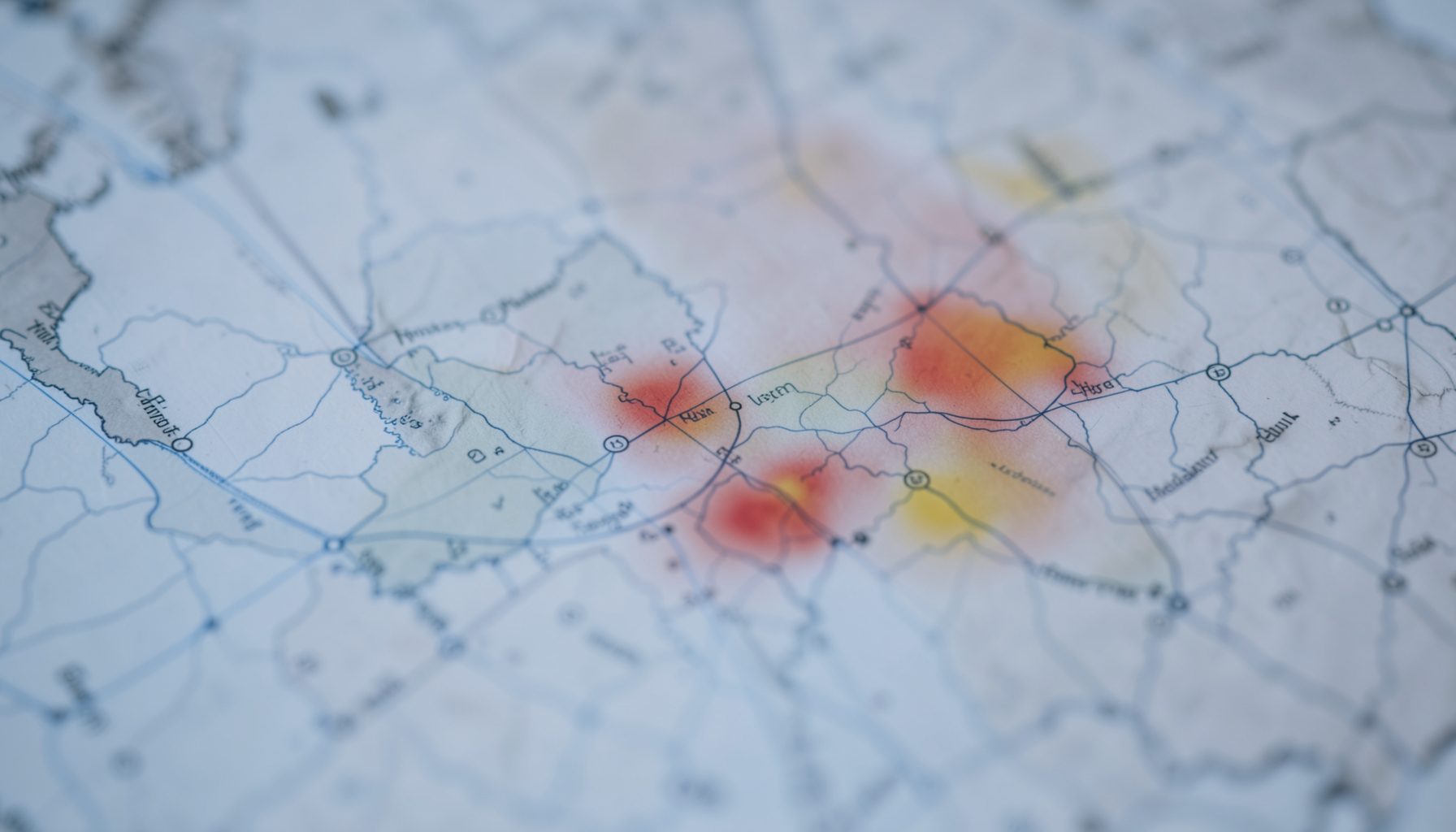
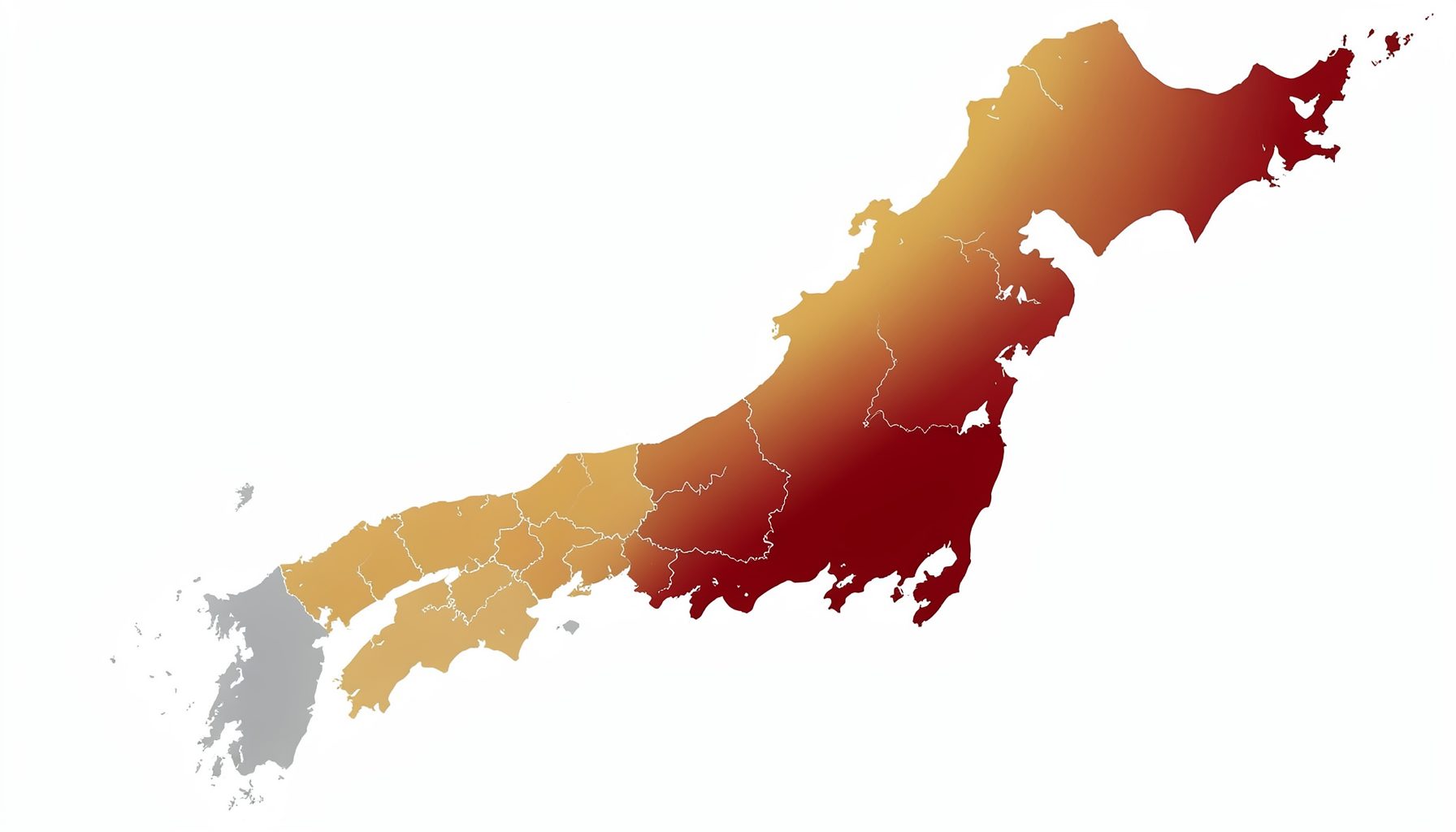
The volume of those purchases is meaningful because tinea pedis is rarely notifiable. Public health units in Victoria, Western Australia and Queensland do not routinely count every case that walks into a clinic, and many cases never reach a clinician at all. What the surveillance system can count is the cream in the basket, aggregated across postcode regions and weekly intervals. A 15 to 20 percent lift in antifungal sales inside a defined catchment, sustained across two reporting periods, is often the first indication that something environmental has shifted, whether that is a flooded community centre, a reopening public pool, or a new term at an indoor sports hall.
Shared facilities as transmission hotspots across Australian settings
Not all communal spaces carry the same risk, and the ones that matter for athlete's foot are defined less by foot traffic than by moisture. Swimming centres from the Sydney Olympic Park Aquatic Centre to small suburban learn-to-swim schools have warm, humid change rooms where dermatophytes linger on tiles and in puddled drains. Indoor sports venues, particularly those hosting basketball, futsal and gymnastics in Adelaide and Perth, layer bare-foot activity on top of that moisture. So do shared shower blocks at caravan parks and camping reserves along the Murray, in Tasmania's national parks and at coastal holiday parks around Coffs Harbour.
Institutional settings deserve a closer look too. Australian Defence Force recruit training, mining-site wet mess areas in the Pilbara, and remote aged-care facilities in outback Queensland have all hosted documented tinea outbreaks in recent years. Universities with large residential colleges in Melbourne and Brisbane create their own petri dishes every residential period, especially when residents share bathroom facilities. Even high-density apartment towers with shared gyms in inner Sydney can sustain transmission through steam rooms and pool decks that residents use without ever leaving the building.
The pattern that ties these settings together is closed, humid and bare-foot. A pharmacy signal that points to one of these hotspots - say, a sudden climb in sales inside the postcodes that feed a particular swim school - is far more actionable than a generic statewide increase.
Reading the signal from pharmacy counters
Translating raw sales into a useful surveillance indicator requires several design choices. Point-of-sale data needs to be normalised against the underlying demand, which means subtracting the seasonal baseline that already exists for tinea pedis each summer. Australian pharmacy sales of topical antifungals typically rise between November and March, and a signal has to clear that hurdle before it counts as unusual. Once seasonality is removed, week-on-week z-scores are usually calculated at the SA3 or SA4 level, the geographies that align neatly with local public health unit boundaries.
Lag matters as much as geography. A purchase today reflects symptoms that started roughly one to two weeks earlier, because most people wait until the itch or the visible rash becomes troublesome. That lag is fast compared with laboratory-confirmed dermatology diagnoses, which can take three to six weeks to filter up through Medicare billing data, and it is also faster than GP-presented tinea data, which tends to cluster around the time the patient gives up on self-treatment. By the time a dermatologist or pathology lab confirms a strain, the affected facility may already have hosted a swimming carnival or a residential camp.
Combining the pharmacy signal with other indicators sharpens it further. School absenteeism feeds into event surveillance dashboards during large gatherings such as the Pan Pacific Masters Games on the Gold Coast or national school swimming championships in Brisbane, giving public health teams a parallel view of unwell children. Pharmacy data sitting beside those dashboards allows analysts to ask whether a rise in antifungal sales is being accompanied by a rise in related complaints, or whether it stands alone as an isolated environmental signal.
What the signal misses and what it catches
No surveillance stream is complete, and pharmacy sales data has honest blind spots. It cannot tell you which antifungal product is being chosen, whether the buyer has correctly self-diagnosed, or whether the product is being used for a different fungal complaint such as jock itch or ringworm, both of which share shelf space. A spike in sales could reflect a price promotion at a major chain just as easily as an outbreak, which is why promotional calendars and stock-keeping-unit changes need to be tracked alongside the signal. Recreational buyers stocking up before a holiday in Bali, where tinea is common, can also nudge the numbers.
What the signal does catch is reach. Pharmacy sales cover the entire self-treating population, including people who would never feature in a notifiable disease register, people without a regular GP, and people in regional areas where the nearest dermatology clinic is hundreds of kilometres away. For a condition as common and routinely ignored as athlete's foot, that coverage is the entire point. The same principle underpins other community-facing surveillance approaches, such as jaundice tracking among food handlers in school meal programs, where symptoms surface in the workforce before any lab confirmation lands.
Australia's investment in flooded-event surveillance has shown how complementary data streams can compensate for one another. Leptospirosis monitoring after heavy rainfall in the Lismore and Richmond River catchments combines livestock exposure notifications, hospital admissions and GP alerts into a single operational picture. A pharmacy sales stream for antifungals can sit comfortably inside that same architecture whenever a flood event in northern NSW or south-east Queensland washes contaminants into communal spaces and pushes people back into shared emergency accommodation.
Putting the signal to work in facilities and local health teams
For facility operators, the value of an antifungal sales signal is early warning that something at the venue probably needs attention. Aquatic centres can audit their non-slip mat rotation, retest tile scrubbing protocols, and review the placement of footbaths at entry points. Residential colleges can step up cleaning of communal shower drains and offer free antifungal powder at the campus health centre during the first week of each term. Mining site medics in the Pilbara and FIFO operations can pre-stock the medic room when the environmental signal suggests a cluster is forming.
Practical starting points for health protection teams and venue managers include:
- Establish a baseline using three years of weekly antifungal sales at postcode level before declaring any spike unusual.
- Cross-check unusual signals against planned events such as swim carnivals, school camps or large residential intakes before alerting clinicians.
- Pair the pharmacy stream with school absenteeism and aged-care symptom logs to confirm that the trend is tinea rather than broader respiratory illness.
- Brief local pharmacists on a referral pathway so that customers seeking frequent repeat antifungal purchases are offered a GP appointment within the week.
At community level, simple messages resonate. Facilities in northern Tasmania, regional South Australia and the Perth Hills all share the same bare-foot, closed-shower, warm-floor risk profile, and a printed poster by the pool exit prompting visitors to dry between their toes and to treat early costs cents per impression. Pharmacists in regional Queensland and the Kimberley have repeatedly demonstrated that a short conversation at the counter ("are you buying this for the second time?") can catch the cases that would otherwise go unnoticed, and brief training for pharmacists on this conversation style pays dividends through any surveillance system that uses sales data.
If you operate a swim school, a residential college, a local government aquatic centre or a community pharmacy group and want to know how antifungal sales data could be folded into your existing surveillance arrangements, reach out to your state or territory health protection unit. Most jurisdictions are open to data-sharing pilots, particularly for streams that strengthen their response to outbreaks already unfolding in shared spaces. A short conversation now can put a quieter, faster watch on the places where Australians spend the most time with their shoes off.