




Detecting Zika Through Pregnancy and Syndromic Surveillance
Zika virus infection is often mild or unnoticed, yet infection during pregnancy can affect fetal development and lead to congenital Zika syndrome. This makes early recognition important even when a community has few confirmed cases. A surveillance system can bring together clues from clinical presentations, pregnancy care, ultrasound findings and laboratory testing before a complete outbreak picture is available.
Two signals are especially useful when considered together: reports of rash illness and monitoring for abnormal fetal head growth, including microcephaly. Neither signal proves that Zika virus is circulating. Both can, however, help public-health teams identify a pattern that deserves investigation, particularly after travel to an affected region or local mosquito exposure.
Australia needs a practical approach because travel between Australian cities, Pacific nations and South-East Asia is common. Conditions also vary widely, from mosquito-prone areas around Cairns and the Torres Strait to major hospitals in Melbourne or Sydney. Syndromic surveillance helps connect these different settings while protecting patients and avoiding unnecessary alarm.
Why Pregnancy Changes The Surveillance Priority
Zika is mainly spread by infected Aedes mosquitoes, although sexual transmission and transmission from a pregnant person to the fetus are also relevant. Symptoms may include a fine maculopapular rash, fever, red eyes, joint pain and headache. Many infected people have no symptoms, so a system that watches only confirmed notifications will miss part of the transmission picture.
During pregnancy, the key concern is not simply whether the mother feels unwell. The concern is whether infection may affect the fetus, including the developing brain. Congenital Zika syndrome can involve severe microcephaly, brain abnormalities, eye findings, limb problems and impaired growth. A pregnant patient with a mild rash may therefore need a different level of assessment from a non-pregnant adult with the same symptoms.
Australia’s clinicians routinely ask about recent overseas travel, sexual exposure and mosquito bites when assessing a compatible illness. A patient returning from Bali, Fiji, Samoa or another region with current or recent transmission may need advice from a GP, obstetric service or state health department. Travel history should be recorded clearly because it gives meaning to an otherwise non-specific rash.
Reading Microcephaly Signals Carefully
Microcephaly surveillance involves measuring fetal or newborn head circumference and comparing it with gestational age, sex and accepted growth standards. A concerning result may be a measurement below a defined percentile, a marked reduction from expected growth, or a pattern that becomes clearer across repeated scans. In newborns, an unexpectedly small head circumference can trigger a more detailed clinical review.
A single measurement is not a diagnosis of Zika infection. Fetal position, gestational-age errors, measurement technique, family traits and other infections can affect the result. Genetic conditions, placental problems, nutritional issues and exposure to other harmful substances may also contribute to impaired growth. Public-health teams should therefore treat microcephaly as a sentinel finding that prompts investigation, not as a substitute for laboratory confirmation.
A useful surveillance record links the measurement to the pregnancy timeline. It may include the date of possible exposure, onset of rash or fever, ultrasound findings, fetal growth, maternal symptoms and test results. A change in head growth over time can be more informative than an isolated number, especially when clinical teams use consistent protocols.
In Australia, antenatal care may be delivered through a metropolitan hospital, a regional service or a remote clinic with visiting specialists. Reliable referral pathways matter when a scan in Townsville, Darwin or a Torres Strait community raises concern and specialist imaging is needed elsewhere. The system should make it possible to share essential information promptly without requiring families to repeat their story at every service.
Using Rash Alerts As An Early Signal
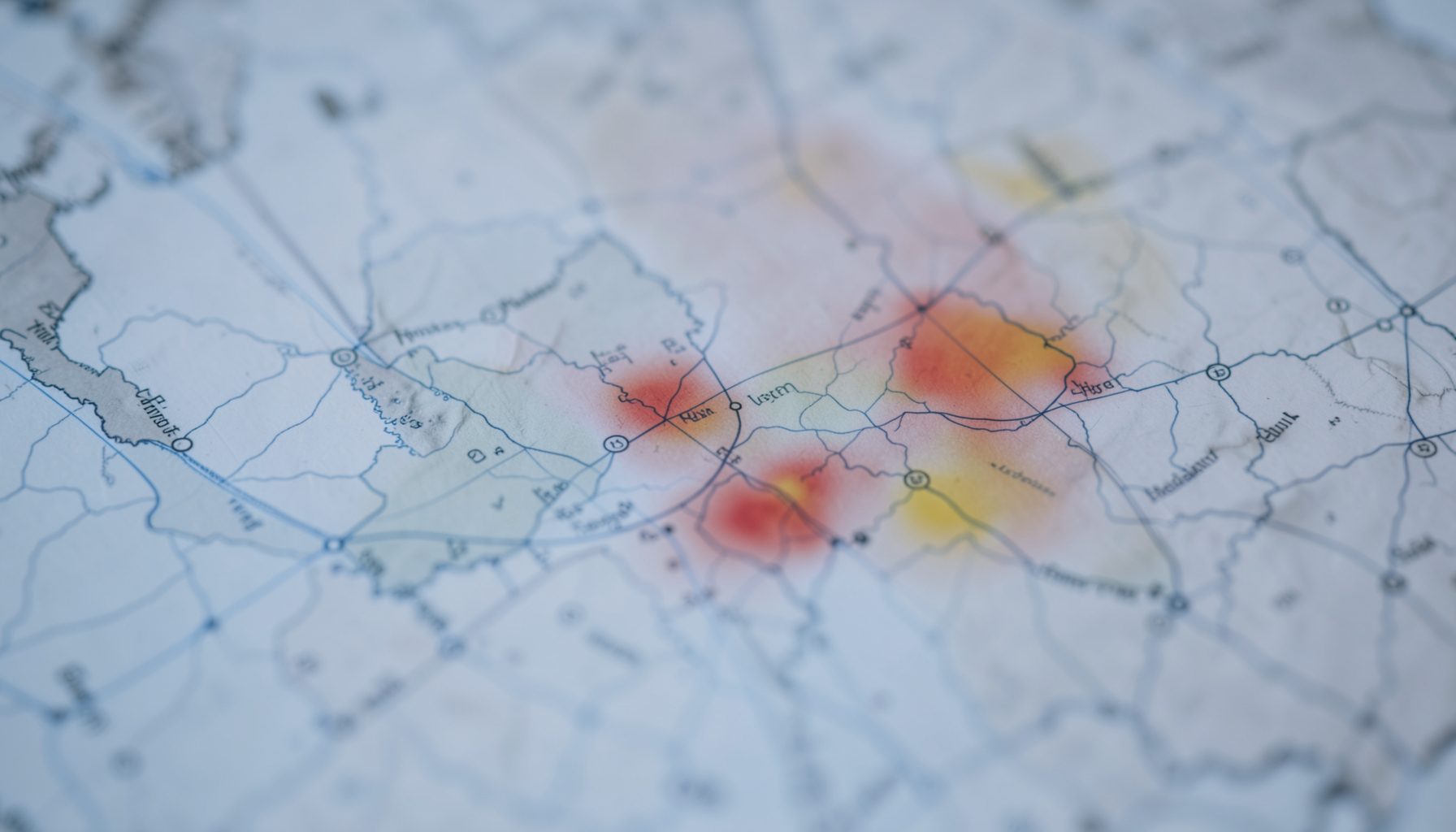
Rash alerts can be generated from general-practice records, emergency departments, telehealth encounters, school or workplace reports, and other sources. A sudden increase in patients presenting with rash plus fever, conjunctivitis or joint pain may indicate an arboviral illness, even before testing is complete. The signal becomes stronger when cases share a location, travel history, time period or mosquito exposure.
Clinical wording must remain broad enough to capture early cases. Zika can resemble dengue, chikungunya, measles, rubella, parvovirus infection, drug reactions and other illnesses. A rash-only alert may therefore create many false positives. Adding age, pregnancy status, recent travel and symptom combinations can improve its value, while retaining a low threshold for expert review.
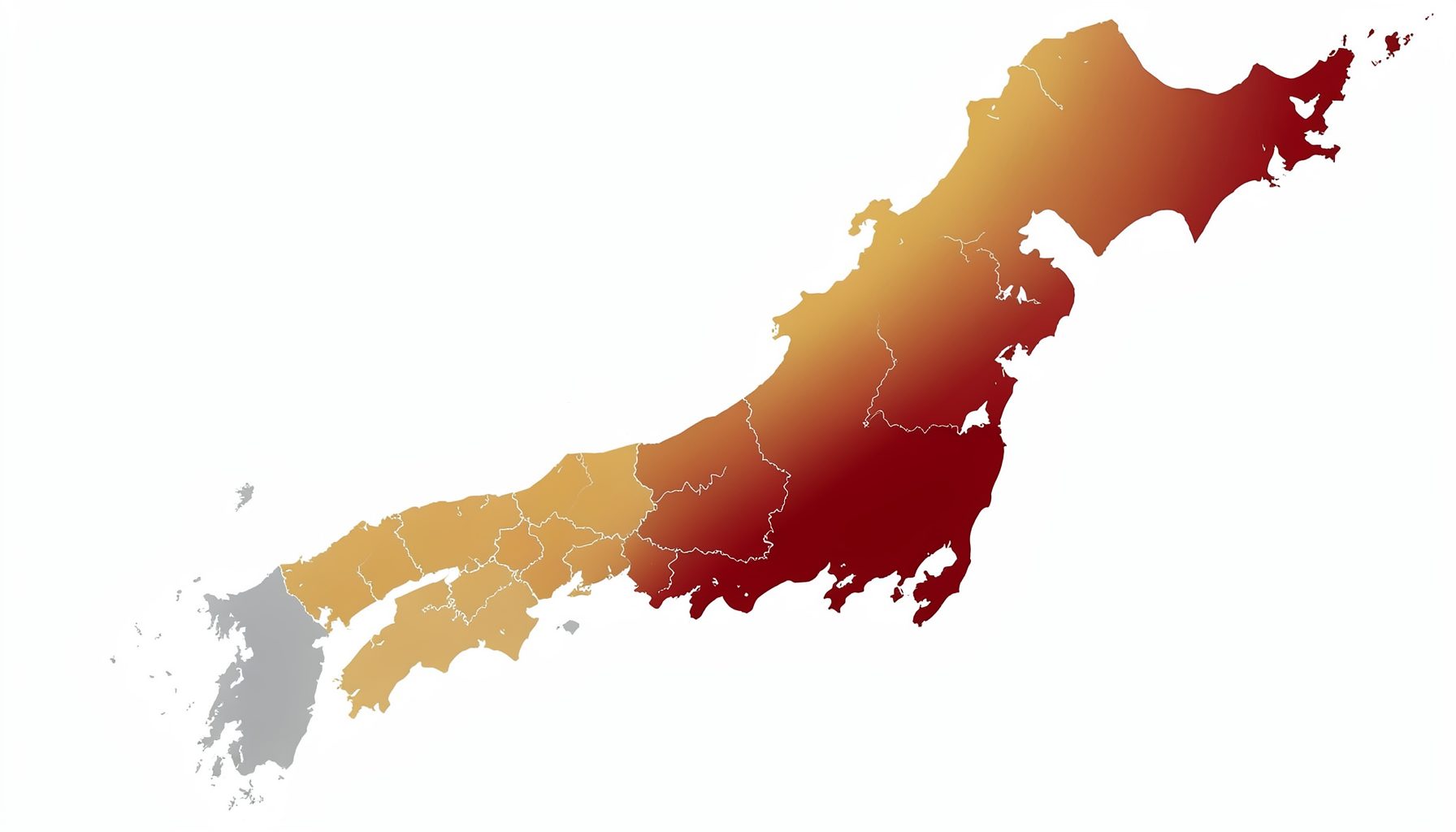
A syndromic system can monitor changes by suburb, local government area or health service catchment without publishing identifiable patient details. In Queensland, for example, a rise in compatible illness after travel or mosquito activity could be compared with local vector-control information. Signals from northern communities should be interpreted with knowledge of seasonal weather, transport patterns and access to care rather than judged against metropolitan baselines alone.
Pharmacies can add another layer because people often seek advice from a chemist before booking a GP appointment. Changes in purchases or consultations for fever, rash, rehydration products or insect repellent may be weak individually but useful when combined with clinical and laboratory information. Guidance on pharmacy reports can help public-health analysts understand how this channel contributes to early detection.
Connecting Pregnancy, Rash And Laboratory Data
The most useful alert is usually a combined signal rather than a single threshold. For example, a cluster of rash-and-fever presentations among recent travellers, alongside an increase in referrals for unusual fetal head measurements, should receive more attention than either trend alone. Data from laboratories can then help determine whether Zika, dengue, chikungunya or another cause is involved.
Laboratory testing may include nucleic acid amplification during an appropriate phase of illness and serology when antibodies are expected. Interpretation can be difficult because flaviviruses may produce cross-reactive antibody results, and the timing of collection affects sensitivity. A positive or equivocal result should be considered with clinical history, travel details and specialist advice.
Pregnancy surveillance also benefits from linking maternal and infant records through a secure process. This allows follow-up of ultrasound findings, birth measurements, neonatal examinations and later developmental assessments. The purpose is to identify needs early and improve epidemiological understanding, not to label a child or expose a family to avoidable attention.
Information exchange should follow the principles of responsible data use, including clear purpose, access controls, data minimisation and careful communication of uncertainty. Public-health value does not justify collecting every available detail. A well-designed system uses the smallest dataset that can support timely action and quality follow-up.
Building An Australian Alert Pathway
A practical pathway begins when a clinician records a compatible rash illness, pregnancy status where relevant, travel or exposure information, and the date symptoms began. The patient receives appropriate clinical advice and testing guidance. The local public-health unit reviews the signal, checks whether related cases exist and decides whether enhanced monitoring is required.
If an ultrasound or newborn examination identifies possible microcephaly, the result should move through the obstetric, paediatric and public-health pathways without delay. A specialist assessment can verify measurements, investigate alternative causes and arrange repeat imaging or newborn testing. Families need plain-language explanations that distinguish a surveillance flag from a confirmed infection.
The pathway should include hospitals, Aboriginal Community Controlled Health Services, general practices, pathology providers and pharmacies. Remote and regional services may face limited internet access, staff turnover or long distances to specialist care. A system that works only in a large Sydney hospital will fail to detect illness in the places where travel-related or mosquito-borne risks may be different.
Australian public-health communication should be direct and calm. Terms such as “rash illness under investigation” are more accurate than announcing a Zika outbreak before evidence supports it. Advice may include using repellent, wearing long sleeves, reducing mosquito breeding sites and following sexual-health guidance after travel. Clear messages help people act without encouraging stigma toward pregnant travellers or communities.
Protecting Signal Quality And Public Trust
Surveillance data are affected by healthcare-seeking behaviour. People in a city with easy access to bulk-billed or after-hours care may be recorded more often than people in a remote area who delay consultation. Pharmacy activity may rise because of an awareness campaign rather than increased disease. These factors must be documented so analysts do not mistake service use for infection incidence.
Quality checks should examine duplicate records, changes in coding practice, reporting delays and missing travel information. Analysts can compare rash alerts with laboratory positivity, mosquito surveillance, hospital admissions and routine notification data. A small cluster that appears across several independent channels deserves more attention than a dramatic rise confined to one altered reporting system.
Privacy is particularly important for pregnancy and newborn data. Small communities can make people identifiable even when names are removed. Reporting should use aggregation, restricted access and carefully chosen geographic detail. Aboriginal data governance principles should be respected when surveillance involves Aboriginal and Torres Strait Islander communities, with appropriate engagement rather than extractive data collection.
Trust also depends on explaining what the system can and cannot do. Syndromic surveillance can identify unusual patterns early, guide testing and support mosquito-control measures. It cannot confirm a diagnosis by itself, predict which fetus will be affected, or replace individual medical care. Clear limits make the system more credible when alerts are shared with clinicians and the public.
Turning An Alert Into A Faster Response
When a credible signal appears, the response may include enhanced case finding, targeted laboratory testing, review of antenatal records and advice to clinicians. Vector-control teams can inspect breeding sites and consider local mosquito-management measures. Health departments may issue travel or sexual-health advice when the evidence indicates a meaningful risk.
Major events can change the picture quickly. International visitors, sporting tournaments and festivals may increase movement between Australia and countries where mosquito-borne viruses circulate. Event-based monitoring can watch emergency presentations, pharmacy consultations and health-line calls while maintaining links to routine surveillance. This is especially useful when a short-lived cluster might otherwise be hidden in normal seasonal variation.
Response teams should track outcomes after an alert. They can record how quickly cases were assessed, how many tests were completed, whether follow-up scans occurred and whether the signal was confirmed or dismissed. Reviewing these steps improves future detection and helps identify gaps between a GP visit, a pathology result and specialist pregnancy care.
For Australian communities, speed must be balanced with proportionality. Most rash illnesses will not be Zika, and most small fetal measurements will have explanations unrelated to the virus. Early-warning surveillance works best when it directs attention to the right cases, supports families respectfully and gives clinicians usable information before an outbreak becomes harder to contain.
Health services, laboratories, pharmacies and public-health units can strengthen this approach by agreeing on alert definitions, referral contacts and secure reporting channels before a suspected case appears. Clinicians should document pregnancy, travel, symptom onset and fetal-growth findings consistently, while families should receive timely advice about testing, follow-up and mosquito protection. Building these connections now gives Australia a better chance of recognising Zika-related risk early and responding with care rather than confusion.