





Detecting measles in transplant clinics with fever and pneumonia
Measles is often recognised through a familiar sequence of fever, cough, coryza, conjunctivitis and a spreading rash, but that pattern is not dependable in people with weakened immune systems. A transplant recipient may have persistent fever, breathlessness or pneumonia without the textbook rash. Treating the episode as an ordinary respiratory infection can delay isolation, testing and a public-health response while exposing staff and other vulnerable patients.
The risk changes after solid-organ or stem-cell transplantation, where medicines that prevent graft rejection or cancer also blunt antiviral immunity. Measles can present atypically, and a negative antibody result does not necessarily exclude infection. Detecting measles in immunocompromised patients requires disciplined use of exposure history, clinical review, respiratory sampling and early notification, especially when prolonged fever and pneumonia appear in a transplant clinic.
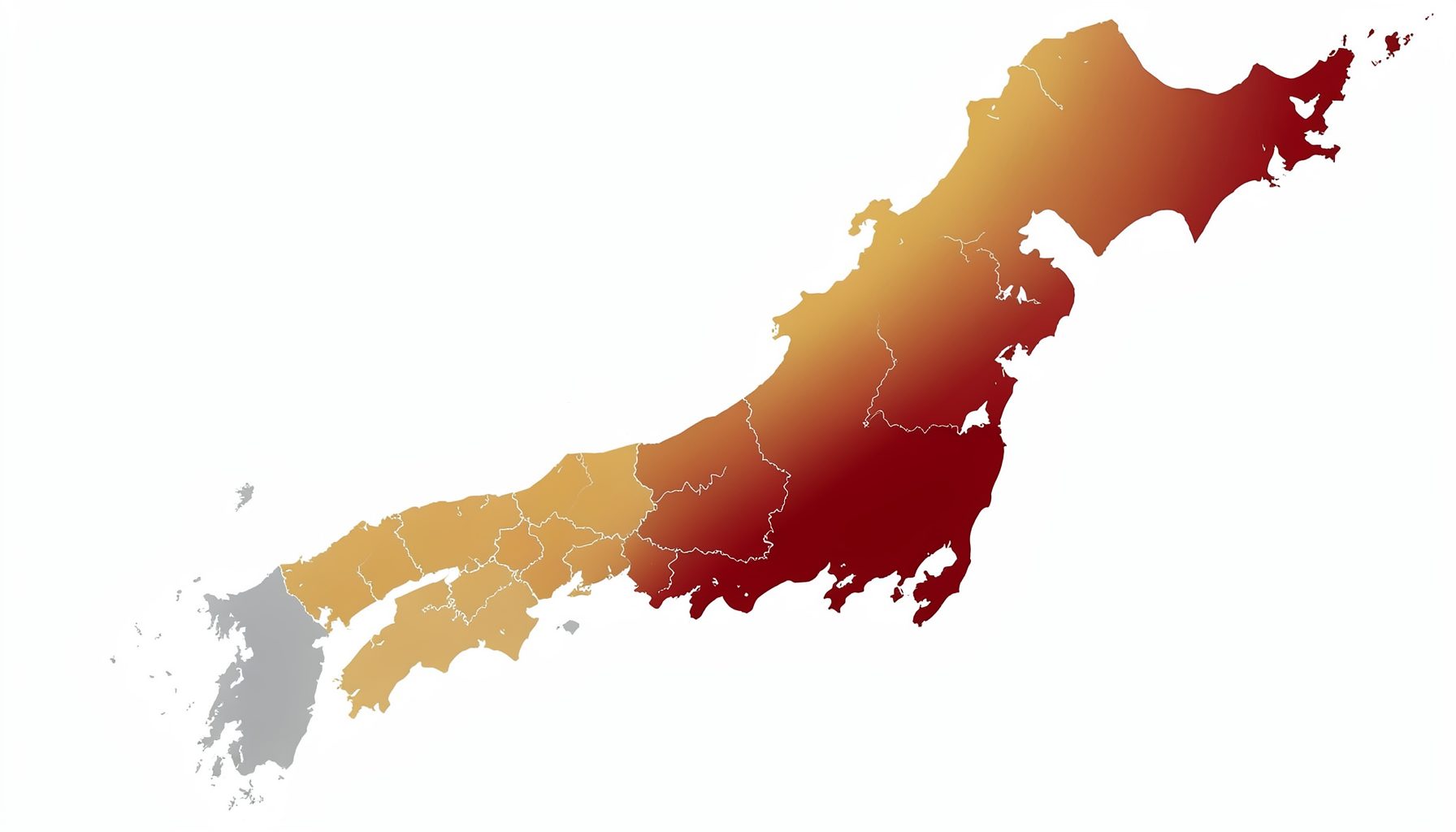
Syndromic surveillance adds a population-level safety net. Instead of waiting for laboratory confirmation of a cluster, teams monitor patterns such as fever presentations, pneumonia diagnoses, ambulance attendances, pharmacy requests, school absenteeism and testing activity. Japan’s multi-channel system shows how these streams can be combined during routine operations and enhanced around major international events, giving epidemiologists an earlier view of possible transmission.
For Australian transplant services, that approach must fit state and territory responsibilities, major tertiary programs in Sydney, Melbourne, Brisbane, Perth and Adelaide, and patients who may travel between regional and metropolitan care. Recent overseas travel, attendance at mass gatherings and contact with someone who has an infectious rash illness should be recorded carefully. The aim is not to label every pneumonia as measles; it is to create a reliable trigger for investigation.
When fever and pneumonia become warning signals
Prolonged fever in a transplant clinic has a broad differential. Bacterial and fungal pneumonia, cytomegalovirus and other opportunistic infections, influenza, COVID-19, aspiration, pulmonary embolism, drug reactions and graft-related complications can all cause fever or new lung infiltrates. Immunosuppression may blunt usual inflammatory signs, so a patient can look less severely ill than the underlying process. A reassuring appearance should not end the assessment.
Measles becomes more plausible when fever persists alongside respiratory deterioration, diarrhoea, conjunctival symptoms, mouth lesions or a rash that is faint, delayed or absent. Ask about exposure during the previous three weeks, including household members, children, healthcare visits and travel. Record the transplant type, immune status, vaccine history and medicines, but do not infer protection from a prior dose without specialist review. A structured fever-and-pneumonia pathway is safer than relying on memory.
Learning from multi-channel surveillance
Japan’s experience shows the value of looking beyond the clinic door. Its system combines information from clinics, hospitals, ambulances, pharmacies, schools, elderly-care facilities and laboratories, with enhanced observation during major international events. A practical explanation of multi-channel outbreak signals shows how these inputs can be read as patterns rather than isolated records. A transplant service can adapt the approach by agreeing definitions, data owners and escalation thresholds with local partners.
For a transplant unit, a rising number of febrile respiratory cases among immunosuppressed patients, simultaneous pneumonia codes across unrelated services, or a cluster of school absences may justify earlier case review. Ambulance data can reveal increased breathing-related calls, while laboratory reports close the loop once testing is underway. Each stream has bias: schools see children, pharmacies see treatment-seeking behaviour, and hospitals see the sickest patients. Compare unusual activity with seasonal baselines and investigate rather than declare an outbreak from one graph.
A focused review for transplant patients
Start with a focused exposure and symptom review, even when the patient is admitted directly to hospital. Ask about recent travel from countries experiencing measles transmission, airport or transit exposure, contact with someone who developed a rash and fever, and attendance at crowded indoor events. In Australia’s large, culturally diverse cities, language needs can affect the completeness of this history. Use a professional interpreter rather than relying on family members, and document the source and timing of every answer.
Examine the mouth, eyes, skin, lymph nodes and respiratory system, and review the chest image and oxygen trend rather than the fever chart alone. A rash may emerge later or be obscured by medication or skin conditions. Diarrhoea, severe headache, confusion or reduced consciousness can signal complications, while pneumonia may dominate the presentation. Define prolonged fever and pneumonia consistently by duration, measured temperature, oxygen saturation, imaging findings and clinical decisions. A trigger can prompt isolation, testing and notification without claiming that measles is the cause.
Testing, isolation and notification
Ask the laboratory for measles RT-PCR on appropriate respiratory specimens, commonly a throat or nasopharyngeal swab, and consider urine or other specimens requested by the local laboratory. Inform the laboratory about the suspected diagnosis and the patient’s immune status so the assay and reporting pathway are appropriate. Chest imaging can help define pneumonia, but it cannot identify measles by itself. Antibody testing can be difficult after transplantation or vaccination; IgM may be absent, and a single negative serology result should not override a compelling exposure history.
Until results are available, manage the patient as potentially infectious through the airborne route. Move the person to an appropriate isolation space, have them wear a well-fitting medical mask when safe, and notify infection prevention before further examinations. Staff entering the room should use the respirator and airborne precautions recommended by local policy, including fit-tested P2/N95 protection where indicated. Do not send a suspected infectious patient into an open transplant waiting area or routine radiology queue without an agreed plan.
Measles is nationally notifiable in Australia, so notification is an urgent coordination step rather than a final administrative task after confirmation. The treating team should contact the relevant state or territory public health unit promptly and share the clinical history, exposure details, vaccination record and specimen information. Public health teams can advise on contact tracing, testing of contacts, exclusion where applicable and messages to other facilities. Coordinate with transplant infectious-disease specialists and the primary laboratory so clinical care and surveillance proceed together.
Connecting schools, pharmacies and community data
School absentee data can provide context when a respiratory illness is spreading beyond a household. The school absentee data resource explains how absence information can be monitored as an early indicator, although a child missing school may have many unrelated causes. Absence should therefore be paired with symptoms, geography, age, vaccination status and laboratory information. It is particularly valuable when a transplant patient has contact with a school-age child or a school community experiencing an unusual rash-and-fever cluster.
Pharmacy signals, ambulance calls and aged-care reports add further perspectives. A rise in requests for antiviral or antipyretic medicines, repeated breathing-related ambulance attendances, or pneumonia-like presentations across several facilities may prompt targeted review. Japan’s enhanced surveillance during major international gatherings shows why temporary increases in attention can matter; Australian services may see similar pressure during large events in Sydney, Melbourne, Brisbane, Perth or Adelaide. Australian community pharmacies and aged-care providers should share information through agreed, secure arrangements, because responsibilities and data systems differ across states and territories.
Turning suspicion into a coordinated response
When measles is suspected, the first actions are containment, notification and specimen collection. Stop non-essential movement through the clinic, arrange appropriate transport and keep vulnerable patients away from the suspected case. Notify the public health authority and infection-control lead early, even if the patient lacks the classic rash. Give clinicians a concise brief covering onset, symptoms, pneumonia findings, recent exposures, transplant history, immune status and vaccination history. This supports rapid contact assessment without exposing more people while the diagnosis remains uncertain.
Public health and the transplant service should agree on contact tracing and post-exposure management. People who are susceptible and eligible may need assessment for MMR vaccination or immune globulin under current Australian guidance and timing. MMR is a live vaccine and generally cannot be given to many severely immunocompromised patients; an exposed recipient needs an individualized discussion with transplant and infectious-disease teams. Decisions about prophylaxis should never be improvised from a single symptom or an untested assumption.
After the immediate response, preserve the evidence. Record the signal in the surveillance system, link laboratory results to the initial presentation, and report whether the case was confirmed, ruled out or remained under investigation. Feed the outcome back to participating clinics, laboratories, schools, pharmacies and ambulance services so an alert does not create anxiety without action. Repeated review also reveals whether the local threshold is sensitive enough to detect a small but serious transmission event.
Make the signal actionable in every transplant clinic
Make a measurable response plan part of routine transplant care before another patient arrives. Agree on the fever-and-pneumonia definition, isolation location, laboratory request, public-health notification route and clinician responsible for follow-up. Add recent travel, rash exposure, vaccination status and immunosuppression to the electronic record, and audit whether every suspected case received the same safety steps. A concise pathway works even when the clinical team is busy or the patient presents at night.
Use the site’s surveillance contact to connect with a surveillance partner, then test the pathway with a tabletop scenario involving a febrile transplant recipient and pneumonia of uncertain cause. Cover airport or school exposure, a missing rash, an inconclusive serology result and a second patient with similar symptoms. Keep the Australian Immunisation Handbook, local public-health numbers and laboratory contacts beside the fever plan. Act on one severe or atypical illness after a credible exposure, or on a small cluster crossing service boundaries, by starting precautions, testing and notification without waiting for laboratory confirmation.