





Tracking Norovirus Readiness Through Antiemetic Pharmacy Sales in Australia
Australia's public-health system is famously federated, with outbreak intelligence shared across state health departments, the Commonwealth Department of Health, Aged Care, the Therapeutic Goods Administration, and dozens of public-health units from Cairns to Hobart. Signals that travel quickly and cheaply earn their keep within that structure. Pharmacy sales of gastrointestinal remedies fit that description well, because the products sit on shelves in almost every suburb and regional town, and because buying them is a clear expression of someone feeling too unwell to wait for a GP.
Norovirus follows its own tempo south of the equator. The main winter wave arrives between June and September, while summer outbreaks linked to cruise ships along the Sydney–Brisbane–Cairns corridor, oyster harvests in Tasmania and South Australia, and big gatherings in Melbourne and Sydney can erupt at any time. Symptoms — sudden vomiting, nausea, watery diarrhoea and stomach cramps — usually push patients to a chemist within hours. The short interval between onset and purchase is what makes till data so attractive as a leading indicator.
Retail data need careful framing, though. Antiemetic sales alone cannot separate a gastroenteritis episode from a pregnant patient, a migraine sufferer, a chemotherapy recipient or someone with food poisoning. The art lies in combining the pharmacy stream with other voices — ambulance dispatch codes, emergency-department triage notes, school absenteeism tallies, sentinel laboratory reports and aged-care outbreak registers. When several of those channels rise together, public-health teams gain a window of days or weeks in which to brief clinicians, tighten food-handling standards and warn vulnerable institutions.
Why pharmacy sales earn a place in surveillance
Syndromic surveillance rests on the premise that a population's health shows up in everyday data long before laboratory results do. A pharmacy transaction captures a real human decision: someone felt unwell enough to walk in and ask for a specific product. Across Australia's roughly 5,800 community pharmacies — including the sprawling footprints of Chemist Warehouse, Priceline and TerryWhite Chemmart — daily point-of-sale events aggregate into hundreds of thousands of anonymised records that can be analysed in near-real time.
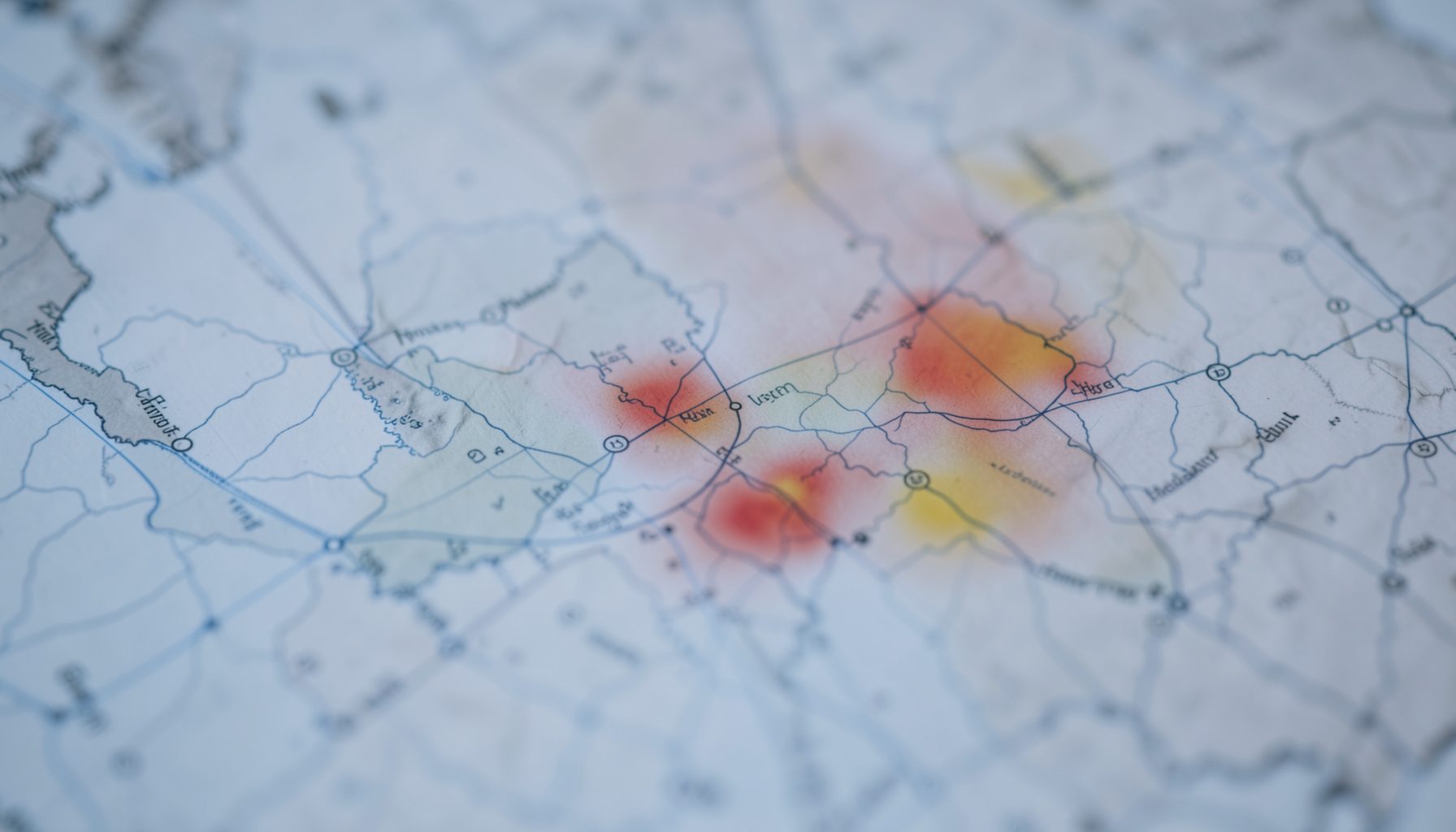
The analytical task is to strip out the predictable noise. Baseline antiemetic sales follow seasonal rhythms, advertising pushes and the discount cycles of large chains. Once those predictable movements are removed, the residual becomes a candidate signal. When weekly aggregated turnover in a postcode cluster climbs two or three standard deviations above the expected level, surveillance teams treat it as a lead worth investigating. State authorities in Victoria and Western Australia have trialled similar residue-based methods for cough-and-cold products, with results suggesting the approach works best when paired with local intelligence.
A bare sales spike does not equal an outbreak. A weekend discount on metoclopramide across greater Sydney can mimic the opening of a genuine cluster. That is why the pharmacy stream is treated as one voice in a chorus, not a soloist. Cross-referencing with ambulance call-outs coded for gastrointestinal symptoms, ED-absent notifications, school absenteeism and aged-care outbreak logs is what turns a curious blip into a credible warning.
The specific value of antiemetic products
Many gastrointestinal remedies could serve as proxy markers: oral rehydration salts, loperamide, electrolyte ice blocks, ginger capsules. Antiemetics stand out because vomiting drives people to act quickly, and because purchases are usually one-off rather than recurrent. A parent whose child suddenly begins retching at 2 am rarely waits until morning; they head to the nearest 24-hour chemist, often before they call a GP.
In Australian practice, metoclopramide (often sold as Maxolon) is the most widely dispensed antiemetic, although the TGA has restricted dose and duration after safety reviews. Prochlorperazine (Stemetil) is commonly supplied behind the counter for motion sickness and migraine-related nausea. Ondansetron (Zofran) is prescription-only but frequently supplied through pharmacist-led arrangements for post-operative and chemotherapy patients. Tracking all three together offers a wider net than any single product line and reduces the risk of misreading a single product's promotional cycle.
Another strength of the antiemetic category is its relative freedom from heavy promotion. There are no sustained television campaigns for prochlorperazine during Australian winters, and few price-led promotions at the major retailers. That steadiness makes the baseline more reliable and the spikes more meaningful. When pharmacy data from the 2023 gastroenteritis events on Western Australian cruise ships were reviewed, antiemetic turnover was the cleanest signal among all gastrointestinal categories.
How norovirus behaves across Australian states and seasons
The seasonal fingerprint of norovirus in Australia is shaped by local patterns of contact and consumption. Winter brings the main wave, when aged-care residents spend more hours indoors and comfort foods shared around kitchen tables multiply exposure events. The back-to-school period in late January and February adds a smaller secondary peak among children, particularly in Victoria, New South Wales, South Australia, Tasmania and the ACT.
Summer carries different risks. The cruise corridor along the east coast is one of the busiest leisure markets in the southern hemisphere, and ships act as efficient amplifiers when a single introduction meets a captive population. The Tasmanian oyster industry — worth close to $90 million a year and centred on sites like Pipe Clay Lagoon, Pitt Water and Spring Bay — has been caught up in shellfish-associated outbreaks during wet summers when runoff reaches harvesting waters. Gatherings such as Sydney's Lunar New Year celebrations in Haymarket, the Melbourne Food and Wine Festival and touring music events create brief but intense amplification windows.
Aged-care outbreaks remain the most consequential presentation in Australia. The national outbreak register operated through the Aged Care Quality and Safety Commission logs dozens of facility-level events each year, many stretching beyond a week because of resident frailty and the difficulty of cohorting staff. Timely pharmacy signals help public-health teams issue early reminders to facilities, reinforce seven-day exclusion rules for food handlers and prepare hospital surge capacity before emergency departments feel the pressure.
From raw transactions to public-health action
Turning a barcode beep into a public-health alert takes several deliberate steps. Pharmacy sales feeds stream from point-of-sale systems into a secure aggregation platform, are stripped of personal identifiers, and are grouped by postcode, age band and product category. Statistical algorithms then compare the most recent week with historical baselines adjusted for day of week, school holidays, public holidays and known promotional activity.
When the residual breaches a threshold, the output flows to public-health teams in the relevant jurisdiction. In New South Wales this reaches Health Protection NSW; in Victoria it lands with the Department of Health's Communicable Disease team; in Western Australia it surfaces at the Communicable Disease Control Directorate; in Queensland it is routed through the Metro North, Metro South or regional public-health units. Those teams weigh the pharmacy alert against emergency-department trends, ambulance dispatch patterns, school absentee tallies, laboratory notifications and aged-care outbreak reports.
The communication products themselves are deliberately layered. A low-tier signal might prompt a quiet reminder to pharmacists in a particular local health district to watch for repeat purchasers. A medium-tier signal might trigger a clinical update to general practices in the affected postcode. A high-tier signal might warrant a state-wide public-health message urging hand hygiene, exclusion of symptomatic food handlers and temporary changes to visitor protocols in residential aged care.
Practical challenges of running a pharmacy-based signal
The idea is appealing, but execution is hard. Pharmacy chains own their data and are under no obligation to share it. Negotiating data-sharing agreements with multiple corporate groups, each with different legal, commercial and IT considerations, takes time and patience. Smaller independent pharmacies, which still serve many rural and remote communities, may not have the digital infrastructure to contribute automated feeds at all.
Privacy is another constraint. Australian privacy law treats de-identified health data with care, and the Office of the Australian Information Commissioner has published clear guidance on truly de-identified data. Aggregation must be done at a level that prevents re-identification, which usually means rolling up to postcode clusters of sufficient size rather than reporting at the suburb level.
Timeliness is the third hurdle. Daily feeds are useful, but real-time feeds are gold. Achieving real-time data from thousands of outlets requires investment in point-of-sale integration, standardised product coding and resilient data pipelines. Until the infrastructure is mature, public-health teams must often rely on data that is one to three days old, which still beats laboratory turnaround times but reduces the lead-time advantage over traditional surveillance channels.
What it means for outbreak response
A working antiemetic sales signal changes how outbreak response unfolds across the country. Aged-care operators in Adelaide, Melbourne, Sydney, Brisbane and Perth gain an extra day or two to reinforce infection control before the first vomiting case walks through their door. Cruise operators departing from Sydney's White Bay or Brisbane's Portside can be briefed before embarkation if a regional signal is rising. Food-standard regulators in Tasmania can time shellfish harvesting warnings more precisely when they know community sales of antiemetics in Hobart and Launceston are climbing.
Clinicians also benefit. General practitioners who subscribe to their local public-health bulletin already receive alerts when influenza-like illness begins to rise; the same channels can now carry antiemetic-trend alerts. Pharmacists, often the first health professional a vomiting patient sees, can offer more targeted advice during a local surge, including reminders about oral rehydration, hand washing and the 48-hour exclusion from work or school after symptoms resolve.
The pharmacy channel gives public-health teams a way to detect outbreaks in populations that rarely show up in conventional surveillance — travellers, shift workers, people without a regular GP, and residents of regions where laboratory testing is slow. That broader coverage is valuable in a federation where geography stretches clinical services thin.
Recommendations for strengthening pharmacy-based readiness
A few practical measures can lift pharmacy-based readiness for the next norovirus season across Australia.
- Build data-sharing agreements with the major pharmacy groups before winter, including Chemist Warehouse, Priceline, TerryWhite Chemmart and a sample of independent operators in regional areas.
- Standardise product coding for antiemetic categories across all participating retailers, so that metoclopramide, prochlorperazine and ondansetron lines can be aggregated cleanly without double counting.
- Set baseline thresholds at the state or territory level rather than the national level, so that regional quirks in prescribing, dispensing and consumer preference do not drown out genuine local outbreaks.
- Run pre-season simulation exercises with state health departments, aged-care peak bodies and the cruise industry to test how quickly an alert can move from a pharmacy till to a public-health message.
- Publish a short, plain-language seasonal briefing for community pharmacists each May and November, summarising what to watch for and how to feed concerns back to local public-health units.
If your team is designing, piloting or expanding a pharmacy-based surveillance stream in Australia, the Syndromic Surveillance contact page describes the data feeds, governance arrangements and analytical methods used across the region and offers a starting point for collaboration.