





Detecting Meningococcal Disease In College Dormitories
A sudden high fever followed by a petechial rash is a serious public-health signal in any residential setting. In a college dormitory, students sleep in shared buildings, use communal kitchens and bathrooms, attend crowded lectures, and often delay medical care because early symptoms resemble influenza, gastroenteritis, or an ordinary viral infection. Meningococcal disease can progress rapidly, so recognising a cluster before laboratory confirmation may help protect other residents.
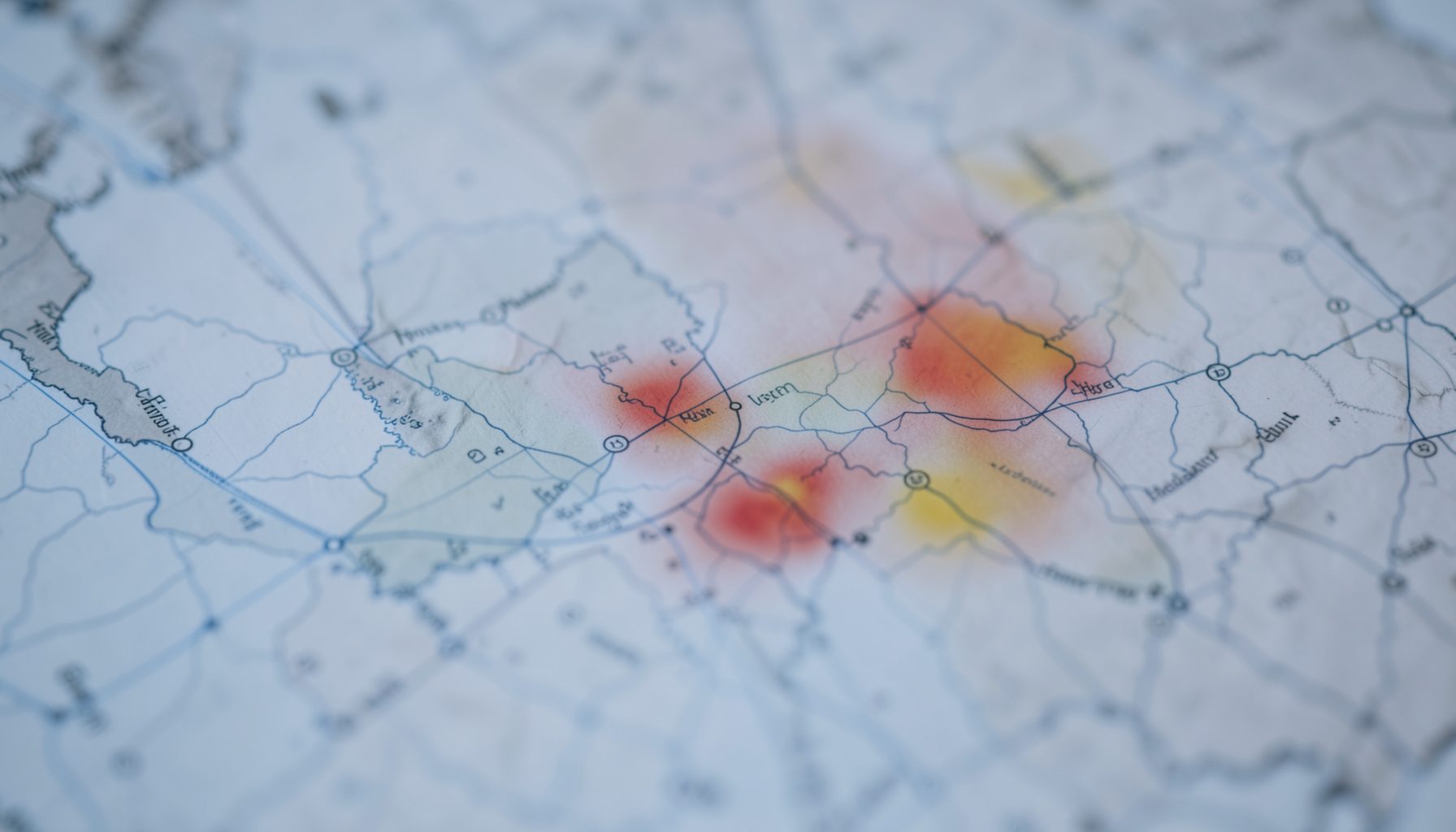
Syndromic surveillance supports this early-warning process by monitoring symptoms, care-seeking behaviour, absenteeism, ambulance activity, pharmacy requests, and other indicators. The syndromic surveillance system described by this website shows how multiple data channels can reveal an unusual pattern while clinicians and laboratories are still investigating individual cases.
Australian campuses face seasonal and operational realities that make this approach valuable. Winter accommodation in Melbourne, Canberra, Hobart, and Sydney can involve closed windows, crowded indoor gatherings, and poor ventilation. Students may share drinks at social events, move between residential colleges and lecture theatres, or use public transport daily. These ordinary habits can increase opportunities for close contact without proving that transmission has occurred.
A campus response also needs to fit Australian healthcare and legal arrangements. Students may call 000 for an emergency, attend a hospital emergency department, contact a general practitioner, or seek advice from a community pharmacy and Healthdirect. Invasive meningococcal disease is nationally notifiable through Australia’s public-health surveillance arrangements, while urgent reporting and contact management are administered by state and territory health departments under local public-health legislation.
Why Dormitory Clusters Need Early Signals
Meningococcal disease is caused by Neisseria meningitidis, a bacterium that can lead to meningitis, bloodstream infection, or both. Early symptoms may include fever, headache, vomiting, muscle aches, weakness, irritability, and sensitivity to light. A petechial or purpuric rash can appear as the illness progresses, but its absence should never be used to rule out a dangerous infection.
The dormitory setting changes the meaning of individual symptoms. One student with fever may have a common respiratory infection. Several unrelated reports of sudden fever, severe headache, collapse, or a non-blanching rash from the same residential building create a different epidemiological picture. Syndromic monitoring is designed to detect that change in pattern rather than wait for every case to receive a confirmed diagnosis.
An early signal does not establish meningococcal transmission. It may reflect influenza, invasive pneumococcal disease, a viral illness, allergic skin changes, or inaccurate symptom descriptions. Its value lies in prompting rapid clinical assessment, verification, infection-control advice, and communication with public-health authorities.
Recognising The Clinical Pattern
A petechial rash consists of small red, purple, or brown spots caused by bleeding under the skin. It may not fade when pressed with a clear glass, although a glass test is not a diagnostic tool and should not delay emergency care. A rapidly spreading rash, bruising-like patches, cold hands and feet, fast breathing, confusion, drowsiness, seizures, or severe limb pain are especially concerning features.
In a college residence, students might describe the first illness through informal channels before seeking care. A resident adviser may hear that someone has “the flu,” a friend may mention purple spots in a group chat, or a pharmacy may receive several requests for fever medication. These reports are incomplete, yet they can help identify a time-and-place cluster that warrants investigation.
Clinical staff should assess the whole presentation, including the speed of deterioration, vital signs, neurological status, rash characteristics, exposure history, and vaccination history. Suspected invasive meningococcal disease requires urgent treatment and specialist management. A student with sudden fever and a concerning rash should not be sent back to a shared room to monitor symptoms without appropriate medical assessment.
Seasonal context can support interpretation without replacing diagnosis. Resources on meningitis seasonality explain how monitoring can distinguish expected seasonal variation from an unusual rise in neurological or febrile presentations.
Turning Campus Data Into Warning
A useful campus surveillance arrangement combines formal and informal sources. Emergency department presentations, ambulance dispatches, general-practice encounters, school or university absenteeism, nurse consultations, and laboratory requests may each provide a partial view. Pharmacy data can indicate increased demand for antipyretics or advice about fever, although such data cannot identify meningococcal infection by themselves.
Universities can establish a secure, predefined process for receiving de-identified or appropriately authorised signals from residential services. The objective is to identify building-level and time-linked patterns, not to create a public list of ill students. A dashboard might track sudden fever, severe headache, vomiting, rash, collapse, hospital transfer, and unexplained absence by residence and date.
The same logic applies to respiratory or other outbreak signals. A discussion of cough-related emergency visits demonstrates how a symptom-based indicator can highlight changing demand before all suspected cases are laboratory confirmed. For meningococcal disease, the indicators should be narrower and escalation thresholds more urgent because the potential consequences of delay are severe.
Data quality depends on consistent definitions. “Fever” should have a practical temperature threshold where measurements are available, while “rash” should be recorded with descriptors such as non-blanching, widespread, rapidly changing, or associated with bruising. Time of symptom onset, residential building, recent close contacts, and the pathway to care can help epidemiologists separate a cluster from unrelated illness.
Practical Signals For Campus Teams
Residential colleges, universities, health services, and local public-health teams can agree in advance on which signals require immediate escalation. The following indicators are useful for rapid review:
Clinical indicators
- Two or more students with sudden fever and a non-blanching or rapidly spreading rash
- Fever accompanied by severe headache, neck stiffness, confusion, collapse, or seizures
- An unexplained cluster of ambulance transfers or emergency presentations from one residence
- A rapidly deteriorating student whose close contacts may need urgent public-health assessment
Operational indicators
- A sharp rise in fever or rash reports from the same dormitory within 24 to 48 hours
- Several residents seeking advice from campus health staff or pharmacies about similar symptoms
- Sudden, unusual absenteeism linked to one residential building, floor, team, or social event
- Repeated reports of illness from students who share a bedroom, kitchen, bathroom, or close social group
These signals should trigger a defined call tree rather than informal speculation. The campus health service can notify the designated university contact, the local public-health unit, and emergency services when required. Staff should record the time, source, and wording of each report, while avoiding diagnostic claims in messages to residents.
Privacy is central to responsible surveillance. Australia’s Privacy Act 1988 applies to many organisations, while universities and public agencies may also operate under state or territory privacy and health-record laws. Information should be limited to what is needed for care and outbreak control, stored securely, and shared with authorised professionals. Public notices should describe symptoms and actions without identifying individual students.
From Alert To Safe Response
The first response to a suspected case is clinical, not administrative. A person with severe or rapidly worsening symptoms needs urgent medical attention; in Australia, 000 is appropriate for an emergency. Residential staff should avoid transporting a critically unwell student in a private car when an ambulance is needed. The student should be kept away from close contact while awaiting professional advice, with practical attention to dignity, warmth, and supervision.
Public-health teams determine whether close contacts need post-exposure prophylaxis. This may include people with direct exposure to oral or respiratory secretions, such as intimate partners, household-style contacts, or those identified through a detailed risk assessment. Casual contact with someone in the same lecture theatre does not automatically carry the same risk. Antibiotics, vaccination, and follow-up should be managed by clinicians and public-health authorities rather than campus staff.
Communication must be prompt, calm, and specific. Residents should know which symptoms require urgent care, where to obtain medical advice, and why they should not share drinks, cigarettes, vapes, utensils, or lip products while an investigation is underway. Messages should discourage rumours and make clear that a suspected case does not mean every fever is meningococcal disease.
Vaccination policy also deserves careful attention. Australia’s National Immunisation Program funds some meningococcal vaccines for particular age groups and risk categories, while state programs and private providers may offer other options. MenACWY and MenB vaccination decisions depend on age, medical risk, exposure, availability, and current clinical guidance. A university should direct students to an Australian immunisation provider rather than presenting vaccination as a substitute for urgent assessment.
A practical surveillance protocol can connect campus life with the wider health system: symptom reports are logged, severe presentations are escalated, relevant data are shared lawfully, and public-health advice is updated as evidence develops. This approach helps distinguish a genuine cluster from background winter illness while preserving the speed needed for a rare but potentially fatal infection.
Campus health leaders should review their fever-and-rash response before the next winter term, train residential advisers to recognise emergency symptoms, and establish contacts with local hospitals, ambulance services, pharmacies, and public-health units. Early reporting, careful data handling, and immediate clinical escalation can turn a faint signal in a crowded dormitory into a faster, safer response.