




Monitoring Syndromic Signals During the Tokyo Marathon
A major road race creates a temporary population with unusual movement patterns, concentrated contact and a high demand for first aid. Tens of thousands of runners travel through Tokyo, while spectators, volunteers, transport workers, vendors and residents share stations, footpaths, toilets and indoor venues. This makes the marathon a useful setting for early-warning surveillance, even when no outbreak has yet been confirmed by a laboratory.
Monitoring mass gathering event syndromic data during the Tokyo marathon means looking for changes in symptoms, healthcare use and attendance before diagnostic results are complete. For Australian public-health professionals, the approach offers a practical comparison with crowd events such as the Sydney New Year’s Eve celebrations, the Australian Open in Melbourne or large music festivals on the Gold Coast. The central question is operational: can surveillance detect an unusual pattern early enough to guide a proportionate response?
Why a marathon needs an early-warning lens
A marathon can produce many legitimate health complaints. Dehydration, heat stress, muscle pain, blisters, asthma symptoms and minor falls may rise sharply on race day without indicating infectious transmission. A simple count of consultations could therefore create false alarms. Syndromic surveillance adds value by examining the type, timing, location and combination of symptoms rather than treating every presentation as evidence of an outbreak.
The event also changes the normal baseline. Clinics along the course may see more short-term illness, ambulance crews may be dispatched to runners who would normally seek help elsewhere, and pharmacies may experience an unusual demand for oral rehydration products, analgesics or gastrointestinal remedies. Public-health analysts need an event-adjusted baseline that accounts for the marathon schedule, weather, transport disruptions and the expected concentration of medical services.
Timing is especially important. A cluster of vomiting or diarrhoea among runners in the first hours of the race may suggest food exposure, exertion or anxiety. Similar symptoms appearing among volunteers and spectators later in the day could indicate a broader exposure or a shared venue. The signal becomes more credible when it appears across several independent channels and persists beyond the normal event window.
What the surveillance channels can show
Japan’s multi-channel model brings together reports from clinics, hospitals, emergency transport, pharmacies, schools, elderly-care facilities and laboratories. During a major event, these sources can be viewed as overlapping lenses. Hospitals may identify severe respiratory or gastrointestinal presentations, ambulance data can show rapid changes in acuity, and outpatient clinics can reveal a larger volume of mild illness that never reaches an emergency department.
Pharmacy data are particularly useful because many people manage early symptoms without seeing a doctor. Patterns in requests for antidiarrhoeal medicines, cold and flu products, rehydration salts or fever medication can shift before formal diagnoses are available. The pharmacy surveillance resource explains why community dispensing and over-the-counter activity can strengthen an early-warning system when interpreted alongside clinical information.
School absenteeism is less central to race-day monitoring, but it can help identify whether a suspected event-related signal is spilling into the wider community. Elderly-care facilities may provide another sensitive indicator, particularly for respiratory illness, because outbreaks can produce clusters of fever or breathing difficulty among residents. Laboratory testing then helps determine whether a syndromic signal reflects influenza, norovirus, COVID-19 or another cause, but confirmation generally follows the first operational warning.
Reading patterns along the route
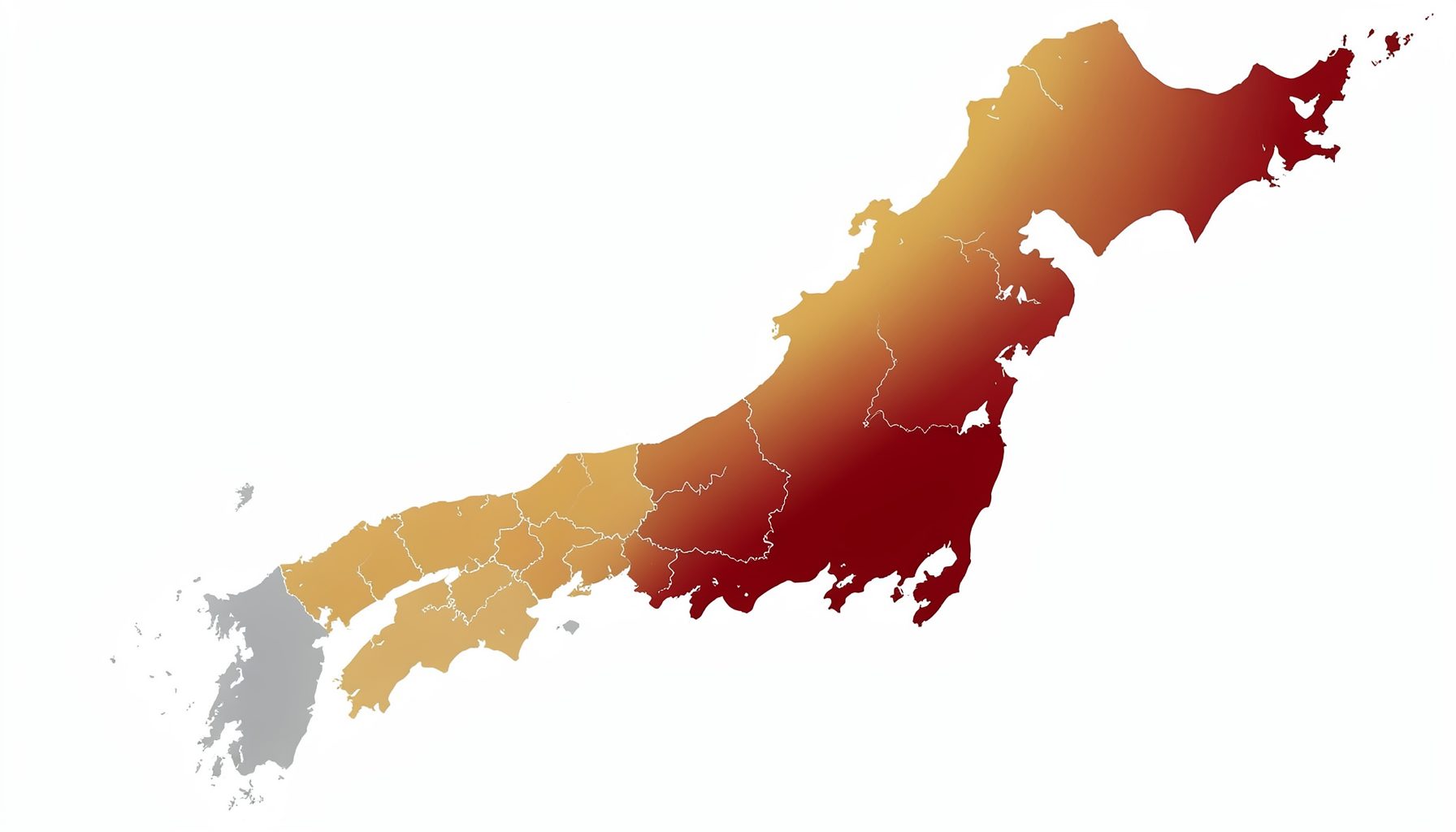
Geography can make an otherwise confusing signal more useful. Analysts could compare reports near the start area, major spectator zones, transport interchanges and the finish area. A rise concentrated around one food market or hospitality precinct would call for a different investigation from a gradual increase spread across several wards. Mapping time-stamped reports can also show whether symptoms move with the crowd or remain fixed at a particular site.
The marathon route intersects with everyday life in Tokyo. Commuters, residents and event staff continue using trains, convenience stores, restaurants and public facilities while the race is underway. A rise in respiratory complaints around a station may therefore reflect ordinary urban transmission, crowding linked to the event, or a reporting artefact caused by a nearby clinic. Location data should support investigation, not be treated as proof of source.
The strongest signals often involve combinations. A rise in gastrointestinal symptoms, increased ambulance call-outs and unusual sales of rehydration products is more informative than any one measure by itself. Similarly, respiratory symptoms across hospitals, pharmacies and workplace or school absence reports may justify closer review even before positive test results increase.
Analysts should also separate participants from spectators and staff where possible. Runners may present with exertion-related complaints that resemble infection, while volunteers and food handlers may have different exposure patterns. Simple event identifiers in clinical or administrative systems can help distinguish race-associated activity from the background population.
Digital information can add context, but it is vulnerable to noise. A sudden increase in online searches may reflect media coverage rather than illness; irrelevant commercial traffic can also distort dashboards, just as interest in a baccarat tiger side bet would say nothing about respiratory disease. Data streams should therefore be assessed for provenance, stability and public-health relevance before they influence an alert.
Turning signals into proportionate action
An alert does not automatically mean that the marathon should be stopped or that a public warning is necessary. The first response is usually verification: review case definitions, contact reporting facilities, check patient age and symptom details, examine the timing of exposure, and compare the pattern with weather and event conditions. Analysts may also look for shared food venues, accommodation links or transport connections.
Clear escalation pathways help prevent delays. A local health centre or event medical post can report an unusual cluster to the relevant municipal or prefectural public-health authority. Epidemiologists can then coordinate with emergency medical services, hospitals, laboratories, event organisers and food-safety officers. The response should match the evidence, ranging from additional sampling and clinical guidance to targeted communication for runners and spectators.
Australian agencies can apply similar principles within their own governance arrangements. NSW Health, the Victorian Department of Health and Queensland Health already work across emergency departments, ambulance services, laboratories and community providers, although data access and reporting arrangements differ between jurisdictions. A mass gathering dashboard should clarify who owns each signal, who validates it and who can authorise action.
The Australian context also requires attention to healthcare access. Some attendees may use a GP or urgent-care clinic, while others may visit a chemist, call health advice services or rely on event first aid. Medicare billing data, pharmacy information and emergency department records may arrive on different schedules and use different classifications. A useful system does not force every source into an identical format; it harmonises definitions sufficiently to support timely decisions.
Syndromic surveillance is especially valuable where laboratory capacity is constrained or testing is delayed. The discussion of surveillance with limited lab capacity highlights the broader principle: symptoms and service-use patterns can guide early investigation while laboratory confirmation is still pending. That lesson applies to remote Australian communities, temporary event clinics and any situation in which specimens must be transported before testing.
Building an event-ready monitoring workflow
A practical workflow begins before race day. Public-health teams should define priority syndromes, identify participating facilities, establish reporting intervals and agree on thresholds for review. The plan should include respiratory illness, gastrointestinal illness, fever, unexplained rash, heat-related symptoms, injury and unusual neurological presentations. Definitions need to be specific enough for consistent reporting but simple enough for busy clinicians and event staff.
Baseline construction should use comparable days and comparable settings. A Sunday during the same season may be more informative than an average weekday, while previous editions of the marathon can help estimate expected medical demand. Weather forecasts, air quality, pollen, public holidays, school schedules and other city events should be incorporated because each can influence attendance and symptoms.
For an Australian audience, the language of the alert matters. A signal affecting a Sydney event may need to reach NSW Health operations, local councils, hospitals, ambulance services and contracted event medics quickly. In everyday Australian speech, a runner might describe feeling crook or wiped out, but surveillance forms still require clinically consistent categories. Plain-language public messages can sit alongside technical definitions so that advice remains understandable without reducing analytical quality.
The system should also work during an ordinary “arvo” when staffing is leaner and reporting is busy. Event organisers need concise trigger messages, escalation contacts and backup arrangements. If a person becomes seriously unwell, the public response remains emergency care through Triple Zero (000); syndromic surveillance supports population-level monitoring and does not replace clinical assessment.
A useful dashboard should show trends rather than isolated counts. It might display hourly reports by syndrome, facility type, age group and location, with annotations for race milestones, weather changes and transport interruptions. Analysts should be able to drill into records, but senior decision-makers need a clear summary: what changed, where it changed, how confident the team is and what action is being considered.
Practical priorities for public-health teams
- Establish an event-specific baseline using previous race days, comparable weekends and current seasonal conditions.
- Combine hospital, ambulance, clinic, pharmacy, laboratory and event-medical data instead of relying on one source.
- Separate exertion, injury and heat-related presentations from symptoms more suggestive of communicable disease.
- Use location and time to compare the start area, route, finish zone, transport hubs and nearby communities.
- Set clear escalation thresholds, named contacts and reporting intervals before the first runner arrives.
- Communicate in plain language while preserving consistent clinical definitions for analysis.
- Review the signal after the event to measure timeliness, false alerts, missing data and response outcomes.
The post-event review is as important as the live dashboard. Teams can compare the early signals with confirmed diagnoses, ambulance records, pharmacy activity and later notifications. This shows whether a particular channel provided useful lead time or whether reporting delays weakened its value. It also identifies practical problems, such as duplicate cases, inconsistent syndrome coding or facilities that stopped reporting during peak demand.
Privacy and proportionality must remain central. Analysts generally need aggregated trends for rapid situational awareness, not unnecessary personal details. Data-sharing agreements should specify purpose, access controls, retention and communication rules. Public confidence is easier to maintain when people understand that monitoring is designed to identify population-level risk rather than track individual runners.
Race organisers, health authorities and clinical services can now turn these principles into an event playbook. Define the syndromes, connect the channels, test the alert pathway and rehearse the response before the crowds gather. When the Tokyo marathon generates an unusual pattern, a coordinated syndromic system can give decision-makers the early evidence needed to investigate quickly, protect attendees and keep the wider community informed.