





Turning Ambulance Allergy Signals Into Food Safety Warnings
Food contamination incidents can become visible before a laboratory result, inspection report or formal notification is available. A sudden rise in ambulance call-outs for wheezing, facial swelling, vomiting, collapse or suspected anaphylaxis may indicate that several people have encountered the same allergen or contaminated product.
Ambulance records are valuable because they capture urgent illness at the point where people seek help. They can reveal geographical clusters, unusual timing and changes in symptom patterns across a community. Used carefully, these records form one stream in a syndromic surveillance system rather than serving as standalone proof of a contaminated meal.
For Australian public-health teams, the approach fits a decentralised environment involving state ambulance services, local councils, hospitals, food regulators, schools, aged-care providers and national bodies such as Food Standards Australia New Zealand. The practical goal is to move quickly from an unusual signal to proportionate investigation, advice and treatment.
Why Ambulance Calls Can Provide An Early Signal
A foodborne allergic reaction may generate an ambulance call within minutes or hours of exposure. Symptoms can include hives, swelling of the lips or throat, breathing difficulty, dizziness, fainting and gastrointestinal distress. When several calls with similar features occur in the same area or time window, analysts may identify a pattern before patients are linked through clinical records.
Ambulance data also covers people who never reach hospital or receive a confirmed diagnosis. A person treated at home, transported to an emergency department or assessed by paramedics may still contribute useful information about the event. This wider capture can be especially relevant when an exposure occurs at a school fete, sports club, catered workplace, restaurant, market or community gathering.
The signal is usually strongest when several variables align: a sudden increase in allergy-related calls, a shared location, a short time interval and similar clinical descriptions. A cluster of breathing problems around a food festival in Melbourne, for example, would warrant a different response from a gradual rise in undifferentiated rash calls across Victoria.
What The Data Can Show
Ambulance services may record dispatch time, pickup location, destination, presenting complaint, clinical impressions, treatments and transport status. Depending on the system, records may include the use of adrenaline, oxygen or other emergency interventions. These fields can help distinguish severe suspected anaphylaxis from minor skin irritation or unrelated respiratory illness.
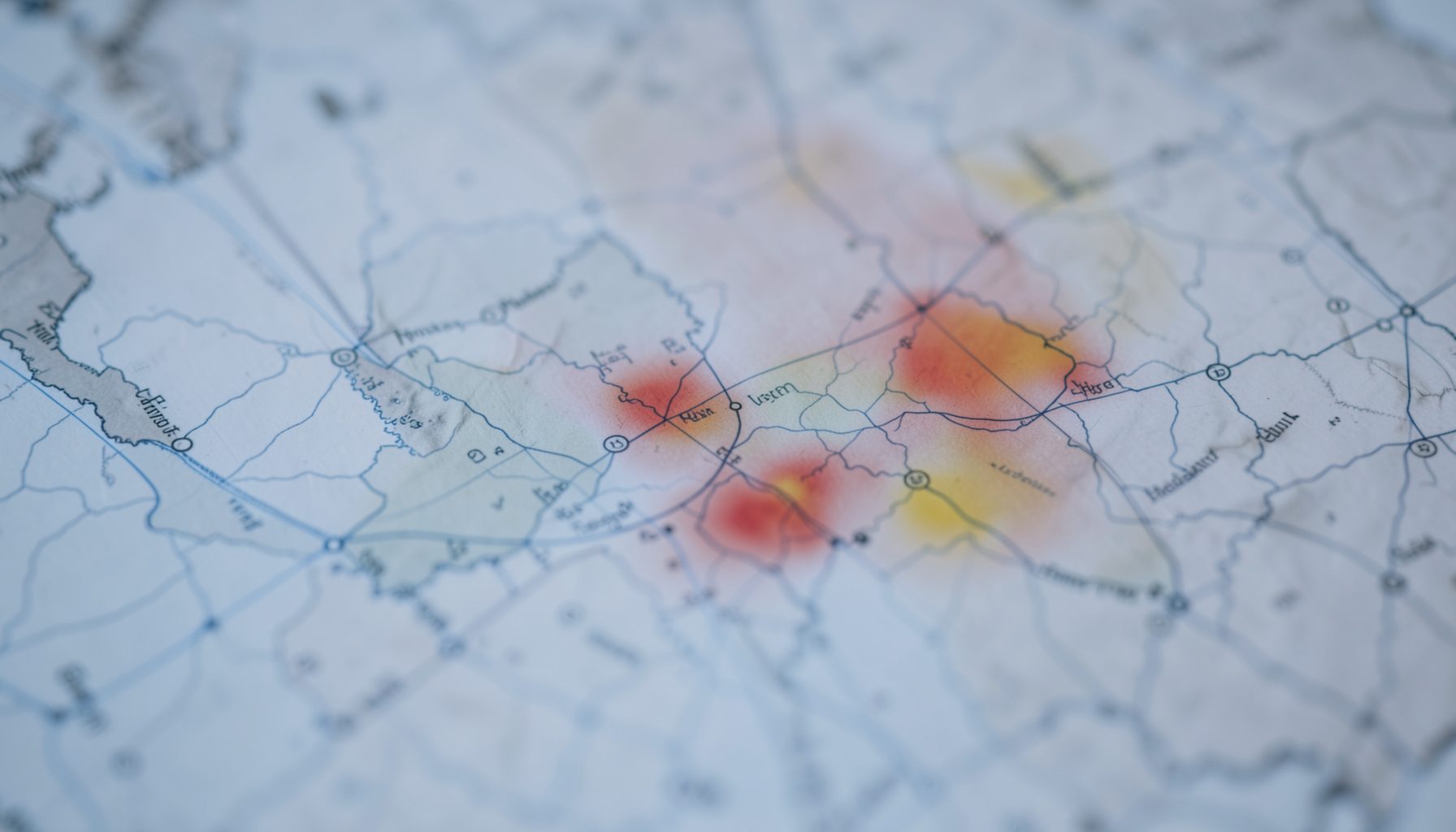
Time and place are particularly useful. A dashboard could compare current call volumes with expected levels for the same weekday, season and local area. It could then display small-area patterns without exposing individual addresses. A concentration of calls near a school, shopping centre or food-processing site can support a targeted public-health review.
Text descriptions from paramedics may add context, such as “after shared lunch”, “multiple patients”, “ate cake” or “possible nut exposure”. Free-text data requires careful processing and human review because wording varies between crews. Coding standards, natural-language tools and clinical validation can make these descriptions more consistent without stripping away useful detail.
The signal may also be combined with hospital emergency presentations, poison-centre contacts, pharmacy sales of adrenaline auto-injectors, school absenteeism and laboratory testing. The syndromic surveillance network model demonstrates why multiple channels can provide a fuller picture than any single dataset.
Detecting A Cluster Without Overcalling It
A rise in ambulance calls does not automatically mean that food contamination has occurred. Seasonal asthma, smoke, pollen, viral illness, medication reactions and public events can produce similar symptoms. Media coverage can also change help-seeking behaviour, causing more people to call for conditions they might previously have managed themselves.
Analysts should establish a baseline and define alert thresholds before an incident occurs. Useful methods include historical averages, moving thresholds, spatial scan statistics and comparisons with nearby areas. A sudden excess in a small locality may deserve attention even when the statewide count appears ordinary.
The first alert should be treated as a prompt for verification. Public-health officers can review call narratives, speak with ambulance clinical leads, check emergency-department presentations and contact local health protection units. Investigators can then look for shared food venues, suppliers, school menus, product batches or catering arrangements.
A graded alert system helps avoid both complacency and unnecessary alarm. A low-level signal may trigger enhanced monitoring. A stronger signal, especially one involving airway compromise or multiple children, may lead to immediate coordination with food-safety officers and healthcare services while the source is assessed.
Linking Emergency Calls To Food Exposure
Ambulance records rarely contain enough information to identify the food responsible. The exposure history may be incomplete, particularly when a person is confused, seriously unwell or treated away from the location where food was consumed. Follow-up interviews, hospital notes and venue records are needed to establish a common exposure.
Investigators can compare the timing of symptoms with meals, deliveries and public events. They may examine allergen declarations, ingredient substitutions, cleaning procedures, cross-contact controls and supplier documentation. In Australia, Food Standards Australia New Zealand requirements and state or territory food laws provide an important framework for reviewing packaged foods, restaurants and institutional catering.
Several people becoming unwell after eating at the same café is a useful clue, but it does not settle causation. An undeclared peanut ingredient, accidental milk exposure, shellfish contamination or a non-food trigger could produce similar presentations. Laboratory testing, retained food samples and environmental inspections can strengthen or weaken the suspected link.
The distinction matters for public communication. Authorities can say that an unusual cluster of suspected allergic reactions is under investigation without naming a product prematurely. If a serious and credible risk exists, a targeted warning or product recall may be justified while testing continues.
Making Australian Data Streams Work Together
Australia’s public-health structure means that ambulance data sits across state and territory systems rather than in one uniform national platform. Ambulance Victoria, NSW Ambulance, Queensland Ambulance Service and their counterparts collect comparable kinds of information, but fields, access arrangements and reporting timelines may differ.
A practical surveillance workflow should define who receives an alert, who validates it and who contacts food regulators. Local councils may hold venue inspection records, hospitals may identify emergency presentations and schools may report clusters of illness or absence. OzFoodNet and communicable-disease units can help connect local findings with wider foodborne investigations.
Geography matters in regional and remote areas. A cluster in Cairns, Dubbo or the Kimberley may involve long transport times, fewer emergency facilities and a different relationship between local health staff and community organisations. Ambulance call locations can reveal a problem affecting a remote community even when hospital data arrives later.
The system should also account for major events, including the Australian Open in Melbourne, Vivid Sydney, agricultural shows and large music festivals. Temporary food vendors, pop-up kitchens and high visitor numbers can complicate contact tracing. Event-based monitoring can provide a faster way to spot several apparently unrelated reactions.
Protecting Privacy While Sharing Useful Information
Ambulance data is sensitive health information. Exact addresses, names, phone numbers and detailed clinical records should not be shared broadly when aggregated counts can answer the operational question. Small cell suppression, geographic aggregation and access controls reduce the risk of identifying individuals in sparsely populated communities.
Data agreements should specify the purpose of collection, authorised users, retention periods and rules for onward disclosure. A public dashboard might show weekly counts by broad local-government area, while an investigation team uses more detailed information under controlled access. Every use should have a clear public-health rationale.
Analysts should be careful with children, aged-care residents and people living in small communities. A handful of ambulance calls at one school or facility may be identifiable even after names are removed. Reports should avoid unnecessary details and use secure channels for case-level discussion.
Good governance supports public trust and better participation. The principles described in data use guidance can help teams consider proportionality, privacy, data quality and the value of sharing information during an emerging incident.
Turning A Signal Into A Response
Once a cluster is credible, the response should be fast enough to reduce further exposure and precise enough to avoid confusion. Actions may include contacting the suspected venue, checking ingredient labels, stopping service of a product, notifying clinicians and advising people with known allergies to seek urgent care for symptoms.
Ambulance services can provide clinical context for the response. If several patients required adrenaline or airway support, health authorities may issue stronger advice than they would for mild, self-limited symptoms. Paramedic observations can also inform emergency departments about a possible influx of patients.
Communication should use plain Australian English and practical instructions. A notice might explain the suspected food, the affected date range, symptoms requiring emergency help and where to report exposure. It should be available in relevant community languages and distributed through schools, councils, venue operators and trusted local services.
The investigation should continue after the immediate risk has passed. Teams can compare ambulance call volumes before and after an intervention, review whether messages reached affected groups and identify weaknesses in allergen controls. Lessons may include better menu labelling, staff training, supplier verification or faster data exchange.
Building A Reliable Monitoring Practice
A useful programme starts with a narrow case definition. For example, it might include ambulance incidents coded as anaphylaxis, severe allergic reaction or acute respiratory distress with suspected food exposure. Analysts can then test the definition against clinical records and refine it to reduce false alerts.
Routine performance measures should cover timeliness, completeness, sensitivity, positive predictive value and the proportion of alerts receiving follow-up. Missing location data, delayed record entry or inconsistent coding can make a system appear quieter or louder than it really is. Regular feedback to paramedics and data managers helps correct these weaknesses.
Training is important at every stage. Ambulance clinicians need simple prompts for recording suspected exposure and multiple-patient incidents. Epidemiologists need methods for detecting unusual patterns. Food-safety officers need a clear route to obtain relevant information without creating extra administrative delays.
The strongest model is a connected one: emergency call data raises the alert, clinical and laboratory information tests it, food investigators identify the source, and risk communicators help prevent further illness. This approach supports earlier action while keeping conclusions proportionate to the evidence.
Australian health agencies, ambulance services, councils and food businesses can begin by reviewing how allergy-related calls are coded, how quickly data can be aggregated and who owns the first response. Establish agreed thresholds, secure sharing arrangements and escalation contacts before the next cluster occurs, so a faint emergency signal can become timely protection for the community.