





Syndromic surveillance for streptococcal pharyngitis in paediatric urgent care
A sore throat is a familiar presentation in Australian children, particularly during the cooler months when respiratory infections circulate through schools, childcare centres and households. Most cases are viral, yet group A Streptococcus (GAS) can cause streptococcal pharyngitis, commonly called strep throat, and may require targeted testing and treatment.
In a paediatric urgent care clinic, clinicians often need to make decisions before laboratory results are available. Syndromic surveillance helps public-health teams detect unusual changes in symptoms, attendance and care-seeking behaviour by analysing near-real-time information rather than waiting for confirmed diagnoses.
For Australian services, the value lies in connecting local clinical activity with wider signals. Data from urgent care centres, emergency departments, pathology providers, pharmacies, schools and ambulance services can reveal whether an apparent increase is isolated to one clinic or part of a broader community pattern.
Why sore-throat signals matter
Streptococcal pharyngitis may present with fever, painful swallowing, tonsillar inflammation, tender anterior cervical nodes and the absence of a cough. Children can also have headache, abdominal pain, nausea or a fine rash. These features overlap with viral infections, influenza, COVID-19 and other respiratory illnesses, making individual diagnosis difficult without appropriate assessment and testing.
A sudden increase in children attending urgent care with fever and sore throat does not automatically indicate a GAS outbreak. It may reflect a school cluster of viral infection, a change in parental concern, reduced access to general practice, or a temporary increase in after-hours demand. Syndromic surveillance is therefore an early-warning system, not a replacement for clinical examination, rapid antigen testing, throat culture or molecular testing.
The most useful signal is often a pattern across several data streams. If urgent care visits rise at the same time as school absenteeism, antibiotic dispensing for suspected throat infections and laboratory requests for GAS, the combined evidence is more persuasive than any single indicator. This approach supports earlier investigation while preserving the distinction between a symptom signal and a confirmed case.
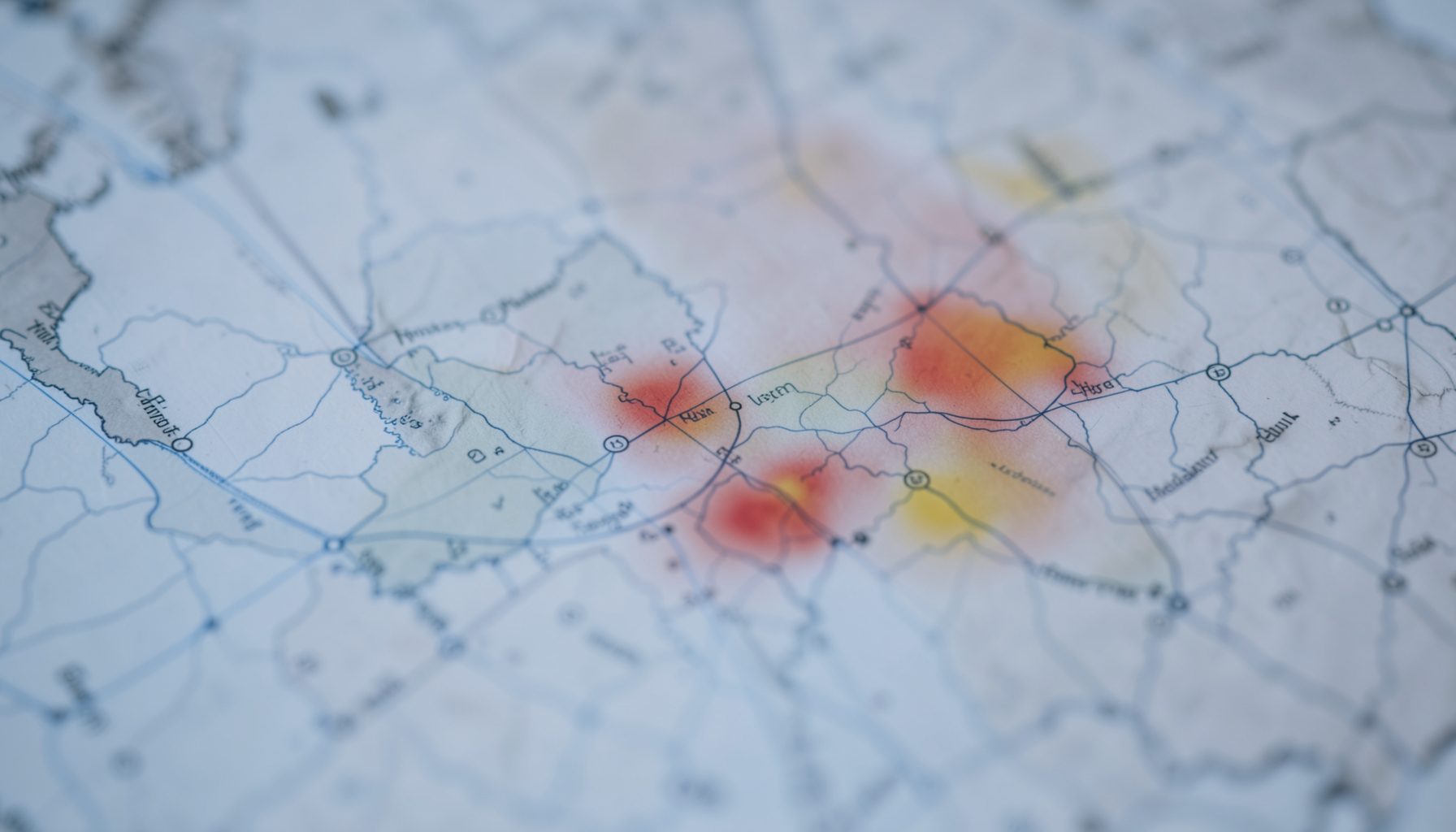
A surveillance dashboard can also show whether the increase is concentrated by age, suburb, school catchment or day of the week. In Melbourne, Sydney and Brisbane, large populations and substantial travel between suburbs can create different patterns within the same metropolitan area. Smaller regional communities may show fewer attendances but a sharper rise when several families seek care within a short period.
Building a useful urgent care dataset
The starting point is a consistent syndrome definition. A paediatric sore-throat or suspected streptococcal pharyngitis category might include children presenting with pharyngitis, tonsillitis, odynophagia, fever with throat symptoms or a clinician-recorded suspicion of GAS. The category should distinguish respiratory symptoms where possible, because cough and coryza can change the likelihood of streptococcal disease.
Data fields should be collected in a way that supports rapid reporting without creating unnecessary administrative work. Date and time of presentation, age band, postcode or local area, symptoms, testing ordered, preliminary result, treatment and disposition are especially valuable. A free-text clinical note may hold important detail, but structured fields produce more reliable counts for automated surveillance.
Australian urgent care services operate within a mixed system that includes general practice, Medicare Urgent Care Clinics, hospital emergency departments and private providers. A child may move between these settings during one illness, so analysts should consider duplicate encounters and referral pathways. Presenting counts as unique patients where possible, or clearly labelling them as encounters, prevents inflated estimates.
Privacy requirements also shape the design. The federal Privacy Act 1988 and relevant state or territory health-record rules require careful handling of personal information. Public-health monitoring can generally use aggregated or appropriately governed data, with access controls, retention rules and secure transfer arrangements. A useful system does not need to expose identifiable children to every organisation contributing information.
Linking clinical, school and pharmacy signals
School absenteeism is a valuable complementary indicator because children with fever or significant sore-throat symptoms often stay home before seeing a clinician. A rise in unexplained absence at primary schools may precede an increase in urgent care visits. The signal becomes stronger when it appears across several schools or local government areas rather than in one classroom alone.
Pharmacy surveillance can add information about treatment demand. In Australia, community pharmacies may see increased requests for analgesics, thermometers, throat lozenges or prescribed antibiotics. Dispensing data should be interpreted cautiously: antibiotics may be issued for a range of respiratory diagnoses, and a supply event does not prove that the child had GAS.
Laboratory testing provides a more specific measure but usually arrives later. Comparing rapid test orders, positive GAS results and culture confirmations with urgent care symptom counts can identify whether a rise in presentations is accompanied by a change in positivity. The relationship between early signals and later confirmation is explored in time-lag analysis, which is important when setting alert thresholds and interpreting apparent trends.
The system should also account for changes in access and behaviour. A new clinic opening, altered bulk-billing arrangements, a school health campaign or a widely reported outbreak can affect attendance independently of disease incidence. Analysts need a record of these contextual events so that surveillance alerts are assessed against what is happening in the health system and community.
Turning an alert into a public-health response
An alert might be generated when the number of paediatric sore-throat visits exceeds an expected seasonal range, when the percentage of visits with a GAS-related test rises, or when several linked indicators move together. Baselines should be built from historical data, with adjustments for school holidays, public holidays, clinic opening hours and population changes.
Alert thresholds should be sensitive enough to detect meaningful increases but specific enough to avoid overwhelming local health units with false alarms. A statistical signal can prompt review rather than automatic public messaging. Public-health staff may first check coding quality, confirm that participating clinics have reported normally and compare the pattern with emergency department and laboratory data.
If the signal persists, investigators can work with clinicians, schools and laboratories to identify the likely source and extent of transmission. Actions may include reinforcing infection-control advice, promoting appropriate assessment of symptomatic children, reviewing testing practices and communicating when children should remain away from school or childcare. Antibiotic stewardship remains essential because treating every sore throat as GAS can cause avoidable adverse effects and resistance pressure.
Invasive group A streptococcal disease is a more serious condition and is handled through established notification and public-health pathways in Australia. Syndromic surveillance for uncomplicated pharyngitis should not blur that distinction. Instead, it can provide situational awareness and help services recognise when a broader pattern deserves closer review.
Designing alerts for Australian paediatric care
Seasonality is a central consideration. School terms, winter indoor gatherings and respiratory virus circulation can produce predictable increases in throat presentations. A system that compares January data with winter data without seasonal adjustment may generate misleading alerts. Separate baselines for metropolitan, regional and remote settings can improve accuracy where service access and population size differ.
Remote and Aboriginal communities may face different travel distances, staffing arrangements and access to pathology. A fall in recorded presentations may indicate reduced access rather than improved health. Surveillance teams should involve local services in selecting indicators and interpreting changes, especially where small numbers make individual cases potentially identifiable.
Major events can alter population movement and demand. Sporting tournaments, festivals and international gatherings may bring visitors into cities while changing school attendance, transport patterns and urgent care workloads. Monitoring approaches used for cruise ship surveillance demonstrate why symptom-based systems can be adapted to settings where rapid detection is more important than waiting for complete laboratory confirmation.
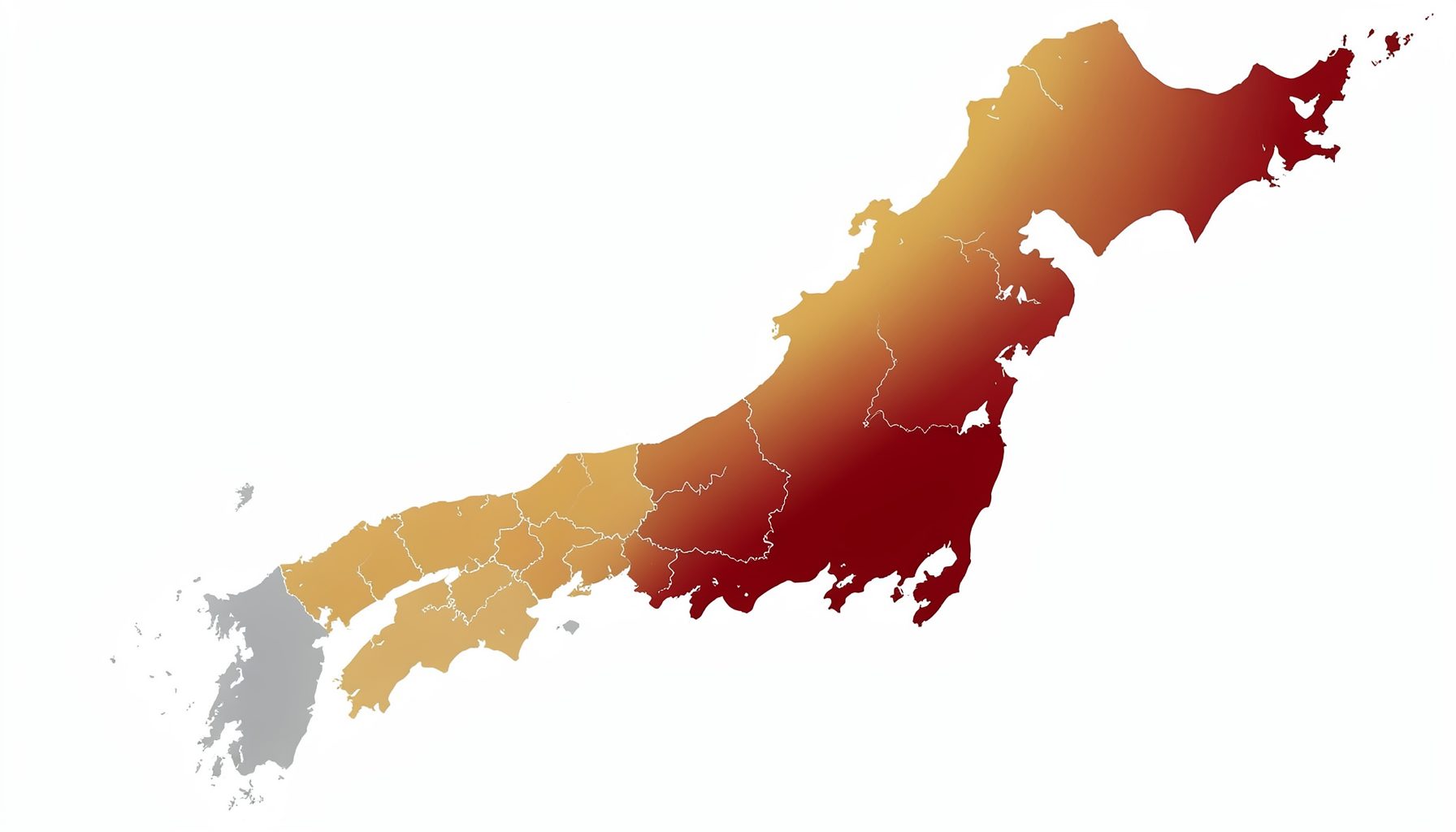
An effective Australian model can share principles with Japan’s multi-channel approach while fitting local governance. Clinic and hospital data can be combined with ambulance activity, pharmacy information, school absence and laboratory testing, provided definitions and reporting arrangements are aligned. The result is a layered view of community illness that supports faster, proportionate action.
Practical monitoring checklist
A practical dashboard should prioritise indicators that are timely, interpretable and linked to an operational decision. Useful measures include:
- Paediatric visits for sore throat, tonsillitis or fever with swallowing difficulty
- GAS rapid-test orders, positive results and culture confirmations
- School absenteeism and childcare attendance changes by local area
- Antibiotic dispensing and analgesic purchases associated with respiratory symptoms
Quality checks are just as important as the headline count. Before escalating a signal, teams should review:
- Whether participating services reported consistently during the comparison period
- Whether coding, testing policies or clinic access recently changed
- Whether increases are concentrated in one facility, school or age group
- Whether laboratory positivity and other respiratory indicators support the alert
These checks help separate a genuine community increase from a data artefact. They also create a transparent record of why an alert was investigated, escalated, communicated or closed.
A surveillance programme should report its findings in language that clinicians and families can use. Rather than announcing that every sore throat represents a GAS outbreak, health authorities can explain the observed pattern, the uncertainty around it and the steps that reduce transmission. Clear communication supports appropriate care-seeking while avoiding unnecessary anxiety and antibiotic use.
Urgent care clinicians can strengthen the system by recording syndrome details consistently, ordering tests according to clinical guidance and providing timely results where possible. Public-health teams can strengthen it by maintaining reliable baselines, protecting privacy and building relationships with schools, laboratories, pharmacies and local health services. Together, these practices turn routine encounters into an early-warning resource for safer paediatric care.