





Early Warning For Gastroenteritis Aboard Cruise Ships
Cruise ships create an unusual environment for infectious disease monitoring. Thousands of passengers and crew members share dining rooms, accommodation areas, entertainment venues, swimming facilities, and transport hubs within a confined setting. When acute gastroenteritis begins circulating, symptoms such as vomiting, diarrhea, abdominal pain, and nausea can spread quickly before laboratory results identify the responsible pathogen.
Syndromic surveillance helps public-health teams recognize that pattern at an earlier stage. Instead of waiting for confirmed diagnoses, it examines symptoms, healthcare encounters, medication purchases, absences, emergency transport, and other signals that may indicate an emerging outbreak. For cruise operations, this approach can support rapid isolation, sanitation, medical staffing, and communication decisions.
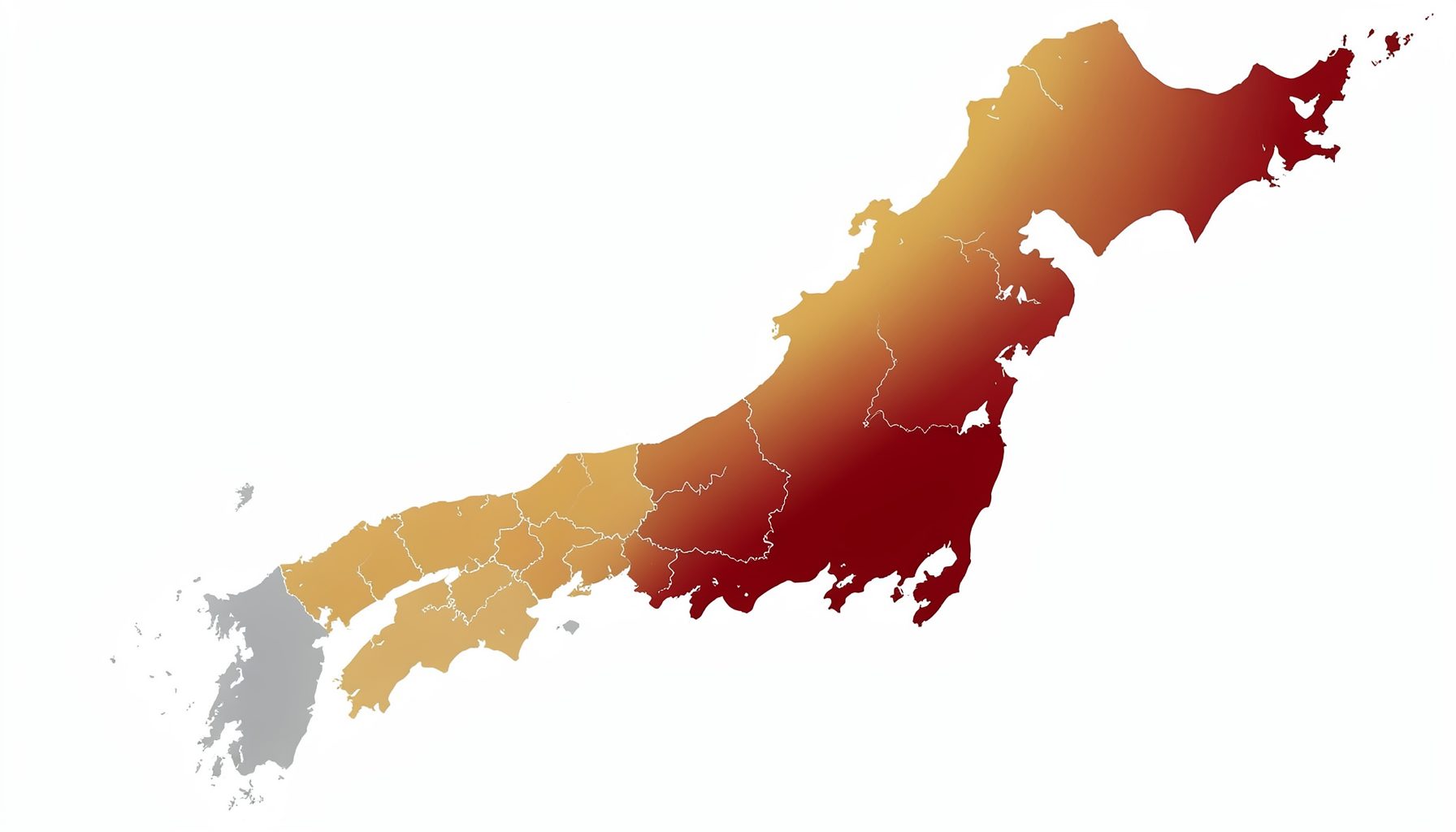
The most useful system combines several data streams. A ship’s medical center may detect a rise in gastrointestinal complaints, while pharmacies near the port record increased sales of antidiarrheal products. Ambulance dispatches, hospitals, schools, and elderly-care facilities can add context when passengers disembark and interact with local communities. Japan’s multi-channel surveillance model provides a useful framework for understanding how these sources can be integrated.
Why Cruise Ships Need Early Symptom Signals
Acute gastroenteritis can move through a vessel faster than conventional reporting systems can respond. A passenger may first treat mild diarrhea with an over-the-counter product, visit the onboard clinic later, and seek hospital care only after symptoms become severe. If each event is recorded separately, the initial cluster may remain invisible. Syndromic surveillance connects these observations by monitoring changes in symptom patterns and healthcare use.
The objective is not to diagnose every passenger electronically. It is to identify an unusual increase in compatible illness and trigger a closer epidemiological assessment. A sudden rise in vomiting cases on one deck, an increase in rehydration treatment, or a cluster of crew members reporting gastrointestinal symptoms can justify enhanced infection-control measures before a pathogen is confirmed.
Cruise itineraries add another layer of complexity. Passengers may board in one country, develop symptoms at sea, disembark in another port, and return home by air. A vessel-based signal therefore needs to be shared with port health authorities and local public-health agencies through established reporting channels. Timely information can help authorities prepare medical facilities and assess whether additional monitoring is needed among contacts.
Building A Multi-Channel Monitoring Model
A practical surveillance program begins with consistent case definitions. Ship medical staff can record acute gastrointestinal symptoms using a standard set of fields, including onset time, cabin location, age group, crew or passenger status, recent food exposure, treatment received, and whether the person was isolated. Consistency makes daily counts comparable across voyages and helps distinguish ordinary fluctuations from a meaningful deviation.
The onboard clinic is the central source, but it should not operate alone. Food-service records, cleaning logs, absenteeism among crew, waste-management observations, and sales of gastrointestinal medicines can reveal changes that clinical attendance misses. A passenger who avoids the medical center but purchases oral rehydration salts still contributes to the wider signal if the transaction is captured in an appropriate and privacy-conscious way.
Japan’s syndromic surveillance approach illustrates the value of combining information from clinics, hospitals, ambulances, pharmacies, schools, elderly-care facilities, and laboratory testing. For cruise ships, the same principle can be adapted across maritime and community settings. The ship supplies near-real-time observations, while port authorities add local healthcare data and laboratory confirmation when available.
Data governance is essential. Information should be minimized, protected, and used for public-health purposes. Aggregated counts, symptom categories, and time trends are often sufficient for early warning. Identifiable data should be shared only under defined legal authority and with safeguards that protect passengers, crew, and healthcare workers.
Signals That Strengthen Outbreak Detection
A single indicator can be misleading. For example, a ship may record more clinic visits simply because medical staff changed opening hours or because passengers received better information about where to seek care. Confidence increases when separate channels move in the same direction during a similar period.
The following signals can be reviewed together:
- A higher-than-expected number of vomiting or diarrhea consultations
- Increased use of antiemetic medicines, antidiarrheal products, or oral rehydration treatment
- Multiple cases linked to one dining venue, excursion, deck, or embarkation group
- Rising crew absenteeism or requests for replacement staff
- Increased ambulance transfers or hospital referrals after docking
Time and location are especially important. A line list showing symptom onset by hour can reveal whether cases are scattered or linked to a common exposure. Cabin and venue mapping can identify clusters, while comparisons with previous voyages help account for seasonal illness and the ship’s usual healthcare demand.
Laboratory testing remains important, but its role is complementary. Specimens can identify norovirus, rotavirus, bacterial pathogens, or other causes, yet testing capacity and turnaround times vary by port. Syndromic data allow response measures to begin while diagnostic work continues. Once results arrive, they can refine the response and improve future detection thresholds.
Comparing Surveillance Sources At Sea
Different data sources answer different operational questions. Clinical records tend to provide the clearest symptom detail, while pharmacy information may show milder illness among people who never seek care. Ambulance data can indicate severity, and environmental or food-service observations may help identify a possible route of exposure.
| Surveillance source | Early signal provided | Main strength | Important limitation |
|---|---|---|---|
| Ship medical center | Vomiting, diarrhea, dehydration, abdominal pain | Detailed clinical information and onset timing | Misses passengers who self-treat |
| Pharmacy records | Purchases of rehydration products and gastrointestinal medicines | Detects mild or unreported illness | Product use may have several explanations |
| Ambulance dispatches | Severe symptoms and urgent transfers | Supports rapid assessment of intensity | Captures only the most serious cases |
| Crew absenteeism | Illness affecting food, cleaning, or navigation staff | Shows operational risk and possible transmission among workers | Reporting practices may differ by department |
| Port hospitals and clinics | Illness after disembarkation | Extends surveillance into the community | Attribution to a particular vessel may be difficult |
| Laboratory testing | Specific infectious agents | Confirms etiology and guides targeted measures | Results may be delayed or limited in scope |
Pharmacy surveillance can be particularly valuable during the first phase of a voyage. Aggregated information about relevant product categories, reviewed with appropriate privacy controls, can show whether demand is unusual compared with previous sailings or nearby communities. The pharmacy daily signals resource offers useful context for understanding how daily medication activity can support early warning.
Ambulance information adds a severity perspective. A modest number of clinic visits accompanied by several urgent transfers may indicate a more serious event than the total case count suggests. Guidance on ambulance dispatch data explains why emergency call patterns can complement routine clinical reporting and help identify outbreaks sooner.
Acting On A Rising Gastrointestinal Signal
Response thresholds should be agreed before a voyage begins. A single case of diarrhea does not normally justify a major operational intervention, but a rapid increase in compatible illness across connected cabins may require immediate escalation. Thresholds can combine absolute counts, percentage increases over baseline, clustering by location, and the proportion of cases involving crew or food handlers.
Once a signal is detected, the ship’s response team can verify the data and begin proportionate controls. Medical staff may increase case finding, offer prompt treatment, and provide isolation guidance. Housekeeping teams can intensify cleaning of high-touch surfaces, bathrooms, and shared facilities. Food-service managers may review preparation practices, sick-leave compliance, buffet procedures, and suspected exposure windows.
Communication must be clear and measured. Passengers should receive practical advice about hand hygiene, reporting symptoms, avoiding shared facilities while ill, and seeking medical assistance for dehydration or worsening symptoms. Alarmist messages can discourage reporting, while vague notices may delay care. Updates should explain what is known, what actions are being taken, and how passengers can protect others.
Port health authorities need timely notification when predefined thresholds are reached. Information should include the number of symptomatic passengers and crew, symptom onset distribution, isolation measures, hospital transfers, laboratory status, and the next port of call. This enables local authorities to prepare without assuming that every gastrointestinal complaint represents the same pathogen or exposure.
Making Surveillance Routine And Reliable
Surveillance works best when it is embedded in daily ship operations rather than activated only during a suspected outbreak. A brief daily review can compare current gastrointestinal encounters with historical voyage data, passenger volume, season, itinerary, and crew composition. Automated dashboards can flag unusual changes, but trained personnel must interpret those alerts.
Quality checks help prevent false alarms. Duplicate clinic visits should be identified, product categories should be defined consistently, and changes in reporting behavior should be documented. A new electronic form or a public announcement encouraging passengers to report illness may produce an apparent increase that reflects better detection rather than new transmission.
Training is equally important. Medical teams need consistent triage and recording procedures, while hotel, food-service, and housekeeping departments should know how to report illness and protect privacy. Port partners should agree on contact points, notification timelines, data formats, and procedures for sharing laboratory results after passengers leave the vessel.
A useful program reviews every voyage, including those without a recognized outbreak. Analysts can compare early signals with later diagnoses, identify which indicators appeared first, and adjust thresholds accordingly. This turns each sailing into an opportunity to improve sensitivity without overwhelming response teams with unnecessary alerts.
Practical Priorities For Cruise Operators
A focused implementation can begin with a small number of dependable measures and expand as data quality improves:
- Establish a standardized gastrointestinal case definition for passengers and crew.
- Review symptom counts, medicine activity, absenteeism, and urgent transfers at least once each day.
- Map cases by onset time, cabin, dining venue, excursion, and embarkation group.
- Set written escalation thresholds with ship medical staff and port health authorities.
- Evaluate every alert after the voyage and document lessons for future monitoring.
The strongest programs balance speed with accuracy. Early warning should lead to verification, targeted controls, and appropriate testing rather than automatic assumptions about cause. This keeps resources focused on genuine transmission while preserving trust among passengers, crew, clinicians, and public-health partners.
Cruise ships are mobile communities, so their surveillance systems must be mobile as well. Linking vessel data with pharmacies, ambulance services, hospitals, and laboratories at successive ports creates a broader view of illness than any single source can provide. When those signals are reviewed together, public-health teams gain more time to interrupt transmission and protect both travelers and the communities they visit.
Cruise operators, port authorities, and health agencies can begin by defining their shared indicators, agreeing on secure reporting channels, and testing the process during routine voyages. Building that network before the next gastrointestinal cluster appears makes early detection faster, response decisions clearer, and maritime travel safer.