





Syndromic Surveillance for Leptospirosis After Flooding Events
Flooding can create the conditions for leptospirosis to spread quickly and quietly. Fast-moving water, saturated soil, damaged sewage systems, and displaced rodents increase the chance that people will encounter water or mud contaminated with infected animal urine. Residents, cleanup workers, emergency responders, farmers, and people staying in temporary shelters may face different forms of exposure.
Laboratory confirmation remains essential, yet testing and reporting often take time. Syndromic surveillance helps public-health teams detect an unusual pattern of illness before every suspected case has a confirmed diagnosis. By combining reports from clinics, hospitals, ambulance services, pharmacies, schools, elderly-care facilities, and laboratories, surveillance teams can identify signals that require investigation.
The approach is especially useful after a flood because exposure happens across communities and health services. A rise in fever-related consultations, gastrointestinal complaints, unexplained muscle pain, or admissions for acute kidney problems may indicate a wider health threat. These signals must be interpreted alongside rainfall, flood extent, water contamination reports, animal exposure, and local healthcare access.
Why Flooding Raises Leptospirosis Risk
Leptospirosis is caused by bacteria of the genus Leptospira. Infected rodents, livestock, dogs, and other mammals can shed the bacteria in urine. Floodwater may carry the organism through streets, homes, fields, drainage channels, and recreational areas. The bacteria can enter the body through cuts, abrasions, or mucous membranes in the eyes, nose, and mouth.
The illness has a variable clinical presentation. Early symptoms commonly include sudden fever, chills, headache, severe calf or back pain, fatigue, nausea, vomiting, and red or irritated eyes. Some patients recover without major complications, while others develop jaundice, kidney injury, bleeding, breathing problems, meningitis, or cardiovascular instability. This range makes case finding difficult when surveillance relies on a single symptom.
The incubation period is usually several days to two weeks, although it can be longer. Consequently, infections may appear after floodwater has receded and public attention has shifted to rebuilding. A monitoring system should continue operating through the post-flood period, with particular attention to people who participated in cleanup, handled animals, or entered contaminated water without protective equipment.
What Syndromic Monitoring Can Detect
Syndromic surveillance uses health-related information collected before a definitive diagnosis is available. It may track combinations of symptoms, provisional diagnoses, emergency visits, medication purchases, ambulance dispatches, school absences, or calls to health advice services. The purpose is to identify an unexpected increase or geographic cluster rather than to label every individual patient.
For leptospirosis, useful indicators may include acute febrile illness combined with myalgia, headache, conjunctival irritation, jaundice, vomiting, or reduced urine output. A sudden rise in admissions for fever with renal or hepatic abnormalities can be especially important. Pharmacy data may show increased purchases of antipyretics, antiemetics, oral rehydration products, or antibiotics, although these products are not specific to leptospirosis.
Data from schools and elderly-care facilities can reveal community transmission or shared environmental exposure. School absenteeism may increase when children develop fever or gastrointestinal symptoms after playing in flood-affected areas. Care facilities may report clusters of fever, weakness, or reduced appetite among residents who need rapid clinical assessment. Ambulance records can add information about severe disease, dehydration, altered consciousness, or respiratory distress.
These indicators should trigger a structured review rather than an automatic outbreak declaration. Analysts need to compare current activity with historical baselines, account for changes in healthcare access, and assess whether reporting increased because of heightened awareness. Syndromic surveillance is an early-warning tool; laboratory testing and epidemiological investigation provide confirmation.
Linking Signals With Exposure Information
A symptom signal becomes more meaningful when it overlaps with a plausible exposure pattern. Public-health teams should map reported illness against flood depth, water flow, damaged drainage infrastructure, shelter locations, agricultural work, waste removal, and known rodent activity. A cluster of compatible illness among residents of one inundated neighborhood is more concerning than a similar number of unrelated fever reports spread across a large region.
Interview and notification forms should capture the timing and type of exposure. Relevant details include wading through floodwater, cleaning basements, handling wet soil, contact with animal urine, work in sewers or refuse collection, and the presence of skin wounds. Information about protective boots, gloves, eye protection, and wound covering can help identify groups that may need targeted advice.
A multi-channel system is valuable because no single source captures the entire event. Hospitals tend to identify serious disease, while clinics may detect milder cases. Ambulances show changes in acute severity, pharmacies may reveal community-level demand, and schools can identify shared exposure among children. Laboratory results then help determine whether the early signal is leptospirosis or another flood-associated illness.
| Surveillance channel | Possible early signal | Value after flooding | Important limitation |
|---|---|---|---|
| Clinics and urgent-care centers | Fever with headache, muscle pain, vomiting, or red eyes | Detects mild and moderate illness close to affected communities | Symptoms overlap with influenza, dengue, and other infections |
| Hospitals | Jaundice, kidney injury, meningitis, respiratory distress | Identifies severe disease and admission clusters | May miss people who do not seek care |
| Ambulance services | Fever-related dispatches, collapse, dehydration, breathing difficulty | Shows rapid changes in severity and demand | Dispatch codes may lack clinical detail |
| Pharmacies | Increased purchases of fever medicines or rehydration products | Offers frequent, near-real-time community data | Products are not disease-specific |
| Schools and care facilities | Absenteeism or clusters of fever and weakness | Highlights shared exposure and vulnerable groups | Reporting can be disrupted after disasters |
| Laboratories | Positive PCR, antibody, or culture results | Supports confirmation and case classification | Results may arrive after the transmission signal |
Building A Post-Flood Alert System
Before the rainy season, health authorities can define thresholds and reporting procedures for flood-related illness. A baseline should reflect seasonal fever patterns, local healthcare use, population movement, and normal pharmacy demand. Thresholds may be based on a percentage increase, a statistical deviation, a cluster in space and time, or the appearance of severe clinical features.
Alerts should be reviewed by epidemiologists, clinicians, environmental-health officers, laboratory specialists, and emergency-management teams. The review should ask whether patients share an exposure, whether cases are concentrated near floodwater, whether other diseases explain the pattern, and whether healthcare access changed after the disaster. A short delay in investigation can allow additional exposure during cleanup and reconstruction.
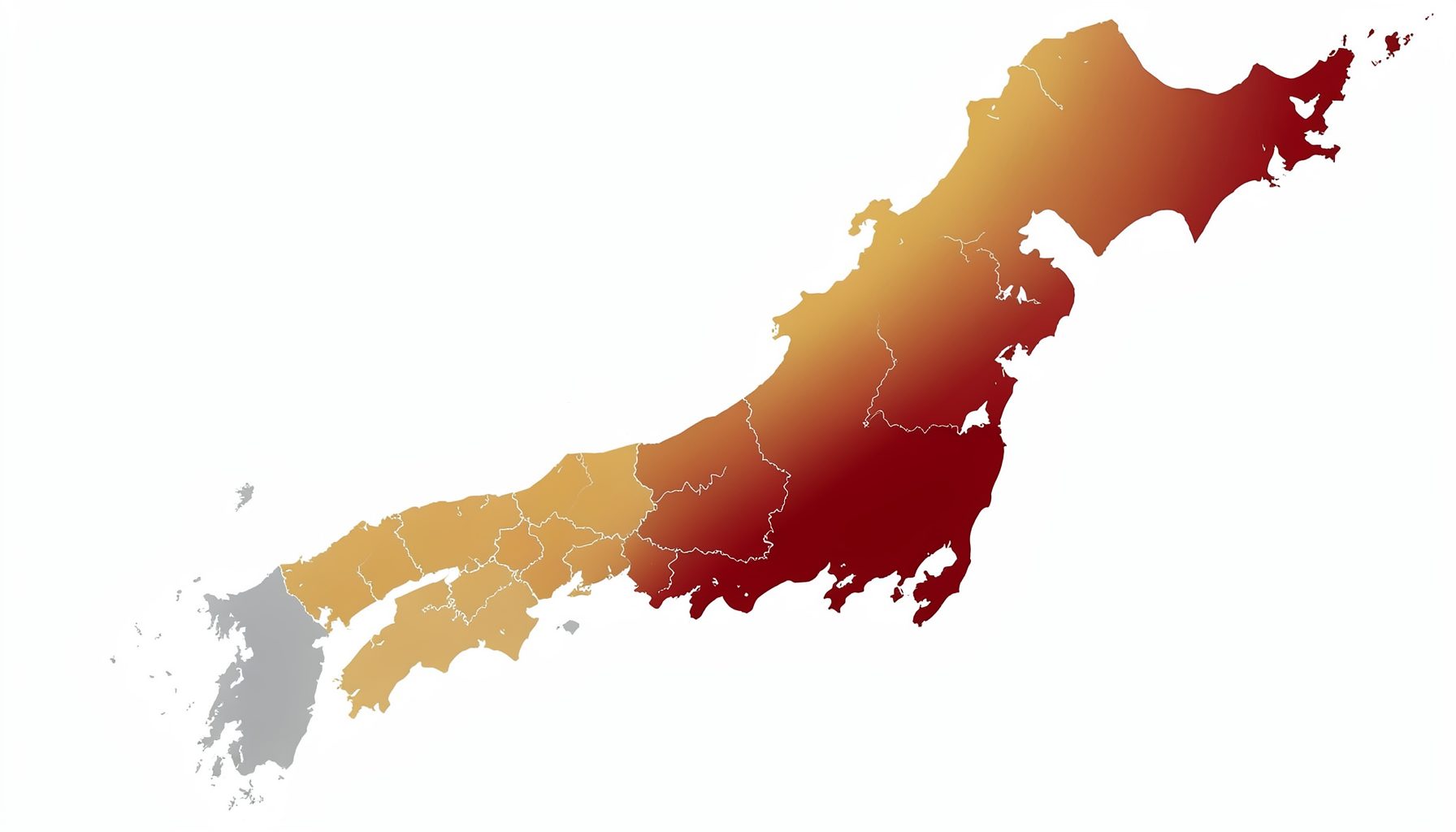
Japan’s multi-source public-health monitoring model illustrates why coordination matters. Data streams from medical institutions, pharmacies, schools, elderly-care settings, ambulance services, and laboratories can be examined together rather than treated as isolated reports. During major international events or other periods of unusual population movement, enhanced monitoring can provide a framework for increasing reporting frequency and reviewing unusual clusters.
Digital dashboards can help display trends by municipality, age group, symptom combination, and exposure date. However, automated alerts should be paired with human review. A flood may cause a surge in consultations simply because temporary clinics open or residents are encouraged to seek care. Analysts must distinguish reporting intensity from true disease incidence.
Confirming Cases And Protecting Patients
A suspected case requires prompt clinical evaluation, especially when fever follows freshwater or mud exposure. Clinicians should consider leptospirosis when compatible symptoms occur with conjunctival suffusion, severe myalgia, jaundice, renal dysfunction, thrombocytopenia, or a relevant occupational or environmental history. Early treatment decisions should follow local clinical guidance and should not wait for every laboratory result when serious disease is suspected.
Laboratory methods vary according to the stage of illness. Polymerase chain reaction may help detect bacterial genetic material early, while antibody testing becomes more informative as the immune response develops. Paired samples can support diagnosis when the first result is negative or inconclusive. Laboratories should receive clear exposure dates and symptom onset information so that test interpretation is clinically useful.
Syndromic surveillance should also support infection prevention. Health workers can provide advice about covering wounds, wearing waterproof boots and gloves, avoiding unnecessary contact with floodwater, washing thoroughly after exposure, and keeping children and pets away from contaminated areas. Rodent control, safe waste handling, clean drinking water, and careful management of animal shelters reduce further risk.
Public messages should be specific and calm. People need to know which symptoms require medical attention and should be encouraged to mention floodwater or animal contact when seeking care. Health agencies can publish local advisories through municipal websites, clinics, pharmacies, schools, shelters, and community organizations. Clear communication reduces delayed diagnosis without creating unnecessary alarm.
Using Surveillance Beyond Leptospirosis
Floods can increase the risk of several conditions at the same time. Acute gastroenteritis may follow contaminated water or food, respiratory illness may spread in crowded shelters, and injuries may rise during cleanup. Vector-borne infections can become more likely when standing water expands. Heat stress may also affect people working outdoors during the recovery period; related monitoring principles are described in heat illness surveillance guidance.
A broad syndrome framework prevents teams from overlooking co-occurring hazards. Fever with diarrhea, rash, respiratory symptoms, neurologic signs, or renal abnormalities can be grouped for initial monitoring and then separated as evidence accumulates. This approach is useful when clinical coding is incomplete or when the first reports contain little diagnostic information.
Evaluation should continue after the alert has ended. Teams can measure how quickly signals were detected, how long laboratory confirmation took, whether high-risk groups received advice, and whether reporting gaps occurred in remote or heavily damaged areas. Findings can guide future flood preparedness, including mobile clinics, specimen transport, pharmacy reporting, and risk communication plans.
Recommendations For Public-Health Teams
- Establish flood-specific syndrome definitions that combine fever with muscle pain, headache, conjunctival irritation, jaundice, gastrointestinal symptoms, or renal warning signs.
- Integrate clinical, ambulance, pharmacy, school, elderly-care, environmental, and laboratory data in a shared review process.
- Record exposure location, water contact, cleanup activity, animal contact, wound status, and symptom onset in early case investigations.
- Use historical baselines and geographic comparisons to distinguish a genuine outbreak signal from changes in healthcare access or reporting behavior.
- Pair automated alerts with rapid clinical assessment, confirmatory testing, infection-prevention advice, and targeted rodent and sanitation control.
Syndromic surveillance becomes most effective when reporting is easy for frontline services. Health authorities should provide concise case definitions, electronic forms, escalation contacts, and feedback about how submitted data influenced the response. Organizations seeking information about surveillance coordination can use the surveillance contact page to identify an appropriate route for communication.
A flood-related leptospirosis signal may begin with a small increase in unexplained fever or a few severe admissions. When those observations are linked with environmental exposure and laboratory follow-up, authorities can move from scattered reports to a defensible public-health response. Strengthen local reporting before the next flood, review warning indicators with clinical and environmental partners, and act quickly when compatible illness appears in affected communities.