





Syndromic Surveillance And Pandemic Influenza Preparedness
Pandemic influenza preparedness depends on recognising unusual illness activity before a complete laboratory picture is available. Confirmatory testing remains essential, yet it can take time to detect a new pattern, especially when people seek care through different parts of the health system. Syndromic surveillance helps public-health authorities observe those early changes through symptoms, care-seeking behaviour, absenteeism, medicine purchases, and emergency transport.
The approach is designed for speed and breadth. Instead of waiting for a confirmed diagnosis, it monitors indicators such as fever, respiratory complaints, influenza-like illness, hospital admissions, ambulance dispatches, and school absences. A rise in several related signals can prompt investigation while an outbreak is still developing.
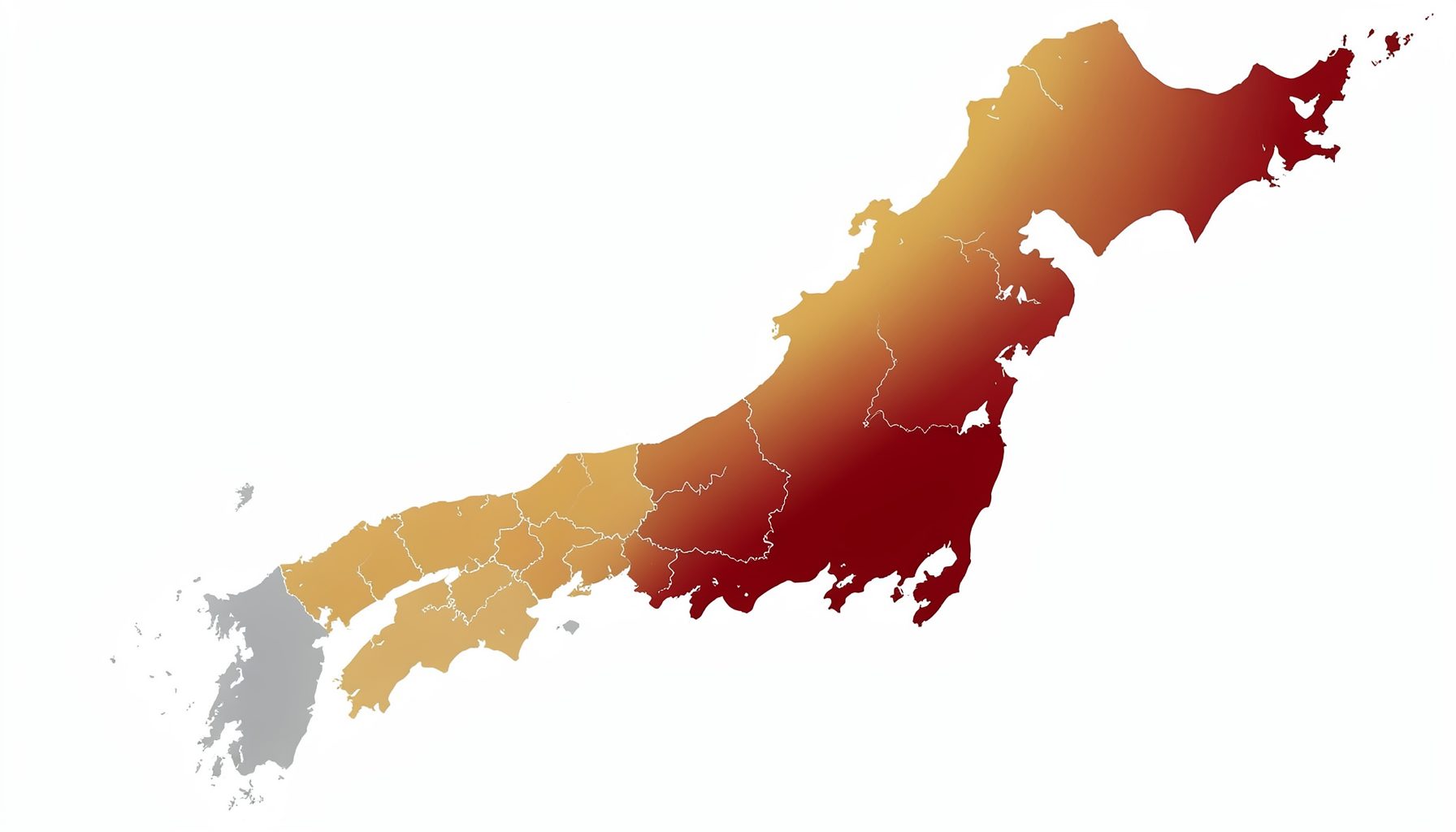
Japan’s multi-channel model demonstrates how these sources can complement one another. Clinics and hospitals provide clinical information, pharmacies show demand for medicines, schools reveal transmission among children, and elderly-care facilities can identify changes in vulnerable communities. Laboratory results then add specificity and help determine whether an observed signal reflects influenza or another respiratory infection.
Why Early Signals Matter
Pandemic influenza can spread widely before health authorities understand its severity, geographic reach, or age distribution. Initial cases may resemble ordinary seasonal influenza, common respiratory viruses, or other causes of fever and cough. If surveillance begins with confirmed diagnoses alone, the response may lag behind the actual spread of infection.
Syndromic indicators offer an earlier view because they capture encounters and behaviours that occur before laboratory confirmation. A sudden increase in people seeking treatment for respiratory symptoms, buying antipyretic medicines, or being transported by ambulance can indicate that something has changed. These signals do not prove an outbreak, but they can identify where epidemiologists should look more closely.
Early detection supports practical decisions. Authorities may intensify testing, review hospital capacity, communicate with local clinicians, or investigate clusters in schools and care facilities. The value lies in shortening the interval between the first unusual observations and the actions needed to contain transmission and protect essential services.
Building A Multi-Channel Picture
No single data source provides a complete account of influenza activity. Clinical surveillance may miss people who manage symptoms at home, while pharmacy data may include purchases for conditions unrelated to influenza. School absenteeism can show community transmission among children, but it may also be affected by holidays, examinations, weather, or local attendance policies.
Combining sources helps distinguish a genuine epidemiological change from ordinary variation. For example, increased fever-related visits in clinics become more meaningful when accompanied by a rise in respiratory medicine sales, absences from several schools, and additional ambulance calls. Signals that emerge independently across different channels deserve faster review than an isolated change in one dataset.
A coordinated system should define how data are collected, cleaned, analysed, and shared. Common case definitions, consistent reporting intervals, geographic identifiers, and agreed alert thresholds make results easier to compare. Automated dashboards can display trends in near real time, while specialist review remains necessary to interpret anomalies and account for reporting delays.
Connecting Detection With Response
Surveillance has operational value only when it is linked to predefined response procedures. An alert should trigger a proportionate investigation rather than an automatic declaration of an emergency. Public-health teams may compare the signal with historical baselines, check whether reporting systems are functioning, and seek additional information from local providers.
The response can then be scaled according to the evidence. A modest, localised signal might lead to targeted testing and closer observation. A sustained increase across several channels could justify expanded laboratory sampling, infection-control reminders, hospital preparedness checks, and clearer public communication. If severe disease begins to rise, authorities may need to coordinate staffing, oxygen supplies, antiviral distribution, and referral pathways.
This connection between information and action should be tested before a pandemic occurs. Exercises can simulate a sudden increase in influenza-like illness, a cluster of severe respiratory disease, or conflicting signals between regions. Such rehearsals expose unclear responsibilities, slow data flows, and gaps in communication while there is still time to correct them.
Comparing Surveillance Signals
Different data streams vary in speed, specificity, coverage, and the kinds of decisions they support. The most effective preparedness programme uses them as complementary layers rather than ranking one source as universally superior.
| Surveillance channel | What it can reveal | Main strengths | Important limitations |
|---|---|---|---|
| Clinics and hospitals | Influenza-like illness, respiratory symptoms, admissions, severity | Direct connection to patient care and clinical trends | May be affected by care-seeking behaviour and reporting delays |
| Ambulance services | Acute deterioration and demand for urgent transport | Rapid indication of severe or unusual illness | Does not capture mild cases and may reflect non-infectious emergencies |
| Pharmacies | Demand for fever and respiratory medicines | Broad community coverage and fast changes in purchasing | Purchases may be precautionary, duplicated, or unrelated to influenza |
| Schools | Absenteeism and clusters among children | Useful for detecting community spread early | Influenced by holidays, policy, and non-infectious causes of absence |
| Elderly-care facilities | Respiratory symptoms and illness among high-risk residents | Supports rapid protection of vulnerable populations | Small populations can produce volatile rates and incomplete reporting |
| Laboratory testing | Pathogen identity, subtype, and genetic information | Confirms cause and supports epidemiological characterization | Testing capacity, turnaround time, and sampling strategy affect results |
Laboratory surveillance remains the foundation for identifying a novel strain, tracking antiviral resistance, and monitoring genetic changes. Syndromic surveillance fills the interval before those results are available and helps laboratories decide where additional samples may be most informative.
Data integration also improves interpretation after confirmation begins. If laboratory positivity rises while hospital admissions remain stable, the health impact may differ from a situation in which severe disease increases rapidly. Conversely, a rise in absenteeism and medicine purchases may provide an early warning that testing has not yet captured the full scale of transmission.
Protecting Vulnerable Populations
Pandemic influenza can place disproportionate pressure on older adults, people with chronic conditions, residents of congregate settings, and individuals who have limited access to timely medical care. Monitoring these groups requires more than relying on overall community averages. A relatively stable regional trend can conceal a serious outbreak inside a care home or assisted-living network.
Elderly-care facilities can report changes in respiratory symptoms, fever, staff illness, emergency transfers, and unusual mortality. These data may help identify transmission before a formal diagnosis is available, giving managers time to separate symptomatic residents, review infection-control practices, and arrange clinical assessment. Guidance on monitoring elderly-care trends illustrates why facility-level information is important in a broader warning system.
Privacy and proportionality must be built into collection procedures. Personal identifiers should be limited to what is necessary for follow-up, access should be controlled, and reporting should focus on trends rather than exposing individuals. Clear agreements can help facilities share timely information without creating uncertainty about legal duties or confidentiality.
Using Community Behaviour As Evidence
People’s actions can change before official case counts do. They may purchase cold and fever medicines, avoid school or work, seek advice from pharmacies, or call emergency services when symptoms worsen. These behaviours provide indirect evidence about illness activity and pressure on health services.
Over-the-counter medicine sales are especially useful when interpreted alongside clinical information. A sustained increase in purchases across multiple locations may signal growing respiratory illness, while a short spike in one area may reflect advertising, stockpiling, or a weather event. Guidance on tracking seasonal flu purchases shows how pharmacy signals can contribute to situational awareness without replacing clinical or laboratory data.
Behavioural indicators should be calibrated against baseline patterns. Authorities need to understand normal seasonal demand, differences between urban and rural areas, medicine availability, and changes in consumer habits. Retail data can also raise ethical concerns, so analyses should use aggregated information and avoid inferring a diagnosis about particular customers.
Preparing Systems Before A Pandemic
Preparedness requires infrastructure that can function under pressure. Data feeds should have backup arrangements, standard formats, and clear ownership. If a reporting platform fails during a surge, manual alternatives should be available, with procedures for reconciling records when normal service returns.
Workforce readiness is equally important. Epidemiologists, informaticians, clinicians, pharmacists, emergency planners, and communication teams must know how their responsibilities connect. Training should cover signal detection, statistical thresholds, data quality checks, interpretation of false alarms, and the communication of uncertainty.
Useful preparedness priorities include:
- Establish baseline trends for every surveillance channel before an emergency occurs.
- Define alert thresholds that account for seasonality, population size, and reporting delays.
- Link each alert level to specific actions for testing, clinical capacity, infection control, and public communication.
- Protect vulnerable settings through rapid reporting pathways and facility-level outbreak protocols.
- Run regular exercises that test data sharing, decision-making, and continuity during system disruption.
International events can provide an opportunity to strengthen this readiness. Large gatherings may increase travel and crowding, while also creating a concentrated period for enhanced monitoring. Temporary measures such as expanded symptom reporting, additional laboratory capacity, and closer observation of emergency departments can reveal weaknesses in routine systems and improve future pandemic planning.
Measuring Whether Surveillance Works
The performance of syndromic surveillance should be evaluated against clear objectives. Important measures include the time between a signal and investigation, the time to laboratory confirmation, the proportion of alerts that reflect genuine increases, and the speed with which response actions begin. Coverage and data completeness matter as much as analytical sophistication.
False alarms are unavoidable because syndromic data are deliberately sensitive. The goal is not to eliminate every alert, but to make alerts interpretable and manageable. Statistical models can identify deviations from expected patterns, while local knowledge can explain events such as school closures, medication shortages, or changes in healthcare access.
Evaluation should continue after each seasonal influenza period and emergency response. Did the system detect activity earlier than routine reporting? Which channels provided the clearest warning? Were rural communities and vulnerable facilities represented adequately? Answering these questions turns surveillance from a passive reporting exercise into a continuously improving preparedness capability.
From Detection To Preparedness
A strong early-warning system gives decision-makers time: time to investigate, test, communicate, protect high-risk groups, and organise medical resources. Its greatest contribution is the integration of many imperfect signals into a coherent view of changing respiratory illness activity.
Public-health agencies can begin by mapping available data sources, agreeing on governance, and connecting alerts to practical response plans. Clinicians, schools, pharmacies, care facilities, laboratories, and emergency services each hold part of the picture. When those observations are shared responsibly and interpreted together, pandemic influenza preparedness becomes faster, more targeted, and more resilient.
Explore the surveillance resources on this site to understand how multi-channel monitoring can support earlier action before confirmation is complete. Build the partnerships, baselines, and response protocols now so that the next unusual signal leads quickly to informed public-health protection.