





Monitoring Syndromic Trends in Elderly Care Facilities
Older adults living in residential care facilities can be affected by infectious diseases quickly and severely. Shared dining rooms, communal activities, close-contact assistance, and transport between facilities create conditions in which respiratory, gastrointestinal, and other infections may spread before clinical diagnoses are confirmed. Age-related vulnerability, chronic illness, and limited mobility can further increase the consequences of delayed recognition.
For public-health agencies, monitoring elderly care facilities requires more than counting laboratory-confirmed cases. Changes in fever, cough, vomiting, diarrhea, appetite, oxygen use, staff absence, ambulance calls, and urgent medical consultations may provide an earlier indication that transmission is increasing. These signals become more useful when interpreted as trends rather than isolated events.
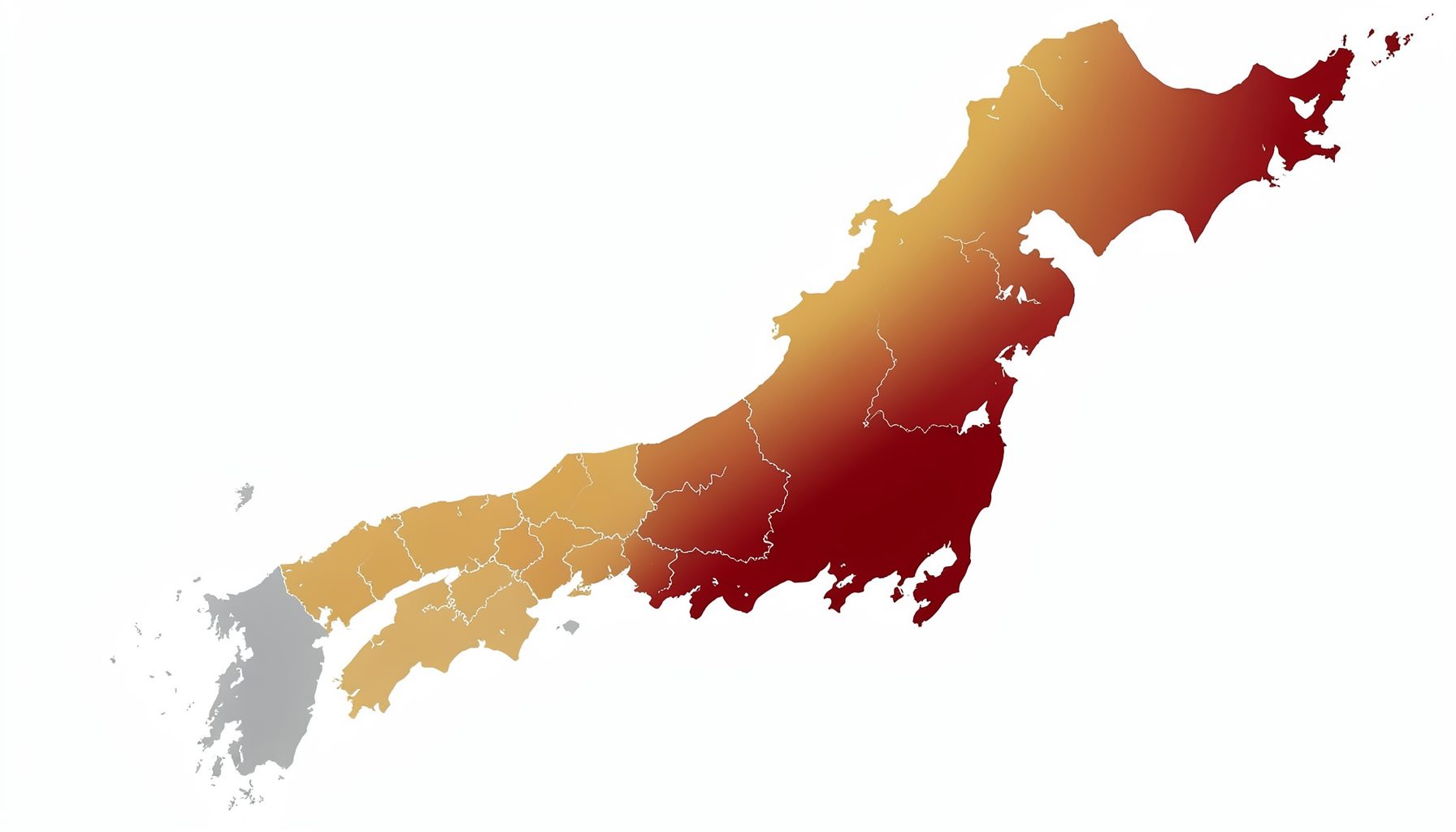
Syndromic surveillance connects these early observations with information from clinics, hospitals, pharmacies, schools, emergency transport services, and laboratories. Japan’s multi-channel approach illustrates how data from different parts of the health system can support faster situational awareness while confirmation and detailed investigation are still under way.
Why Elderly Care Facilities Need Early Signals
Residents in care homes may develop severe illness rapidly, while symptoms can be atypical or difficult to report. A respiratory infection may appear as fatigue, reduced food intake, confusion, or a fall rather than a clear complaint of cough. Some residents have communication difficulties, and staff may initially attribute subtle changes to an existing condition. For this reason, a surveillance system should capture functional and behavioral changes alongside conventional symptoms.
Facility-level outbreaks can also expand before the first diagnosis is recorded. A staff member may work across several units, residents may attend shared activities, and visitors may introduce infections from the community. By the time a laboratory result is available, multiple residents could require isolation, clinical assessment, or hospital transfer.
Syndromic monitoring can detect an unusual concentration of signals, such as an increase in residents with fever over a three-day period or a sudden rise in staff absence. It does not establish the cause by itself. Instead, it acts as an alerting mechanism that prompts infection-control review, targeted testing, clinical assessment, and communication with local health authorities.
Signals Worth Collecting
A practical surveillance system combines resident, staff, service-use, and operational indicators. Daily or near-real-time reporting is especially valuable during periods of heightened respiratory or gastrointestinal activity. Facilities should define consistent thresholds and record zero reports, since the absence of a signal is meaningful only when reporting is reliable.
Core indicators may include:
- New fever or elevated temperature readings
- Cough, sore throat, breathlessness, or reduced oxygen saturation
- Vomiting, diarrhea, abdominal pain, or unexplained dehydration
- Sudden confusion, weakness, falls, or reduced oral intake
- New staff absence attributed to illness
- Ambulance calls, urgent consultations, and hospital transfers
- Requests for additional infection-control supplies
- Positive rapid tests or laboratory results when available
The value of each indicator depends on its baseline. A large facility may report more symptoms than a small one even when its incidence is lower. Rates should therefore be calculated per resident or per staff member, with separate monitoring by unit, ward, shift, and symptom group where possible. A sustained deviation from the normal pattern is generally more informative than a single elevated count.
Facilities should also distinguish between residents with new symptoms and those receiving ongoing treatment for chronic conditions. Clear case definitions, consistent temperature measurement, and standardized reporting forms reduce noise. If a facility changes its screening policy, the resulting increase in recorded symptoms should be documented so analysts do not mistake improved detection for increased transmission.
Linking Facility Reports With Wider Surveillance
Elderly-care data become more powerful when compared with external sources. A rise in respiratory symptoms at several facilities may align with increased outpatient consultations, pharmacy purchases of fever remedies, ambulance transport, or school absenteeism in the same locality. School reporting can offer an indirect view of community transmission because children may carry infections into households and caregiving networks; the school surveillance data resource provides useful context for understanding that signal.
Japan’s surveillance model emphasizes integration across multiple channels. Clinics and hospitals contribute consultation and diagnosis information, pharmacies may reveal changes in medication demand, and laboratories help identify the pathogen once testing is conducted. Ambulance records can indicate increasing severity, while reports from schools and elderly-care facilities may reveal transmission before hospital data rise.
Cross-source comparison should account for differences in timing and coverage. Pharmacy sales may change quickly but lack clinical specificity. Hospital admissions are more severe but occur later. Facility reports may be highly sensitive to local outbreaks but depend on staff capacity and reporting discipline. When several independent streams move in the same direction, confidence in an emerging trend increases.
Turning Trends Into Operational Decisions
A surveillance alert should trigger a defined response rather than simply add another notification to an inbox. Facilities and public-health teams can use graduated thresholds. For example, one unusual symptom may lead to enhanced observation, while linked cases across a unit may prompt cohorting, temporary activity restrictions, staff masking, and immediate testing.
Response plans should identify who reviews the data, who contacts the facility, and who authorizes infection-control measures. A dashboard is useful only when its signals reach people able to act. Regional health departments may establish daily review during seasonal peaks and less frequent review when activity is stable.
Interpretation also benefits from the principles described in this syndromic surveillance primer. Analysts should examine the timing, magnitude, geographic distribution, and persistence of a signal, while considering reporting delays, changes in healthcare-seeking behavior, and recent policy changes.
A facility-level alert may justify a focused investigation, but it should not automatically be treated as proof of an outbreak. Confirmation requires clinical assessment and, where appropriate, laboratory testing. Syndromic surveillance helps determine where to look first and how quickly to deploy limited public-health resources.
| Signal source | What it can show early | Main limitation | Useful response |
|---|---|---|---|
| Resident symptom logs | Clusters of fever, respiratory, or gastrointestinal illness | Variable observation and documentation | Review cases by unit and begin targeted assessment |
| Staff absence records | Workforce disruption and possible transmission among employees | Causes may be unrelated to infection | Check illness reasons and reinforce occupational precautions |
| Ambulance and hospital data | Increasing severity or complications | Usually lags behind initial transmission | Coordinate clinical capacity and escalation pathways |
| Pharmacy activity | Community demand for symptomatic medicines | Products may have many uses | Compare with clinical and facility signals |
| Laboratory testing | Pathogen identification and confirmation | Turnaround time and testing access | Guide treatment, isolation, and outbreak classification |
| School absenteeism | Community transmission in families and neighborhoods | Not specific to older-adult settings | Compare geography and timing with care-home alerts |
Protecting Data Quality And Privacy
Elderly-care surveillance involves sensitive health information. Data collection should be limited to what is necessary for outbreak detection and response. Aggregate counts are often sufficient for routine monitoring, while identifiable information should be restricted to authorized personnel who need it for case management or contact investigation.
Facilities need clear governance rules covering data ownership, retention, access, and secure transmission. Staff should understand why information is collected and how it will be used. Trust improves reporting quality, especially when facilities worry that an outbreak signal could bring reputational harm or regulatory consequences.
Data quality checks should look for missing reports, duplicated cases, sudden changes in facility enrollment, and implausible values. Automated validation can flag a symptom count greater than the number of residents or a sudden disappearance of reporting from one unit. Analysts should preserve an audit trail when definitions or reporting methods change.
Digital monitoring also requires protection from irrelevant or misleading signals. Search behavior, web traffic, and public messages can provide context, but they should be filtered carefully; unrelated online activity, such as unrelated search signals, must not be mistaken for evidence of illness or healthcare demand. Source validation and human review remain essential when automated systems collect broad information.
Designing A Sustainable Monitoring Program
A sustainable program begins with a small set of indicators that facilities can report consistently. Excessive reporting requirements may reduce completeness, particularly during staff shortages or a major outbreak. The initial design should prioritize signals that are timely, interpretable, and connected to specific actions.
Training should cover symptom definitions, reporting deadlines, escalation procedures, and privacy responsibilities. New employees need orientation, while existing staff benefit from periodic refreshers. Facilities can test their procedures through tabletop exercises that simulate a respiratory cluster, gastrointestinal outbreak, or sudden increase in staff illness.
Evaluation should measure timeliness, completeness, alert accuracy, and response speed. Teams can review whether alerts preceded laboratory confirmation, whether investigations were initiated promptly, and whether false alarms consumed excessive resources. Feedback from care workers is important because they can identify practical barriers that are invisible in a central dashboard.
During major international events, seasonal peaks, or periods of unusual community transmission, enhanced monitoring may be appropriate. This can involve more frequent reporting, expanded symptom definitions, closer coordination with hospitals, and faster laboratory referral. Once the elevated risk passes, the system should return to a sustainable baseline rather than leaving facilities with permanent emergency procedures.
Recommendations For Public-Health Teams
- Establish daily or near-real-time reporting for a focused set of respiratory, gastrointestinal, functional, and staffing indicators.
- Define facility-specific baselines and alert thresholds by resident population, unit, season, and reporting coverage.
- Connect elderly-care reports with clinic, hospital, ambulance, pharmacy, school, and laboratory surveillance.
- Pair every alert level with a documented action, responsible person, escalation route, and review deadline.
- Audit data quality and privacy safeguards regularly, including missing reports, access permissions, and changes in case definitions.
Monitoring vulnerable populations works best when it is treated as a shared operational process rather than a stand-alone database. Care facilities observe changes first, public-health teams interpret patterns across locations, laboratories clarify causes, and healthcare services prepare for potential increases in demand. Each component strengthens the others when definitions, timelines, and communication channels are aligned.
The goal is earlier recognition without unnecessary disruption. A carefully designed syndromic system can help teams identify unusual illness, protect residents and staff, focus testing where it is most needed, and respond before an emerging cluster becomes a larger outbreak. Public-health organizations can begin by mapping existing data sources, agreeing on a small set of actionable indicators, and establishing a routine review process with elderly-care facilities.