





Syndromic surveillance for typhoid and paratyphoid fever in endemic regions
Typhoid and paratyphoid fever remain persistent public-health concerns in areas where safe water, sanitation, food hygiene, and access to healthcare are uneven. Both infections are caused by Salmonella enterica serovars, and transmission commonly follows fecal contamination of drinking water or food. Outbreaks can grow quietly because early symptoms often resemble malaria, dengue, viral gastroenteritis, or other febrile illnesses.
Laboratory confirmation through blood culture is important, yet it may be slow, unavailable, or affected by antibiotic use before patients reach a clinic. Syndromic surveillance provides an earlier view by tracking patterns of illness, healthcare use, and community behavior before diagnostic results are complete. It does not replace culture, antimicrobial susceptibility testing, or case investigation. Instead, it helps public-health teams decide where to look and when to act.
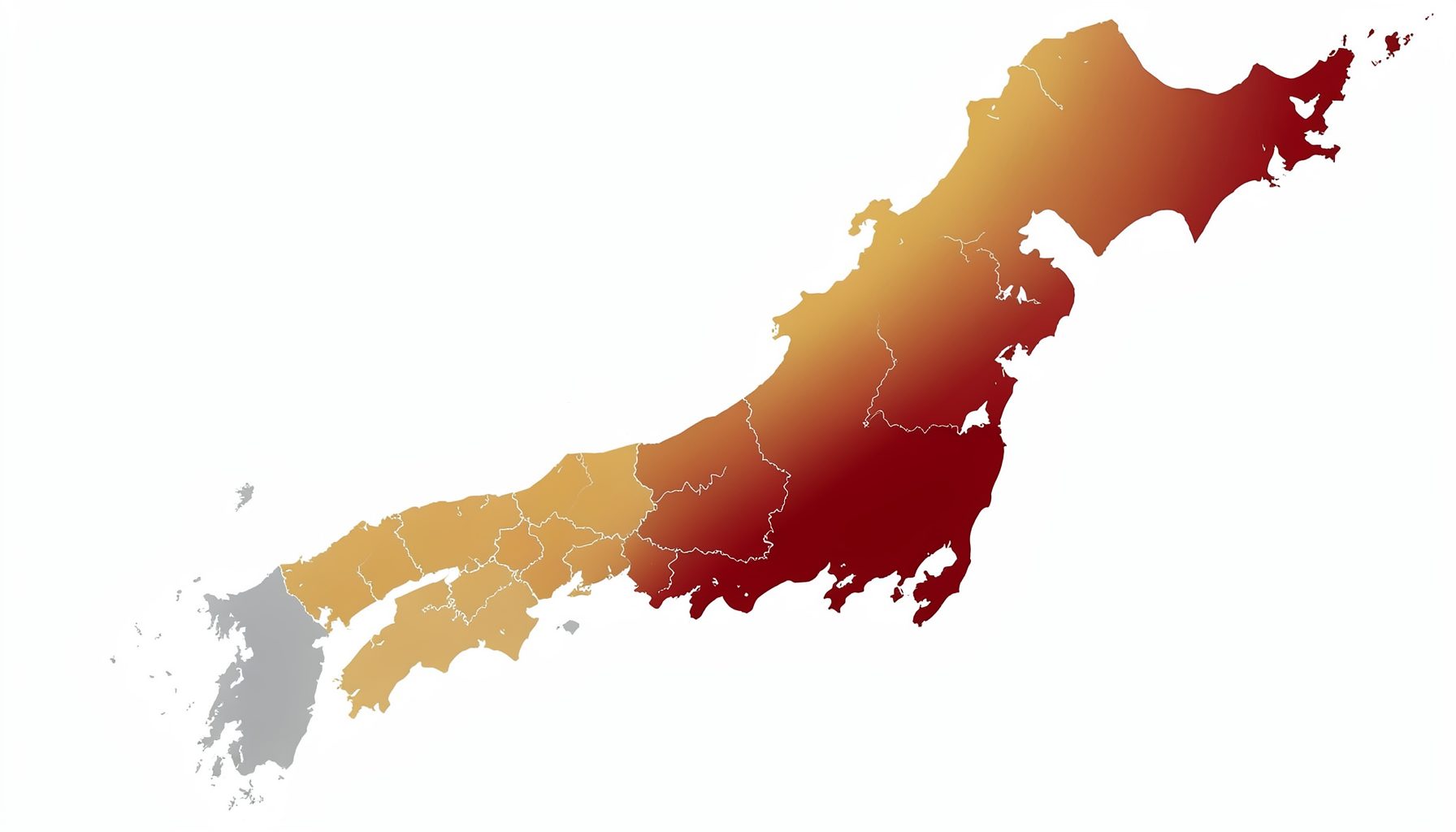
An effective system combines clinical reports with signals from pharmacies, schools, hospitals, ambulance services, laboratories, and community health workers. Japan’s multi-channel surveillance experience illustrates the value of integrating information from different points in the health and social-care system. Similar principles can be adapted to endemic regions, provided that local disease patterns, reporting capacity, and privacy requirements shape the design.
Why early warning matters for enteric fever
Typhoid and paratyphoid transmission may increase after flooding, water-system failures, displacement, population gatherings, or disruptions to sanitation services. A rise in undifferentiated fever can appear in clinics before physicians have enough evidence to identify a particular pathogen. In densely populated communities, even a modest increase in febrile illness may signal a wider exposure.
Syndromic surveillance focuses on symptoms, provisional diagnoses, or healthcare events rather than waiting for confirmed laboratory results. Useful case definitions may include prolonged fever, fever with abdominal pain, fever with diarrhea or constipation, headache with malaise, or suspected enteric fever recorded by a clinician. These definitions should remain broad enough to capture early cases while using additional fields to improve interpretation.
The system must account for the clinical overlap between enteric fever and other infections. A fever alert alone is rarely specific. The signal becomes more meaningful when it is concentrated geographically, persists across several reporting periods, coincides with gastrointestinal complaints, or appears alongside water and sanitation concerns. Case study examples can help teams examine how multiple weak signals become actionable when viewed together.
Choosing signals that reflect community transmission
The strongest surveillance design uses complementary data streams. Primary-care consultations can show increases in fever and gastrointestinal illness, while hospital admissions reveal severe disease and complications. Emergency departments and ambulance dispatches may identify clusters among people who bypass local clinics. Laboratory reports then help verify whether the syndrome is associated with S. Typhi or S. Paratyphi.
School absenteeism is particularly useful for detecting changes among children, who may represent an important share of patients in endemic areas. A sudden increase in absences because of fever, diarrhea, or abdominal illness can prompt a review of local water, food, and hygiene conditions. However, absence data should be interpreted alongside enrollment changes, examinations, seasonal holidays, and other causes of nonattendance. A school absenteeism guide offers practical context for building this type of reporting channel.
Pharmacy and medicine-dispensing information adds a community-level perspective. Increased purchases of oral rehydration salts, antipyretics, antidiarrheal products, or antibiotics may indicate more illness outside formal facilities. Sales data can be distorted by promotions, shortages, self-medication, and treatment guidelines, so it should be treated as a proxy rather than a case count. The principles described in pharmacy sales data can be adapted to gastrointestinal and febrile disease monitoring.
Designing a practical data architecture
A basic system begins with a small number of standardized variables: reporting location, date of consultation, age group, sex where appropriate, symptom category, provisional diagnosis, admission status, treatment, and outcome. For suspected enteric fever, teams may add duration of fever, abdominal symptoms, recent antibiotic exposure, travel or migration history, drinking-water source, and links to known cases. Personal identifiers should be limited to what is required for follow-up.
Data can arrive through electronic reporting platforms, mobile forms, telephone summaries, or weekly spreadsheets. The collection method matters less than consistency, timeliness, and clear responsibility. Facilities need to know which cases to report, how often to submit information, what constitutes an alert, and who will contact them when a signal requires clarification.
Denominators are essential. Ten fever consultations may be unusual in a small clinic but routine in a large hospital. Rates per 1,000 consultations, enrolled pupils, residents, or pharmacy transactions allow comparisons across sites and time. Teams should also track reporting completeness, because an apparent decline may reflect missing data rather than fewer illnesses.
A useful alert threshold can combine a historical baseline with operational judgment. For example, an alert may be generated when the current weekly rate exceeds the expected range for that location, when several neighboring sites report similar increases, or when a single facility records an unusual cluster of severe cases. Thresholds should be reviewed after outbreaks, seasonal changes, population movements, and improvements in reporting.
Comparing surveillance channels
No single stream provides a complete picture of enteric fever activity. Each has different speed, coverage, specificity, and vulnerability to bias. Combining them enables public-health officers to distinguish a localized clinical anomaly from a broader community event.
| Surveillance channel | Early signal | Main strengths | Common limitations | Useful follow-up |
|---|---|---|---|---|
| Primary-care clinics | Fever and gastrointestinal consultations | Broad access and clinical context | Misses people who do not seek care | Review case notes and collect specimens |
| Hospitals and emergency departments | Severe febrile illness and admissions | Identifies complications and hotspots | Represents a smaller, more severe subset | Investigate clusters and admission patterns |
| Laboratories | Positive cultures and resistance profiles | Confirms etiology and guides treatment | Delayed, incomplete, and resource-dependent | Link results to place and onset date |
| Pharmacies | Increased sales of fever, rehydration, or antibiotic products | Captures community care-seeking | Affected by stock, price, and prescribing behavior | Check retailers, stock levels, and nearby clinics |
| Schools | Absenteeism linked to fever or gastrointestinal symptoms | Timely information on children and institutions | Influenced by holidays and unrelated absence | Inspect water, food, sanitation, and illness records |
| Ambulance services | Calls for severe fever or dehydration | Can identify urgent clusters | Limited geographic and socioeconomic coverage | Map calls and compare with hospital arrivals |
| Community health workers | Household reports and local concerns | Reaches underserved populations | Variable definitions and reporting regularity | Conduct active case finding and referral |
The value of the comparison lies in triangulation. A rise in pharmacy purchases without a corresponding increase in clinic visits may indicate self-treatment, a reporting failure, or a change in medicine availability. A cluster of school absences followed by increased clinic consultations is more concerning, especially if affected pupils share a water source or food vendor.
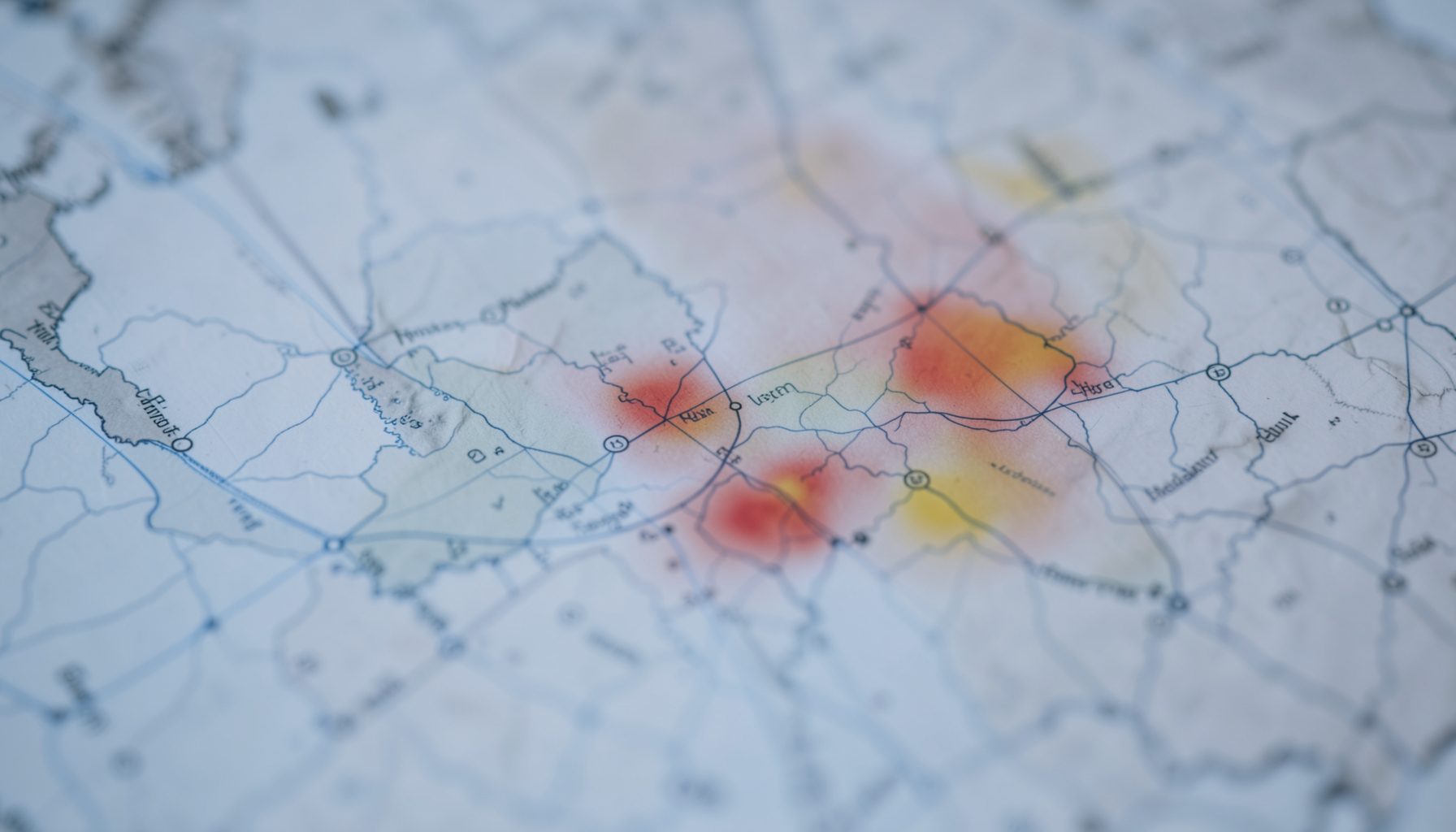
Data integration does not require an expensive national platform at the beginning. A district dashboard can display weekly counts, rates, map locations, reporting completeness, and laboratory confirmation status. Automated alerts can notify epidemiologists when thresholds are crossed, while human review prevents every statistical fluctuation from becoming an emergency response.
From an alert to an epidemiological response
An alert is a prompt for verification, not proof of an outbreak. Public-health staff should first confirm that the increase is real. They can contact reporting sites, check whether definitions changed, examine missing submissions, review medicine stock levels, and compare the pattern with other febrile diseases. They should also ask whether a local event, festival, flood, school reopening, or population movement could explain the change.
If the signal persists, investigators can conduct active case finding and create a line list containing symptom onset, residence, occupation or school, water and food exposures, healthcare visits, treatment, and laboratory status. Specimen collection should follow national guidance, with blood cultures obtained before antibiotics whenever feasible. Antimicrobial susceptibility testing is crucial because resistant strains can complicate treatment and spread through communities.
Environmental and preventive measures may begin before all laboratory results are available when the risk is credible. Teams can inspect drinking-water systems, chlorination practices, food preparation sites, sanitation facilities, and waste disposal. Risk communication should provide practical advice on hand hygiene, safe water storage, food handling, and when to seek care, while avoiding blame toward affected communities.
The response should remain proportionate. A small cluster in one institution may require targeted inspection and monitoring, whereas geographically dispersed increases may call for expanded testing, healthcare guidance, and broader water and sanitation action. After the event, teams should assess how quickly the signal was detected, which data streams contributed, where delays occurred, and whether the case definition needs revision.
Protecting data quality and public trust
Syndromic surveillance is only as reliable as its reporting network. Staff turnover, internet interruptions, unavailable diagnostic supplies, and heavy clinical workloads can produce gaps. Routine feedback helps sustain participation: facilities should receive summaries showing how their reports support local decisions, rather than sending data into an unseen central system.
Data quality checks should identify duplicate records, impossible dates, abrupt changes in reporting volume, and inconsistent symptom coding. Analysts should distinguish a true rise in disease from a rise caused by a new reporting facility or an awareness campaign. Historical baselines should be recalculated when population size, healthcare access, or diagnostic practice changes substantially.
Privacy safeguards are especially important when linking school, pharmacy, laboratory, and clinical information. Reports used for trend analysis generally need aggregated counts rather than names. Case investigation may require identifiable records, but access should be role-based, secure, and limited to defined public-health purposes. Communities are more likely to cooperate when surveillance processes are transparent and clearly connected to services.
Equity should guide interpretation. Remote villages, informal settlements, displaced populations, and people unable to pay for care may be underrepresented in facility data. Community health workers, outreach clinics, school reports, and water-quality monitoring can help compensate for those gaps. A system that detects illness only among people with easy healthcare access may underestimate transmission where intervention is most needed.
Priorities for implementation
A district or national program can begin with a focused pilot and expand as data quality improves. The following priorities support a useful early-warning system:
- Define a small, consistent syndrome for prolonged or acute fever with gastrointestinal symptoms, while retaining a separate category for severe dehydration or hospitalization.
- Combine clinic, hospital, laboratory, pharmacy, school, ambulance, and community reports instead of relying on a single indicator.
- Establish weekly reporting, clear alert thresholds, denominator-based rates, and a named person responsible for verification.
- Link alerts to practical actions, including specimen collection, antimicrobial resistance testing, water and sanitation inspection, and targeted risk communication.
- Measure reporting completeness, timeliness, confirmation rates, and response intervals after every suspected cluster.
A pilot should include locations with different levels of healthcare access and transmission risk. This reveals whether the surveillance design works only in well-connected facilities or also reaches communities that are usually missed. Training should cover symptom definitions, data protection, specimen referral, and the distinction between an alert and a confirmed case.
Syndromic surveillance for typhoid and paratyphoid fever in endemic regions is most effective when it becomes part of routine public-health practice rather than a temporary outbreak project. Begin with a manageable set of data streams, connect alerts to field investigation, and strengthen the system through repeated evaluation. Early, coordinated action can limit transmission while laboratory teams establish the cause and guide appropriate treatment.