




Why Pharmacy Sales Data Is A Vital Signal For Respiratory Virus Spread
Respiratory viruses can spread through a community for days before laboratories confirm a noticeable increase in infections. During that interval, people may already be visiting pharmacies for fever reducers, cough remedies, throat lozenges, nasal treatments, masks, and diagnostic test kits. These purchases create a useful population-level signal of changing illness activity.
Pharmacy data does not identify every infected person, and a sale is not the same as a diagnosis. However, aggregated changes in demand can reveal that more households are responding to respiratory symptoms. When these changes are assessed with clinical reports, school absenteeism, ambulance calls, and laboratory results, they can help public-health teams recognize an outbreak earlier.
Japan’s multi-channel syndromic surveillance approach provides a valuable setting for understanding this role. Information from pharmacies can complement reports from clinics, hospitals, schools, elderly-care facilities, emergency transport services, and testing laboratories. Together, these sources give officials a more timely and detailed picture of respiratory virus transmission.
Why Pharmacy Activity Changes Early
People often visit a pharmacy before they consult a doctor. Mild fever, a persistent cough, congestion, and sore throat may be managed at home with over-the-counter products. Families may also purchase several items at once when a child becomes ill, while workplaces and care facilities may buy masks or other protective supplies when respiratory infections begin circulating.
This behavior means pharmacy demand can shift before formal case counts rise. A person who never enters the healthcare system may still contribute to a measurable increase in sales. In areas where access to medical care is uneven, retail purchasing can offer a broader view of community symptoms than clinic attendance alone.
Timing is particularly important. Laboratory confirmation is highly valuable, but it can involve specimen collection, transport, testing, reporting, and data consolidation. Pharmacy transactions may be available sooner, allowing surveillance teams to investigate an unusual increase while it is still developing rather than waiting until a wave is firmly established.
The most useful signal is rarely a single day of high sales. Seasonal promotions, stockpiling, holidays, weather changes, and supply disruptions can all affect purchasing. Analysts therefore look for sustained departures from expected patterns, changes across several product categories, and geographic clustering.
What The Signal Actually Measures
Pharmacy surveillance measures changes in health-related behavior and product demand rather than infection directly. A rise in antipyretic purchases may indicate more people have fever, but it may also reflect precautionary buying. Increased sales of cough medicine may result from respiratory infections, allergies, air pollution, or a popular product promotion.
Interpretation improves when products are grouped by their likely relationship to symptoms. Cough and cold remedies, fever medication, throat treatments, nasal products, masks, and home test kits can each provide different clues. A simultaneous increase across related categories is generally more informative than an isolated rise in one brand or product type.
The data also needs a baseline. Sales that are normal during winter may be unusual in summer, while school holidays and public events can alter purchasing behavior. A surveillance model can compare current activity with historical patterns for the same region, weekday, season, and product class. This helps distinguish an emerging respiratory illness from ordinary variation.
Privacy and governance are essential. Public-health analysis should rely on aggregated, de-identified information and clear rules for access, retention, and publication. The objective is to identify population trends, not to track individual customers. Transparent safeguards also make it easier for retailers, healthcare providers, and the public to support surveillance activities.
Reading Pharmacy Data With Other Signals
No surveillance channel provides a complete picture. Pharmacy purchases may appear early, while hospital admissions may appear later and indicate more severe disease. Laboratory testing can identify the responsible pathogen, whereas retail data may show only that respiratory symptoms or concern are increasing. Their differences make them complementary.
School absenteeism is especially useful for interpreting pediatric transmission. A rise in medicine purchases near schools, followed by increasing student absences, may strengthen the case that illness is spreading among children rather than reflecting general consumer behavior. Public-health teams can compare pharmacy activity with school absenteeism data to detect changes in timing, location, and affected age groups.
Ambulance calls and emergency department visits help assess severity. If pharmacy sales rise while emergency demand remains stable, the community may be experiencing a broad but mostly mild illness wave. If both increase, officials may need to examine healthcare capacity, vulnerable populations, and the possibility of a more serious pathogen or a rapid escalation.
Clinical reports and laboratory testing add diagnostic context. A pharmacy signal can prompt targeted sampling, while test results can confirm whether influenza, respiratory syncytial virus, coronavirus, or another pathogen is responsible. This two-way relationship makes early warning more useful: retail data can guide investigation, and laboratory evidence can refine interpretation.
Comparing Signals Across The System
The value of pharmacy information becomes clearer when each channel is viewed according to its timing, coverage, and specificity. The following comparison describes common roles within an integrated respiratory surveillance system.
| Surveillance source | What it can show | Typical timing | Main limitation |
|---|---|---|---|
| Pharmacy sales | Changes in demand for symptom remedies, masks, and home tests | Often early | Purchases do not confirm infection |
| Clinic reports | People seeking care for respiratory symptoms | Early to middle | Misses people who self-treat |
| School absenteeism | Illness-related disruption among students and staff | Early in school-linked spread | Affected by holidays and attendance policy |
| Ambulance and emergency data | Severe illness and urgent healthcare demand | Middle to late | Less sensitive to mild community transmission |
| Laboratory testing | Pathogen identification and positivity trends | Variable, often after symptoms begin | Depends on testing access and reporting speed |
| Hospital admissions | Serious disease burden and healthcare pressure | Later | May lag behind community transmission |
A strong early-warning system does not treat the earliest signal as the most accurate one. Instead, it asks whether several independent indicators are moving in a consistent direction. For example, increased purchases of fever medicine, more school absences, and a rise in outpatient respiratory complaints may justify closer monitoring even before laboratory confirmation is available.
Discordant signals are also informative. If pharmacy sales increase without corresponding clinical activity, officials can investigate advertising, shortages, weather, or public concern. If hospital admissions rise while retail sales remain flat, the affected population may have limited access to pharmacies, or the illness may be concentrated in institutional settings such as care homes.
Strengths And Limits Of Retail Evidence
The main strength of pharmacy sales data is breadth. Retail transactions capture people who may never seek medical advice, including those with mild symptoms and those who care for sick family members. Data can often be organized by location and product group, supporting local comparisons and rapid detection of unusual patterns.
Another advantage is operational speed. Electronic point-of-sale systems may produce frequent updates, allowing analysts to observe whether demand is accelerating, stabilizing, or returning to baseline. This can support decisions about public messaging, medicine availability, testing resources, and communication with schools or care facilities.
There are important limitations. A product may be unavailable even when demand is high, creating a misleading fall in sales. Consumers can switch brands, order online, use medicine already stored at home, or respond to media coverage rather than personal illness. Differences in pharmacy density, purchasing habits, and age structure can also complicate comparisons between communities.
For these reasons, retail data should generate an alert, not a definitive diagnosis. Analysts should monitor stock levels, retailer coverage, online sales where appropriate, price changes, holidays, and changes in health guidance. Statistical methods can identify anomalies, but epidemiological judgment is needed to decide whether an anomaly warrants field investigation.
How Japan Can Use Pharmacy Reports
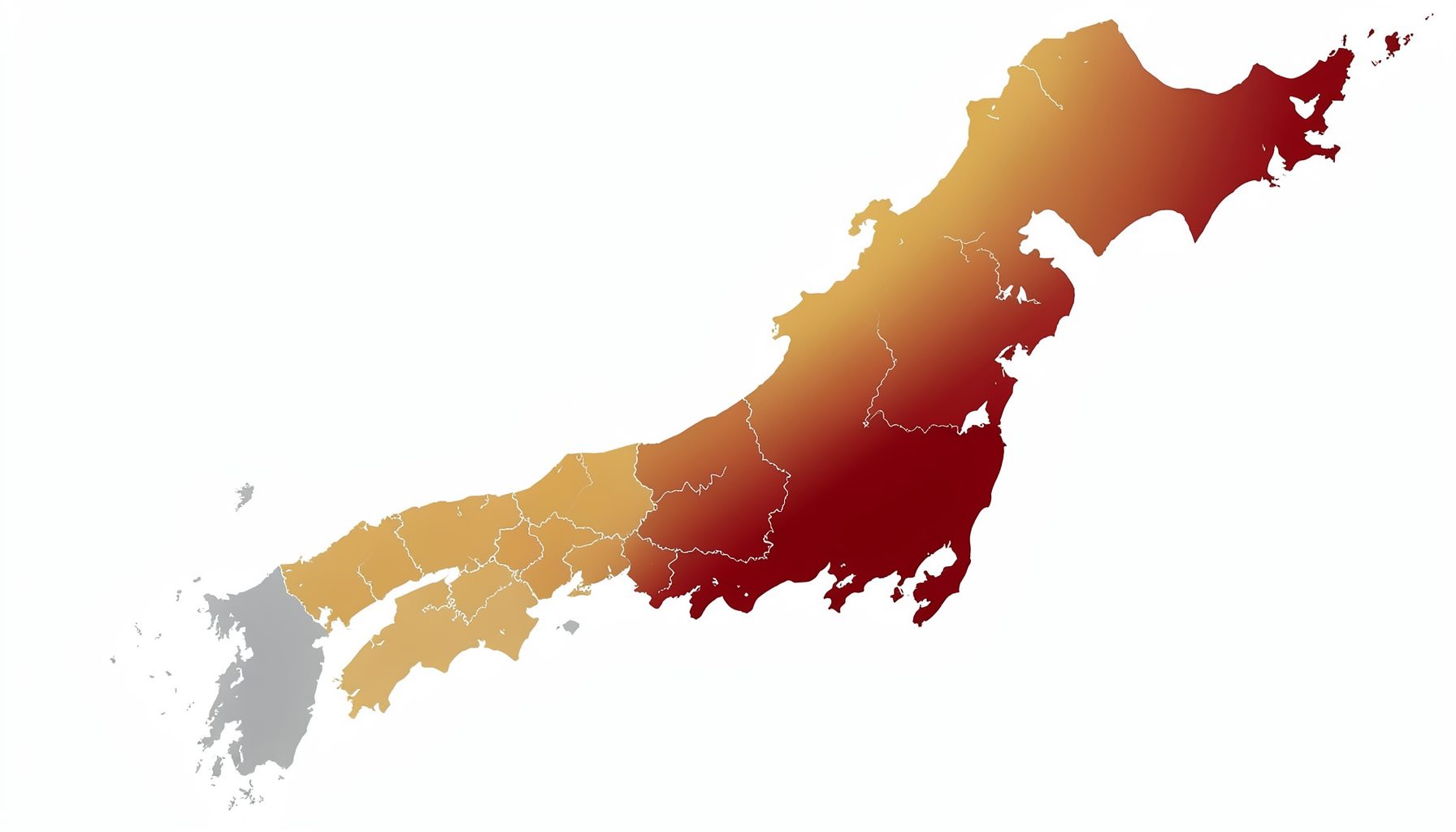
Japan’s surveillance environment is well suited to combining retail evidence with information from multiple points of care. Pharmacy activity can help fill the gap between household symptoms and formal medical reporting, especially when individuals choose self-care or when clinics face increased demand. It can also provide local detail that supports rapid comparison across municipalities or prefectures.
A structured pharmacy surveillance resource can help users understand what product categories are tracked, how reports are interpreted, and how pharmacy trends relate to other indicators. Clear documentation matters because a signal is useful only when decision-makers understand its coverage, timing, and uncertainty.
During large international events, enhanced monitoring may be needed. Visitors can introduce or acquire infections across densely connected locations, while crowded transport, temporary accommodation, and mass gatherings change normal patterns of healthcare use. Pharmacy data can help identify unusual demand near event venues, airports, and host communities, particularly when combined with event-specific clinical and laboratory monitoring.
The response should be proportionate. A modest rise in cold medicine purchases may call for closer analysis and targeted communication, not immediate restrictions. If the signal is sustained and supported by other channels, authorities might expand testing, advise healthcare providers, check supplies, or strengthen monitoring in schools and elderly-care settings.
Practical Steps For Better Use
Public-health teams can improve the value of pharmacy signals by establishing consistent methods before an outbreak occurs. Preparedness includes defining product groups, setting baseline periods, agreeing on alert thresholds, and assigning responsibility for reviewing unusual patterns. It also requires relationships with pharmacy organizations and retailers so data can be shared quickly under appropriate privacy protections.
The following practices make interpretation more reliable:
- Track grouped symptom-related categories rather than relying on one product or brand.
- Adjust for seasonality, holidays, promotions, supply shortages, and changes in pharmacy coverage.
- Compare pharmacy activity with school, clinic, ambulance, hospital, and laboratory indicators.
- Use geographic and age-related context where lawful, aggregated, and statistically sound.
- Link alerts to predefined actions, such as targeted testing, stock checks, or public-health communication.
Communication should explain uncertainty without weakening the value of early warning. Officials can report that demand for relevant products is above the expected range while stating that sales do not establish a diagnosis. This distinction helps prevent unnecessary alarm and reinforces why multiple surveillance channels are reviewed together.
Turn Early Signals Into Faster Action
Pharmacy sales data is most valuable when it shortens the distance between the first signs of community illness and a practical public-health response. It can reveal self-treated symptoms, identify areas that deserve attention, and support more focused use of laboratory and clinical resources. Its strength comes from speed and reach, while its limitations are managed through validation and integration.
Organizations involved in respiratory surveillance should build pharmacy monitoring into routine preparedness rather than activate it only after hospitals become busy. Establish data-sharing agreements, review baseline methods, and connect alerts to clear response protocols. Used responsibly, retail evidence can help communities recognize respiratory virus spread sooner and respond before pressure on healthcare services becomes harder to manage.