





Using ambulance data to detect suicide attempt clusters
Suicide attempts can appear in emergency care data before a wider pattern becomes visible to public-health teams. Ambulance dispatches and transport records provide a time-sensitive view of acute self-harm events, including incidents that may never be captured by routine outpatient reporting or laboratory-based surveillance. Used carefully, these records can support earlier investigation, targeted prevention, and faster coordination between emergency services and community organizations.
Syndromic surveillance for suicide attempt clusters applies the same early-warning principle used for infectious diseases, but the signals, safeguards, and response pathways are different. The aim is not to label individuals or predict who will attempt suicide. It is to identify unusual concentrations of suspected self-harm-related emergency calls, assess whether the pattern is real, and connect affected areas with appropriate support.
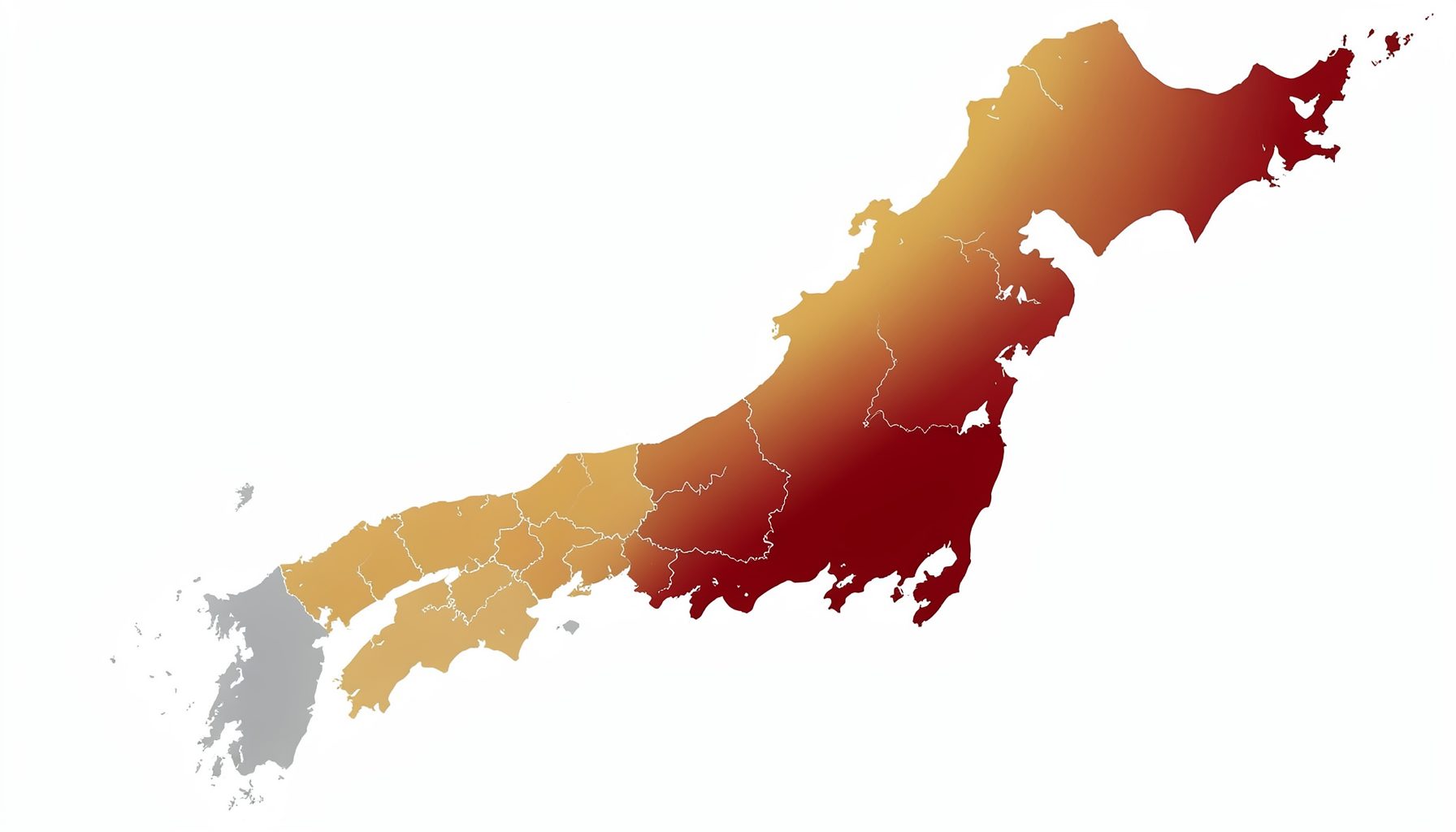
Ambulance data are especially valuable when integrated with other channels. Hospital emergency-department records, poison-center contacts, school absenteeism, pharmacy activity, mental-health service use, and social-care information can add context. Japan’s multi-channel surveillance model offers a useful framework for thinking about how separate streams can be combined without treating any single source as a complete account of community risk.
Why ambulance records matter
Emergency medical services operate close to the moment when a crisis occurs. Dispatch timestamps, pickup locations, transport destinations, age bands, reported circumstances, and clinical impressions can reveal geographic or temporal changes sooner than finalized hospital statistics. A rise in ambulance transports for suspected self-harm during a particular weekend, after a local disruption, or within a defined age group may merit rapid review.
These records also capture the operational burden placed on emergency systems. Analysts can examine call volume, response intervals, repeat incidents at locations, transport refusal, and the proportion of cases taken to hospitals. Such information may show where referral pathways are under pressure or where people are reaching emergency care without receiving timely follow-up.
The data have important limits. A dispatch code may describe a suspected overdose, injury, altered consciousness, or welfare concern rather than a confirmed suicide attempt. Some attempts do not result in an ambulance call, while some calls are later found to involve accidental injury or another medical condition. For that reason, an ambulance-based signal should be treated as an alert for validation, not as a definitive count.
Designing a meaningful early-warning signal
A surveillance team first needs a case definition that is broad enough to detect emerging activity and specific enough to avoid overwhelming investigators with noise. Possible inputs include dispatch reason, paramedic impression, mechanism of injury, suspected intentional poisoning, documented self-harm, and transport destination. Definitions should be tested against a sample of clinical records and revised when systematic misclassification is found.
The signal can be built from several measures. A simple count of suspected self-harm transports may detect a sudden increase, while a rate per population helps compare areas of different size. Moving averages, historical baselines, day-of-week adjustments, and statistical control limits can distinguish unusual activity from predictable variation. A cluster might be defined by an excess of events in a small geographic area, a short time window, or a particular demographic group.
Analysts should examine multiple time scales. Hourly monitoring may be appropriate for a major event or rapidly changing local situation, whereas weekly review can identify a gradual increase across schools, neighborhoods, or health facilities. Flexible space-time methods can help identify concentrations without assuming that every cluster follows the same shape. Thresholds should trigger human review rather than automatic public disclosure or enforcement action.
A useful cost-effectiveness assessment can compare the resources required for data integration, validation, staffing, and outreach with the potential value of earlier detection. The calculation should include avoided repeat crises, improved referral completion, reduced emergency-service pressure, and the consequences of false alarms.
Combining ambulance data with other channels
Ambulance records become more informative when they are compared with independent sources. Emergency-department syndromic records may confirm whether transports are producing a corresponding rise in self-harm presentations. Poison-center calls can identify changes in suspected ingestion before hospital coding is complete. School absenteeism may provide contextual information about distress among younger people, although absence alone cannot indicate suicidal behavior.
Pharmacy surveillance can contribute information about unusual demand for certain medicines, but dispensing data must be interpreted cautiously. A change may reflect prescribing practices, seasonal illness, stock issues, or legitimate treatment needs rather than self-harm. Resources such as pharmacy daily illustrate how frequent medicine-related reporting can fit within a broader monitoring architecture without becoming a proxy for individual intent.
Other channels may include crisis-line contacts, mental-health urgent-care visits, social-service referrals, and reports from schools or elderly-care facilities. During major international events, enhanced monitoring may be useful because transport patterns, crowd density, alcohol consumption, public messaging, and access to care can change quickly. The purpose is to improve situational awareness while maintaining the same privacy and safeguarding standards used during routine operations.
| Data channel | What it may show | Key limitation | Best use |
|---|---|---|---|
| Ambulance dispatch and transport | Acute incidents, timing, location, emergency workload | Suspected rather than confirmed intent; excludes non-transported cases | Rapid detection and operational response |
| Hospital emergency records | Clinical assessment, treatment, discharge and referral | Coding delays and inconsistent documentation | Signal validation and outcome review |
| Poison-center contacts | Suspected exposures and substance patterns | May include accidental ingestion; incomplete geographic detail | Early indication of poisoning-related activity |
| School absenteeism | Changes in attendance and possible community disruption | Non-specific and affected by many social factors | Context for youth-focused assessment |
| Pharmacy activity | Dispensing or purchase patterns | Confounding by prescribing, supply, and demand | Supporting evidence, not case confirmation |
| Crisis and social-care services | Help-seeking and unmet support needs | Variable reporting and access bias | Service planning and prevention outreach |
Protecting privacy and preventing harm
Suicide-related surveillance carries a higher ethical burden than many routine health-monitoring programs. Small-area maps, exact timestamps, or detailed descriptions of methods can make people identifiable, particularly in rural communities or small institutions. Reports should use aggregation, suppression rules, minimum cell sizes, and controlled access. Analysts should avoid publishing information that could identify a survivor, family, school, workplace, or specific site.
Data governance should define who can access raw records, how long they are retained, and when linked datasets are destroyed or de-identified. Ambulance services, hospitals, public-health authorities, and social-care partners need written agreements covering permitted uses, security controls, and accountability. Any linkage to demographic or clinical information should have a clear public-health purpose and appropriate oversight.
Communication also requires care. Public alerts should avoid sensational language, graphic details, speculation about causes, or descriptions that could encourage imitation. A notification should state what is known, what remains uncertain, and what support is available. When an apparent cluster involves a school, workplace, online community, or residential facility, communication should be coordinated with safeguarding professionals and local leaders rather than released as an unverified headline.
Surveillance must never replace direct care. A statistical alert should lead to a structured review of service capacity, outreach options, and immediate safety needs. People affected by a suspected cluster deserve confidential, accessible support, and survivors should not be treated as data points or presumed to share the same cause.
Validating a detected cluster
Every alert needs a validation workflow. First, analysts should check for technical explanations such as a dispatch-system change, revised coding guidance, duplicate records, delayed batch uploads, or a temporary data-feed failure. They should then compare ambulance activity with hospital presentations and other available sources to determine whether the increase is corroborated.
Clinical review is essential, but it must use the minimum necessary information. A trained reviewer can inspect de-identified case summaries to assess whether the event meets the operational definition. The review should record uncertainty and explain why cases were included or excluded. This prevents a dramatic but inaccurate alert from becoming embedded in official statistics.
Once a signal is judged credible, an incident team can assess timing, location, population groups, possible shared exposures, and gaps in follow-up care. The response may involve contacting local health services, increasing crisis-support capacity, checking access to lethal means, offering postvention support, or reviewing how ambulance crews and emergency departments share referrals. These actions should be proportionate to the evidence and designed with people who understand the affected community.
Evaluation continues after the event. Teams should measure sensitivity, positive predictive value, time from event to alert, time to validation, and whether recommended support reached the people and services concerned. An approach used for respiratory monitoring can offer technical lessons too; for example, air-quality analysis demonstrates how an external exposure and emergency-care signal can be examined together without assuming that correlation proves causation.
Building a responsible operating model
A practical system needs clear ownership. Ambulance services may manage the incoming operational data, public-health analysts may maintain the detection rules, and clinical or safeguarding specialists may lead case validation. Hospitals, schools, social-care agencies, and community organizations should know how to report relevant context and how they will receive information when a signal is confirmed.
Technical infrastructure should support secure, timely exchange rather than create a complicated dashboard with no response capacity. Useful features include automated quality checks, version-controlled case definitions, audit logs, role-based access, and visualizations that show uncertainty. A small multidisciplinary team with a reliable process is more valuable than a large system that produces alerts nobody can investigate.
Training should cover suicide-safer communication, cultural competence, data protection, and the interpretation of syndromic indicators. Front-line staff need to understand how their documentation affects surveillance quality, while analysts need to understand the realities of emergency dispatch and clinical care. Regular exercises can test whether an alert reaches the right people quickly and whether the response avoids unnecessary exposure of personal information.
- Establish a validated, transparent case definition for suspected self-harm-related ambulance events.
- Set alert thresholds using local baselines, seasonal patterns, and population size.
- Triangulate ambulance signals with hospital, poison-center, school, pharmacy, and support-service data.
- Apply strict privacy controls, small-number suppression, and suicide-safer communication standards.
- Evaluate every alert for accuracy, response time, service impact, and unintended harm.
From detection to timely support
Ambulance data can provide an important early view of suicide attempt clusters, especially when emergency services notice changes before routine statistics are finalized. Its value grows when it is combined with complementary surveillance channels, tested against clinical evidence, and connected to practical prevention and postvention resources.
Public-health agencies should begin with a limited, governed pilot in which data quality, thresholds, privacy protections, and response responsibilities are documented in advance. Engage ambulance clinicians, hospitals, people with lived experience, safeguarding specialists, and community partners before operational deployment. Early-warning data should lead to compassionate, evidence-informed support—not speculation—and every credible signal should be met with a coordinated effort to protect lives and strengthen access to care.