





Syndromic surveillance for asthma exacerbations and air quality
Asthma exacerbations can rise quickly when people encounter fine particulate matter, ozone, nitrogen dioxide, smoke, pollen, or other airborne irritants. Laboratory confirmation is rarely the first indication of this type of respiratory stress. A person may seek urgent care, use a rescue inhaler, visit a pharmacy, miss school, or call an ambulance before a formal diagnosis is recorded.
Syndromic surveillance helps public-health teams detect these changes through early, non-diagnostic indicators. Instead of waiting for confirmed case reports, analysts monitor patterns in healthcare use and community activity, then compare them with environmental conditions and historical baselines. The approach can reveal unusual respiratory demand while there is still time to issue health advice, prepare services, and investigate the cause.
For asthma monitoring, the most useful system combines clinical data with air-quality measurements. The resulting picture is more informative than any single data stream because it shows both the environmental exposure and its effects on people across different settings.
Why asthma signals matter before confirmation
Asthma attacks are episodes of worsening airway inflammation and narrowing. Symptoms can include wheezing, coughing, chest tightness, and shortness of breath, but they are not always coded consistently at the first point of care. Some people manage symptoms at home, while others obtain medication from a pharmacy or use emergency services only when breathing becomes difficult.
This makes syndromic indicators valuable. An increase in visits for breathing difficulty, nebulizer treatments, short-acting bronchodilator prescriptions, emergency calls, or respiratory complaints may provide an early warning of increased asthma activity. These indicators do not prove that air pollution caused the symptoms, but they can identify a pattern that deserves rapid assessment.
Timing is important. Air pollution can affect sensitive people within hours, while other changes may appear after several days of sustained exposure. Comparing symptom activity with hourly and daily pollutant concentrations allows analysts to examine lags, seasonal patterns, weather conditions, and differences between age groups or locations.
Connecting symptoms with environmental exposure
Air-quality surveillance should include the pollutants and biological triggers most relevant to the local population. Fine particulate matter, often called PM2.5, can penetrate deep into the lungs. Larger particles such as PM10 may irritate the upper and lower airways, while ground-level ozone can worsen breathing by inflaming lung tissue. Nitrogen dioxide from traffic and combustion sources is also relevant in urban areas.
Pollen, dust, wildfire smoke, and indoor exposures may create additional risk. Weather variables such as temperature, humidity, wind direction, and atmospheric stagnation can help explain why pollution accumulates or why pollen dispersal changes. Heat can compound respiratory stress, and methods used for heat-related illness monitoring can inform broader environmental health surveillance.
A useful analysis does not treat correlation as proof of causation. Respiratory viruses, seasonal allergies, medication access, school schedules, holidays, and healthcare-seeking behavior can all influence the same indicators. Analysts should therefore compare several data sources, examine exposure windows, and use control periods or neighboring areas where appropriate.
A multi-channel view of respiratory deterioration
A national or regional syndromic surveillance system can draw on clinics, hospitals, ambulance services, pharmacies, schools, elderly-care facilities, and laboratory testing. Each channel captures a different stage of illness. Primary-care records may show mild worsening, pharmacies can reveal medication demand, and emergency services can identify severe attacks.
Hospital emergency department data may include chief complaints, triage notes, diagnosis codes, oxygen treatment, or nebulizer use. Ambulance dispatch records can add information about breathing difficulty before the patient reaches a facility. Laboratory results help distinguish asthma-related symptoms from respiratory infections when testing is available, although they generally arrive later than the first syndromic signals.
| Data source | Possible asthma-related signal | Main value | Important limitation |
|---|---|---|---|
| Clinics and hospitals | Visits for wheezing, dyspnea, asthma, or bronchospasm | Clinical detail and severity information | Coding practices and reporting speed may vary |
| Ambulance services | Dispatches for breathing difficulty or respiratory distress | Rapid indication of severe events | Captures only people using emergency transport |
| Pharmacies | Increased dispensing of reliever inhalers or nebulizer medicines | Shows community treatment demand | Medicine use may reflect routine refills or stockpiling |
| Schools | Absence linked to respiratory symptoms or increased nurse visits | Detects effects among children and adolescents | Absence records may lack a confirmed diagnosis |
| Elderly-care facilities | Respiratory complaints, inhaler use, or urgent transfers | Protects a high-risk population | Small facility populations can create unstable rates |
| Air-quality monitors | PM2.5, ozone, nitrogen dioxide, pollen, and smoke levels | Describes exposure intensity and location | Monitoring stations may not represent every neighborhood |
| Laboratories | Viral or bacterial respiratory test results | Helps identify competing explanations | Results often lag behind symptom onset |
The strength of this model comes from convergence. A rise in rescue-medication dispensing, respiratory complaints at clinics, and emergency calls in areas experiencing elevated PM2.5 is more actionable than a change in any one source. Automated dashboards can flag the pattern, while epidemiologists review data quality, geographic coverage, and alternative explanations.
Turning an early signal into action
Detection should lead to a defined response. When respiratory indicators exceed an expected threshold, public-health teams can verify whether the increase is genuine, assess the affected population, and review current air-quality data. They may also consult hospitals, pharmacies, schools, and environmental agencies to determine whether the signal is localized or widespread.
Public messages should be specific and proportionate. People with asthma may need reminders to follow their written asthma action plan, carry prescribed reliever medication, reduce exposure during pollution peaks, and seek medical help for severe or rapidly worsening symptoms. Communications can include advice on checking air-quality forecasts, limiting strenuous outdoor activity, and keeping windows closed when outdoor smoke or pollution is high.
Healthcare services may need advance notice of increased demand. Facilities can review supplies of inhaled medicines, spacers, oxygen, and nebulization equipment; confirm staffing arrangements; and ensure that triage protocols recognize severe breathing difficulty. A syndromic warning is most useful when it connects data analysis with practical readiness rather than producing an alert without an operational pathway.
Using schools and community settings
Children are an important population for asthma surveillance because outdoor activity, classroom conditions, pollen exposure, and viral infections can influence symptoms. School records may identify increased absenteeism, visits to a school nurse, requests for inhalers, or clusters of breathing complaints. These data can supplement healthcare information, especially when families do not seek immediate medical attention.
Resources for school absenteeism data can support monitoring of respiratory effects in educational settings. Analysts should protect confidentiality and use aggregated information wherever possible. A sudden increase in absence may signal asthma, infection, poor indoor air quality, or another issue, so school data should trigger review rather than automatic attribution.
Elderly-care facilities provide another valuable community signal. Older adults may have chronic respiratory disease, limited mobility, or difficulty describing worsening symptoms. Monitoring urgent transfers, oxygen use, respiratory complaints, and medication changes can identify problems earlier. Facility-based alerts should be interpreted alongside local pollution readings and healthcare activity.
Designing a practical monitoring workflow
An effective program begins with a clear case definition. Terms such as “asthma,” “wheezing,” “shortness of breath,” “bronchospasm,” and “respiratory distress” can be grouped into tiers that distinguish likely asthma activity from broader respiratory illness. The definition should be tested against historical records and revised when coding or clinical documentation changes.
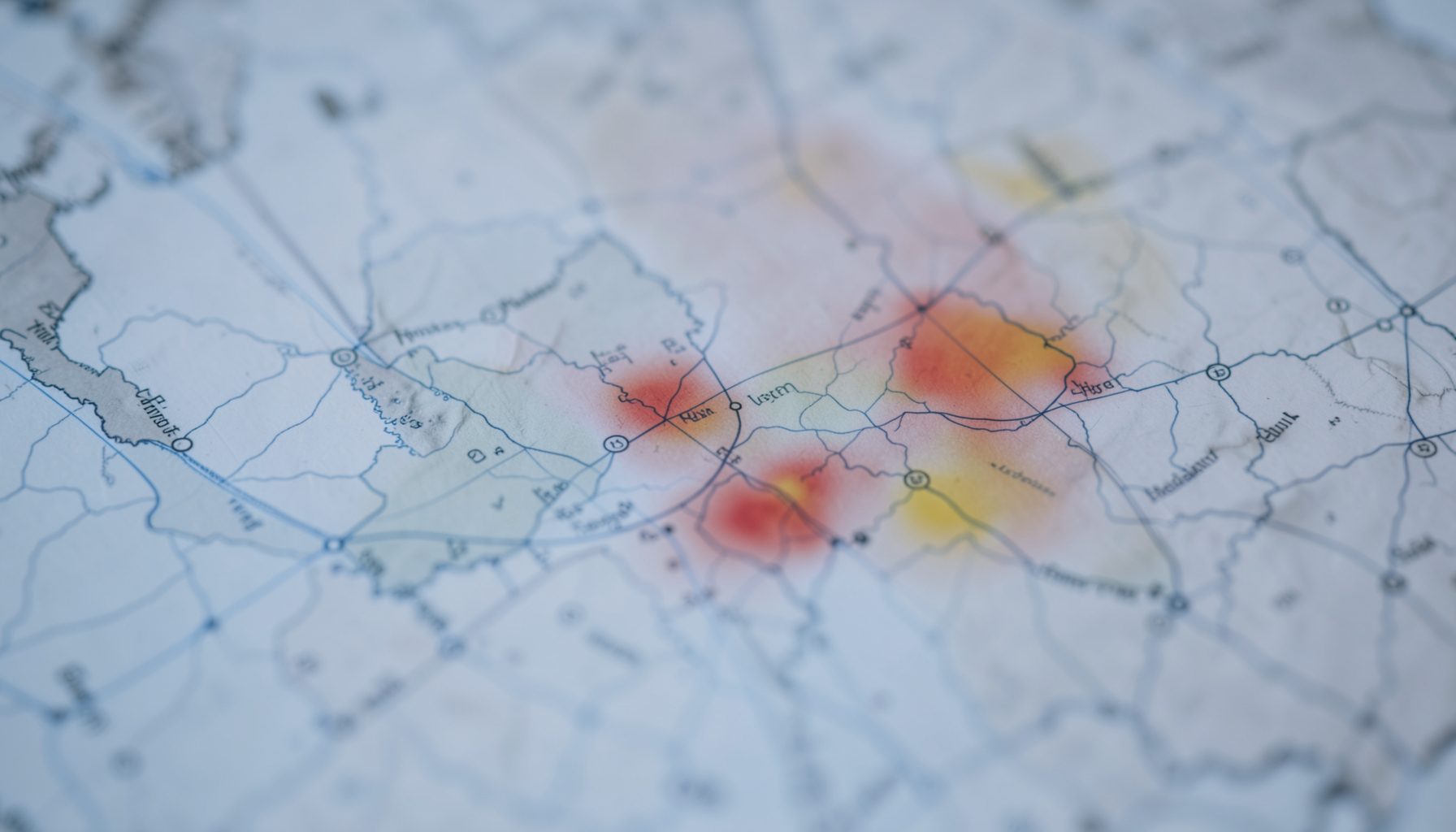
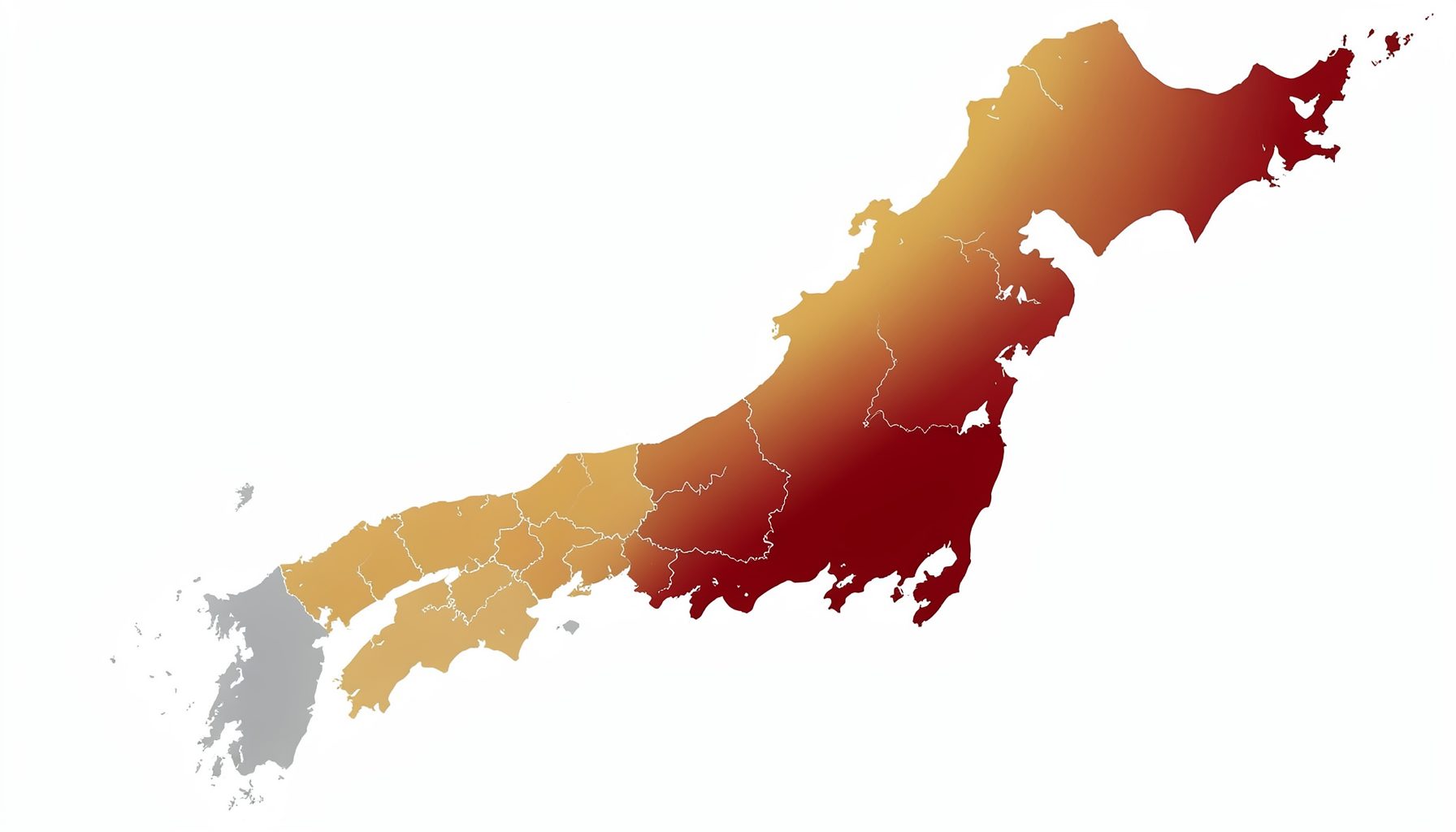
Data should be received frequently enough to support timely action, with transparent information about delays, missing records, duplicate visits, and changes in service availability. Baselines should account for day of the week, season, school holidays, weather, population movement, and long-term trends. Geographic analysis can reveal whether signals cluster near roads, industrial sources, wildfire smoke, or areas with limited access to care.
Public-health teams can strengthen the workflow by following these practices:
- Combine healthcare, pharmacy, ambulance, school, facility, and laboratory signals rather than relying on one indicator.
- Link symptom trends with hourly and daily air-quality data, weather conditions, pollen counts, and smoke events.
- Set alert thresholds using local baselines, while allowing expert review of unusual but low-volume events.
- Separate monitoring, verification, communication, and response responsibilities so alerts receive timely attention.
- Evaluate every event afterward to measure warning time, data quality, public response, and health-service impact.
Privacy and governance should be built into the system from the beginning. Aggregated reporting, access controls, secure data transfer, and clear retention policies help maintain public trust. Communities should also understand that syndromic surveillance identifies unusual patterns; it does not label individuals or establish a diagnosis.
A mature program can evaluate whether alerts arrive before emergency visits peak, whether warnings reach vulnerable groups, and whether healthcare demand changes after interventions. These performance measures turn surveillance from a passive reporting exercise into a continuously improving early-warning capability.
Public-health agencies can begin by mapping the available respiratory, pharmacy, school, ambulance, and environmental data, then selecting a small number of reliable indicators for pilot monitoring. With regular review and coordinated communication, syndromic surveillance can help identify air-quality-related asthma exacerbations earlier and support faster protection for people at greatest risk.