





Detecting Mental Health Crisis Spikes After Natural Disasters
Natural disasters can produce a rapid rise in psychological distress, acute stress reactions, sleep disruption, substance use, self-harm risk, and other urgent mental health needs. These effects may appear within hours, while formal surveys, psychiatric assessments, and mortality statistics often take days or weeks to reveal their full scale.
Syndromic surveillance offers an earlier view by tracking patterns in symptoms, care-seeking behavior, prescriptions, emergency calls, and institutional reports before a confirmed diagnosis is available. Used carefully, it can help public-health teams identify communities requiring psychological first aid, mobile services, medication support, or suicide-prevention resources.
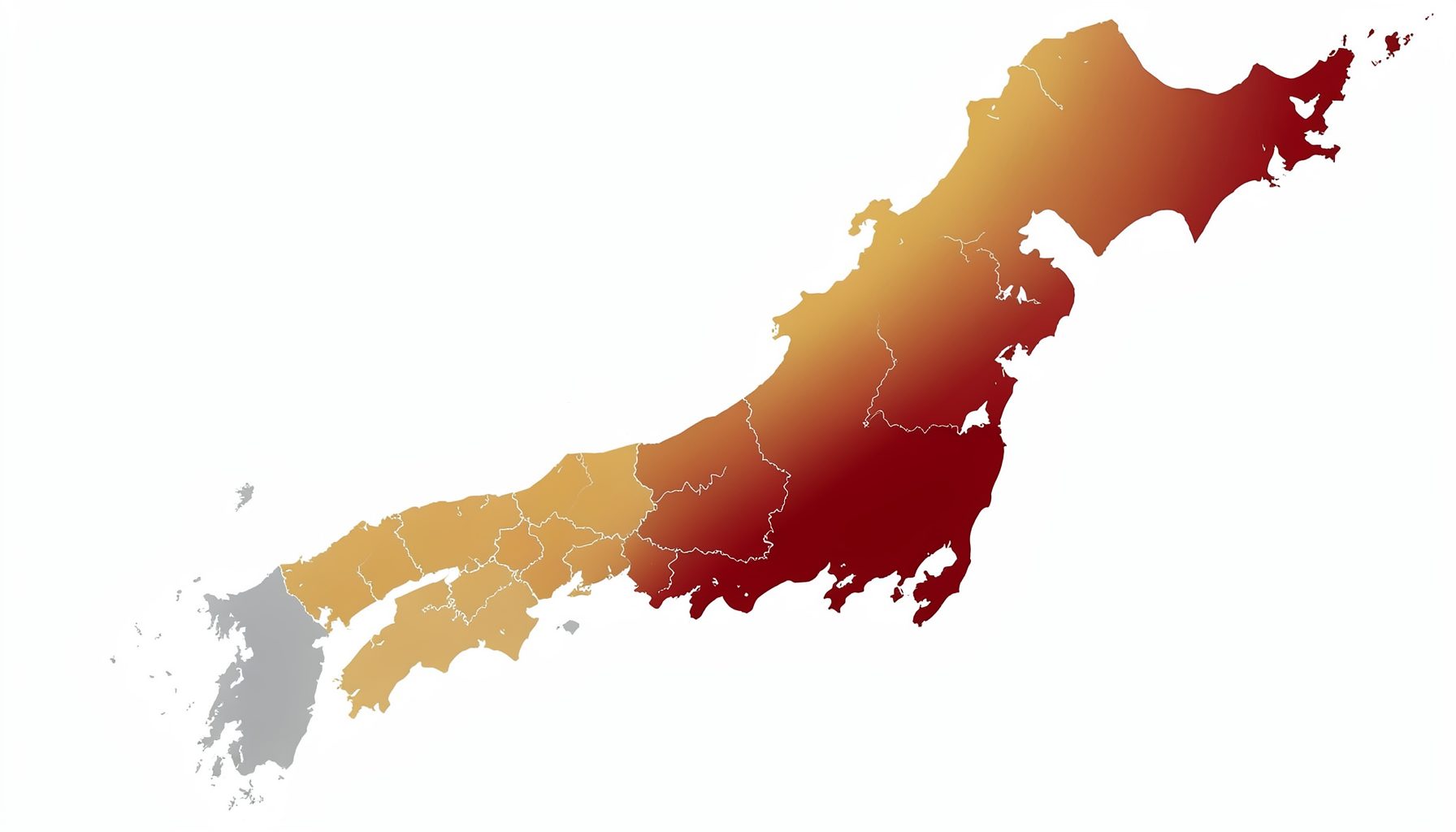
The approach is especially valuable when hospitals and clinics are disrupted, populations are displaced, and normal reporting systems are under pressure. Japan’s multisource surveillance model provides a useful framework because it connects information from medical facilities, ambulances, pharmacies, schools, elderly-care services, and laboratory testing. The same principle can be adapted to monitor post-disaster mental health signals.
Why Early Mental Health Signals Matter
After an earthquake, flood, typhoon, wildfire, or tsunami, distress is expected across the affected population. Most people will recover with social support and practical assistance, yet a smaller group may develop severe anxiety, depression, post-traumatic stress symptoms, psychosis, substance-related problems, or suicidal thoughts. A sudden increase in urgent consultations can place local services under considerable strain.
Traditional mental health statistics frequently depend on completed diagnoses or scheduled follow-up visits. Those measures are important for long-term planning but may miss people who seek help through emergency departments, general practitioners, pharmacies, shelters, school counselors, or telephone hotlines. Syndromic monitoring fills part of this gap by observing broad, actionable patterns rather than waiting for diagnostic certainty.
The objective is not to label every distressed person or turn ordinary reactions into disease categories. It is to detect unusual changes in population health and direct resources toward places, age groups, and service settings showing signs of escalating need. Analysts should treat the results as an early-warning signal that requires clinical interpretation and community engagement.
Data Streams That Reveal Distress
A strong surveillance network combines several channels because no single source represents the entire population. Emergency department records may show increases in panic symptoms, intentional self-harm, suicidal ideation, intoxication, insomnia, or unexplained physical complaints. Ambulance dispatches can indicate urgent behavioral health episodes in locations where outpatient services are unavailable.
Pharmacy data can reveal changes in dispensing for sedatives, antidepressants, antipsychotics, sleep medicines, opioid-use treatment, and overdose-reversal products. These signals require careful interpretation because supply interruptions, relocation, and replacement prescriptions can create apparent spikes. School absenteeism, nurse referrals, and counseling contacts can provide an early indication of distress among children and adolescents.
Elderly-care facilities are another important source. Residents may experience confusion, agitation, medication disruption, withdrawal, sleep changes, or worsening depression after displacement and loss of familiar routines. Reports from shelters, community mental health teams, social workers, and crisis hotlines can add qualitative context that routine administrative data cannot provide.
Laboratory testing is less central to mental health surveillance, yet it can help distinguish disaster-related psychological symptoms from infectious disease activity or other medical conditions. During a prolonged emergency, integrating mental and physical health signals supports a broader assessment of community conditions. This is consistent with the logic behind vaccine breach surveillance, where multiple data sources help identify an emerging public-health problem before every case is confirmed.
Building A Multichannel Monitoring Picture
Mental health indicators should be organized around the decisions they support. A regional health authority may need to know whether to deploy a mobile crisis team, extend pharmacy hours, add interpreters, open a child-friendly counseling center, or increase suicide-prevention capacity. Each decision calls for different data, time intervals, geographic detail, and alert thresholds.
The system should compare current observations with an appropriate baseline. A daily count of emergency visits may be higher simply because the affected area has more residents than a neighboring district. Analysts should account for population size, seasonality, day-of-week effects, holidays, facility closures, population movement, and changes in data completeness. A percentage increase without a stable denominator can be misleading.
The following signals can be combined into a practical monitoring framework:
| Surveillance channel | Potential post-disaster signal | Useful response |
|---|---|---|
| Emergency departments | More visits for panic, self-harm, intoxication, insomnia, or acute stress | Expand crisis assessment and referral capacity |
| Ambulance services | Increased behavioral health dispatches or repeat calls | Position mobile teams and improve dispatch protocols |
| Pharmacies | Abrupt changes in psychotropic or overdose-related medicine dispensing | Check continuity of treatment and medicine access |
| Schools | Absenteeism, nurse visits, behavioral referrals, or withdrawal | Provide school-based counseling and family outreach |
| Elderly-care facilities | Confusion, agitation, sleep disruption, or missed medicines | Review care plans and support caregivers |
| Hotlines and community services | More calls involving grief, fear, violence, or suicide risk | Add trained responders, interpreters, and referral options |
| Hospitals and clinics | Rising consultations for somatic symptoms or trauma-related distress | Integrate mental health screening into general care |
No signal should be interpreted in isolation. For example, a rise in sleeping-pill dispensing may reflect legitimate continuity of treatment, while an increase in emergency psychiatric visits may result from the closure of outpatient clinics. Cross-checking pharmacy, hospital, ambulance, and community reports helps distinguish increased need from altered access.
Interpreting Alerts Without Causing Harm
Thresholds can support rapid action, but rigid thresholds may produce false alarms or overlook gradual deterioration. A useful alert might combine a relative increase above baseline, a minimum number of cases, reports from more than one source, and evidence that the pattern persists for several reporting periods. Local experts should be able to review unusual events before public release.
Privacy protection is essential because mental health information is highly sensitive, especially in small communities where individuals may be identifiable from age, location, or service use. Data should be aggregated to a level that prevents re-identification, with strict access controls and clear retention rules. Public dashboards should emphasize trends and available support rather than expose personal details or stigmatizing labels.
Language also shapes the effect of surveillance. Reports should avoid describing communities as unstable, dangerous, or mentally ill based solely on administrative signals. Terms such as “increased crisis-service use” or “rising distress-related consultations” are more precise. Communication should explain that disaster reactions vary, help is available, and seeking care is a sign of appropriate self-protection.
Analysts should also monitor inequality. Displaced families, people with disabilities, older adults living alone, migrants, people experiencing homelessness, and those with previous psychiatric conditions may face greater barriers to care. Data should be reviewed by age, sex where appropriate, disability status, language, housing situation, and geographic access, while avoiding unnecessary collection of personally identifying information.
Turning Detection Into A Response
Surveillance has value only when it is linked to an operational response. A rising signal may prompt outreach from mental health professionals, primary-care teams, pharmacists, school counselors, social workers, or trained community volunteers. Response plans should specify who reviews alerts, who authorizes action, and how services report whether capacity has improved.
Care continuity is often a priority after displacement. People may lose medicines, identification documents, medical records, transportation, or contact with their usual clinician. Pharmacies and clinics can support emergency refills, medication reconciliation, referral to psychiatric care, and screening for adverse effects. Emergency services should have clear pathways for suicide risk, violence risk, severe withdrawal, psychosis, and safeguarding concerns.
Children and adolescents require age-appropriate support that includes caregivers, teachers, pediatric services, and youth organizations. Older adults may need assistance with hearing, mobility, cognition, and medication management. Interpreters and culturally informed practitioners can make a substantial difference for communities that may otherwise avoid formal services.
Enhanced monitoring may be appropriate during large international events, mass evacuations, or prolonged shelter operations, when population movement and service demand change quickly. The monitoring period should continue beyond the immediate emergency because distress can intensify when temporary housing, financial insecurity, bereavement, and reconstruction pressures persist.
Recommendations For Effective Practice
A preparedness plan should be developed before a disaster occurs. Public-health authorities can establish data-sharing agreements, define minimum datasets, test secure reporting channels, and train analysts to recognize both mental and physical health signals. Exercises should include scenarios involving missing data, facility closures, displaced populations, and simultaneous infectious disease threats.
The plan should also include feedback from clinicians, pharmacists, schools, elderly-care providers, emergency responders, people with lived experience, and community organizations. Their knowledge helps identify service gaps that automated indicators may miss. Regular evaluation can show whether alerts led to faster care, better continuity, or improved access for underserved groups.
- Use several independent sources, including emergency care, ambulances, pharmacies, schools, elderly-care services, hotlines, and community teams.
- Establish local baselines and review thresholds for seasonality, displacement, access changes, and reporting interruptions.
- Protect confidentiality through aggregation, role-based access, limited retention, and careful public communication.
- Link every alert to a defined action, responsible team, referral pathway, and follow-up measure.
- Evaluate equity by checking who is missing from the data and whether support reaches people facing language, mobility, housing, or financial barriers.
A mature system should measure more than the number of alerts. Useful outcomes include time from signal detection to service deployment, availability of essential medicines, successful referrals, repeat crisis contacts, waiting times, and coverage among displaced or high-risk groups. Qualitative feedback can show whether people found services safe, accessible, and culturally appropriate.
Syndromic surveillance for mental health crisis spikes after natural disasters works best as a coordinated public-health function rather than a standalone dashboard. It joins epidemiological analysis with clinical judgment, social support, emergency management, and community trust. When designed with restraint and linked to timely care, it can reveal emerging distress early while protecting the dignity of the people represented in the data.
Explore the available surveillance resources and contact the surveillance team to support stronger early-warning practice, better preparedness, and faster mental health response after disasters.