





Syndromic surveillance for vaccine-preventable disease breaches
Vaccination protects communities by reducing transmission, severe illness, and the chance that a local infection becomes a wider outbreak. Yet protection can weaken when immunisation coverage falls, vaccine access is interrupted, cold-chain failures occur, or a pathogen reaches a group with incomplete or uncertain vaccination histories. Public-health teams need to recognise these breaches quickly, often before diagnostic results are available.
Syndromic surveillance supports that early response. Instead of waiting for confirmed case reports, it monitors patterns such as fever with rash, parotitis, prolonged cough, respiratory distress, diarrhoea, or unusual attendance changes. Signals can come from primary-care clinics, hospitals, emergency transport, pharmacies, schools, elderly-care services, and laboratories.
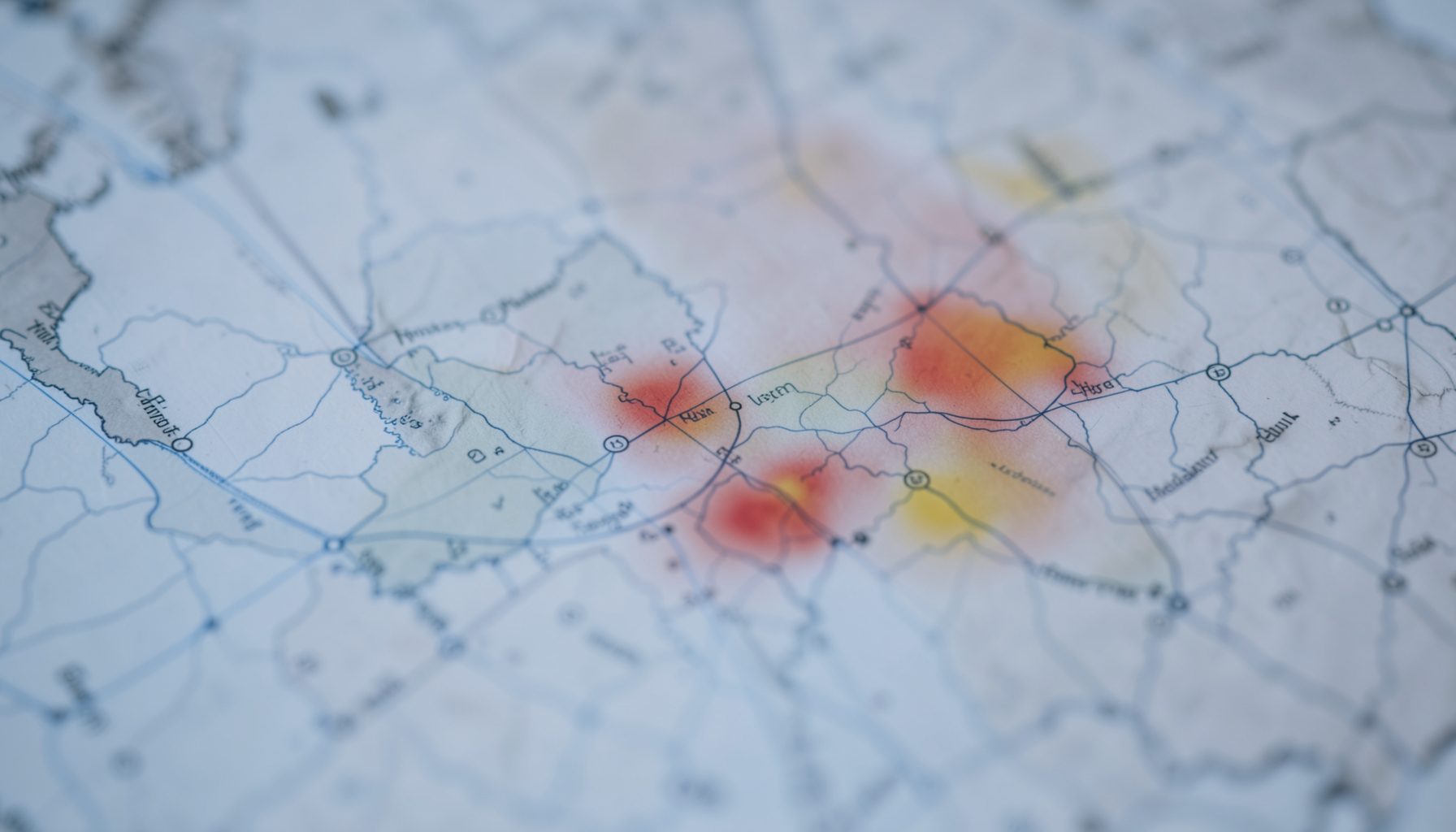
The value lies in combining several imperfect streams. A single increase in cough medicine sales may have many explanations, while a simultaneous rise in respiratory consultations, school absences, and ambulance calls is more meaningful. When interpreted with vaccination coverage, seasonality, geography, and clinical information, these signals can reveal where an immunisation gap may be allowing transmission.
Why vaccine breaches need early detection
A vaccine-preventable disease breach occurs when transmission appears in a population that should have substantial protection, or when an exposure threatens people with incomplete, waning, or unknown immunity. Examples include measles spreading through a school, pertussis affecting infants, mumps appearing in a university residence, or poliovirus being detected in a community with low vaccination uptake.
The first cases may not look unusual. Patients can present to different clinicians, use pharmacies instead of hospitals, or remain at home while infectious. Laboratory confirmation may take time, especially when specimens need referral or when the initial clinical picture overlaps with common seasonal illnesses. Syndromic indicators can therefore provide an operational head start.
Early warning does not establish that a vaccine-preventable disease is present. It identifies a deviation that deserves investigation. Analysts can then check vaccination records, obtain specimens, interview patients, trace contacts, assess travel or event exposure, and determine whether the signal reflects true transmission, a reporting change, or an unrelated illness.
Signals that reveal an immunisation gap
The most useful indicators depend on the disease and the setting. For measles, fever-and-rash consultations, conjunctivitis, respiratory symptoms, emergency visits, and school absenteeism may rise together. For pertussis, prolonged cough, post-tussive vomiting, and paediatric respiratory consultations can be informative. For mumps, parotid swelling and related outpatient diagnoses may provide an early clue.
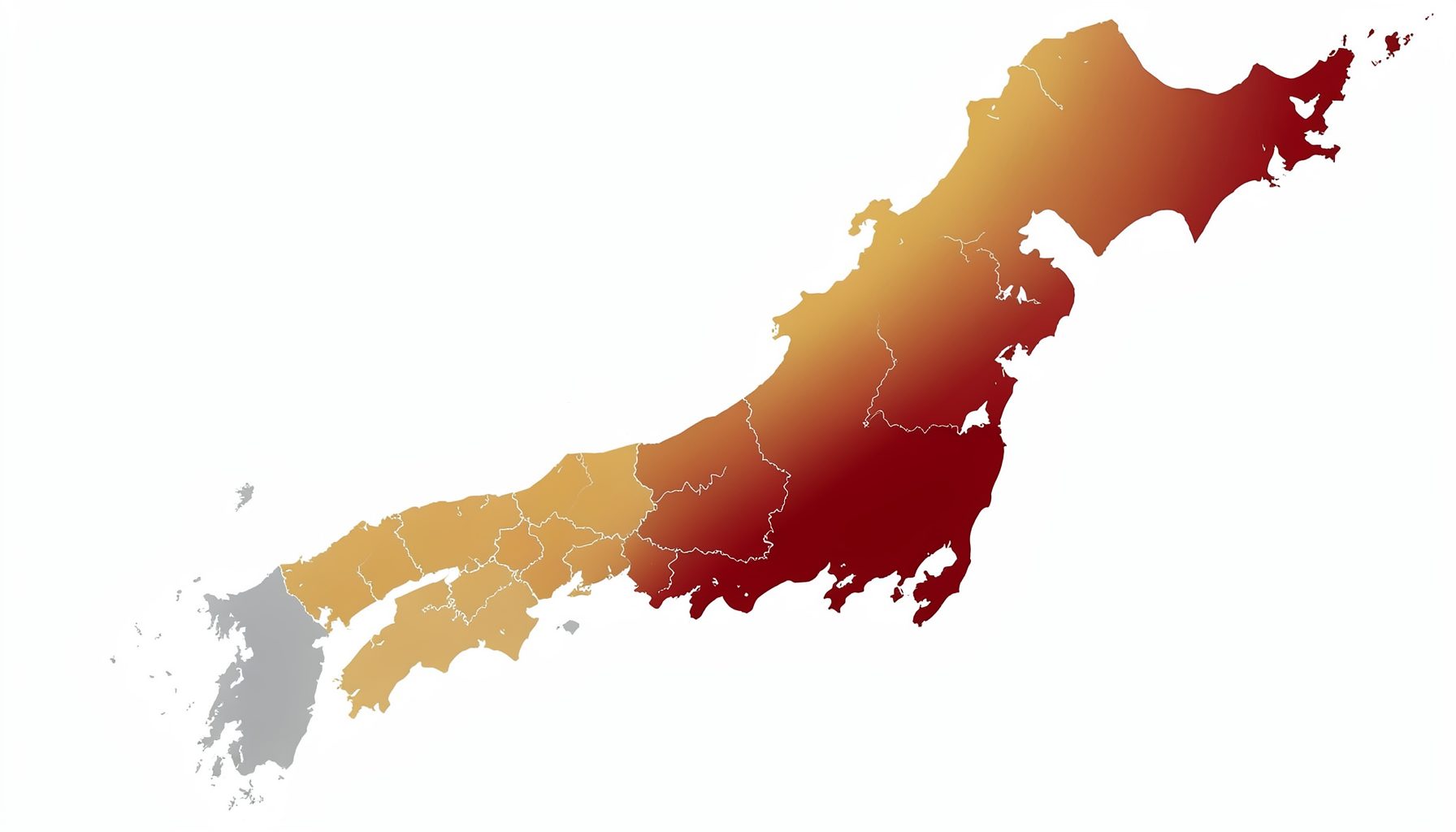
Pharmacy data can add visibility where people seek advice or treatment before seeing a clinician. Increased sales of antipyretics, cough remedies, oral rehydration products, or rash-related treatments are not disease-specific, but changes in volume, location, age profile, or product combinations may support a broader signal. Japan’s pharmacy reporting resources illustrate how community-level purchasing patterns can complement clinical surveillance through pharmacy reports.
Schools and care facilities are particularly important because they connect health information with social contact patterns. A cluster of absences in one classroom, ward, or care home may precede a formal outbreak declaration. Absence data should be interpreted alongside the reason for absence, the size of the institution, holidays, examinations, staffing shortages, and changes in reporting practice.
Building a multi-channel monitoring system
A reliable system uses multiple channels with different strengths. Clinics may detect mild disease, hospitals capture serious complications, ambulance services identify acute deterioration, and pharmacies show community demand. Schools can reveal transmission among children, while elderly-care facilities can highlight vulnerability among residents and staff. Laboratory testing then confirms the organism and helps establish whether cases are related.
Data integration requires common definitions and timely reporting. A “respiratory syndrome” should have a consistent operational meaning across participating facilities, even if the underlying diagnoses differ. Records should include date, location, age group, care setting, symptom category, and, where lawful and necessary, key risk factors. Privacy safeguards must limit access to identifiable information and support secure aggregation.
Baseline analysis is equally important. A weekly count has little meaning without comparison with previous years, neighbouring areas, expected seasonal patterns, and recent changes in healthcare use. Statistical alerting can flag unusual deviations, but public-health experts must review the result. A heat wave, school term change, medication shortage, or new coding rule can create an apparent increase without any outbreak.
| Surveillance channel | Early signal | Useful follow-up |
|---|---|---|
| Clinics and urgent-care services | Fever, rash, cough, parotitis, or gastrointestinal syndrome | Review diagnoses, specimen collection, and vaccination history |
| Hospitals and emergency departments | Severe respiratory illness, encephalitis, dehydration, or unusual age patterns | Assess admissions, complications, and infection-control needs |
| Ambulance services | Sudden increases in acute calls or transport for compatible symptoms | Map clusters and identify high-risk facilities |
| Pharmacies | Changes in relevant medicine purchases or advice requests | Compare products, locations, age groups, and timing |
| Schools and childcare settings | Absenteeism or staff illness above expected levels | Verify causes, notify health authorities, and assess contacts |
| Elderly-care facilities | Resident or staff symptoms across linked units | Initiate precautions and review exposure and immunisation records |
| Laboratories | Positive tests or increased specimen positivity | Confirm the agent, genotype where relevant, and link cases |
The strongest alert often comes from convergence rather than intensity in one stream. For example, a modest rise in paediatric fever-and-rash visits becomes more concerning if a nearby school reports unusual absence and a laboratory detects a compatible infection. Conversely, a pharmacy increase without clinical or absenteeism changes may require observation rather than immediate outbreak action.
Turning an alert into a response
Once a signal crosses a predefined threshold, an investigation team should verify the data quickly. It can examine whether cases are concentrated by neighbourhood, age, school, workplace, care facility, or travel history. The team should also check whether the affected population has documented vaccination, delayed doses, contraindications, or barriers to access.
Response measures vary by pathogen and evidence. They may include rapid diagnostic testing, isolation advice, contact tracing, post-exposure vaccination, catch-up immunisation, prophylactic treatment, and targeted communication. Infection-prevention guidance can be directed to schools, clinicians, pharmacies, transport services, and care facilities rather than issued only as a general public notice.
Event surveillance becomes especially important when large numbers of people gather, travel internationally, or share accommodation. Enhanced monitoring can help identify unusual symptom patterns among visitors and residents while an event is underway and after attendees return home. Public-health teams can review event surveillance guidance when designing reporting pathways for crowded venues, transport hubs, and temporary medical services.
Monitoring during mass gatherings
Major international events create conditions in which a vaccine-preventable infection can move rapidly across borders. Visitors may arrive with different vaccination histories, encounter pathogens uncommon in their home countries, or carry an infection during its incubation period. Crowded indoor spaces, shared accommodation, and complex travel routes can make conventional case investigation more difficult.
A syndromic system for an event should be active before opening day. Baseline patterns need to be established for medical stations, hospitals, pharmacies, ambulance dispatches, and participating communities. During the event, daily or near-real-time reporting can identify changes in respiratory, rash-associated, neurological, or gastrointestinal presentations. Afterward, continued monitoring can detect delayed symptoms and onward transmission.
The experience of Tokyo 2020 shows why event-based surveillance needs coordination across routine health services and specialised reporting channels. The Tokyo 2020 lessons describe how monitoring arrangements for a major gathering can support situational awareness while avoiding reliance on one data source. Similar principles apply to religious pilgrimages, sporting tournaments, festivals, and refugee reception settings.
Measuring performance and protecting trust
A programme should be evaluated by more than the number of alerts it generates. Important measures include the time from symptom onset to detection, the time from detection to investigation, the proportion of alerts confirmed after review, the sensitivity of the system for known outbreaks, and the speed of communication to affected institutions. False alarms matter because repeated low-value warnings can reduce attention among responders.
Quality checks should examine missing data, delayed submissions, changes in participation, duplicate records, and differences between facilities. Analysts need to know whether a rise reflects more testing, increased public concern, an altered pharmacy purchasing pattern, or actual disease transmission. Linking syndromic data with immunisation registries and laboratory results can improve interpretation, subject to legal authority and strong governance.
Public communication must be precise and proportionate. An early signal should not be presented as a confirmed outbreak, and uncertainty should be explained without creating avoidable alarm. Clear messages can encourage symptom reporting, testing, vaccination review, and appropriate care while protecting affected individuals from stigma. Trust also depends on explaining what information is collected, why it is needed, and how personal data are safeguarded.
Practical priorities for public-health teams
Effective surveillance is a continuing capability rather than a temporary project activated after an outbreak begins. Agencies should agree on triggers, responsibilities, escalation routes, and communication templates in advance. Training exercises can test whether a school absence report reaches the epidemiology team, whether a pharmacy anomaly is interpreted correctly, and whether laboratories can support a surge in specimens.
Priority actions include:
- Define syndrome indicators for measles, pertussis, mumps, influenza-like illness, acute flaccid paralysis, and other locally relevant conditions.
- Combine clinical, pharmacy, school, care-facility, ambulance, and laboratory information in a shared analytical workflow.
- Establish geographic and age-specific baselines that account for seasonality, holidays, and healthcare access.
- Link alerts to practical response thresholds, including vaccination review, specimen collection, isolation, and contact assessment.
- Evaluate timeliness, completeness, false-alert rates, and equity across communities with different access to care.
These measures are most effective when surveillance findings lead to action at the right scale. A small cluster may need targeted testing and vaccination outreach, while a broader signal may require public advisories, expanded laboratory capacity, or coordination across jurisdictions. The system should remain flexible enough to detect familiar diseases and unusual presentations without overwhelming frontline services.
Syndromic surveillance can give public-health authorities valuable time when vaccine protection has been compromised or transmission begins in an unexpected setting. Explore the linked resources, adapt the monitoring channels to local needs, and establish clear response pathways before the next signal appears.