





Detecting chickenpox outbreaks before laboratory confirmation
Chickenpox, or varicella, can spread rapidly through households, schools, childcare settings, and residential facilities. In communities with low vaccination coverage, many people remain susceptible, allowing transmission to continue before a formal outbreak investigation begins. Early recognition is especially important because infectiousness starts before the rash is fully established and because vulnerable contacts may face severe complications.
Syndromic surveillance provides an early-warning layer for this problem. Instead of waiting for confirmed laboratory results, public-health teams monitor patterns such as fever with rash, increased consultations for suspected varicella, school absenteeism, medicine purchases, ambulance calls, and laboratory requests. Each signal is imperfect, but several modest signals appearing together can identify unusual activity sooner.
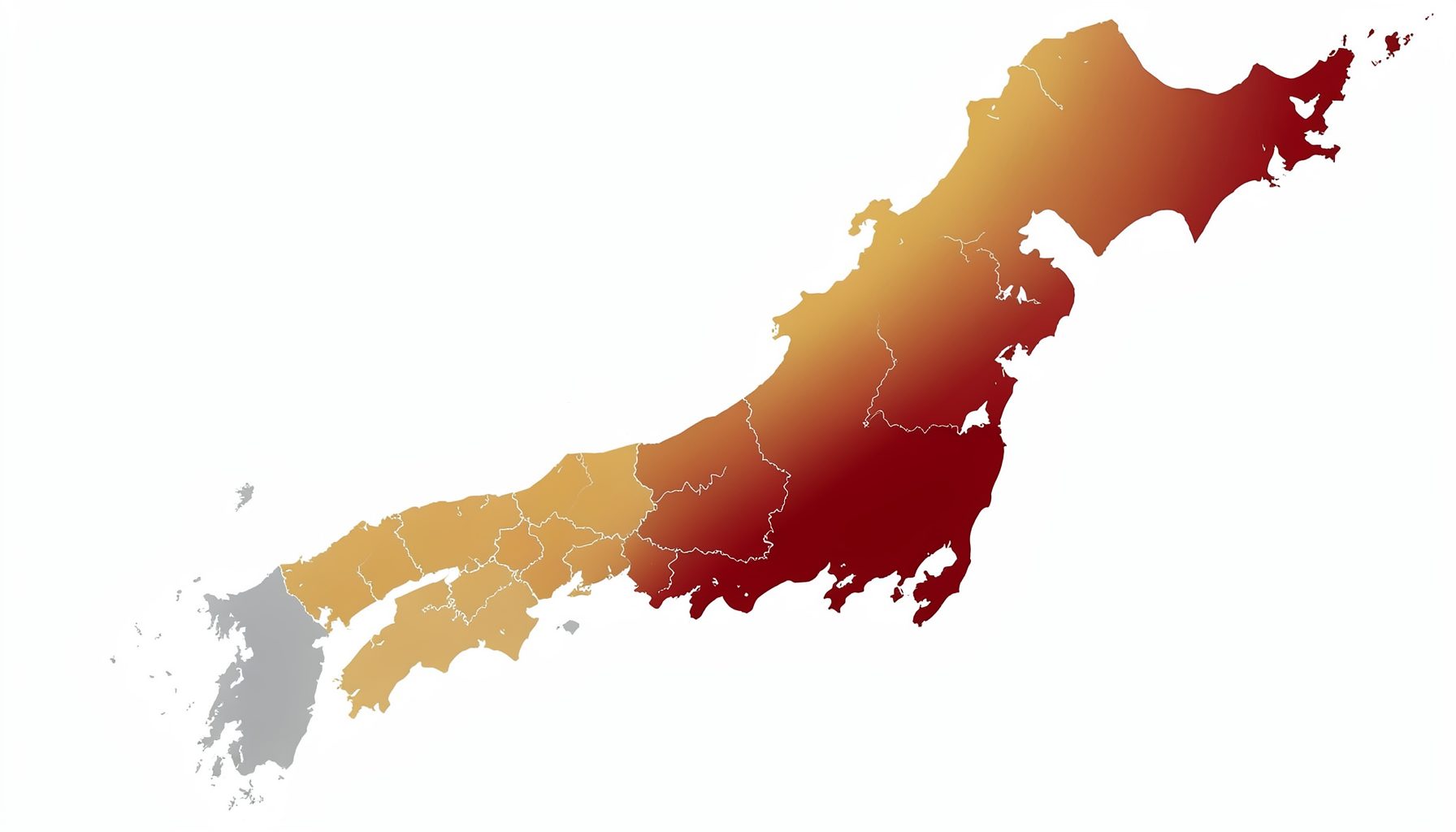
Japan’s multi-channel approach offers a useful model. Information from clinics, hospitals, pharmacies, schools, elderly-care facilities, emergency transport, and testing services can be viewed as parts of one surveillance picture. The purpose is not to label every rash as chickenpox. It is to detect a meaningful change from the expected baseline, investigate it quickly, and support timely control measures.
Why unvaccinated communities need earlier signals
A population with low varicella vaccination coverage has a larger pool of susceptible people. When the virus enters such a community, transmission can move quickly through classrooms, family networks, workplaces, and shared residential environments. A single recognized case may therefore represent a wider chain of infections that has already begun.
Clinical diagnosis remains valuable, but it can lag behind transmission. Early chickenpox symptoms may resemble other viral illnesses, while the characteristic itchy, fluid-filled rash can appear gradually. Families may first seek advice by telephone, visit a primary-care clinic, purchase symptom-relief products, or keep a child home from school without receiving a definitive diagnosis.
Syndromic surveillance captures these earlier behaviors. A rise in fever-and-rash consultations, unexplained absences, or requests for calamine products may appear before a laboratory-confirmed cluster. Analysts can then alert clinicians and local health authorities to review cases, encourage testing where appropriate, and reinforce infection-control guidance.
The method is also useful where vaccination records are incomplete. Rather than assuming that every resident has the same level of protection, surveillance can identify areas where susceptibility and transmission appear to overlap. This supports more focused field investigation and communication.
What signals reveal a possible varicella cluster
The strongest monitoring system combines clinical, community, and operational data. Primary-care and hospital records may include suspected chickenpox, fever with rash, viral exanthema, or complications such as skin infection and dehydration. Emergency departments and ambulance services can add information about severe presentations, particularly among infants, pregnant people, immunocompromised patients, and adults who were never immunized.
School absenteeism is especially important because schools provide a defined population and a regular daily reporting structure. An unusual increase in absences attributed to rash, fever, or an unspecified infectious illness can be compared with the same school’s normal seasonal pattern. Several nearby schools showing similar changes provide a stronger signal than one isolated absence spike.
Pharmacies offer another near-real-time view. Increased purchases of antihistamines, soothing lotions, fever reducers, or advice about itch and rash may indicate community illness, although these products are not specific to varicella. A useful pharmacy daily feed can help analysts track changes in demand while protecting individual privacy.
Laboratory data supplies confirmation and interpretation. Testing is not always ordered for a typical case, so negative laboratory volume does not necessarily mean that transmission is absent. A rise in varicella testing, positive results, or requests from clinicians seeking to distinguish chickenpox from other rash illnesses can validate a signal generated by non-laboratory sources.
How the channels work together
No individual data stream can reliably identify a chickenpox outbreak. Pharmacy purchases may reflect seasonal allergies, school absences may follow influenza, and clinic visits may increase because of a media report. The value comes from convergence: several independent indicators moving above their expected levels within the same place and period.
| Surveillance channel | Early signal | Strength | Important limitation |
|---|---|---|---|
| Clinics and hospitals | Fever-and-rash visits or suspected varicella | Provides clinical context and case details | Diagnosis and coding may be delayed or inconsistent |
| Schools and childcare settings | Absences linked to rash or infectious illness | Covers defined groups with frequent contact | Absence reasons may be incomplete or nonspecific |
| Pharmacies | Increased sales or advice requests for itch and fever products | Can show community behavior before consultation | Products are used for many unrelated conditions |
| Ambulance and emergency services | Severe rash illness or complications | Highlights urgent and high-risk cases | Captures only a small, more serious subset |
| Laboratories | Positive varicella results and testing volume | Supports confirmation and differential diagnosis | Testing practices vary by clinician and setting |
| Elderly-care facilities | New rash or fever among residents and staff | Detects risk in congregate living environments | Small populations can create volatile rates |
Data should be analyzed against local baselines rather than universal thresholds. A five-case increase may be highly unusual in a small rural district but unremarkable in a large city. Analysts can use historical seasonal patterns, rolling averages, age-specific rates, school enrollment, and geographic comparison areas to identify meaningful deviations.
Time matters as much as volume. A sharp increase over several days may indicate a rapidly expanding cluster, while a slower rise may reflect seasonal variation. Linking signals by place and onset period helps distinguish a common exposure from unrelated cases. When legally permitted and appropriately protected, de-identified records can support this analysis without revealing personal identities.
Turning an alert into epidemiological action
An alert should trigger verification rather than automatic public alarm. Epidemiologists can review clinical notes, interview affected families, confirm onset dates, map linked settings, and check vaccination history. They may also assess whether similar symptoms could be caused by hand, foot, and mouth disease, impetigo, insect bites, drug reactions, or another rash-producing infection.
If the pattern is consistent with varicella, public-health teams can advise rapid notification of suspected cases, exclusion from school or work according to local rules, and protection of high-risk contacts. Healthcare providers can be reminded to consider varicella when evaluating fever and rash, use appropriate precautions, and arrange testing for atypical or high-consequence cases.
Outbreak response should account for the characteristics of unvaccinated populations. Messages need to explain how chickenpox spreads, when a person is infectious, why avoiding susceptible contacts matters, and where medical advice is available. Communication should be factual and practical rather than punitive, especially when families face barriers to vaccination, healthcare access, transportation, or paid leave.
Enhanced monitoring may be justified during major international events, large festivals, or periods of increased population movement. Visitors and workers can introduce infections into communities with low immunity, while crowded accommodation and shared transport can accelerate spread. Event-linked surveillance can combine health-facility reports, absenteeism, pharmacy activity, and laboratory findings to shorten the time between the first signal and field investigation.
Measuring performance and protecting trust
A surveillance program should be evaluated by how quickly it detects unusual activity, how often alerts are verified, and whether the information leads to useful action. Sensitivity matters because missed clusters allow transmission to grow. Specificity matters because excessive false alarms can exhaust public-health staff and reduce confidence among clinicians, schools, and residents.
Data quality should be reviewed continuously. Missing school absence reasons, inconsistent diagnostic codes, delayed pharmacy reporting, and changes in testing policy can all distort trends. Dashboards should show reporting completeness and clearly distinguish suspected syndromes from confirmed cases. An apparent decline may reflect a data interruption rather than a genuine reduction in disease.
Privacy safeguards are essential. Reports should use the smallest practical geographic unit, avoid exposing identifiable details, and restrict access according to public-health responsibilities. Small schools, care homes, or villages may require additional suppression rules because even anonymous counts can reveal who is ill.
The same analytical principles apply to other syndromic systems. Work examining air-quality asthma signals demonstrates why environmental context, baseline comparison, and multiple data sources must be interpreted together. For varicella, the relevant context includes school calendars, vaccination coverage, household structure, seasonal travel, and the presence of high-risk individuals.
Building a practical monitoring workflow
A workable program begins with a precise case definition for surveillance purposes. This may include fever with a generalized vesicular or itchy rash, suspected varicella diagnoses, rash-related school absence, and selected pharmacy or telephone-advice categories. The definition should be broad enough to detect early illness but stable enough to support comparisons over time.
Next, public-health teams establish reporting intervals and escalation criteria. Daily monitoring may be appropriate during a suspected cluster, while weekly summaries may be sufficient during routine periods. Automated alerts can flag unusual combinations of geography, age group, symptom category, and time trend, but trained reviewers should assess the context before action is taken.
Recommended operating practices include:
- Combine clinic, hospital, school, pharmacy, ambulance, care-facility, and laboratory signals rather than relying on a single source.
- Compare current activity with local historical baselines and account for school holidays, seasonal illness, and reporting changes.
- Prioritize rapid verification for signals involving infants, pregnant people, immunocompromised patients, or congregate settings.
- Share concise, role-specific guidance with clinicians, schools, pharmacies, and community organizations.
- Record each alert, investigation, decision, and outcome so the system can be evaluated and improved.
Training is as important as technology. School administrators need clear categories for reporting absences, pharmacists need understandable guidance on privacy and referral, and clinicians need practical criteria for suspected varicella and testing. A coordinated system works best when each participant understands what information is useful and how quickly it should be shared.
Moving from detection to faster protection
Syndromic surveillance cannot replace vaccination programs, laboratory confirmation, case investigation, or direct clinical care. Its role is to reduce the interval between the first change in community illness and the public-health response. In unvaccinated populations, that interval can determine whether transmission remains a small cluster or becomes a wider outbreak.
The most effective approach is integrated and proportionate: detect unusual fever-and-rash activity, compare it with reliable local baselines, verify the signal, protect vulnerable contacts, and communicate clearly. Japan’s multi-channel framework shows how routine information from everyday services can become an early-warning network when it is connected, timely, and interpreted by public-health professionals.
Organizations developing or reviewing a chickenpox monitoring program can contact the surveillance team to discuss reporting channels, data interpretation, and outbreak-focused monitoring. Early coordination gives clinics, schools, pharmacies, laboratories, and health authorities a shared path from the first signal to faster protective action.