





Syndromic Surveillance For Adverse Drug Reaction Signals In Elderly Facilities
Older adults often take several medicines at the same time, live with multiple chronic conditions, and may have difficulty describing new symptoms. These factors can make an adverse drug reaction difficult to recognize, especially when its first signs resemble influenza, gastroenteritis, dehydration, delirium, or a change in dementia-related behavior. In a residential care setting, a cluster of apparently unrelated symptoms may therefore be an important warning signal.
Syndromic surveillance can help facilities identify unusual patterns before a diagnosis or laboratory result is available. Instead of waiting for confirmed reports of a specific reaction, staff and public-health teams monitor combinations of symptoms, medication changes, care contacts, and changes in daily function. The objective is early review and safer action, not the automatic attribution of every symptom to a medicine.
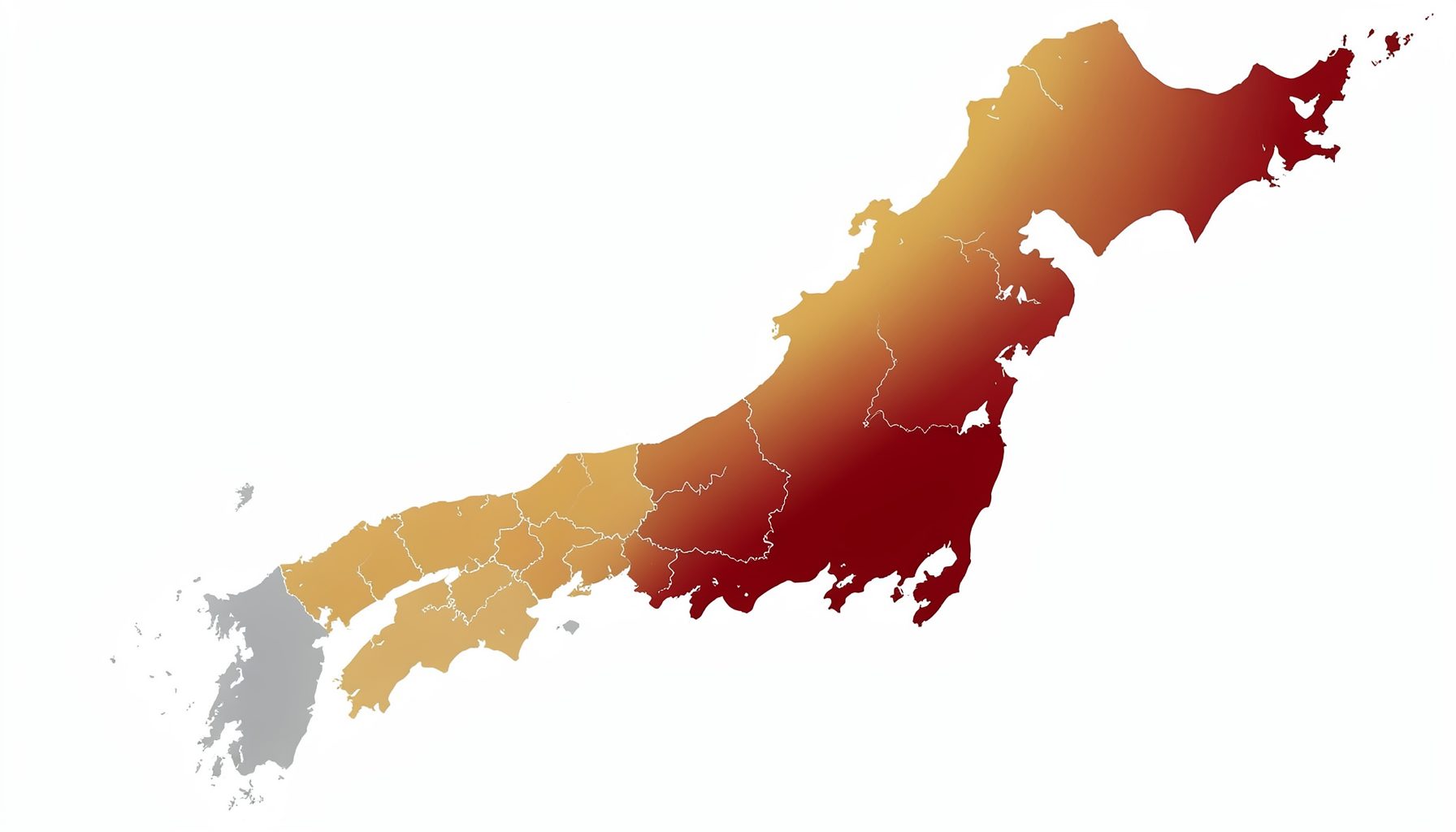
Japan’s broader surveillance approach illustrates the value of combining information from multiple channels. Data from clinics, hospitals, ambulances, pharmacies, schools, elderly-care facilities, and laboratories can provide different views of the same emerging event. For medication safety, this shared perspective can reveal whether a signal is isolated to one facility or part of a wider pattern.
Why Medication Signals Are Difficult To See
An adverse drug reaction may begin with nonspecific symptoms such as dizziness, weakness, nausea, poor appetite, confusion, sleepiness, rash, or a fall. In older residents, these changes can be attributed to aging, an existing neurological condition, a minor infection, or a disruption in routine. A single case may not seem unusual, while several similar cases within a short period should prompt a structured review.
Medication-related harm can also follow a change that is not immediately recognized as a prescribing event. Examples include a new prescription, a dose increase, a switch to a different product, a missed dose, a dispensing error, a change in kidney function, or the addition of an over-the-counter medicine. A resident may also return from hospital with an altered regimen that has not been fully reconciled in the facility’s records.
Syndromic surveillance addresses this visibility problem by focusing on observable events. A facility might track new falls, emergency transfers, unexplained sedation, low blood pressure, vomiting, diarrhea, bleeding, hypoglycemia, or sudden functional decline. These indicators do not prove causation. They create a prompt to check medication charts, recent clinical decisions, exposure to infectious illness, and other plausible explanations.
Signals That Facilities Can Monitor
A practical system should use information that care workers can record consistently during ordinary operations. Daily observations may include changes in alertness, mobility, food and fluid intake, bowel habits, skin condition, breathing, and participation in activities. Incident reports, nurse assessments, vital signs, ambulance calls, and urgent physician consultations add further context.
Medication-related indicators can be linked to these observations without requiring staff to make a pharmacological judgment. Useful fields include the date of a new medicine or dose change, the therapeutic class, the resident’s age and key risk factors, the onset of symptoms, and whether other residents received the same product or prescription change. Pharmacy dispensing records may help identify a shared batch, a common prescriber, or a facility-wide administration issue.
The strongest signal is usually a pattern rather than an isolated event. For example, three residents who develop marked drowsiness within two days of a sedative adjustment deserve more attention than one resident who reports tiredness after a poor night’s sleep. Likewise, several episodes of low blood pressure after a treatment change may justify a prompt clinical review, even if no hospitalization occurs.
Facilities should define thresholds in advance. A threshold might be an unusual increase compared with the facility’s recent baseline, two related events in a defined period, or a serious symptom occurring soon after exposure to a medicine. Thresholds should be sensitive enough to trigger review while allowing clinicians to assess whether the pattern is truly abnormal.
Connecting Care Data With Public Health Monitoring
Elderly facilities are valuable observation points because they see residents repeatedly and can detect subtle changes earlier than a hospital-based system. Their data can complement emergency department visits, ambulance records, prescription information, and laboratory testing. If several facilities report similar gastrointestinal symptoms, confusion, or falls, public-health officials can examine both medication-related and infectious explanations.
This is the same principle used in wider syndromic surveillance: early indicators are collected before final diagnostic confirmation. Guidance on pandemic influenza preparedness demonstrates why rapid, multi-source information can support faster public-health decisions when conventional confirmation takes time.
The interpretation must remain deliberately broad. A rise in diarrhea may indicate a drug reaction, norovirus, food exposure, or a reporting change. More falls may reflect a sedating medicine, a new flooring hazard, influenza-related weakness, or a staffing disruption. Linking facility records with clinical and laboratory information helps investigators compare competing explanations instead of treating a preliminary signal as a confirmed finding.
Cross-sector comparisons can also strengthen situational awareness. School absenteeism is a different type of indicator, but school absenteeism data show how changes in routine participation can serve as an early sign of community illness. Similar thinking applies to elderly facilities, where reduced meal attendance, activity participation, or care engagement may reveal a developing problem.
| Signal source | What it may reveal | Strength | Important limitation |
|---|---|---|---|
| Care-worker observations | Sedation, confusion, falls, poor intake, rash, functional decline | Frequent and close to symptom onset | Subjective unless definitions are standardized |
| Medication administration records | New exposure, missed doses, dose changes, timing | Supports exposure-to-event analysis | A recorded administration does not prove absorption or causation |
| Pharmacy data | Dispensing changes, shared products, refill patterns | Helps identify common exposures across residents | May not show actual use or medicines supplied elsewhere |
| Ambulance and hospital data | Severe reactions, emergency transfers, outcomes | Captures clinically significant events | Delayed, incomplete, and weighted toward serious cases |
| Laboratory testing | Infection, organ-function abnormalities, alternative causes | Helps distinguish competing explanations | Results may take time and are not available for every symptom |
| Facility-level trend reports | Clusters and deviations from baseline | Supports early detection and comparison | Reporting volume can change with staffing or policy |
Designing A Reliable Reporting Workflow
A useful workflow begins with a small set of clearly defined syndromes. Rather than asking staff to identify every possible drug reaction, the facility can monitor categories such as acute altered consciousness, unexplained falls, bleeding, severe gastrointestinal symptoms, hypoglycemia, allergic-type symptoms, and sudden blood-pressure changes. Each category should have simple recording criteria and an escalation route.
Data collection should fit existing care processes. A digital form may automatically draw medication changes from an electronic record, while paper-based facilities can use a short daily or shift-based checklist. The system should record time, place, resident characteristics relevant to risk, symptoms, recent exposures, and action taken. Free-text comments can preserve clinical nuance but should not replace structured fields.
Review can occur at several levels. A nurse or designated safety lead may check new events each day. A pharmacist, physician, or clinical team can assess possible medication relationships. Facility leadership can review weekly trends, while public-health authorities receive an alert when a predefined threshold is met. This tiered model avoids sending every minor observation into an escalation pathway while keeping serious or unusual clusters visible.
Feedback is essential. Staff are more likely to report consistently when they learn what happened after an alert, whether the signal was confirmed, and what preventive steps followed. Reviews should focus on learning rather than blame. A medication administration discrepancy, for example, may reflect confusing packaging, a difficult handover, or an electronic-record design problem that can be corrected systemically.
Distinguishing Drug Reactions From Other Causes
Syndromic surveillance generates hypotheses, not final diagnoses. Once a signal appears, clinicians should review the timing of exposure, dose, known adverse-effect profiles, renal and hepatic function, hydration, concurrent illnesses, and other medicines. Dechallenge or rechallenge information may sometimes be informative, but any change in therapy must be clinically supervised and appropriate for the resident.
Infection control remains part of the assessment. Fever, cough, vomiting, diarrhea, rash, or confusion may spread through a facility even when the first cases appear medication-related. A cluster should therefore prompt appropriate infection precautions and testing alongside medication review when indicated. Treating a suspected drug reaction as the only explanation could delay recognition of an outbreak.
Data quality affects interpretation just as much as clinical knowledge. A sudden increase in reports may result from a new form, a staff training session, a change in shift coverage, or heightened concern after a well-publicized safety warning. Baselines should account for occupancy, seasonal illness, staffing patterns, and changes in reporting practice. Comparing rates rather than raw counts is often more meaningful when facility populations vary.
Privacy safeguards are also necessary. Reports should use the minimum information required for detection and response, restrict access by role, and protect resident identities when data are shared beyond the facility. Small facilities may need additional controls because a combination of age, room, and event date can make an individual identifiable even without a name.
Measuring Whether The System Helps
Evaluation should examine whether the surveillance process leads to earlier recognition and safer decisions. Useful measures include the time from symptom onset to review, the proportion of alerts assessed within a target period, the number of medication reconciliations completed, and the number of preventable administration issues corrected. Facilities can also track emergency transfers, repeated events, and resolution of suspected clusters.
Sensitivity and specificity should be considered together. A system that generates many alerts may detect important reactions but overwhelm staff with false positives. A system with very strict thresholds may appear efficient while missing early warning signs. Periodic review of thresholds, event definitions, and missed cases helps maintain an appropriate balance.
Qualitative information is valuable as well. Staff interviews can show whether categories are understandable, whether reporting fits the workflow, and whether alerts reach the right clinician. Residents and families may provide information about symptoms that are not visible during routine rounds, including dizziness, nausea, sleep disruption, or changes noticed after returning from hospital.
Facilities can share de-identified trends with regional networks and public-health teams. If the same syndrome appears across multiple sites, authorities can investigate common suppliers, prescribers, products, or community exposures. A contact pathway for surveillance coordination can help direct questions about data interpretation, reporting arrangements, and collaboration.
Practical Safeguards For Implementation
A phased approach is usually more sustainable than launching a complex monitoring platform immediately. Begin with a few high-value syndromes, establish a baseline, train staff with realistic examples, and test the escalation process using simulated cases. Expand the indicators only after the facility can review alerts reliably.
- Define observable symptoms and event thresholds in plain language.
- Link medication changes with incident and clinical records whenever possible.
- Assign a named reviewer for daily alerts and a clinician for escalation.
- Compare trends with infection, hospital, ambulance, and pharmacy information.
- Audit privacy, reporting quality, response times, and outcomes at regular intervals.
The goal is a dependable safety net that supports professional judgment. Syndromic surveillance cannot replace pharmacovigilance databases, clinical assessment, laboratory testing, or formal adverse-event reporting. It adds an earlier layer of awareness, especially where residents’ symptoms are subtle, communication is limited, and several people may share the same exposure.
Elderly-care facilities can begin by selecting a manageable set of warning indicators and agreeing on what happens when a threshold is crossed. Connect those reports with medication reconciliation, pharmacy review, infection assessment, and public-health channels. Building that routine now can help turn scattered observations into timely action when the next unusual pattern appears.