





Monitoring Acute Hepatitis Through Jaundice Emergency Visits
Acute hepatitis can progress quietly until liver inflammation becomes clinically visible through jaundice, dark urine, pale stools, abdominal discomfort, nausea, or unusual fatigue. When patients seek urgent care with yellowing of the skin or eyes, emergency departments become an important source of early epidemiological information, even before diagnostic testing identifies the cause.
Monitoring these visits through syndromic surveillance helps public-health teams detect unusual changes in disease activity. The signal may reflect viral hepatitis, hepatitis linked to contaminated food or water, medication-related liver injury, autoimmune disease, or another condition that produces visible jaundice. The surveillance objective is therefore not to label every visit as hepatitis, but to identify patterns that deserve rapid investigation.
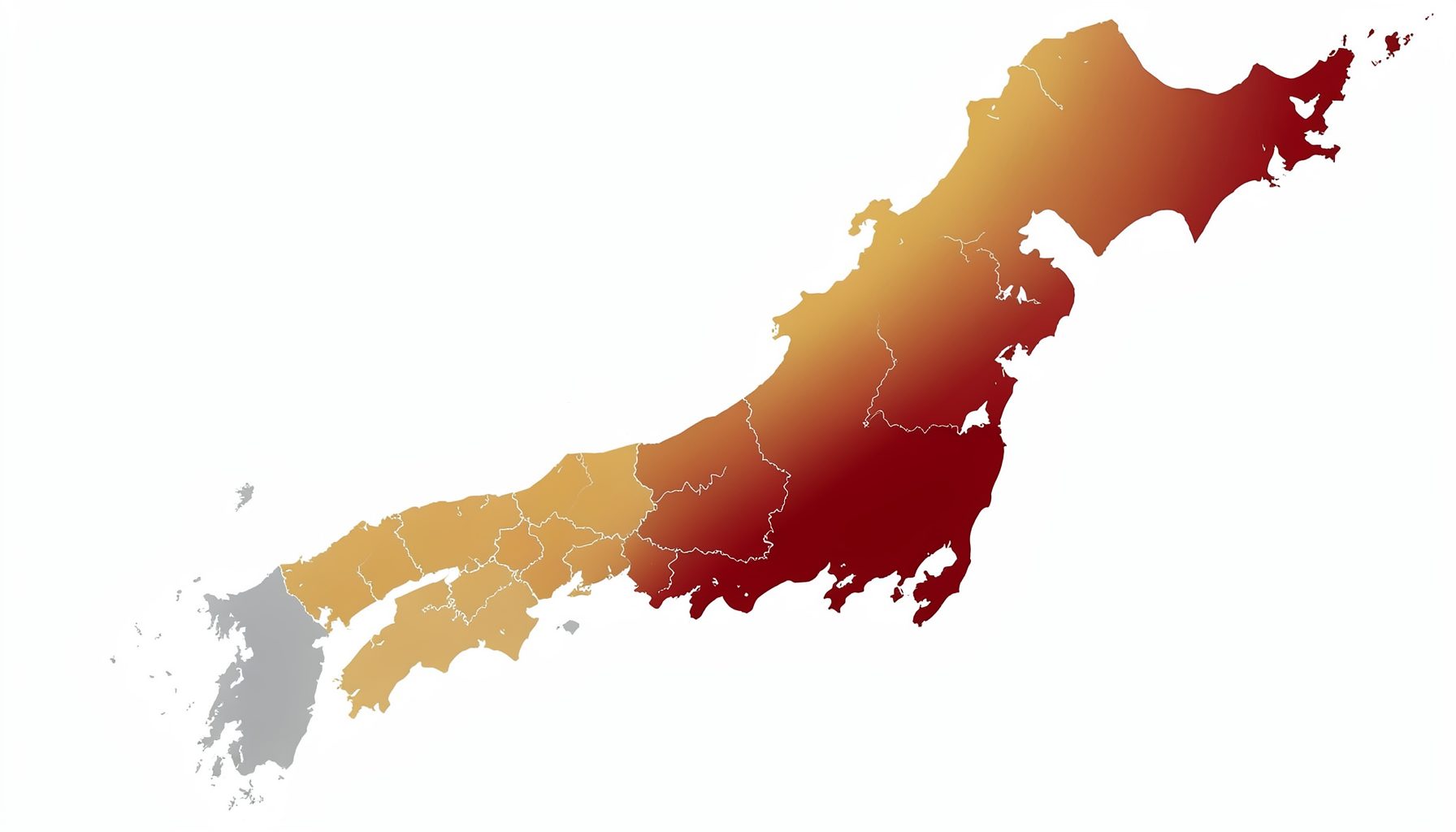
Japan’s multi-channel approach provides a useful setting for this work. Emergency department records can be interpreted alongside outpatient consultations, ambulance transport, pharmacy activity, school absenteeism, elderly-care reports, and laboratory findings. Connecting these streams creates a more responsive picture of possible outbreaks and supports faster decisions about testing, communication, and infection control.
Why Jaundice Is A Valuable Early Signal
Jaundice is a recognizable clinical sign that can be captured before a definitive diagnosis is entered into a medical record. A patient may arrive at an emergency department because family members notice yellow eyes, because urine has become unusually dark, or because symptoms have worsened outside normal clinic hours. These encounters can therefore reveal changes in community health-seeking behavior.
A jaundice-related visit does not automatically indicate acute hepatitis. Gallstones, bile duct obstruction, hemolysis, alcohol-associated liver disease, drug toxicity, and chronic liver disorders can produce similar features. For this reason, syndromic surveillance should treat jaundice as an alerting syndrome rather than a confirmed disease category.
The value lies in observing changes over time and across locations. A sustained increase in visits, an unusual concentration among children, or simultaneous rises in several neighboring districts may warrant investigation. Even a modest increase can matter when it occurs alongside foodborne illness reports, abnormal laboratory results, or increased ambulance transfers.
Building A Reliable Emergency Department Signal
The first step is to define a case-like syndrome using information available early in care. Useful indicators may include triage terms such as jaundice or icterus, chief complaints involving yellow skin or eyes, emergency diagnosis codes, and symptom descriptions related to dark urine or pale stools. Natural-language processing can supplement structured fields when clinicians record symptoms in free text.
A practical system should separate new visits from repeated encounters, transfers, and administrative records. It should also distinguish pediatric and adult populations, because causes, exposure patterns, and thresholds for emergency evaluation may differ. Data should be analyzed by date of symptom onset when available, as well as by visit date, to avoid mistaking delayed presentation for a sudden transmission event.
The signal becomes stronger when emergency department data are linked with laboratory testing. Results for bilirubin, alanine aminotransferase, aspartate aminotransferase, alkaline phosphatase, and viral hepatitis markers can help assess whether a rise in jaundice visits represents liver injury, cholestasis, or another clinical process. Laboratory confirmation should refine the alert, not delay the initial review.
Privacy protection is essential. Analysts generally need counts, age bands, geographic areas, time periods, and selected clinical characteristics rather than identifiable patient details. Small-cell suppression, access controls, and clear retention rules help preserve public trust while allowing health authorities to act on meaningful patterns.
Interpreting Signals Across Multiple Channels
A rise in emergency visits becomes more informative when other surveillance channels move in the same direction. Increased ambulance transports for abdominal pain or altered consciousness may indicate severe cases. Pharmacy data may reveal growing demand for supportive medicines, rehydration products, or treatments associated with gastrointestinal symptoms. The e-pharmacy evidence can be especially useful in rural areas where patients may have limited access to hospitals and community-level changes may appear first in remote purchasing behavior.
School absenteeism can help identify possible transmission among children and adolescents, although absence alone cannot distinguish hepatitis from respiratory, gastrointestinal, or other illnesses. Reports from elderly-care facilities may highlight clusters among residents who are more vulnerable to dehydration and complications. Ambulance, clinic, pharmacy, and school signals should therefore be compared rather than interpreted in isolation.
Laboratory surveillance supplies a different kind of evidence. A cluster of jaundice visits followed by increased positive hepatitis A tests would suggest a different response from a cluster accompanied by elevated liver enzymes but no infectious diagnosis. The timing between syndromic alerts and confirmatory results can also indicate whether testing capacity is keeping pace with clinical demand.
Geographic analysis helps identify shared exposures. A group of patients living near a common food venue, workplace, school, event site, or water source may point investigators toward a local exposure. When cases are dispersed across regions, a widely distributed product, travel-related transmission, or a broader environmental factor may be more plausible.
| Signal source | What it can show | Main limitation | Useful follow-up |
|---|---|---|---|
| Emergency department visits | Sudden changes in jaundice-related demand and severity | Includes non-hepatitis causes | Review symptoms, age, location, and disposition |
| Laboratory testing | Evidence of liver injury or specific viral infection | Results may be delayed or unevenly available | Compare positivity, test volume, and turnaround time |
| Ambulance records | Severe presentations and geographic concentration | Misses people who travel independently | Assess transfers, admission rates, and clusters |
| Pharmacy activity | Community demand and possible early behavior changes | Product choice is not a diagnosis | Compare products with clinic and laboratory trends |
| School absenteeism | Possible spread among children | Highly nonspecific | Check for linked symptoms and household cases |
| Elderly-care reports | Vulnerable-group clusters and institutional spread | Reporting practices vary by facility | Verify cases and review infection-control measures |
Distinguishing Outbreaks From Background Variation
Emergency department activity naturally changes with season, holidays, weather, tourism, and healthcare access. A single-day increase in jaundice visits may reflect a reporting backlog, a local festival, or an ordinary fluctuation. Reliable monitoring therefore requires a baseline built from historical data with comparable day-of-week and seasonal patterns.
Statistical thresholds can flag observations that exceed expected variation. Moving averages, control charts, and negative-binomial models are useful when counts are low or dispersed. Analysts should examine both absolute numbers and relative increases: a rise from two cases to six may be statistically striking but operationally different from an increase from 40 to 80.
The composition of cases matters as much as the total count. A signal involving many previously healthy children, a cluster of patients from one neighborhood, or an unusual increase in hospital admissions may deserve more attention than a larger rise spread across multiple known chronic conditions. Age, sex, residence, travel history, occupation, and exposure information can help prioritize interviews.
False alarms are an expected part of early-warning surveillance. The aim is to produce a manageable list of signals for verification, not to create automatic outbreak declarations. A public-health team can review clinical notes, contact facilities, request targeted testing, and compare findings with other data sources before communicating a confirmed risk.
Responding To A Verified Alert
Once a signal appears credible, the response should be proportionate to the suspected cause. Hepatitis A may require investigation of food handlers, household contacts, childcare settings, or shared meals. Hepatitis E may prompt attention to food, water, animal, or travel exposures, depending on local epidemiology. Drug-related or toxin-related liver injury may require product tracing rather than contact follow-up.
Emergency departments can support the investigation by using consistent triage terminology, collecting exposure histories, and ensuring that clinicians know when to request appropriate tests. Public-health laboratories may need to reserve capacity for specimens from the affected area. Hospitals should also communicate admission criteria and infection-control information clearly to avoid unnecessary disruption.
Communication must balance speed with accuracy. An early message can advise clinicians to consider hepatitis in patients with jaundice and ask facilities to report compatible cases. It should avoid implying that every jaundice visit represents a contagious infection. As evidence develops, updates can explain what is known, what remains uncertain, and which preventive actions are appropriate.
Digital monitoring can add context, but it must be interpreted carefully. Online attention may reflect genuine concern, news coverage, or unrelated activity; even pages about online gaming pages illustrate why analysts need to distinguish broad internet signals from health-specific evidence. Search trends and social posts can support situational awareness, yet clinical and laboratory data should remain central to outbreak assessment.
Practical Recommendations For Health Teams
Effective monitoring depends on clear definitions, dependable data flows, and a response process that is agreed before a signal occurs. Health authorities can strengthen the system by:
- Defining jaundice-related indicators across triage notes, diagnosis codes, ambulance records, and laboratory orders.
- Establishing age-specific and seasonal baselines for emergency department visits.
- Linking syndromic alerts with confirmatory testing, admissions, geographic clusters, and exposure histories.
- Reviewing pharmacy, school, elderly-care, and outpatient data alongside emergency presentations.
- Testing alert workflows through simulated clusters and documenting the time from detection to public-health action.
Turning Detection Into Faster Protection
The strongest system is one that turns an unusual pattern into a timely, evidence-based response. That requires cooperation among emergency clinicians, laboratories, local health offices, data analysts, pharmacies, schools, care facilities, and national surveillance programs. Standardized definitions make signals comparable, while rapid feedback shows participating organizations how their reports support public protection.
Monitoring acute hepatitis through jaundice-related emergency department visits should therefore be viewed as a layered process. Emergency data provide speed, laboratory testing provides specificity, and linked community sources provide context. Together, they can reveal a developing problem earlier than any single reporting channel.
Public-health teams can explore the wider syndromic surveillance network to strengthen indicator design, compare monitoring channels, and build practical early-warning workflows. Begin by reviewing local jaundice data, establishing a baseline, and agreeing on the actions that will follow when the pattern changes.