





Monitoring pertussis outbreaks through cough-related emergency visits
Pertussis, or whooping cough, can spread before an outbreak is recognized through laboratory reporting. Early symptoms often resemble an ordinary respiratory infection, while the characteristic cough may develop later. This delay creates a valuable role for syndromic surveillance: monitoring health-care encounters that occur before clinicians have a confirmed diagnosis.
Emergency department records can provide an especially timely view of respiratory illness. A rise in visits involving persistent cough, paroxysmal cough, breathing difficulty, or vomiting after coughing may indicate a change in community transmission. These signals are most useful when they are interpreted with age, location, season, vaccination history, and other surveillance streams.
Japan’s multi-channel approach offers a practical framework for this work. Information from clinics, hospitals, ambulances, pharmacies, schools, elderly-care facilities, and laboratories can be assessed together. No single source proves that pertussis is spreading, but aligned changes across several sources can prompt faster investigation, testing, communication, and prevention measures.
Why cough-related emergency visits matter
Pertussis has a long and variable clinical course. During the early catarrhal phase, patients may have a runny nose, mild fever, and an occasional cough. The illness can then progress to repeated coughing fits, inspiratory whooping, exhaustion, or post-tussive vomiting. Infants may show apnea or feeding difficulty rather than a classic whoop, making age-specific monitoring essential.
Emergency visits capture people who seek urgent assessment because symptoms have intensified or persisted. A sudden increase in visits for cough can therefore act as an early warning of respiratory transmission, especially when the increase is concentrated in children, adolescents, or household clusters. The signal may appear before laboratory-confirmed pertussis counts rise because testing, reporting, and case classification take time.
The measure should be defined carefully. Analysts might track all emergency encounters mentioning cough, a narrower syndrome combining cough with vomiting or breathing difficulty, or visits assigned a respiratory diagnosis code. Each definition has different sensitivity and specificity. A broad definition can identify a developing wave early, while a narrow definition may reduce noise but miss atypical presentations.
Building a useful emergency department signal
A reliable surveillance indicator begins with consistent data extraction. Emergency departments may record symptoms in free text, triage fields, diagnosis codes, or discharge summaries. A monitoring system should document which fields are available, how duplicate visits are handled, and whether the same patient can appear in several facilities during one illness episode.
Daily or weekly counts should be adjusted for changes in total emergency activity. A rise from 100 to 130 cough-related visits means something different when all emergency visits have increased by 40 percent. Proportions, moving averages, historical baselines, and age-specific rates can help distinguish a real increase from ordinary fluctuations in service use.
Analysts also need to account for care-seeking behavior. Media reports, school alerts, changes in clinic opening hours, weather, transportation disruptions, and outbreaks of other respiratory pathogens can all influence emergency attendance. A statistical alert should therefore be treated as a prompt for review, not as a diagnosis of pertussis.
An effective review compares the current pattern with expected activity for the same weeks in previous years. Pertussis can show seasonal variation, but local timing may differ. Thresholds should reflect the usual level of emergency reporting, data completeness, and the consequences of missing a signal. A smaller threshold may be appropriate when infants or other high-risk groups are affected.
Combining emergency visits with other channels
Emergency department data become more informative when linked to complementary sources. Laboratory testing can confirm Bordetella pertussis and identify co-circulating pathogens. Clinic reports may capture milder illness, while ambulance data can reveal severe respiratory distress. Pharmacy dispensing patterns may show increased demand for antibiotics or cough-related medicines, although prescriptions alone cannot distinguish pertussis from other infections.
Schools are an important source for identifying transmission among children. Unusual absenteeism, clusters of prolonged absence, or repeated reports of cough can support an emergency visit signal. The same principle applies to elderly-care facilities, where respiratory outbreaks may cause rapid increases in medical consultations and ambulance transfers. Guidance on norovirus surveillance illustrates how absenteeism and pharmacy information can strengthen interpretation when used alongside clinical data.
The strongest evidence usually comes from convergence rather than volume. For example, an increase in cough-related emergency visits among school-aged children, a rise in school absences, more pertussis testing requests, and a cluster of positive laboratory results form a more persuasive pattern than an isolated emergency department spike.
| Surveillance source | Signal that may support pertussis monitoring | Main value | Important limitation |
|---|---|---|---|
| Emergency departments | Cough, paroxysmal cough, breathing difficulty, post-tussive vomiting | Rapid view of urgent illness and severity | Influenced by care-seeking and hospital access |
| Outpatient clinics | Persistent cough and respiratory consultations | Captures milder and earlier illness | May be delayed or fragmented across providers |
| Laboratories | Positive pertussis tests and test positivity | Confirms infection and supports case classification | Testing practices can change over time |
| Schools | Absenteeism and clusters of prolonged absence | Indicates possible child-to-child transmission | Absence does not identify the pathogen |
| Pharmacies | Antibiotic or cough-medicine dispensing | Shows community demand for treatment | Products are used for many conditions |
| Ambulances | Respiratory distress and urgent transfers | Highlights severe cases and vulnerable groups | Represents a small, selected part of illness |
| Elderly-care facilities | Respiratory clusters and increased medical referrals | Detects risk in congregate settings | Facility reporting may vary |
Interpreting age, place, and severity
Age stratification is central to pertussis surveillance. Infants may require hospitalization even when the number of emergency visits is small, while older children may account for a larger share of community transmission. Adolescents and adults can experience prolonged cough without a whoop and may serve as overlooked sources of infection for young infants.
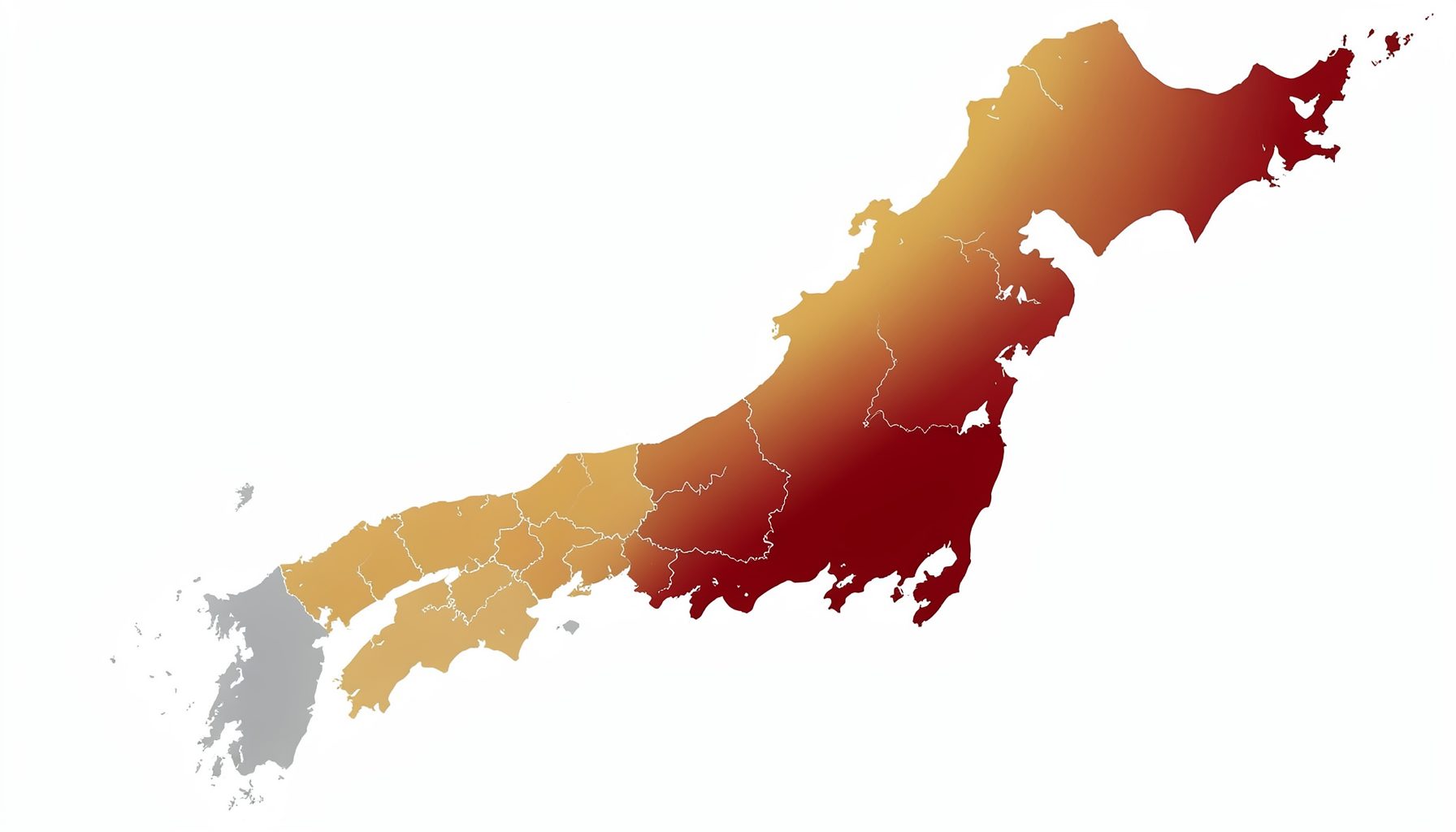
Geographic analysis can identify localized clusters around schools, neighborhoods, workplaces, or care facilities. However, maps should be interpreted with caution. A facility with improved reporting may appear to have more illness than a facility with incomplete data. Population denominators, referral patterns, and the availability of pediatric emergency services should be considered before comparing areas.
Severity indicators add another layer of meaning. Hospital admission, intensive care use, oxygen support, ambulance transport, and deaths can show whether an increase in cough-related visits is producing serious outcomes. A stable number of emergency visits with rising admissions may be more concerning than a large increase in mild encounters.
During a major international event, enhanced monitoring may be needed because visitors can introduce or acquire infections and then return to different regions. Temporary increases in emergency surveillance, multilingual reporting, and rapid laboratory coordination can help identify unusual respiratory clusters without assuming that every increase is event-related.
Reducing false alarms and missed signals
Cough is common, so cough surveillance must be designed to separate background respiratory illness from a pertussis-like pattern. Combining duration, symptom combinations, age, and repeat visits can improve specificity. A persistent cough lasting at least two weeks, coughing fits, vomiting after coughing, or a known exposure may carry more epidemiological value than an isolated cough recorded at triage.
Natural-language processing can help identify symptom descriptions in clinical notes, but it requires local validation. Terms used by clinicians may differ between facilities, and automated systems can misread negations such as “no cough.” Periodic manual review of sampled records helps measure the positive predictive value of the algorithm and detect changes in documentation.
The system should also be resilient to administrative changes. New electronic health records, revised coding systems, altered testing guidelines, or changes in emergency department registration can create artificial breaks in the trend. Analysts should annotate these events and avoid interpreting a sudden change as an outbreak until data continuity has been checked.
Public-health teams need a defined escalation pathway. An alert might trigger a review of laboratory capacity, targeted testing, communication with clinicians, examination of vaccination records, and contact investigation. If the signal is sustained or severe, authorities may coordinate infection-control guidance for schools, hospitals, households, and care facilities.
Digital attention is another possible source of distortion. Search behavior and online discussion can be shaped by unrelated interests, including online casino information, so web activity should not be treated as a substitute for clinical or laboratory surveillance. Internet signals may provide context, but health decisions should rest on validated epidemiological data.
Turning an alert into public-health action
An increase in cough-related emergency visits should lead to a structured investigation. Teams can first verify the data, assess whether the increase is concentrated by age or location, and compare it with outpatient, school, pharmacy, ambulance, and laboratory information. They can then determine whether additional specimens, case interviews, or facility-level checks are needed.
Communication should be timely and proportionate. Clinicians may need reminders about pertussis testing, notification requirements, isolation precautions, and preventive treatment for close contacts. Families should receive clear information about symptoms that require urgent care, especially apnea or breathing difficulty in infants, while avoiding messages that create unnecessary alarm.
Vaccination status is a key part of the response. Surveillance findings can reveal communities with low coverage, delayed infant vaccination, or waning protection among adolescents and adults. These findings may support targeted outreach, catch-up vaccination, or a review of access barriers. The surveillance system should record the response and later assess whether illness indicators declined.
Preparedness planning benefits from the same architecture. Experience from pandemic influenza planning shows why near-real-time signals, interoperable data, and predefined response roles matter before a crisis begins. Pertussis monitoring can use a smaller, pathogen-specific case definition while retaining the broader infrastructure needed for respiratory threats.
Practical priorities for surveillance teams
A monitoring program is most effective when its analytical methods and response procedures are agreed in advance. The following priorities can help public-health teams turn emergency visit data into an operational early-warning system:
- Define cough-related syndromes using consistent symptom fields, diagnosis codes, age groups, and time windows.
- Normalize emergency visit counts against total activity and compare results with historical seasonal baselines.
- Link emergency signals with laboratory testing, school absenteeism, pharmacy activity, ambulance records, and care-facility reports.
- Establish alert thresholds, data-quality checks, escalation contacts, and actions for both moderate and severe signals.
- Evaluate each alert afterward to measure timeliness, false alarms, missed cases, and the effect of public-health interventions.
A clear dashboard can display daily counts, age distribution, geographic concentration, admission rates, testing volume, and positivity. It should show uncertainty and missing data rather than presenting every change as a definitive outbreak. This supports better decisions by epidemiologists, clinicians, emergency managers, and local authorities.
Monitoring should continue after the initial response. A decline in emergency visits may reflect effective control, changes in care-seeking, or reduced testing. Comparing several channels helps establish whether transmission has genuinely fallen. Over time, these evaluations improve syndrome definitions, refine alert thresholds, and strengthen preparedness for other respiratory infections.
When cough-related emergency visits are connected to laboratory confirmation, school and pharmacy signals, and rapid public-health review, they can provide an early view of pertussis transmission. Public-health agencies can put this approach into practice by defining local indicators, establishing secure data flows, and rehearsing the steps from alert verification to targeted response before the next increase appears.