





Syndromic surveillance for scabies in long-term care
Scabies outbreaks in long-term care facilities can spread quietly before a diagnosis is confirmed. The first signs may be a cluster of nighttime itching, repeated requests for topical treatment, new rashes among residents, or several care workers reporting similar symptoms. Because older adults may have atypical presentations and cognitive impairment can make symptom reporting difficult, relying only on laboratory results or specialist referrals can delay control measures.
Syndromic surveillance provides an earlier view. It collects and analyzes patterns of symptoms, treatments, consultations, staffing concerns, and facility-level events before every suspected case has a confirmed diagnosis. Used carefully, this approach can help infection prevention teams recognize an unusual increase in skin complaints, assess whether transmission is continuing, and coordinate clinical evaluation, contact management, environmental cleaning, and communication.
A useful surveillance program should fit naturally into routine care. It can combine nursing notes, electronic health records, pharmacy data, occupational health reports, and information from hospitals or visiting clinicians. The goal is not to label every itchy resident as a scabies case. It is to detect a meaningful change from the facility’s usual baseline and create a prompt for informed investigation.
Why early signals matter in care facilities
Scabies is caused by infestation with Sarcoptes scabiei mites and is transmitted mainly through prolonged skin-to-skin contact. In residential care, close assistance with bathing, dressing, toileting, repositioning, and medication administration can create many opportunities for exposure. Shared rooms, communal activities, and frequent staff movement between units can further complicate the transmission pattern.
Symptoms may take weeks to appear after an initial infestation. A person can therefore contribute to transmission before anyone recognizes a problem. In older residents, the rash may be subtle, widespread, crusted, or mistaken for eczema, drug reactions, dry skin, or another dermatological condition. A surveillance system that captures symptom clusters can identify concern earlier than a case-by-case reporting process.
Syndromic data are especially valuable when clinical capacity is limited. A sudden rise in documented pruritus, unexplained rash, requests for urgent skin assessment, or prescriptions for scabicidal medication does not prove an outbreak. It does, however, indicate that the facility should review cases together rather than treating each event as unrelated.
Building a practical signal set
The strongest monitoring model uses several channels because each source has blind spots. Nursing documentation can record itching, rash location, sleep disruption, and changes in behavior. Medical records can identify diagnoses, treatment orders, referrals, and emergency transfers. Pharmacy data may show an unusual increase in dispensing of permethrin or other relevant treatments, while occupational health records can reveal symptoms among staff.
Facilities should define a small number of standardized indicators. Examples include new residents or workers with nocturnal pruritus, two or more linked cases on a unit, repeated skin-related consultations within a short period, treatment of multiple close contacts, and unexplained increases in requests for laundry or bedding changes. Consistent coding matters: free-text notes alone are difficult to compare over time, especially when staff use terms such as “itchy,” “rash,” “possible infestation,” and “skin irritation” interchangeably.
Signals should be interpreted against a local baseline. A facility with frequent dermatology referrals will have a different normal pattern from a smaller home with stable staffing and few skin complaints. A rolling average by unit, week, and resident population can help identify deviations. Thresholds should be sensitive enough to trigger review while allowing an infection prevention professional to assess whether the pattern is clinically plausible.
Other syndromic surveillance programs show why multiple indirect sources can be useful. For example, monitoring over-the-counter medication sales can reveal community illness trends before formal diagnoses are compiled. In long-term care, similar logic applies to treatment requests and pharmacy dispensing, provided that the data are interpreted alongside clinical information rather than used as a substitute for examination.
Combining facility data with wider monitoring
A long-term care facility should not operate as an isolated data point. Residents may move between nursing homes, hospitals, outpatient clinics, rehabilitation centers, and family settings. Staff may work at more than one site. Regional public-health surveillance can therefore help identify whether a suspected cluster is local to one unit or part of a wider increase.
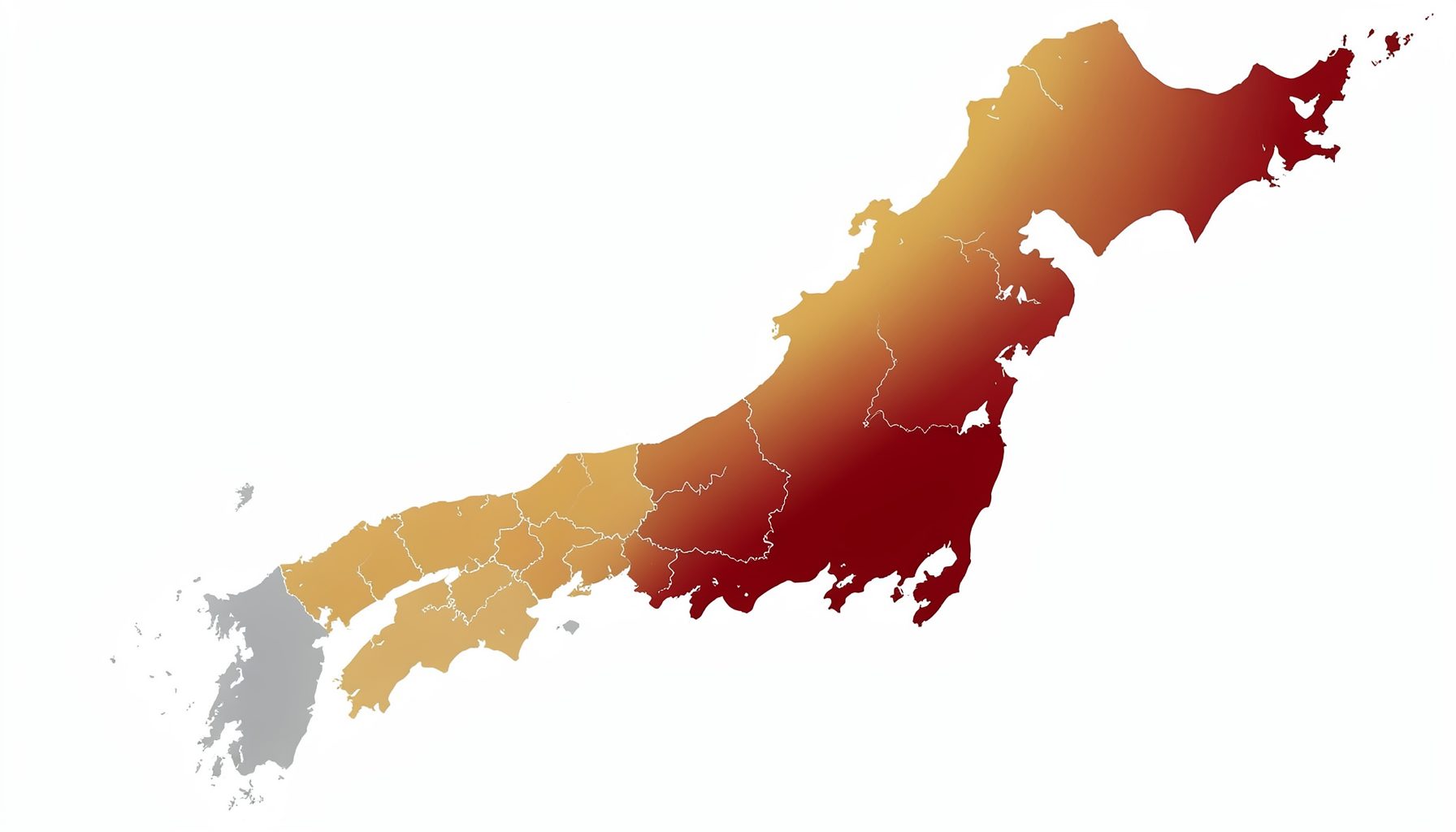
Japan’s multi-channel approach to infectious disease monitoring illustrates the value of connecting information from clinics, hospitals, ambulances, pharmacies, schools, elderly-care facilities, and laboratory testing. A facility-level scabies system does not need to replicate a national platform, but it can use the same principle: combine complementary signals and establish clear routes for escalation.
The comparison below shows how different data sources contribute to early detection and response.
| Data source | Useful scabies signal | Main strength | Important limitation |
|---|---|---|---|
| Nursing and care notes | New itching, rash, sleep disturbance, skin excoriation | Captures symptoms close to their onset | Documentation may vary between staff |
| Clinical assessments | Suspected diagnosis, differential diagnosis, treatment plan | Adds professional interpretation | Assessments may be delayed or inconsistent |
| Pharmacy records | Multiple scabicide prescriptions or treatment refills | Detects linked treatment activity | Medication may be prescribed preventively or for another setting |
| Occupational health | Itching or rash among staff and agency workers | Identifies possible staff-related transmission | Staff may report outside the facility |
| Hospital and outpatient data | Referrals, dermatology visits, confirmed diagnoses | Provides broader clinical context | Data sharing can be slow |
| Environmental and operational logs | Laundry changes, room closures, cleaning escalation | Shows response intensity and operational burden | Actions may occur before symptoms are formally coded |
These channels can be reviewed in a daily huddle during a suspected cluster and summarized weekly during routine monitoring. Data exchange should follow applicable privacy rules, with access restricted to people who need identifiable information for care or infection control. Aggregated trends may be sufficient for senior management, while line-level records should remain within the clinical investigation team.
Distinguishing a true cluster from background noise
A rise in itching does not automatically mean scabies transmission. Winter dryness, a new detergent, heat exposure, medication reactions, bedbugs, fungal infections, and eczema can produce similar complaints. Some residents may also have chronic pruritus that fluctuates independently of an outbreak. Surveillance is therefore a screening mechanism, not a diagnostic instrument.
When a threshold is crossed, the response should include a structured case review. Investigators can compare symptom onset dates, room locations, care assignments, shared activities, recent admissions, hospital visits, and staff rosters. Clinical examination should assess the distribution and character of lesions, while suspected cases and contacts should be managed according to current public-health and clinical guidance.
The timing of signals can provide useful clues. A synchronized increase in symptoms among residents and care workers suggests a different pattern from several isolated complaints spread over months. A cluster concentrated around one unit may point to shared exposure or care practices, whereas cases across multiple floors may indicate movement of people or staff. These interpretations should remain provisional until clinical assessment supports them.
Communication is part of the surveillance response. Staff need a simple reporting pathway and clear definitions for “new rash,” “new itching,” and “suspected scabies.” Residents and families should receive accurate information that avoids blame and explains why prompt assessment and treatment of close contacts may be necessary. Overly broad alerts can create anxiety and unnecessary treatment, while delayed communication can allow transmission to continue.
Using data to guide prevention and control
Surveillance becomes useful when it leads to timely action. Once a credible signal is identified, infection prevention leaders can coordinate medical review, identify potentially exposed people, reinforce hand hygiene and appropriate personal protective equipment, and assess linen, clothing, and environmental handling practices. Treatment plans should be clinically supervised, with attention to contraindications, application procedures, repeat dosing, and adherence.
The system should also capture response indicators. These may include the number of residents assessed, contacts treated, staff excluded or evaluated, new cases after intervention, and time from first signal to investigation. Measuring these intervals helps reveal whether the facility’s reporting and escalation pathways are functioning. A falling number of new linked symptoms after coordinated control measures is more informative than a single isolated prescription count.
Digital dashboards can help, but they are not essential. A protected spreadsheet with standardized fields may be sufficient for a small facility. Useful fields include date, unit, symptom category, resident or staff status, clinical assessment, treatment status, exposure relationship, and outcome. Automated alerts should be reviewed by a trained person because an algorithm cannot reliably distinguish scabies from every competing explanation.
Lessons from other settings can strengthen the design. A guide to school absenteeism surveillance demonstrates how routine administrative information can become an early-warning resource when reporting definitions, thresholds, and responsibilities are established in advance. Long-term care facilities can apply the same discipline to symptom and treatment data without burdening frontline workers with complex forms.
Strengthening the system over time
A surveillance program should be tested before an outbreak occurs. Infection prevention teams can run tabletop exercises using fictional clusters, check whether staff recognize the reporting threshold, and measure how quickly data reach the decision-maker. These exercises often expose practical problems, such as missing agency-worker information, unclear responsibility for pharmacy review, or a lack of backup when the usual infection control lead is absent.
Training should focus on recognition as well as reporting. Staff can learn that scabies may present atypically in older or immunocompromised residents, that itching may be absent or difficult to communicate, and that crusted lesions require urgent clinical attention. Education should also explain why simultaneous management of cases and close contacts may be needed, reducing the risk that a single treated resident is considered the end of the problem.
External data can add context when interpreted cautiously. For instance, a surveillance resource describing mosquito-borne disease signals shows how geographic and temporal patterns can support early public-health action even before definitive confirmation. For scabies, comparable value may come from regional dermatology activity, facility-to-facility reports, or public-health alerts, although the transmission routes and clinical indicators differ.
Facilities should review performance after every suspected cluster. Ask whether the first signal was visible, whether it was reported promptly, whether the threshold was appropriate, and whether the response reduced further cases. Adjust definitions and workflows based on evidence. A system that is simple, trusted, and regularly maintained is more likely to detect a real outbreak than a technically sophisticated platform that staff rarely use.
Recommended actions for facility leaders
- Establish a small standardized set of indicators for new itching, rash, suspected scabies, treatment activity, and linked cases.
- Create a daily escalation pathway that connects frontline staff, the clinical assessor, infection prevention lead, pharmacy, and public-health authorities.
- Review trends by unit, resident status, staff role, and time period rather than relying on individual reports alone.
- Protect personal information through role-based access, secure records, and clear rules for sharing identifiable data.
- Test the system with exercises and update thresholds after each investigation or confirmed cluster.
Early warning works best when it supports, rather than replaces, clinical judgment. A cluster of symptoms should prompt assessment, contact tracing, and appropriate infection control—not automatic labeling or mass treatment without evidence. By integrating care records, pharmacy activity, occupational health information, and regional surveillance, long-term care providers can shorten the interval between the first unusual signal and an effective response.
Facilities can begin by mapping existing data sources, agreeing on definitions, and assigning responsibility for daily review. Public-health teams, clinical partners, and care providers should then use the resulting signals to investigate promptly and share relevant findings. Building this capability before the next cluster gives residents, staff, and families a better chance of receiving timely protection.