





The Role Of E-Pharmacy Sales In Rural Syndromic Surveillance
Rural communities can experience infectious disease activity before it becomes visible in laboratory reports or official case counts. Long travel distances, limited clinic hours, staff shortages, and delayed specimen transport may create gaps between the first symptoms and confirmed diagnoses. During that interval, changes in medicine purchasing can provide a useful population-level signal.
Electronic pharmacy sales include online orders for prescription medicines, over-the-counter products, fever reducers, cough remedies, oral rehydration products, and respiratory care items. When these data are collected responsibly and interpreted alongside information from clinics, schools, ambulance services, hospitals, and laboratories, they can help public-health teams identify unusual increases in illness earlier.
The value of this approach lies in speed and coverage rather than diagnostic certainty. A rise in purchases does not prove that an outbreak is occurring, but it can indicate where health authorities should look more closely. For rural surveillance, that early direction can support faster communication, targeted testing, and better allocation of medical supplies.
Why Rural E-Pharmacy Data Matters
Traditional surveillance often depends on people visiting a healthcare facility, receiving a diagnosis, and having that diagnosis entered into a reporting system. In sparsely populated areas, each step can take longer. Some residents manage mild symptoms at home, while others rely on remote consultations or online pharmacies because the nearest medical facility is several hours away.
E-pharmacy transactions can capture health-seeking behavior from people who never appear in clinical records. A sudden increase in orders for antipyretics, cough medicine, gastrointestinal treatments, or pediatric remedies may reflect a broader change in community illness. Geographic delivery data can also show whether activity is concentrated in a village, school catchment area, island, or remote district.
This signal is especially useful when paired with a stable baseline. Public-health analysts can compare current purchasing levels with the same weeks in previous years, recent local averages, or expected seasonal patterns. A modest increase in a region with normally low demand may deserve as much attention as a larger increase in a highly populated town.
How Sales Signals Complement Clinical Reports
E-pharmacy information fills a different role from laboratory confirmation. Laboratory data can identify a pathogen with high specificity, while pharmacy sales can indicate that more residents are seeking relief for compatible symptoms. Clinical visits can add information about severity, age, and examination findings. Combining these streams provides a broader view of community health.
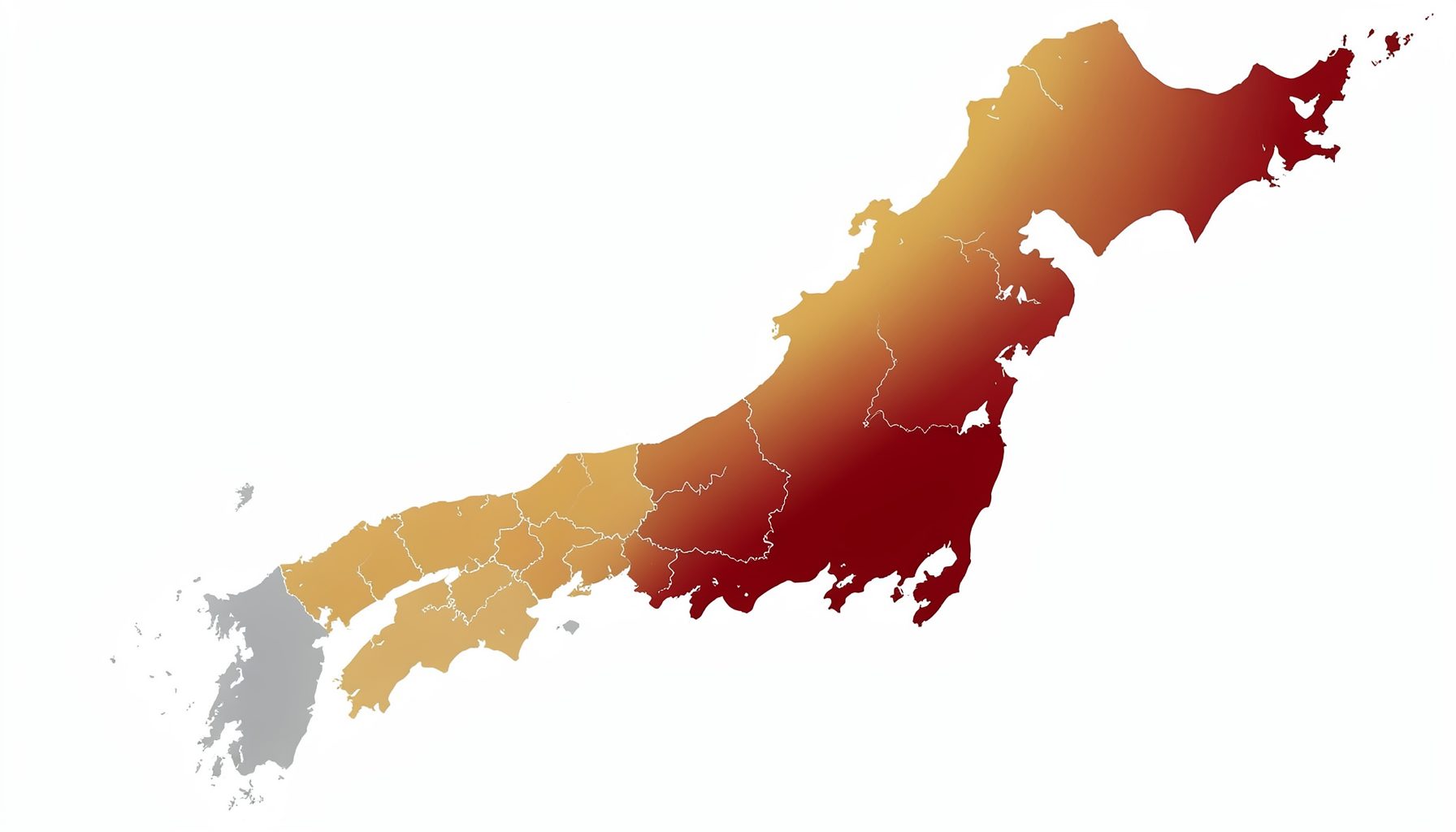
Japan’s multi-channel approach demonstrates why early warning works best when data sources are connected rather than isolated. The Japan’s syndromic surveillance system brings together signals from medical facilities, ambulances, pharmacies, schools, elderly-care settings, and testing laboratories. E-pharmacy sales can strengthen this model by extending observation into households and remote communities.
The strongest signal usually comes from convergence. For example, increased online purchases of fever medication may be more significant when rural clinics report more respiratory complaints, schools record higher absenteeism, and pharmacies request additional supplies. Analysts should avoid treating any single sales category as a case count. Instead, sales trends should help trigger verification through clinical assessment, testing, and local investigation.
Building A Reliable Rural Signal
Data quality begins with clear definitions. Surveillance teams need to know whether a transaction represents a prescription, a single over-the-counter product, a refill, or a bundled order. They also need consistent product classifications so that equivalent medicines are grouped together even when brands, package sizes, or suppliers differ.
Geographic assignment requires care. An order may be placed from one address, delivered to another, and fulfilled by a distribution center in a third location. Rural monitoring should generally use the customer’s residence or delivery area, with safeguards that prevent the identification of individual households. Small-area reporting may need aggregation to protect privacy and reduce the risk of drawing conclusions from very small numbers.
Analysts should account for operational factors that can mimic disease activity. A sale promotion, a new delivery service, a pharmacy closure, a supply shortage, or a change in reimbursement rules can alter purchasing patterns without any change in illness. Weather, holidays, harvest schedules, tourism, and local events can also affect demand. Metadata about these factors should be retained as part of the surveillance system.
A practical rural dashboard might track weekly counts, product groups, order volume per population, repeat purchases, age bands where legally permitted, and the number of participating pharmacies. It should display deviations from baseline and identify whether several related categories are rising together. Simple, transparent methods are often more useful to local responders than a complex model that cannot explain why an alert was issued.
Reading Data Without Overclaiming
An e-pharmacy alert is a prompt for assessment, not a diagnosis. Fever medicine may be purchased for chronic conditions, travel, preventive stocking, or use by visitors. Cough products may be bought for allergies, smoking-related symptoms, or a household member who lives outside the delivery area. These alternative explanations need to be considered before public messaging or operational changes begin.
One useful method is to create alert tiers. A low-level signal may involve a small deviation in one product group. A stronger signal may combine several symptom-related categories with clinic visits or school absenteeism. The highest level could involve sustained growth across multiple channels, reports of severe illness, or laboratory evidence. Each tier should have a predefined response, such as data review, contact with local providers, targeted testing, or public-health coordination.
Privacy protection must be built into every stage. Individual order histories should not be shared with broad surveillance audiences, and reporting thresholds should prevent re-identification in small communities. Data agreements should specify retention periods, authorized users, security controls, and acceptable purposes. Aggregated statistics can usually support early-warning work without exposing personal medical or purchasing information.
Communication also matters. Local officials should explain that sales surveillance detects patterns rather than names or diagnoses. Clear language can reduce public anxiety and discourage the assumption that an alert confirms an outbreak. It also encourages pharmacies and residents to view the system as a public-health resource rather than a mechanism for monitoring individual behavior.
| Data source | What it can show | Main strength | Important limitation |
|---|---|---|---|
| E-pharmacy sales | Changes in medicine-seeking behavior | Fast coverage of remote households | Purchases do not confirm illness |
| Rural clinics | Symptoms, diagnoses, and severity | Clinical context | Misses people who do not seek care |
| Schools | Absenteeism and potential transmission among children | Timely community-level signal | Influenced by non-health-related absences |
| Ambulance services | Severe or rapidly worsening illness | Immediate indication of serious events | Captures only the most urgent cases |
| Laboratory testing | Pathogen confirmation | High specificity | Results may arrive after transmission has begun |
| Elderly-care facilities | Illness among a high-risk population | Helps identify vulnerable settings | Coverage depends on facility participation |
Turning Early Signals Into Local Action
When e-pharmacy data indicate unusual activity, rural health authorities can use the finding to focus limited resources. They may contact participating clinicians, review school absenteeism, inspect local inventory levels, or arrange additional testing. If respiratory symptoms are rising, officials can prioritize protective equipment, antiviral access where appropriate, and clear advice about when residents should seek care.
The same information can support logistics before shortages occur. A rise in demand for oral rehydration products during a gastrointestinal illness cluster may justify redistribution from a central warehouse. Increased pediatric medicine purchases could prompt coordination with schools and child-care providers. Monitoring sales alongside stock levels helps distinguish a true demand increase from a temporary supply disruption.
Event-based monitoring offers another application. Rural areas may receive visitors for festivals, sporting competitions, seasonal work, or international events. Japan’s experience with enhanced monitoring during the Tokyo Olympics shows how surveillance can be intensified when population movement changes rapidly; enhanced event monitoring can reveal signals that ordinary local baselines would miss.
Alerts should lead to proportionate action. A short-lived increase in one product category may require documentation and observation only. A sustained, geographically clustered rise that aligns with clinical and school data may justify field investigation, risk communication, and expanded testing. Prearranged escalation pathways prevent delays while reducing unnecessary disruption.
Practical Recommendations For Public Health Teams
Rural surveillance programs do not need to wait for a perfect national platform. They can begin with a limited group of pharmacies, a small number of symptom-related product categories, and a reporting schedule that local analysts can maintain. The system should be tested during ordinary seasonal variation before it is relied upon during a suspected outbreak.
Partnerships are essential. Pharmacies can help explain product substitutions and supply changes, clinicians can interpret symptom patterns, schools can provide absenteeism data, and laboratories can confirm emerging signals. Regular feedback gives participants a reason to continue contributing and helps refine alert thresholds over time.
- Establish a shared classification for prescription, over-the-counter, and symptom-related products.
- Use population-adjusted baselines that account for seasonality, holidays, tourism, and local events.
- Combine pharmacy trends with clinic visits, school absenteeism, ambulance calls, and laboratory results.
- Apply aggregation, minimum reporting thresholds, and strict access controls to protect privacy.
- Define a written response pathway for reviewing, validating, escalating, and closing alerts.
Evaluation should measure whether the system improves timeliness and decision-making, rather than simply counting alerts. Useful indicators include the time from an unusual sales increase to clinical review, the proportion of alerts supported by another data stream, false-alert frequency, pharmacy participation, and the speed of supply redistribution. These measures reveal whether the program is producing actionable intelligence.
The long-term objective is a trusted rural health signal that operates quietly during normal periods and becomes more responsive when conditions change. E-pharmacy sales can help close the distance between household illness and formal reporting, provided that the data are interpreted cautiously, protected carefully, and connected to people who can verify and act on the findings.
Public-health agencies, pharmacy networks, and rural healthcare providers can begin by mapping available sales data, agreeing on privacy safeguards, and testing a small pilot against existing syndromic indicators. Building that connection now creates a faster path from the first community signal to informed local response.