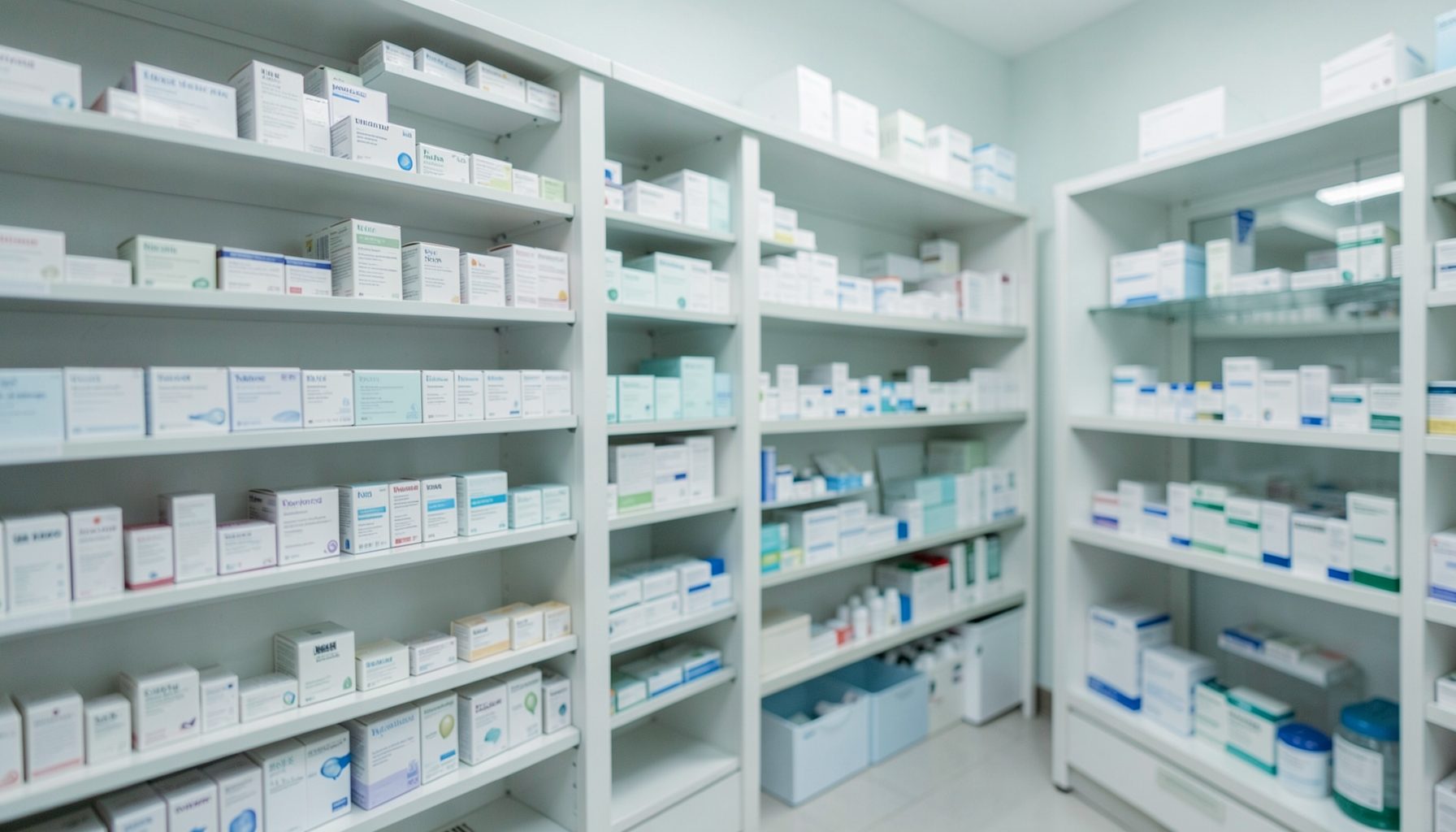
What Pharmacy Surveillance Covers
Pharmacy surveillance is one channel within the syndromic surveillance approach described on this site, alongside outpatient, inpatient, ambulance, nursery school, school absenteeism, elderly facility, and laboratory testing data. It draws on dispensing records for anti-influenza drugs collected from participating pharmacies to build an early picture of infectious disease activity.
This channel does not diagnose individual cases; instead it aggregates dispensing patterns across regions to flag shifts that may indicate emerging influenza activity ahead of confirmed case reporting.
Pharmacy surveillance relies on the timeliness of dispensing records to detect changes in community disease activity before clinical visits become widespread. When individuals seek anti-influenza medication, that transaction often occurs earlier in the illness course than a doctor's visit or hospital admission. By aggregating these dispensing patterns across participating pharmacies, public health analysts can identify unusual upticks in respiratory illness, potentially signaling the onset of a seasonal wave or an emerging outbreak. The channel functions as an early-warning layer within the broader syndromic surveillance network, complementing data streams from outpatient clinics, emergency departments, and school absenteeism reporting.
One of the key strengths of pharmacy-based surveillance is its relatively low reporting burden. Pharmacies already record dispensing information as part of routine operations, meaning the data can be captured without requiring dedicated clinical staff or additional patient encounters. The information reflects real-world consumer behavior, capturing individuals who may self-medicate or seek over-the-counter alternatives before engaging with the formal healthcare system. This makes pharmacy data particularly valuable for detecting mild or moderate illness activity that might otherwise go unnoticed in clinical surveillance channels. When combined with other syndromic indicators, pharmacy dispensing trends help build a more complete and nuanced picture of infectious disease burden across the community.
Interpreting pharmacy surveillance data requires careful consideration of seasonal patterns, regional prescribing practices, and variations in pharmacy participation rates. Analysts adjust for these factors to distinguish genuine signals of disease activity from routine fluctuations in dispensing behavior. The pharmacy channel also supports a range of public health actions, from informing public messaging about prevention measures to guiding resource allocation for antiviral supplies. As part of the integrated syndromic surveillance framework described throughout this site, pharmacy data contributes to a multi-source approach that strengthens the overall capacity to detect, monitor, and respond to infectious disease threats in a timely manner.
 Syndromic Surveillance