





Using school attendance signals to spot foodborne illness clusters
When several students stay home after lunch, the pattern may be more informative than any single absence. A sudden rise in gastrointestinal symptoms, unexplained sick days, or early departures across nearby schools can provide an initial signal that a foodborne illness cluster is developing. This approach does not diagnose the cause, but it can help public-health teams investigate before laboratory results are available.
School attendance data are especially valuable because schools bring many people together at predictable times. A shared meal, catered event, tuckshop item, or contaminated ingredient can expose students within the same narrow window. When absence information is combined with ambulance call-outs, pharmacy purchases, clinical consultations, and laboratory testing, syndromic surveillance can support a faster and more targeted response.
Why lunch-related absence patterns matter
Foodborne illness often produces a recognisable sequence. Students may feel well at the start of the school day, eat a meal or snack, and then develop vomiting, diarrhoea, abdominal pain, or nausea later that day or overnight. The next morning, attendance can fall sharply. A single class may be affected first, followed by other classes, a nearby school, or families connected through the same event.
The signal may appear in several forms. A school office could record an unusual number of parents reporting gastroenteritis, while teachers notice repeated requests to leave class. Absences may be coded as illness, even when the specific symptoms are not recorded. Early departures, visits to the sick bay, and increased requests for drinking water can add useful context, particularly when formal attendance data are delayed.
Timing is crucial. A rise in absence on the day immediately after a shared meal may point towards a rapidly acting toxin, whereas a gradual increase over several days could fit an infectious organism with a longer incubation period. These patterns are clues rather than proof. Weather, examinations, transport disruptions, respiratory viruses, and family circumstances can also change attendance.
Building a practical school-based signal
A useful monitoring system begins with a reliable baseline. Each school should understand its usual absence rate by weekday, term, year group, and season. Australian schools may have different reporting practices across state and territory systems, so a threshold that works in a large Sydney secondary school may be unsuitable for a small regional campus. Public-health analysts can use historical data to identify deviations from normal rather than relying on one universal percentage.
The most useful data fields are simple: date, school, year group, total enrolled students, number absent, number sent home, and broad symptom category where available. Gastrointestinal symptoms should be separated from respiratory illness, injury, anxiety-related absence, and unexplained non-attendance. Schools should avoid collecting unnecessary personal details. Aggregated counts are often sufficient for early warning, with identifiable information shared only when authorised investigators need it.
Lunch information can make the signal more specific. A school can record whether affected students used the canteen, ate food prepared on site, brought lunch from home, attended an excursion, or joined a catered function. Menu and supplier records can then be matched against the timing of symptoms. In Melbourne or Brisbane, where large schools may serve hundreds of meals through a canteen or contracted food provider, this connection can quickly narrow an investigation.
The system should also account for Australian school customs. Some students bring food from home, others buy from a tuckshop, and many schools run fundraising barbecues, sausage sizzles, or food stalls. These events create different exposure patterns from a standard cafeteria meal. A spike limited to students who attended one function has a different investigative meaning from widespread illness across the entire school population.
Connecting schools with wider surveillance
School reports become much more powerful when they are compared with other health signals. A cluster of absence alongside extra anti-nausea medicine purchases, oral rehydration sales, or consultations for vomiting and diarrhoea provides stronger evidence than attendance data alone. Daily pharmacy monitoring can add a near-real-time community perspective through resources such as pharmacy surveillance data, particularly when families seek advice before visiting a doctor.
Pharmacy data also require careful interpretation. Parents may buy products for several family members, and over-the-counter medicines can be used for unrelated stomach symptoms. Changes in opening hours, promotions, stock shortages, or a local gastroenteritis wave can affect purchasing behaviour. Analysts should therefore look for consistent changes across several pharmacies and compare them with school, emergency department, and general-practice information.
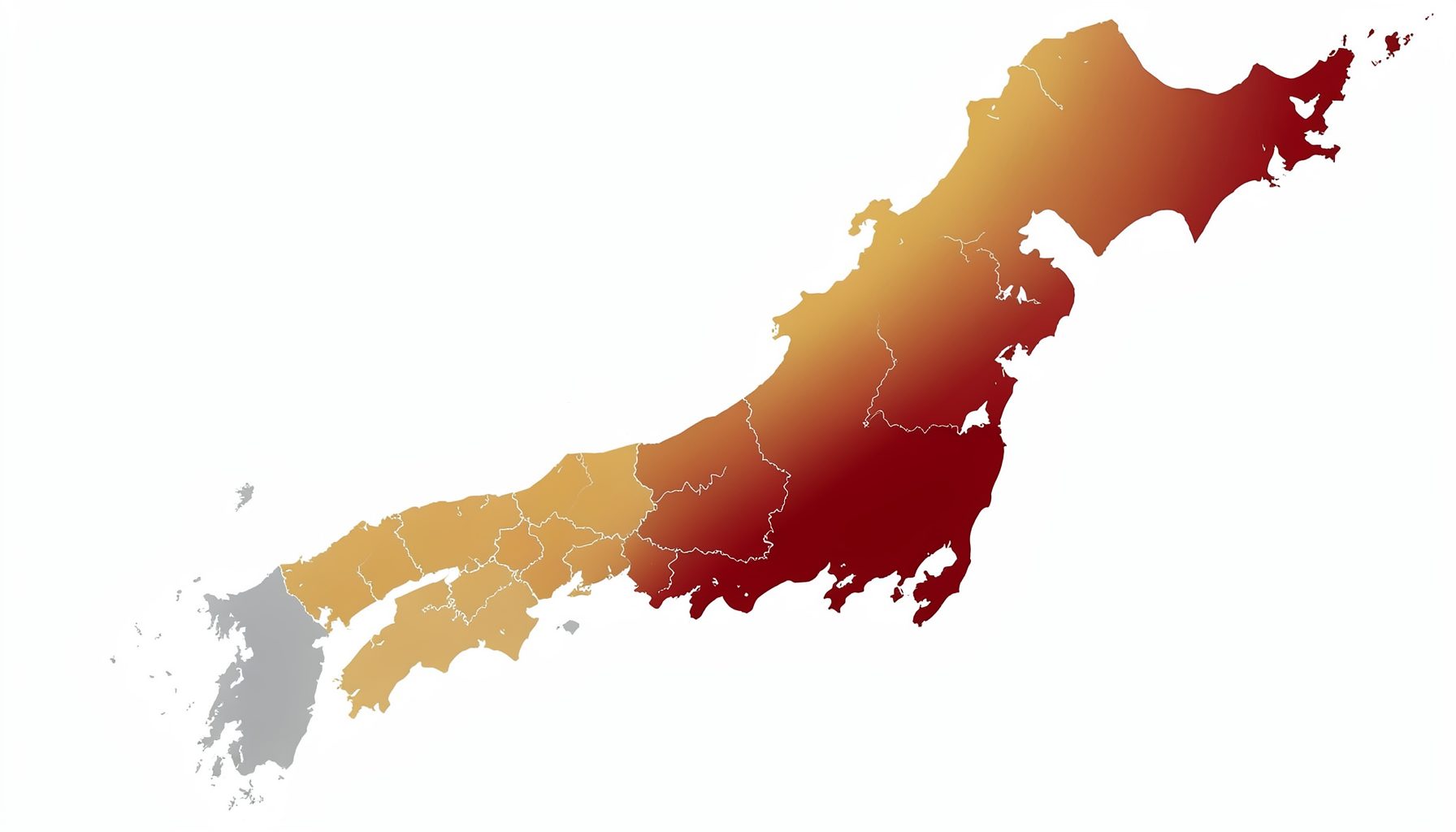
A multi-channel model resembles the approach used in Japan, where information from clinics, hospitals, ambulances, pharmacies, schools, elderly-care facilities, and laboratories can be examined together. Australia can apply the same principle through state and territory health departments, local councils, school networks, pathology services, and food-safety agencies. Pharmacy reports can help public-health teams examine whether a school signal is part of a broader community trend.
Geography adds another layer. Affected students may live in different suburbs but share a school, sports club, bus route, shopping centre, or food supplier. Mapping absences by school and postcode can reveal links without publishing individual addresses. In regional and remote Australia, distances between communities are greater, so a small cluster may deserve attention even when the absolute number of cases is low.
Separating a real cluster from normal variation
Not every absence peak indicates contaminated food. Gastroenteritis commonly circulates through schools, and students may miss school because a sibling is unwell or a parent prefers to keep them home after mild symptoms. A heatwave, poor air quality, local flooding, or a major sporting event can also change attendance. Analysts should examine whether the rise is above the expected baseline and whether the timing fits a common exposure.
Several features increase suspicion. These include an unusual concentration of vomiting or diarrhoea, a sharp increase within one or two days, illness among people who attended the same meal, and a similar pattern in staff or family members. The probability becomes stronger when clinical consultations, pharmacy purchases, and emergency presentations rise at the same time. A cluster limited to one year group may suggest a classroom event, while illness across multiple year groups may point to shared food preparation or a common facility.
False alarms are easier to manage when thresholds trigger investigation rather than public announcements. A school health coordinator might contact the local public-health unit after an agreed number of gastrointestinal absences, repeated sick-bay presentations, or an unusual concentration of students sent home. Investigators can then verify symptoms, establish onset times, review menus, inspect food-handling records, and arrange specimen collection when appropriate.
Privacy must remain central. Parents and students should know what information is collected, why it is used, and who receives it. A dashboard should display counts and trends rather than names. Small schools require additional caution because even anonymous figures can identify a child. Data retention periods, access controls, and secure transfer arrangements should be agreed before an outbreak occurs.
Turning an early signal into a response
Once a cluster is suspected, speed and coordination matter. The school should preserve menu records, supplier invoices, temperature logs, cleaning schedules, and staff rosters. Food should not be discarded if authorities may need samples, although unsafe food must be isolated according to local instructions. Staff should document when symptoms began and whether affected people ate the same items.
Communication should be clear and proportionate. Families need practical advice about hydration, staying home while unwell, hand hygiene, and when to seek medical care. Messages should avoid declaring a food source responsible before evidence supports that claim. In Australia, state and territory health departments may provide specific guidance for suspected outbreaks, while local councils can have responsibilities connected with food businesses and environmental health.
The response should include groups outside the school gate. A childcare centre, aged-care facility, hospital, or workplace in the same area may show similar symptoms. This is one reason syndromic surveillance benefits from linked channels. An example from another setting is the use of cross-sector surveillance lessons, where local clinical information becomes more useful when interpreted with environmental and geographic evidence.
Major events also demonstrate why enhanced monitoring can be valuable for a limited period. School camps, interstate sports competitions, music festivals, and international events bring together people from different regions and food systems. Temporary daily reporting can identify a cluster earlier than routine notifications, especially when participants disperse before illness is recognised.
Making the method sustainable
A school attendance signal works best when it fits existing routines. Automatic extraction from attendance software can reduce manual work, while a short symptom form can help distinguish gastrointestinal illness from other causes of absence. Staff should receive brief training on consistent coding, escalation pathways, and privacy. Public-health units can provide a standard template that schools adapt to their state or territory requirements.
Evaluation should continue after each alert. Teams can measure how long it took to detect the rise, verify the signal, contact the school, collect specimens, and communicate with families. They can also assess whether the system produced too many false alerts or missed cases because students were absent without a reported reason. Reviewing these measures strengthens the baseline and improves future thresholds.
School data should complement, not replace, laboratory confirmation and clinical assessment. Attendance patterns can reveal that something unusual is happening, but they cannot identify a pathogen, prove a particular meal caused illness, or determine whether contamination occurred during production, transport, preparation, or storage. Their value lies in shortening the time between the first unusual pattern and the first informed public-health action.
For Australian communities, this is a practical way to connect everyday school administration with modern epidemiological monitoring. A modest change in attendance in a remote town, a cluster after a Brisbane school function, or rising gastrointestinal reports across several Sydney schools may become meaningful when viewed alongside pharmacy, ambulance, clinical, and laboratory data.
Schools, health departments, local councils, food businesses, and community pharmacies should establish their reporting pathways before the next suspected outbreak. Consistent attendance data, rapid escalation, respectful communication, and cross-sector analysis can turn an ordinary lunch-related absence pattern into an early warning that protects students, families, and the wider community.