





Pharmacy sunscreen sales as an early warning for UV harm
Using pharmacy sales of sunscreen to monitor UV exposure risk and related skin cancer awareness extends syndromic surveillance into everyday behaviour. Pharmacy records can reveal changes in community demand before a clinic report, laboratory result or cancer diagnosis appears. The measure is an indirect behavioural signal rather than proof that people have been sunburned, but it can show whether residents are preparing for high ultraviolet conditions or responding to public education.
That signal matters in Australia, where exposure to UV radiation varies sharply across latitudes, seasons and daily weather. Melbourne can have very high UV Index levels on cool or partly cloudy days, Brisbane and Perth experience intense spring and summer conditions, and Sydney’s beaches, pools and outdoor events create concentrated periods of demand. A national system must recognise these local patterns while accounting for the mixed sunscreen market sold by chemist chains, independent pharmacies, supermarkets and online retailers.
A useful programme would treat purchase data as one component of a broader early-warning network. Teams can compare it with Bureau of Meteorology UV forecasts, heat and weather observations, sunburn-related presentations, school absenteeism and community campaign activity. The aim is to support faster, better-targeted skin protection and melanoma prevention, while avoiding claims that a sales increase directly measures ultraviolet exposure or predicts cancer soon afterward.
Reading the signal behind sunscreen demand
A sunscreen purchase is not an exposure event. It may be a first-time stock-up, a replacement, a gift or part of a habitual routine. Stockpiling before a heatwave can lift sales even when subsequent exposure is modest. Strong ultraviolet conditions can also change what shoppers buy, including water-resistant formulas, higher-SPF products and larger family packs. Analysts should therefore read the product mix alongside total units and distinguish personal-care purchases from promotional or institutional bulk orders.
Data quality begins at the till. Revenue alone can rise after a price increase, while a promotion can move purchases forward without changing long-term behaviour. More stable indicators include units sold per store, transactions containing sunscreen, package size, formulation, broad-spectrum claims and repeat purchasing at an aggregate level. Each should be adjusted for opening hours, store count, local population, school holidays, public holidays and unusually hot periods. Short spikes deserve context; sustained departures from a seasonal baseline are harder to explain away.
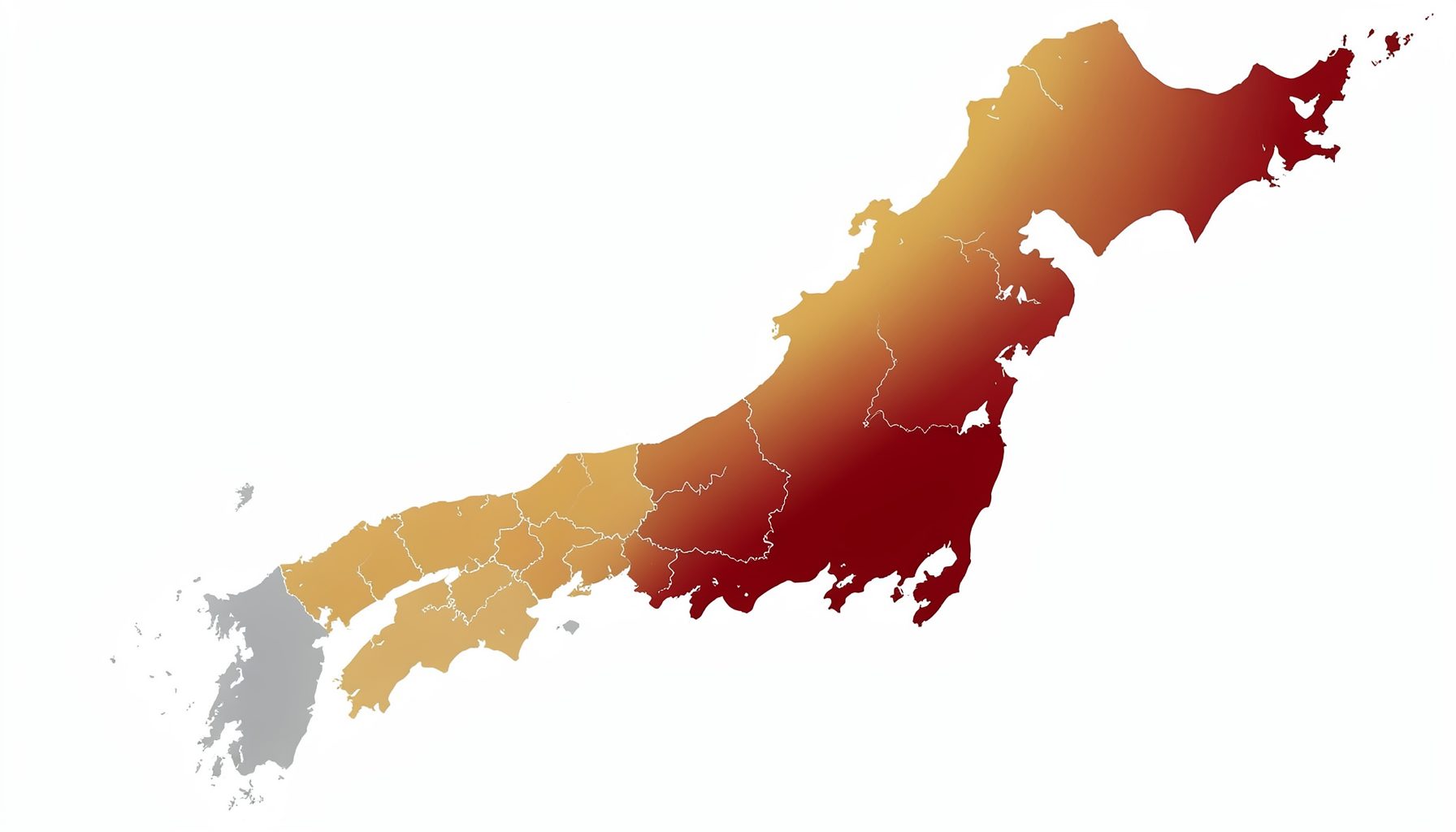
Experience from Japan's pharmacy network shows how pharmacy reporting can sit beside clinics, hospitals, ambulances, schools, elderly care and laboratory testing. Large international events add another reason for temporary monitoring, since visitor numbers and organised campaigns may alter local demand. For sunscreen, that event-linked signal could be reviewed alongside UV forecasts and event schedules, helping teams separate genuine community preparation from a one-off population surge.
Why Australian conditions need local baselines
Australia gives such monitoring a strong operational context. The Bureau of Meteorology’s UV Index forecasts support daily action, and UV can remain high when cloud cover or temperature makes the weather feel mild. Southern-hemisphere timing places the main risk from spring into early autumn, although year-round planning is useful in northern Australia. State and territory health teams should retain their own seasonal baselines because a tropical market, an inland community and a coastal city will not move in parallel.
The retail picture is equally important. Chemist chains such as Chemist Warehouse and Priceline sit alongside independent community pharmacies, discount pharmacies, supermarkets and direct-to-consumer websites. A participating chain may represent many stores, yet it sees only part of household spending. Bulk institutional sales, imported products, cosmetic sunscreens sold as makeup, and differences between 50-millilitre tubes and family packs can distort comparisons. Coverage maps should describe these gaps instead of presenting chain data as a complete national market.
Teams can consult the site’s pharmacy reporting examples when designing collection, frequency and validation checks. A practical Australian pilot might enrol a balanced group of metropolitan and regional stores, record whether all sunscreen categories are included, and compare results with local heat and UV data. Melbourne, Sydney, Brisbane and Perth provide different demand patterns, while regional pharmacies reveal travel, tourism and supply effects that large city datasets can conceal.
Turning market signals into timely prevention
Analysis should begin with a clearly defined purpose: awareness, preparation or exposure pressure. Descriptive dashboards can show units, transactions and product categories by broad region and week. Statistical methods can then flag departures from the same weeks in previous years or from a rolling baseline. Forecasts should be lagged to reflect the time between a high-UV warning, shopping and use. A sensible trigger combines a sustained sales change with supportive ultraviolet or weather conditions rather than labelling every increase an outbreak signal.
When a credible change appears, the response can be rapid but proportionate. Public-health staff can verify stock availability, promotions and distribution anomalies, then notify partner pharmacies, local media, schools, workplaces and event organisers. If high UV is already forecast, messages can reinforce early-season sunscreen use, shade, protective clothing, hats and limiting midday exposure. The same trigger can be tuned differently for a coastal tourism period, a school holiday or an outdoor event, avoiding blanket alerts that residents may ignore.
Skin cancer awareness should be measured carefully. Campaign searches, website visits, calls to information lines and requests for sunscreen advice may rise alongside purchases, while melanoma and non-melanoma diagnoses are long-term outcomes. Evaluation can pair campaign timing with sales, while also checking reach across age groups, languages, occupations and neighbourhoods. A higher purchase rate after a campaign is encouraging as an immediate indicator, but it does not show whether products were used correctly or whether long-term cancer risk fell.
Privacy, bias and limits
Pharmacy sales are valuable because they are timely and widely understood, yet they remain vulnerable to substitution and coverage bias. People may shop at supermarkets, share a household tub, use previously bought stock or receive sunscreen through workplaces and community programmes. Sunny-day behaviour, influencer advertising, new formulations and retailer campaigns can change demand independently of ultraviolet radiation. Forecasts also show ambient risk, not the amount of UV reaching each person. Any interpretation should describe these as population-level signals and retain a margin of uncertainty.
Responsible implementation is essential. Transaction records should be aggregated by store or broad area, with small cells suppressed and access limited to authorised teams. Individual purchase histories should not be linked to names, addresses or clinical records without a specific lawful purpose and strong governance. The site’s responsible data guidance can support clear rules for collection, storage, sharing and retention. Community partners should be told what is collected, why it is needed, how long it is kept and what decisions it cannot support.
Equity checks should examine whether surveillance and prevention reach people most exposed to UV, including outdoor workers, students, tourists and residents with limited access to shade or affordable sunscreen. A citywide increase can conceal stagnant or declining purchases in a smaller community, while low sales may reflect price or availability rather than informed choice. Communication should avoid blaming individuals for structural or commercial barriers. Pairing data with local knowledge allows teams to adjust outreach without turning anonymised market behaviour into a judgement about any group.
A practical surveillance checklist
A surveillance checklist turns an interesting proxy into a repeatable process. Before summer, participating organisations can agree on definitions, responsibilities, privacy safeguards and the conditions that will prompt a review. The baseline should cover at least one representative year and account for seasonal patterns already observed.
Implementation should remain simple enough for small pharmacies to sustain. Reports can use standard categories, a fixed transmission schedule and clear fields for stockouts or promotions. Where resources are limited, a small representative store group can deliver more reliable intelligence than an incomplete statewide feed.
- Set a baseline by broad region, week, store type and sunscreen category, using units rather than revenue wherever possible.
- Pair every sales alert with UV Index forecasts, observed heat and rainfall, public holidays, school breaks and major events.
- Check stock levels, price changes, promotions, packaging and supplier disruptions before interpreting a change in demand.
- Require sustained or repeated departures across multiple reporting periods, while allowing immediate review of unusually large, credible signals.
- Protect privacy through aggregation, minimum reporting thresholds, restricted access, defined retention and plain community notices about data use.
- Evaluate action through campaign reach, sunburn-related care, product-use knowledge and longer-term skin-cancer indicators rather than expecting an immediate change in diagnoses.
During high-UV periods, check the Bureau of Meteorology UV Index, apply broad-spectrum SPF 30+ sunscreen to exposed skin, reapply as directed, seek shade and combine sunscreen with hats, protective clothing and sensible time outdoors. Pharmacies can reinforce consistent use by displaying forecasts and trusted guidance without treating a purchase as a one-off substitute for protection.
For coordinated action, public-health teams should connect participating chemists, forecast data and community partners now, schedule the first aggregate review before the high-UV season, and activate one agreed prevention message when the combined signal is credible.