





Using pharmacy data to spot rotavirus outbreaks in daycares
Using pharmacy sales of oral rehydration salts to detect early rotavirus outbreaks in daycares can give public-health teams a useful signal before laboratory results are available. A sudden rise in purchases of oral rehydration solution may indicate that families are managing vomiting and diarrhoea at home, including illnesses affecting children who attend the same childcare service.
The signal is indirect. Oral rehydration salts are bought for many causes of fluid loss, including viral gastroenteritis, food poisoning, heat exposure and travel-related illness. Sales data therefore cannot confirm rotavirus on their own. Their value comes from combining them with school or childcare absenteeism, calls to health services, ambulance data, emergency presentations, pharmacy advice and laboratory testing.
For Australia, this approach is particularly relevant because gastroenteritis can move quickly through long-day-care centres, family day care networks and preschool groups. A timely indication from community pharmacies in Sydney, Melbourne, Brisbane, Perth or regional towns could help health authorities advise services about hygiene, exclusion periods and testing while formal notifications are still being assembled.
Why oral rehydration sales can act as an early signal
Rotavirus commonly causes acute vomiting, watery diarrhoea, fever and dehydration in young children. Infants and toddlers may deteriorate quickly because they have smaller fluid reserves, while parents often seek advice from a pharmacist before arranging a general-practice appointment. An increase in purchases of oral rehydration products can therefore reflect a cluster of childhood gastrointestinal illness in the community.
Pharmacy surveillance is valuable because it captures behaviour outside the clinical system. Families may treat a mild case at home and never attend a doctor, emergency department or hospital. A syndromic surveillance platform can monitor aggregated sales by day, product category and broad location, then compare current activity with an expected baseline for that pharmacy catchment.
In Australia, products such as Hydralyte and other oral rehydration formulations are familiar items in community pharmacies and some supermarket settings. The data must distinguish oral rehydration products from sports drinks, electrolyte beverages and infant formulas, which may be purchased for different reasons. Units sold, sachets dispensed and liquid volumes should be interpreted alongside product type and pack size.
A single busy pharmacy may produce a misleading result. A local promotion, a temporary shortage elsewhere, a nearby sporting event or a hot weekend can change purchasing patterns without any infectious outbreak. Reliable monitoring looks for sustained, geographically connected changes rather than reacting to one unusual sales figure.
Connecting pharmacy trends with daycare activity
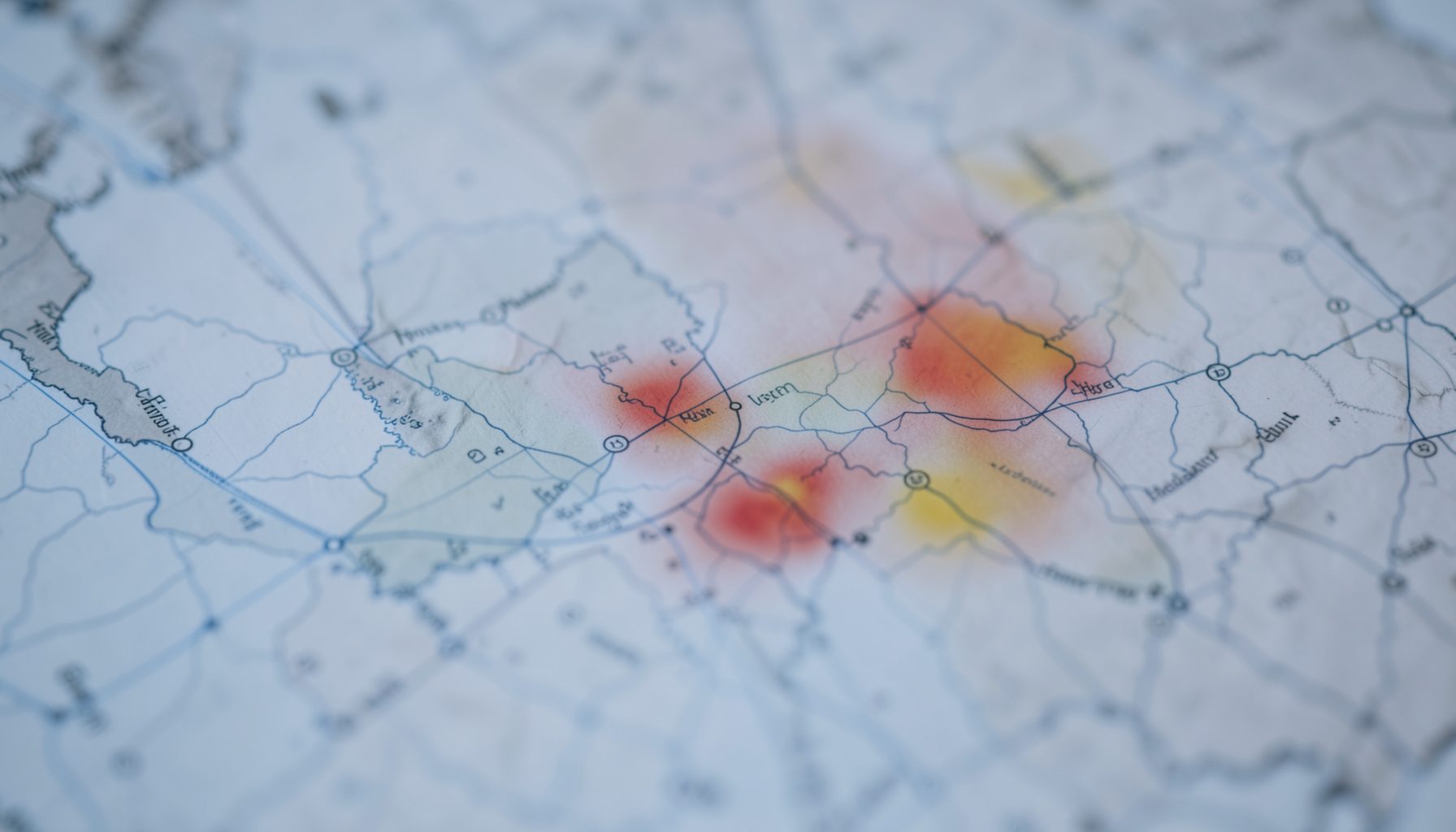
Daycare-linked transmission often produces a distinctive pattern. Several children from one centre may become unwell within a short period, followed by illness among siblings and caregivers. If pharmacies near the centre record increased oral rehydration purchases while the service reports more absent children, the combined signal deserves prompt review.
Childcare services in Australia operate under the Education and Care Services National Law and related state and territory arrangements. Their reporting and exclusion procedures can vary by jurisdiction, so a surveillance workflow needs clear agreements about who receives an alert. A pharmacy trend should support, rather than replace, communication with the centre, local public-health unit and families.
Geographical analysis should use sufficiently broad areas to protect privacy. It may be appropriate to examine a suburb cluster, local government area or pharmacy network rather than identify a particular household or child. Time aggregation is equally important: daily or weekly counts can reveal a change in incidence without exposing individual purchasing histories.
The most informative model may join several streams. Pharmacy sales can be compared with gastroenteritis-related consultations, ambulance call-outs, emergency department syndromic codes, childcare absenteeism and positive stool specimens. Where available, pharmacy advice codes or de-identified symptom categories can add context, provided collection is consistent and lawful.
A useful alert might require two conditions: sales above a seasonal threshold and a related rise in child gastrointestinal symptoms or absences. This reduces false alarms caused by consumer behaviour alone. Public-health staff can then contact participating services, recommend infection-control measures and consider targeted specimen collection.
Designing a practical surveillance model
The first step is to establish a baseline. Analysts should examine several years of historical sales, allowing for school holidays, public holidays, seasonal gastroenteritis, changes in vaccination coverage and local population growth. Rotavirus activity may differ between tropical Queensland, temperate Victoria and colder southern regions, so a single national threshold may be less useful than locally calibrated benchmarks.
The model should account for pharmacy opening hours, stock availability and changes in the number of participating outlets. A sudden fall in sales may indicate that a product is unavailable rather than that illness has declined. Conversely, a new pharmacy, a marketing campaign or a change in packaging can create an artificial rise.
Statistical alerts can be based on deviations from the expected weekly level, moving averages or control charts. More advanced systems can incorporate weather, school terms, public holidays and known outbreaks of other gastrointestinal pathogens. The aim is speed and interpretability: public-health officers need to understand why an alert occurred before deciding whether to act.
Data governance must be built into the design. Aggregated and de-identified information is preferable, with strict limits on access, retention and secondary use. Australian organisations also need to consider the Privacy Act 1988, state and territory health privacy laws, contractual arrangements with pharmacy groups and any requirements applying to health information held by public agencies.
The monitoring system should record its limitations. Sales may over-represent families who can reach a pharmacy, while some households use home remedies or obtain advice through telehealth. Aboriginal and Torres Strait Islander communities, remote regions and families facing financial barriers may be missed unless data collection is paired with culturally safe local engagement and other surveillance sources.
Turning an alert into an outbreak response
An alert is a prompt for verification, not a diagnosis. The first review should check whether the increase is concentrated in child-relevant products, whether several pharmacies show the same pattern and whether there are reports of vomiting or diarrhoea in nearby childcare services. Analysts should also look for alternative explanations such as a heatwave, bushfire displacement, a public event or media coverage about dehydration.
If the signal persists, local health authorities can contact the affected service through established channels. They may review attendance records, ask about symptom onset and staff illness, reinforce handwashing and environmental cleaning, and remind families about exclusion requirements. Children with diarrhoea or vomiting should remain away from childcare until they meet the relevant health guidance for their jurisdiction.
Rotavirus vaccination changes the epidemiological picture. Australia includes rotavirus vaccine in the National Immunisation Program for infants, which has reduced severe disease and hospitalisation. Vaccinated children can still experience gastrointestinal symptoms, and other viruses such as norovirus can produce a similar pharmacy pattern. Sales data should therefore support targeted testing rather than assume that every cluster is rotavirus.
Testing becomes more valuable when the alert is geographically coherent or associated with severe illness. Stool specimens can help distinguish rotavirus from norovirus, adenovirus, bacterial infection and other causes. Laboratory confirmation can then refine public advice, assess the extent of transmission and improve the baseline for future seasons.
The response should also be proportionate. A small increase in oral rehydration purchases may justify enhanced monitoring, while a large rise combined with multiple daycare absences and hospital presentations may require an organised outbreak investigation. Clear escalation thresholds prevent both complacency and unnecessary disruption to families.
Building pharmacy surveillance into a wider system
Pharmacy sales work best as one channel in a multi-source early-warning system. Clinics and hospitals show people seeking care, pharmacies show treatment-seeking behaviour in the community, childcare services show the effect on attendance, and laboratories provide confirmation. Ambulance services and after-hours advice lines may reveal severe dehydration or changing demand before routine reports are complete.
This cross-channel logic is already useful for other paediatric syndromes. Information about child respiratory surveillance illustrates how early indicators can be interpreted alongside clinical and laboratory information rather than treated as isolated proof of infection. The same principle applies to gastrointestinal illness: each source covers a different part of the population and carries different biases.
During major events, enhanced monitoring may be needed. Large gatherings, sporting tournaments, school holiday travel and international events can increase movement between communities and change pharmacy purchasing patterns. A temporary monitoring period around airports, tourist centres or host cities should include an explicit plan for separating visitor demand from illness among local children.
Communication with pharmacists is essential. Participating pharmacies need simple definitions, reliable data-transfer procedures and feedback about how their information contributes to public health. They should not be expected to identify rotavirus from a sale or disclose a customer’s identity. Their role is to provide a timely, aggregated view of demand for oral rehydration products and related advice.
Health departments can also publish clear interpretations for childcare operators and families. An alert should lead to practical messages about hydration, when to seek medical care, hand hygiene, cleaning high-touch surfaces and vaccination. It should avoid implying that every purchaser is infected or that a particular pharmacy or daycare caused an outbreak.
For organisations developing this capability, a specialist surveillance contact point can help clarify data sources, system design and responsible interpretation. Strong governance, transparent methods and regular evaluation will determine whether pharmacy information becomes a dependable part of Australia’s outbreak preparedness.
Use aggregated oral rehydration sales as an early clue, connect the pattern with daycare absenteeism and clinical indicators, and confirm suspected clusters through public-health investigation and laboratory testing. When these channels operate together, Australian health services can identify childhood gastroenteritis sooner, target advice more accurately and support families before a local outbreak grows.