





Tracking Anaphylaxis Through Epinephrine Auto-Injector Pharmacy Sales
Australia has one of the highest rates of childhood food allergy globally, with Melbourne and Sydney frequently cited in research. Anaphylaxis, the severe allergic reaction triggered by peanuts, shellfish, bee venom or latex, demands immediate intramuscular adrenaline. Auto-injectors such as EpiPen, Emerade and Jext sit in school bags, handbags and first-aid kits across the country, and every prescription leaves a faint signal in community pharmacy records.
Syndromic surveillance traditionally leans on symptomatic data such as GP visits or ambulance dispatches. Watching auto-injector dispensing adds a different lens. A sudden lift in sales within a postcode, or a regional jump coinciding with a festival weekend, can hint at more reactions before formal notifications catch up.
Australian pharmacists dispense thousands of adrenaline auto-injectors each year. Under the Therapeutic Goods Administration framework, devices are recorded through dispensary software, and aggregated counts can be shared with public-health teams under specific data-sharing arrangements. Because two devices are usually prescribed per patient and replaced every 12 to 18 months, baseline turnover is steady enough to make sudden bumps meaningful.
Combining pharmacy sales with school absenteeism, ambulance call-outs and sentinel GP reporting creates a multi-layered picture. Each channel has its own lag, but together they narrow the window between a suspected cluster and a confirmed outbreak, allowing allergy educators, schools and product safety regulators to respond faster.
Why Auto-Injector Sales Reflect Allergy Burden
Adrenaline auto-injector dispensing is a useful proxy for severe allergy prevalence because the device is only carried by people formally diagnosed by a specialist. ASCIA guidelines recommend that anyone prescribed an auto-injector carry two devices at all times, which doubles the dispensing signal and keeps the baseline volume predictable.
Regional variation matters. Coastal New South Wales and inner Melbourne post consistently higher dispensing rates than remote parts of the Northern Territory, partly reflecting allergist access and demographic profiles. When sales rise in an area where the baseline is flat, the change is easier to interpret than in a high-volume urban setting.
Seasonal swings also occur. Spring brings more bee-venom reactions as outdoor events increase, and the start of the school year often produces a small uptick in replacement devices. Distinguishing routine waves from genuine anomalies is one of the skills an analyst brings to the daily pharmacy feed.
Collecting Pharmacy Sales Data Across Australia
Large banner groups such as Chemist Warehouse, Priceline and TerryWhite Chemmart, alongside independent pharmacies, feed sales data through dispensary systems. With consent, aggregated transaction counts are stripped of identifying details before reaching a surveillance dashboard, mirroring how cold and flu remedy sales have been monitored for years.
A consistent coding system matters. Auto-injectors are recorded under Australian Medicines Terminology codes aligned with the PBS and the TGA's product registers. Analysts compare week-on-week counts by brand, dose and region, flagging any postcode where sales move more than two standard deviations from the seasonal norm.
Lag time is short. Unlike laboratory confirmation of food allergen contamination, which can take days, pharmacy transactions appear in near real time. Daily refreshes let public-health teams spot a spike on a Tuesday and act before the weekend, when families may travel, dine out or attend events.
Interpreting Sudden Upticks as Early Warning Signals
A localised lift in dispensing is not automatically a crisis. It could mean a new allergist opened locally and diagnosed a backlog of patients, or a community awareness campaign prompted re-prescriptions. Analysts combine sales data with contextual information before issuing any alert.
Genuine warning patterns look different. When an unfamiliar food product is launched nationally, a coincident lift in dispensing across several states suggests reactions in the field. In 2018, a precautionary recall of sandwich products in Brisbane and Perth was supported by parallel signals from pharmacy counters and ambulance dispatch.
Timing matters. Sales spikes around Anaphylaxis Awareness Week in May, or during major food festivals in Sydney and Adelaide, often reflect proactive replacement rather than reactions. Removing these calendar effects is part of the modelling, leaving a cleaner view of unexpected surges.
Linking Sales to Schools, Events and Travel Hotspots
Australian schools manage allergy risk through individual action plans and staff training. When a cluster of students experiences reactions after a shared lunch, the school nurse often contacts families to check device use. Reports feed into state education datasets, and the school nurse reports approach shows how similar channels catch other community illness clusters. Pharmacy dispensing can validate an anaphylaxis cluster independently.
Travel patterns amplify certain exposures. The Great Ocean Road, tropical North Queensland and the Margaret River wine region attract tourists who may try unfamiliar foods such as macadamia products, tropical fruits or local seafood. Pharmacies in these visitor hubs sometimes record transient increases during peak holiday periods.
Major gatherings also generate interest. During Sydney New Year's Eve celebrations and the Melbourne Cup carnival, on-site medical posts stock spare auto-injectors. Surveillance teams compare festival-week pharmacy sales with normal baseline to gauge whether the event itself drove any change in community-level reactions.
Comparing Australian Signals With International Surveillance
Other countries have trialled similar methods. The United Kingdom, Japan and parts of Europe have piloted auto-injector sales tracking, often tied to product safety reviews. Australia's federated health system adds complexity, since each state and territory sets its own data-sharing rules.
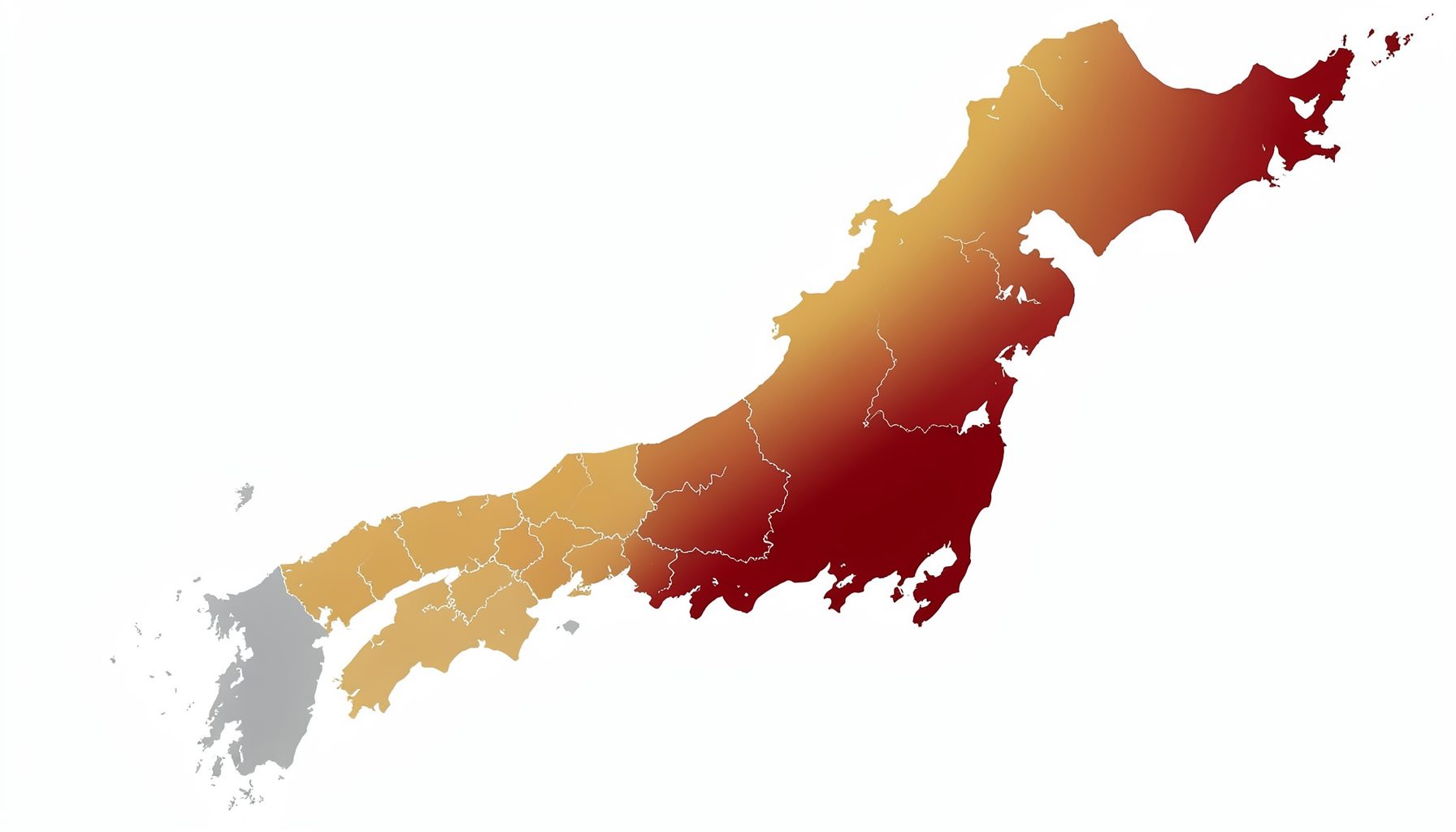
The underlying signal behaves similarly. Japanese multi-channel surveillance, which the pharmacy daily resource describes in depth, has shown that pharmacy sales of adrenaline products rise during school lunch changes and seasonal pollen peaks, much like patterns observed in Australian capital cities.
Cross-country learning helps refine local thresholds. Analysts can borrow methods for handling small population denominators in rural South Australia or Western Australia from overseas regions with comparable geography. Sharing algorithms, rather than raw patient data, is the usual pathway for international collaboration.
Privacy, Ethics and Data Handling
Aggregated pharmacy data does not identify individuals, but the ethical frame still matters. Australian privacy principles under the Office of the Australian Information Commissioner require that any secondary use of health-adjacent data be de-identified, purpose-limited and subject to governance review.
Pharmacies contributing to surveillance dashboards usually operate under data-sharing agreements that specify retention periods, access controls and destruction protocols. Independent oversight by state health departments and, in some cases, human research ethics committees ensures that public interest in rapid outbreak detection does not override individual privacy.
Transparent communication helps trust. When Allergy & Anaphylaxis Australia or ASCIA explain to members that dispensing counts are used for safety monitoring, support is generally strong. Open acknowledgement of what the data can and cannot reveal keeps the system credible.
Practical Value for Families, Schools and Health Services
Families benefit indirectly. A confirmed cluster of reactions linked to a specific food product often triggers a voluntary recall before the product reaches more households. Faster turnaround on recalls means fewer children end up in emergency departments across Brisbane, Hobart or Darwin.
Schools use the wider surveillance picture to update training. If pharmacy signals point to rising bee-venom reactions in a particular council area, outdoor excursion planning can be adjusted, and additional staff can be briefed on device use. The data becomes part of routine risk assessment.
Health services gain an extra input for resource planning. Knowing that Perth's metropolitan area shows a sustained rise in auto-injector dispensing helps hospitals anticipate emergency department demand during spring. It also informs where additional allergy specialist clinics might be needed.
Pharmacy sales of adrenaline auto-injectors offer a fast, low-cost addition to Australia's surveillance toolkit. They work best when paired with school nurse reports, ambulance dispatch logs and sentinel GP networks, turning isolated data points into a coherent early-warning picture. For ongoing updates on auto-injector trends and other over-the-counter signals used in syndromic surveillance across the region, follow the daily pharmacy resource offered by this site, and combine that feed with school absenteeism reporting to refine local alerts. Health agencies, schools and families all benefit when signals travel faster than rumours. Staying engaged with the available surveillance resources keeps communities a step ahead of the next anaphylaxis cluster.