





Using pharmacy antifungal sales to spot school tinea outbreaks
Tinea is a common fungal skin infection that can spread through close contact, shared equipment and damp communal spaces. In schools, clusters may appear among students who use changing rooms, play contact sports or share mats and protective gear. Laboratory confirmation is rarely available for every suspected case, so public-health teams need practical indicators that can reveal unusual activity early.
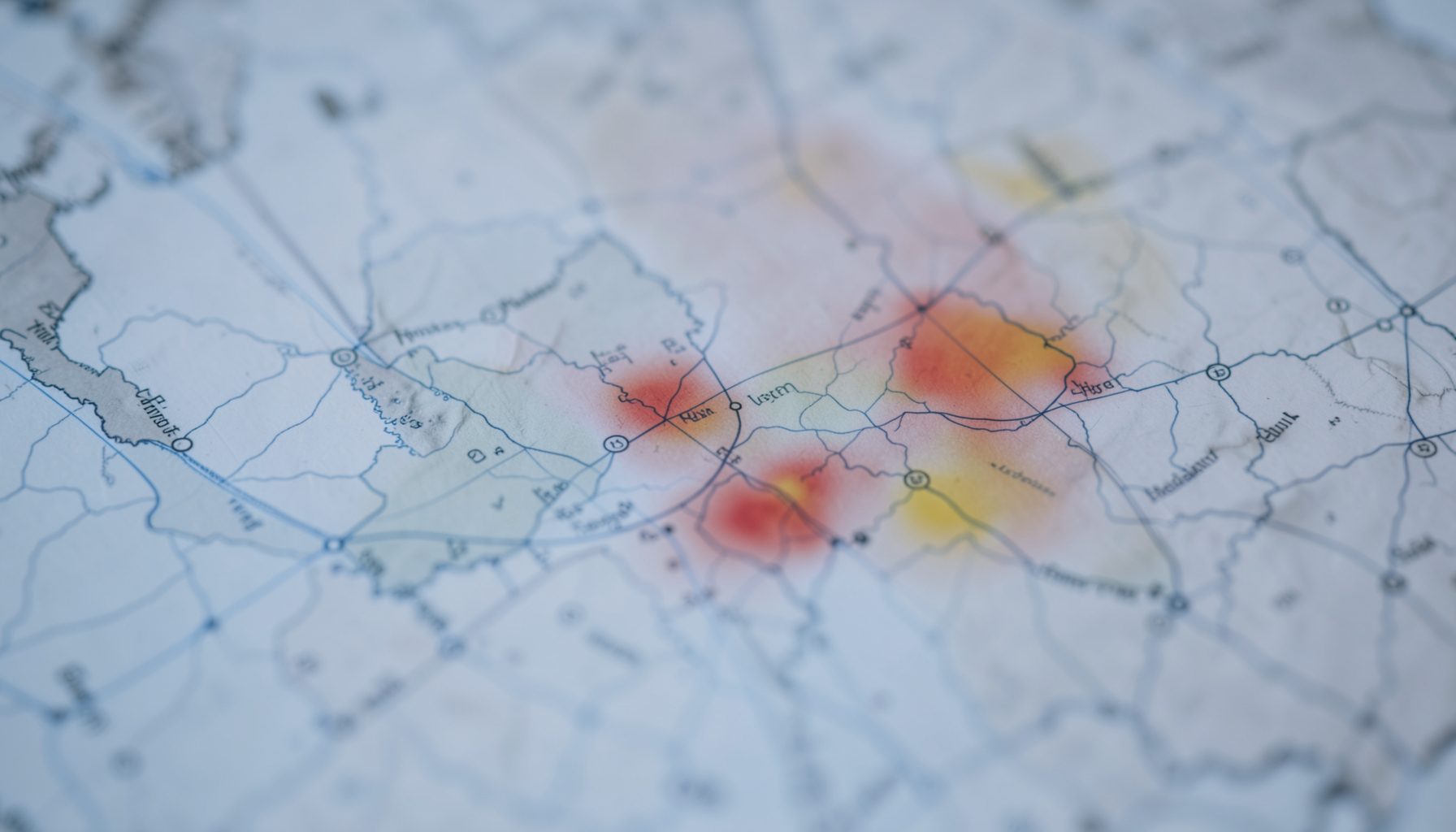
Pharmacy sales of antifungal creams may provide one such indicator. A sudden increase in purchases of products containing terbinafine, clotrimazole or miconazole could suggest that more families are treating itchy, ring-shaped rashes at home. Sales figures cannot diagnose tinea, yet they may help identify a pattern that deserves clinical assessment and targeted hygiene advice.
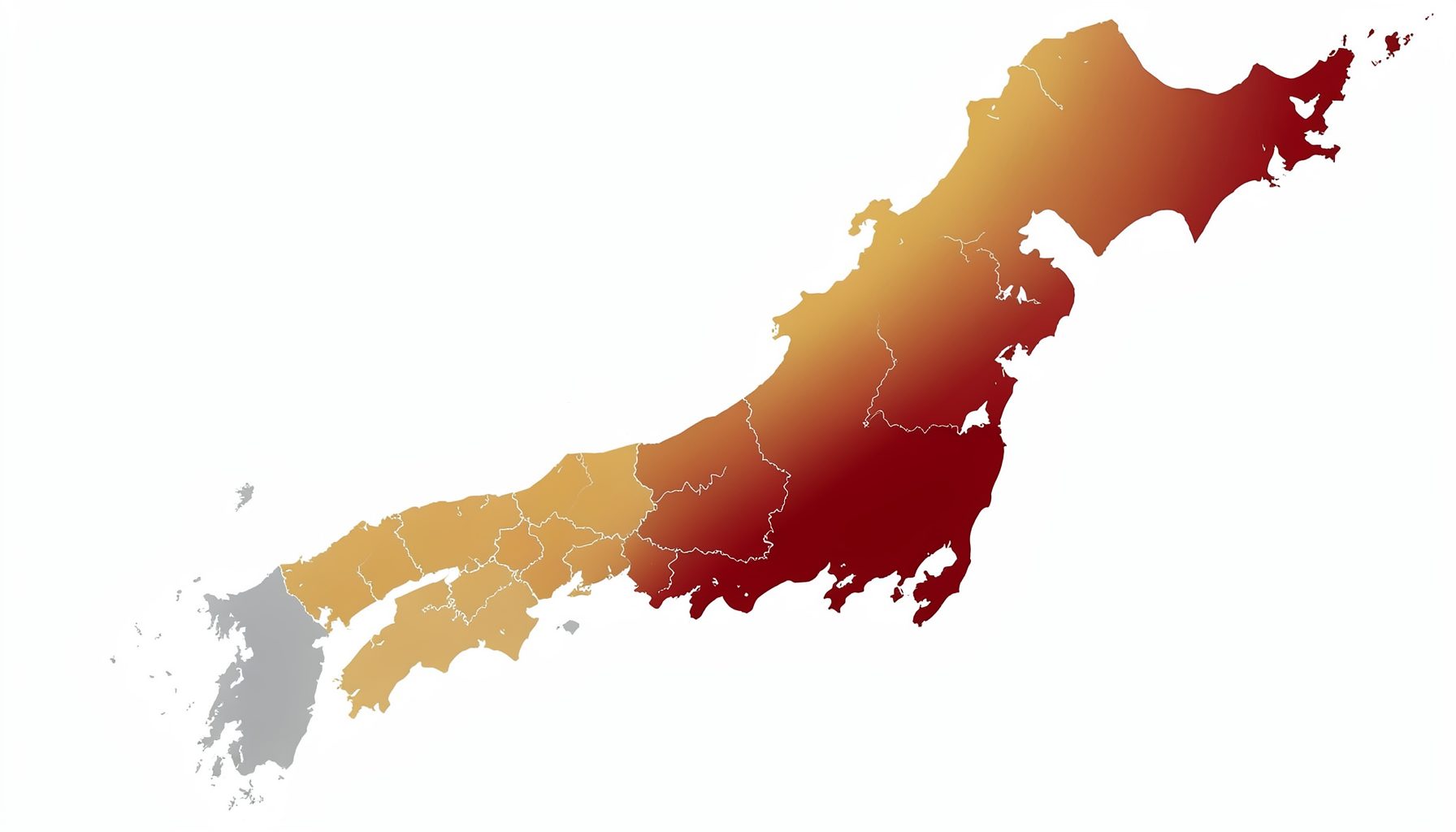
This approach fits within syndromic surveillance, which tracks health-related signals before formal case reporting is complete. In Japan, early-warning systems draw on information from clinics, hospitals, ambulance services, pharmacies, schools, elderly-care facilities and laboratories. Pharmacy data can add a community-level view, especially when people do not visit a doctor or when a school has not recognised a cluster.
For Australian health authorities, the method could complement school absenteeism reports, general-practice notifications and local pathology results. A signal in a pharmacy near a primary school in Melbourne, Brisbane or Perth would need careful interpretation, but it might shorten the time between the first infections and a coordinated response.
Why pharmacy purchases can act as an early signal
Families often visit a pharmacy before seeking medical care for a minor skin complaint. Pharmacists may recommend an over-the-counter antifungal cream when the symptoms resemble tinea, particularly if a child has a scaly patch, a circular rash or itching on the feet. The purchase therefore captures health-seeking behaviour that may be invisible in laboratory datasets.
A rise in sales can be measured by product category, active ingredient, pack size or dispensing location. Analysts could compare current weekly sales with the expected level for the same pharmacy, suburb and season. A sustained increase above the normal range would be more informative than a single busy day, since one promotional display, a local sporting tournament or a temporary stock shortage can distort the figures.
The signal is strongest when it aligns with other observations. Several nearby schools reporting more absences for skin complaints, a cluster of GP consultations and increased pharmacy purchases would provide a more credible warning than retail data alone. This combined approach reduces the risk of treating ordinary consumer behaviour as evidence of an outbreak.
Designing a useful surveillance indicator
A surveillance programme needs a clear case proxy. It might track the number of antifungal cream units sold per 1,000 residents, the percentage change from a three-year baseline or the number of pharmacies showing an unusual increase. A school-linked indicator could compare sales within a defined catchment area with sales in similar suburbs that have no reported cluster.
Geography matters because pharmacy sales do not map neatly onto school enrolment. Parents may buy treatment near work, order products online or use a pharmacy outside their suburb. Data should therefore be aggregated at a sufficiently broad level, such as a local government area or health district, while still allowing analysts to compare areas around schools and sporting facilities.
Timing also needs attention. Tinea transmission may occur before a cream is purchased, while treatment sales can remain elevated after the original spread has stopped. Weekly reporting may offer a sensible balance between speed and stability. During a suspected cluster, daily monitoring could identify a sharp change, followed by weekly review to determine whether the pattern persists.
The baseline should account for school terms, holidays, weather and retail behaviour. In Australia, sales around the start of the winter term may differ from those during the January summer break. Wet conditions in parts of Queensland or New South Wales can increase damp-footwear problems, while an unusually cold season may alter indoor crowding and healthcare-seeking patterns.
Interpreting the Australian pharmacy market
Australian pharmacies sell many products for rashes, athlete’s foot and other fungal conditions. A category based only on “antifungal” may include treatments for adults, pets, nail infections and conditions unrelated to schools. A more focused indicator should distinguish topical human preparations, paediatric-use products where possible and pack sizes commonly purchased for short courses.
The Pharmaceutical Benefits Scheme can help analysts understand prescribed treatment patterns, but many topical antifungals are bought over the counter and will not appear in PBS records. Retail point-of-sale data may therefore be valuable, although access will depend on agreements with pharmacy groups, wholesalers or data providers. Independent community pharmacies and large chains may have different customer profiles, so the dataset should describe its coverage clearly.
Local customs can influence the numbers. Families may ask a pharmacist for advice before booking a bulk-billed GP appointment, while some communities may rely on school nurses or Aboriginal Community Controlled Health Services. Sporting clubs, swimming centres and dance schools can also generate demand outside the school setting. A rise in sales near a school may reflect a football carnival or shared change-room exposure rather than classroom transmission.
Privacy protection is essential. Public-health teams should use aggregated counts and avoid reporting results from a single pharmacy when the numbers are small. The goal is to detect population-level change, not identify a child, family or particular retailer. Data-sharing agreements should specify retention periods, permitted uses, security controls and the threshold at which results can be published.
Linking pharmacy data with school and clinical reports
Pharmacy signals become more useful when compared with school absenteeism. A school may record that several students are away with skin infections, although it may not know whether those infections are tinea or another rash. A confidential, standardised reporting category could capture suspected dermatological illness without asking teachers to make a diagnosis.
Clinical confirmation provides a second layer. General practitioners, nurse practitioners and dermatologists can report suspected clusters, while pathology laboratories can identify dermatophytes when testing is clinically indicated. Not every case requires laboratory testing, so the absence of positive results does not rule out community transmission. Still, a small sample of confirmed cases can help validate the retail signal.
Other syndromic streams may clarify the circumstances. Increased pharmacy purchases alongside school nurse reports suggest a different pattern from increased purchases alongside emergency presentations for severe skin infections. Ambulance activity is unlikely to be a primary indicator for ordinary tinea, but understanding how multiple early-warning measures fit together is valuable; the discussion of ambulance response times illustrates how operational data can support outbreak assessment.
A practical alert could require two conditions: pharmacy sales exceed the expected threshold for two consecutive reporting periods, and at least one independent source shows a related increase. A local public-health unit could then contact the school, check for additional cases and offer advice without announcing an unconfirmed outbreak.
Separating a real cluster from background noise
Antifungal cream sales are an imperfect proxy because the products treat several conditions. Eczema, contact dermatitis, candidiasis and non-fungal rashes may lead to similar purchases. Some customers may buy cream for prevention, repeat treatment or a household member who is not linked to the school under review.
Marketing and supply changes can create false signals. A catalogue discount, a pharmacist recommendation campaign or a shortage of one brand can shift consumers towards another product. Analysts should monitor unit sales and active ingredients together, check stock availability and flag periods affected by promotions. Online orders may need separate treatment because their delivery locations do not always reflect the buyer’s residence.
Seasonality and population movement also matter. School holidays, major events, interstate travel and university term dates can change local pharmacy demand. A city such as Sydney may show a different pattern from a regional town where one pharmacy serves several schools. During large events, enhanced monitoring could combine pharmacy, clinic, ambulance and absenteeism data to distinguish a local school cluster from wider community activity.
Validation should be planned before an alert is issued. Teams can review a sample of pharmacy-linked cases through de-identified GP or school records, measure the time between the retail rise and confirmed reports, and calculate false-alert rates. A surveillance indicator that produces frequent warnings without supporting evidence may consume staff time and reduce trust.
Turning an alert into a proportionate response
A pharmacy signal should trigger verification, not automatic school closure. Public-health staff can ask whether the school has seen a rise in itchy rashes, whether students share helmets or sports equipment, and whether changing rooms, mats and towels are being cleaned appropriately. They can also remind families that suspected tinea should be assessed by a pharmacist or clinician and that treatment instructions should be followed.
Advice should be practical and culturally appropriate. Schools can reinforce hand hygiene, discourage sharing hats, brushes, towels and sporting gear, and arrange cleaning of high-contact equipment. Students with suspected scalp ringworm may require prompt medical review because topical cream alone is often inadequate. Education should avoid blaming families or singling out children, since stigma can delay reporting.
Operational teams can use local maps and time series to prioritise outreach. If sales rise around several schools in one district, health staff may contact school nurses and community clinics. If the rise is limited to one retailer and coincides with a discount, no public alert may be needed. The response should match the strength of the evidence and the potential harm of delay.
Evaluation should be documented after each event. Public-health organisations can record when the signal appeared, which data sources confirmed or contradicted it, what action followed and whether sales returned to baseline. A library of comparable examples, such as the resources collected in these surveillance case studies, can help teams refine thresholds and communicate the value of multi-source monitoring.
Pharmacy antifungal sales will never replace clinical diagnosis, school reporting or laboratory testing. Their value lies in speed and coverage: they may reveal that households are responding to a problem before the formal health system can count it. Used with privacy safeguards, local context and independent confirmation, the signal can support earlier advice and a more focused response to suspected tinea transmission.
Australian public-health units, school networks and pharmacy data partners can begin with a small pilot in one metropolitan area and one regional setting. Establish a seasonal baseline, agree on product categories, test privacy protections and compare sales with absenteeism and clinical reports. A carefully evaluated pilot can show whether this low-cost community signal is useful for faster, more proportionate action in schools.