





Why Nurse Hotline Calls Matter for Outbreak Detection
When people develop fever, breathing problems, vomiting, or other acute symptoms, many seek advice before visiting a clinic. A nurse hotline can capture those concerns at the moment they emerge, creating a valuable stream of public-health information. Each call reflects an individual experience, but a changing pattern across thousands of calls may signal that illness is spreading through a community.
This makes telephone triage a useful syndromic indicator. It does not identify a pathogen or replace laboratory testing. Instead, it shows how many people are experiencing symptoms, how severe those symptoms appear to be, and where demand for health advice is increasing. The signal can become visible while patients are still deciding whether to seek in-person care.
For surveillance teams, that early view can support faster risk assessment. A sudden rise in calls about fever and cough may precede an increase in outpatient visits. Repeated reports of diarrhea in one area may prompt checks of foodborne illness, water exposure, schools, or care facilities. The value lies in speed, scale, and context.
Why Telephone Triage Creates An Early Signal
Nurse hotline data can detect changes in community health behavior as well as changes in symptoms. People often call during evenings, weekends, holidays, or periods when clinics are difficult to access. This gives a hotline access to situations that routine medical records may capture only later, after a consultation has taken place.
The timing is especially important during the early stages of an outbreak. Laboratory confirmation can require specimen collection, transport, testing, and reporting. A hotline may show a rise in symptom-related concerns within hours or days of the first unusual cluster. Epidemiologists can then compare the call pattern with emergency visits, pharmacy purchases, school absences, and ambulance dispatches.
The signal is strongest when analysts examine trends rather than isolated calls. A single report of rash or severe headache rarely indicates a public-health event. A sustained increase in similar complaints, concentrated in a locality or age group, deserves closer review. Baseline data help distinguish an unusual event from normal seasonal variation.
What A Call Can Reveal
A nurse-assisted call contains several layers of information. The chief complaint may identify a symptom category, while the caller’s age, location, onset date, and reported severity add epidemiological detail. Advice outcomes can also be informative: some callers may be directed to emergency care, others to a same-day clinic, and many to home monitoring.
Call volume provides a broad measure of demand, but the content of calls often carries greater analytical value. A rise in fever calls may be expected during winter, whereas a sharp increase in neurological symptoms or unexplained gastrointestinal illness may be less typical. Analysts can use coded complaints and free-text notes, where available, to identify emerging clusters.
Hotline data also reveal healthcare-seeking behavior. A public information campaign, media report, change in clinic hours, or concern about a newly reported disease can increase calls without any corresponding increase in illness. For this reason, interpretation should combine symptom data with operational information, such as staffing levels, telephone access, call waiting times, and changes in public messaging.
Privacy protection is essential. Surveillance systems generally use aggregated, de-identified records rather than personal narratives. Geographic reporting should be detailed enough to identify meaningful patterns but broad enough to prevent individuals from being recognized. Clear governance helps preserve public trust and keeps the data focused on population health.
Connecting Calls With A Multi-Channel System
Nurse hotline calls become more informative when they are analyzed alongside other streams. Clinic and hospital consultations indicate people who have entered formal care. Ambulance records can show severe or rapidly worsening illness. Pharmacy surveillance may reveal increased demand for fever reducers, cough medicines, or gastrointestinal treatments, while school absenteeism can expose transmission among children before diagnoses are confirmed.
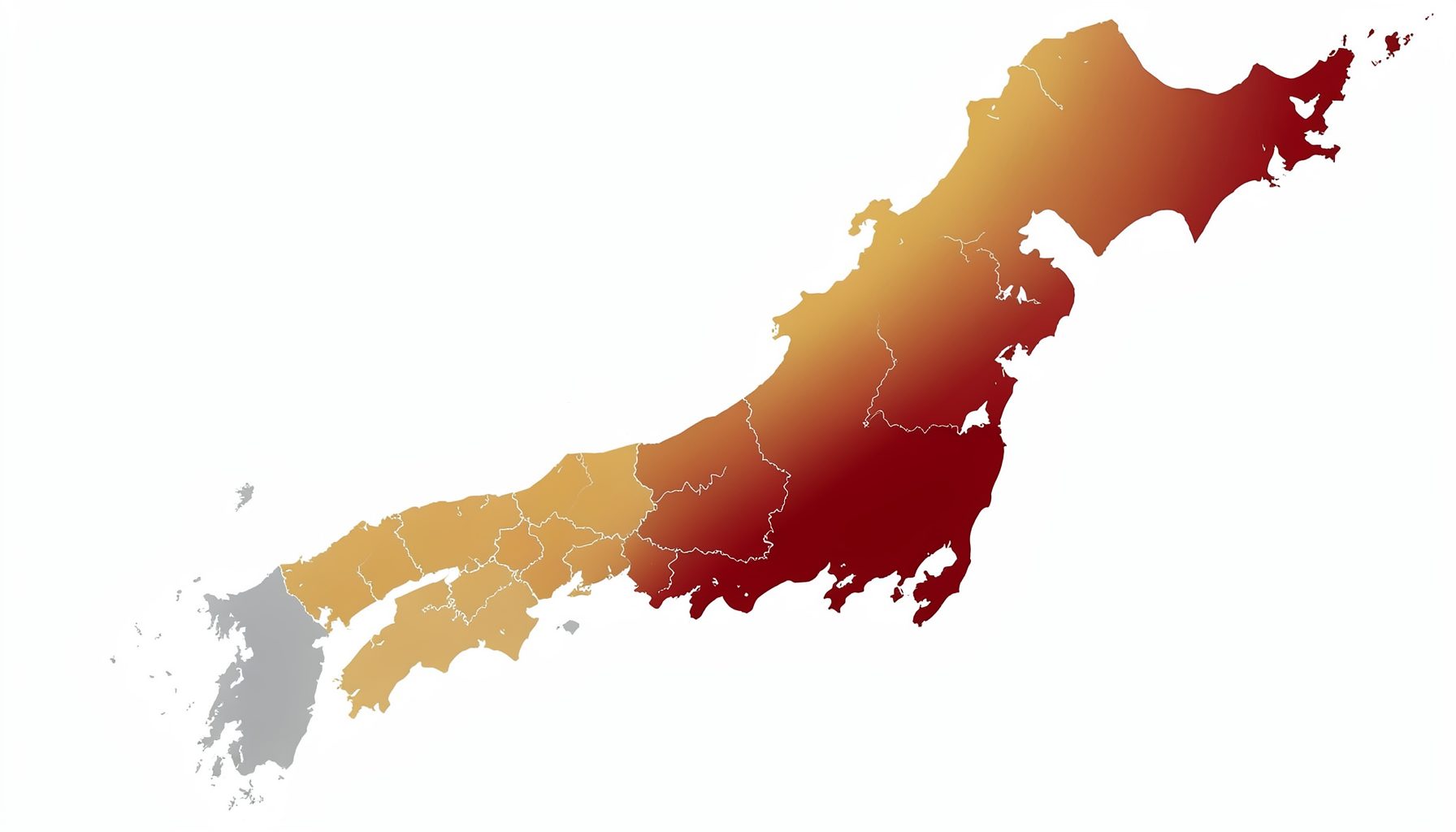
Japan’s approach illustrates why integration matters. Its surveillance environment brings together reports from healthcare providers, emergency transport, pharmacies, schools, elderly-care settings, and laboratory services. The Japan’s surveillance model shows how separate observations can contribute to an earlier warning picture when they are interpreted together.
No single channel has complete coverage. Hotline calls may include people who never visit a doctor, while pharmacy data can include purchases made for someone else. School absenteeism is sensitive to attendance policies and parental decisions. Laboratory testing is more specific but can be delayed or unevenly available. Cross-checking channels helps public-health teams identify which signals are consistent and which may reflect reporting artifacts.
During major international events, enhanced monitoring can make this combined system even more valuable. Temporary increases in visitors, crowded venues, and altered healthcare-seeking patterns create conditions in which unusual symptoms may spread or become harder to interpret. Hotline data can provide rapid situational awareness when paired with event health services, local clinics, and emergency departments.
Comparing Signals Across Health Channels
The usefulness of nurse hotline calls depends on the question being asked. If the goal is to identify mild symptoms in the community, calls may be highly sensitive. If the goal is to confirm a specific infection, laboratory testing remains more specific. Public-health officials therefore need to understand the strengths, limitations, and timing of each source.
| Signal source | What it captures | Main advantage | Important limitation |
|---|---|---|---|
| Nurse hotline calls | Symptoms, concerns, advice requests, and triage outcomes | Early and broad view of community illness | Affected by awareness, access, and call behavior |
| Clinic consultations | Patients seeking medical assessment | Clinical context and examination findings | May lag behind symptom onset |
| Hospital and emergency visits | More serious illness and complications | Useful for severity monitoring | Less sensitive to mild cases |
| Ambulance dispatches | Acute events requiring urgent transport | Rapid indication of severe disease | Represents a small, selected population |
| Pharmacy activity | Purchases or prescriptions for symptom relief | Can show community demand and treatment patterns | Product use is not equivalent to diagnosis |
| School absenteeism | Missed attendance among children and staff | Helps identify transmission in educational settings | Influenced by school policy and noninfectious causes |
| Laboratory results | Confirmed pathogens or biomarkers | High specificity for tested conditions | Testing capacity and reporting create delays |
The greatest benefit comes from temporal comparison. If hotline calls rise first, followed by pharmacy activity and then clinic visits, the sequence may support an emerging outbreak hypothesis. If only calls increase while all other indicators remain stable, analysts should investigate media influence, a service disruption, or a change in triage guidance.
Geographic alignment is equally important. A cluster of calls from several neighboring districts carries more weight when pharmacies, schools, or hospitals in those districts show related changes. Conversely, a national rise in calls during a widely publicized health scare may require a different explanation than a localized increase with no corresponding media event.
Turning Hotline Records Into Action
Raw call counts are rarely sufficient for operational decisions. Surveillance teams should establish expected baselines by day of week, season, age group, and region. They can then monitor deviations using rates, moving averages, alert thresholds, and statistical methods designed for time-series data. Separate thresholds may be needed for respiratory, gastrointestinal, neurological, and rash-related complaints.
Coding quality affects the reliability of the signal. Nurses need consistent categories for symptoms, duration, severity, exposure history, and recommended disposition. Training and decision-support tools can reduce variation between operators. At the same time, overly rigid scripts may hide unusual symptoms, so systems should allow free-text escalation and expert review.
Alerts should trigger a defined response rather than simply create another dashboard notification. A preliminary signal might lead to validation of the data, consultation with local health centers, and comparison with laboratory or facility reports. A stronger, geographically coherent signal could prompt targeted communication, additional testing, infection-control advice, or preparation of clinical capacity.
Data timeliness must be balanced with completeness. Near-real-time feeds are useful for detecting rapid changes, but delayed records may be more accurate after duplicate calls, coding errors, and incomplete information have been resolved. Maintaining both provisional and finalized datasets allows decision-makers to act early while preserving analytical quality.
Building Trust Around Sensitive Data
People are more likely to use a health hotline when they believe calls are confidential, accessible, and handled by competent professionals. The service should explain how information may contribute to public-health monitoring without making callers feel that their personal concerns are being treated as surveillance material. Trust is a practical requirement for data quality.
Equitable access also shapes the signal. Language barriers, disability, cost, telephone availability, and differences in digital access can influence who calls. Services that provide interpretation, accessible formats, and clear routing for urgent symptoms are more likely to capture a representative range of community experiences. Analysts should recognize underrepresented groups rather than assume that low call volume means low illness.
Public-health agencies can strengthen the value of the data by publishing understandable summaries. When communities see that aggregated signals lead to timely advice or targeted support, they gain a clearer reason to participate. The broader syndromic surveillance resource provides context for how early-warning information can support outbreak preparedness without waiting for every case to receive laboratory confirmation.
Effective programs should prioritize the following practices:
- Establish symptom categories and escalation rules that nurses can apply consistently.
- Monitor call volume, symptom content, geography, and triage outcomes together.
- Compare hotline trends with clinics, pharmacies, schools, ambulances, and laboratories.
- Protect confidentiality through aggregation, access controls, and transparent governance.
- Review alerts with epidemiologists before launching broad public communication.
From Early Warning To Faster Response
Nurse hotline calls are most valuable as an early layer in a wider epidemiological monitoring system. They can reveal changes in symptoms and healthcare demand before formal diagnoses accumulate, particularly among people who remain at home or seek advice outside ordinary clinic hours. Their limitations are manageable when analysts account for behavior, access, seasonality, and media effects.
The practical goal is not to treat every increase as an outbreak. It is to shorten the interval between an emerging community signal and a proportionate public-health action. When hotline information is linked with other channels, teams can decide whether to investigate further, communicate precautions, expand testing, or prepare healthcare services.
Health authorities and surveillance partners should incorporate nurse hotline indicators into routine dashboards, establish clear interpretation protocols, and rehearse how alerts will move from detection to response. Building that capability now turns everyday calls for advice into a dependable source of early intelligence when the next infectious threat appears.