





Using Syndromic Data to Strengthen Outbreak Response Reviews
An after action review examines how an outbreak was detected, assessed, managed, and communicated. It asks whether public-health teams had the right information at the right time, whether warning signs were interpreted correctly, and whether decisions reduced harm. Syndromic data gives this process a valuable time-sensitive perspective because it records symptoms, care-seeking behavior, and service use before laboratory confirmation is available.
Traditional outbreak reviews often focus on confirmed cases, laboratory results, hospitalization, and mortality. Those measures remain essential, yet they can leave important parts of the timeline invisible. Syndromic surveillance can show when unusual respiratory complaints began rising, when emergency calls increased, or when pharmacies saw a sudden change in demand. These early signals help reviewers reconstruct what officials could reasonably have known during each stage of the response.
The strongest reviews use syndromic information as operational evidence rather than as a replacement for diagnostic data. The aim is to connect signals with decisions: when monitoring intensified, when hospitals were alerted, when schools or care facilities received guidance, and when public messaging changed. This approach turns routine surveillance records into lessons for faster detection and better coordination during future events.
Why Syndromic Evidence Matters During Reviews
Syndromic surveillance captures health-related information before a case is formally classified. Depending on the system, this may include emergency-department complaints, ambulance dispatches, fever consultations, respiratory symptoms, over-the-counter medicine purchases, school absenteeism, or calls to health advice lines. These indicators are especially useful when a pathogen is unfamiliar, testing capacity is limited, or laboratory reporting is delayed.
In an after action review, the timing of each signal matters as much as its size. A modest increase in respiratory complaints that appears several days before confirmed cases may show that an early warning was available but not connected to the right decision pathway. Conversely, a dramatic rise in consultations after an alert may reflect heightened public concern rather than increased transmission. Reviewers must therefore assess context, baseline behavior, and the effects of media coverage.
Syndromic data can also reveal pressure on the health system. Emergency visits may rise before intensive-care admissions, while ambulance requests can indicate that people are experiencing more severe illness or facing difficulty accessing routine care. A focused example is the use of ICU respiratory monitoring, which can help reviewers examine whether severe respiratory deterioration was recognized early enough to support clinical and public-health action.
Turning Review Objectives Into Data Questions
A useful review begins with specific questions instead of a general request to “analyze the data.” Reviewers might ask when the first abnormal signal appeared, how long it took to verify the signal, which organization received it, and what action followed. They can also examine whether thresholds were clear, whether staff knew who had authority to escalate a concern, and whether different data streams pointed in the same direction.
The review should distinguish between detection, interpretation, and response. Detection concerns whether a change was visible. Interpretation concerns whether epidemiologists and decision-makers understood its likely meaning. Response concerns whether they acted quickly and appropriately. A system may perform well at detecting a rise but poorly at communicating it, or it may issue an alert promptly without having enough clinical capacity to respond.
Data quality questions are equally important. Reviewers should document missing reports, changes in coding practice, reporting delays, duplicate records, and variations in participation across facilities. They should also record changes in health-seeking behavior. During a publicized outbreak, people may avoid clinics, visit several facilities, or use home tests and pharmacies instead. Such changes can distort apparent trends unless they are included in the interpretation.
A strong review links each question to a measurable indicator and a decision point. For example, “Was respiratory activity increasing?” can be paired with the date of the first sustained deviation from the expected baseline. “Did the alert reach hospitals?” can be paired with notification logs, bed-capacity reports, and evidence of staffing or infection-control changes.
Interpreting Signals Across Multiple Channels
No single syndromic indicator can describe an outbreak completely. Clinic consultations may detect mild illness, hospitals may capture severe disease, ambulance data may show urgent deterioration, and pharmacy records may reflect community symptoms before people seek formal care. School absenteeism can provide an early view of transmission among children, while elderly-care facilities may identify risks among people more likely to develop severe outcomes.
Reviewers should compare the lead time, population coverage, and bias of each source. A pharmacy signal may appear early but lack diagnostic specificity. Hospital data may be more clinically meaningful but arrive later and represent only severe cases. School reports can be timely but may be affected by holidays, examinations, weather, or changes in attendance policy.
| Data stream | What it can reveal | Common limitation | Review question |
|---|---|---|---|
| Clinics and hospitals | Symptom trends, severity, admissions, care demand | Coding differences and reporting delays | When did clinical activity exceed the expected range? |
| Ambulance services | Urgent illness, geographic concentration, system pressure | Influenced by access, dispatch rules, and public concern | Did emergency demand trigger timely support? |
| Pharmacies | Community demand for medicines and self-care products | Product substitutions and purchasing behavior | Did community activity rise before formal consultations? |
| Schools | Absenteeism and possible transmission among children | Holidays and attendance policies | Were school signals integrated into local alerts? |
| Elderly-care facilities | Vulnerable-population symptoms and clusters | Small populations and uneven reporting | Were severe-risk settings protected early? |
| Laboratories | Confirmation, pathogen identity, and trends | Turnaround time and testing availability | Did confirmation validate or revise the initial signal? |
A review should look for concordance rather than demand that every channel match. A rise in pharmacy purchases followed by increased clinic visits and later hospital admissions may form a coherent progression. If one channel moves in the opposite direction, that difference deserves investigation rather than automatic dismissal. It may reveal a reporting problem, a change in behavior, or a genuine difference in how the outbreak affected groups.
Syndromic data also supports retrospective signal detection. Analysts can apply the same thresholds, dashboards, or statistical algorithms that were available during the event and compare the resulting alert date with the date when action occurred. This helps separate information that was truly available at the time from explanations developed only after the outbreak was understood.
Japan’s Multi-Channel Surveillance Perspective
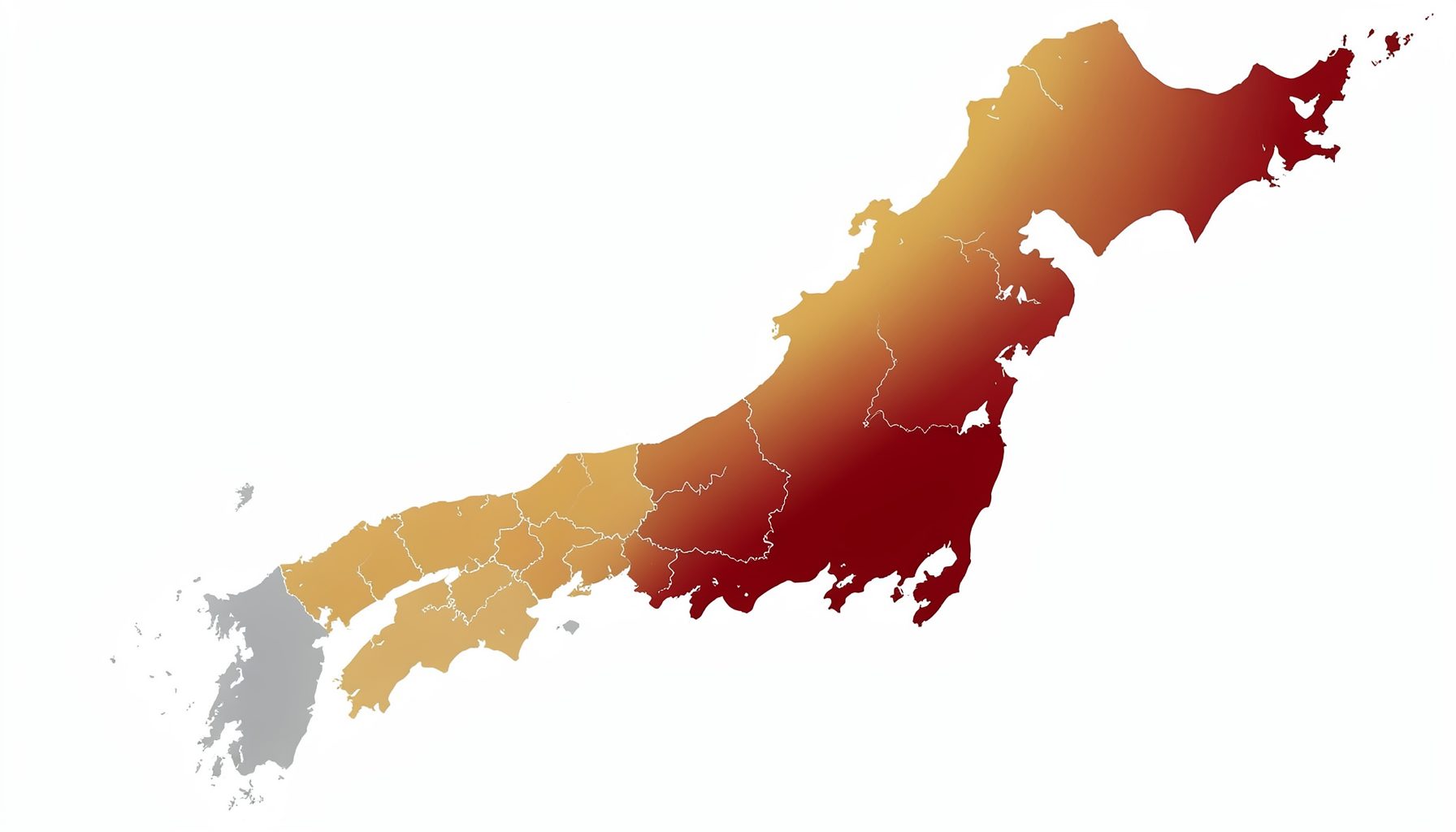
Japan’s approach illustrates why an after action review benefits from combining information across settings. Data from clinics, hospitals, ambulances, pharmacies, schools, elderly-care facilities, and laboratory testing can provide complementary views of an evolving health event. The value lies in integration: a local increase in school absenteeism may gain significance when accompanied by pharmacy demand, respiratory consultations, or ambulance activity in the same area.
Such integration supports review of both national coordination and local implementation. Analysts can assess whether signals were visible at municipal, prefectural, and national levels; whether definitions were consistent; and whether local authorities had access to data quickly enough to act. They can also examine whether facilities with different reporting systems contributed comparable information or whether technical barriers created blind spots.
Major international events offer another important review setting. Enhanced monitoring during periods of increased travel, crowding, and global attention can be assessed against the usual surveillance baseline. Reviewers may examine whether reporting frequency increased, whether unusual symptoms were investigated more rapidly, and whether public-health agencies had clear criteria for moving from routine monitoring to incident response.
The review should include the people who operate each channel. A statistical dashboard cannot explain why a school report was late, why a pharmacy changed its product coding, or why an ambulance service altered its dispatch categories. Interviews with data providers and frontline responders add operational detail and help distinguish system weaknesses from appropriate adaptations made under pressure.
From Early Signal to Public-Health Action
The central question is not simply whether syndromic surveillance detected an anomaly. It is whether the signal changed behavior in a useful and timely way. An alert may lead to targeted testing, infection-control advice, hospital preparedness, school communication, staffing adjustments, or public messaging. The after action review should document which actions were taken, by whom, and how quickly.
Reviewers can map the response as a timeline. Important points may include the first deviation from baseline, the first internal alert, expert review, laboratory confirmation, notification of healthcare providers, activation of an incident-management structure, and communication to the public. Comparing these dates reveals delays that may otherwise be hidden by a single outbreak curve.
False alarms and missed signals should receive equal attention. A false alarm may expose an overly sensitive threshold, yet it can still be valuable if the investigation was inexpensive and proportionate. A missed signal may result from a weak indicator, incomplete coverage, delayed reporting, or a decision rule that required confirmation before action. The lesson should be specific enough to guide system changes.
Special attention is needed when signals concern sensitive behaviors or stigmatized conditions. For example, analysis of opioid overdose clusters demonstrates how emergency and clinical data can support rapid recognition while requiring careful protection of privacy and respectful communication. An after action review should evaluate whether data were shared at an appropriate level of detail and whether affected communities were treated fairly.
Practical Recommendations For Review Teams
A review team can make syndromic evidence more useful by combining technical analysis with a reconstruction of decisions and working conditions. The following practices help preserve that connection:
- Establish a dated timeline that separates signal emergence, alert generation, interpretation, and intervention.
- Compare at least two complementary data streams before judging whether an anomaly represented real transmission.
- Record reporting delays, missing facilities, coding changes, holidays, media effects, and shifts in care-seeking behavior.
- Test whether the same alert thresholds would have produced an actionable warning using only information available at the time.
- Assign every identified gap to an owner, a measurable corrective action, and a target date for follow-up.
The team should also preserve the original dashboards, alert messages, data extracts, and analytic scripts used during the response. Retaining these materials prevents hindsight from reshaping the record and allows agencies to test whether proposed improvements actually reduce detection or coordination delays. Where privacy rules permit, de-identified datasets can support independent validation and training exercises.
Recommendations should be prioritized according to public-health value and feasibility. A change to a case definition may be implemented quickly, while integrating pharmacy and ambulance data may require agreements, funding, and technical development. Both can matter, but the review should make the sequence clear. It should also define how success will be measured, such as shorter reporting delays, higher facility participation, earlier alerts, or faster completion of risk assessments.
A well-designed after action review leaves behind more than a narrative of what happened. It creates a tested understanding of how symptoms, service use, laboratory findings, and decisions interacted during the event. Public-health agencies can use that evidence to refine thresholds, improve data-sharing agreements, train analysts, and strengthen communication between surveillance teams and responders.
Apply this approach to the next outbreak review by preserving the full surveillance timeline, bringing every contributing sector into the discussion, and testing alerts against the information available in real time. When syndromic data is connected to decisions rather than reviewed in isolation, it becomes a practical foundation for earlier action and a more resilient response system.