





How Social Media Trends Strengthen Syndromic Surveillance
Public-health teams have long relied on reports from clinics, hospitals, laboratories, pharmacies, schools, and emergency services to identify unusual illness patterns. These sources provide structured evidence, but they often arrive after people have sought care. Social media can add a faster, less formal layer of information by showing what communities are experiencing, discussing, and searching for in near real time.
Posts about fever, vomiting, respiratory symptoms, medicine shortages, or unusually high absenteeism may reveal emerging concerns before routine reporting systems register a clear increase. Such signals are not diagnoses, and they cannot replace clinical or laboratory confirmation. Their value lies in helping epidemiologists detect changes in attention and behavior that deserve closer examination.
The intersection of syndromic surveillance and social media health trends therefore requires careful interpretation. Public-health agencies must distinguish genuine community signals from news-driven anxiety, coordinated misinformation, seasonal conversation, and platform-specific behavior. When combined with established surveillance streams, social data can support earlier situational awareness without becoming an unchecked source of outbreak claims.
What Social Signals Add To Outbreak Detection
Syndromic surveillance focuses on symptoms, healthcare use, and other indicators that may precede confirmed diagnoses. Social media contributes a different kind of observation: people describe symptoms in their own words, share local experiences, report difficulty finding medicines, or mention that colleagues and family members are ill. These observations can broaden the field of view beyond people who have already entered the healthcare system.
The speed of online communication is especially useful during the first phase of an unusual event. A sudden rise in posts about gastrointestinal illness in a particular area, for example, may prompt officials to review emergency department visits, pharmacy sales, school absences, and water or food safety reports. The social signal becomes a lead for investigation rather than evidence that an outbreak has been established.
Researchers can examine several features of online health trends: the volume of relevant posts, the geographic concentration of activity, the timing of changes, symptom terms, and links between conversations and healthcare-seeking behavior. Search queries, public forum discussions, and platform interactions may also indicate concern among people who have not yet contacted a provider.
Turning Online Chatter Into Useful Evidence
Raw social media data is noisy. A television report can cause thousands of posts about a disease without any corresponding increase in illness. A celebrity disclosure can distort symptom-related language, while a platform’s recommendation system can amplify a narrow topic. Automated accounts, duplicate content, jokes, and inaccurate self-diagnoses create additional problems for analysis.
Useful monitoring therefore depends on filtering and validation. Analysts may compare current activity with historical baselines, remove repeated posts, identify location clues, and group terms by symptom rather than relying on disease names alone. Natural-language processing can help classify posts, but human review remains important when language is ambiguous or public-health consequences are significant.
The strongest approach is triangulation. If an increase in online discussion appears alongside more pharmacy purchases, school absenteeism, ambulance calls, or clinic visits, confidence in the signal grows. If social attention rises while all other indicators remain stable, officials may classify it as a communication event, a media effect, or a topic requiring further observation.
This distinction protects the public from premature alarms. Syndromic surveillance is designed to support rapid detection, yet speed must be balanced with specificity. Social media can shorten the time between an emerging concern and an investigative response, but it should not shorten the time needed for responsible verification.
Comparing Signals Across Public-Health Channels
Different data sources describe different stages of illness and care-seeking. Social posts may appear soon after symptoms begin, while laboratory results usually provide stronger confirmation later. Ambulance records can reveal severe or rapidly worsening illness, whereas school absenteeism may show broad community transmission among children before many families seek medical advice.
| Surveillance channel | What it can reveal | Main strengths | Key limitations |
|---|---|---|---|
| Social media posts | Symptoms, concerns, local experiences, public attention | Fast, broad, rich in context | Bias, misinformation, uncertain location |
| Search behavior | Interest in symptoms, medicines, or diseases | High volume and rapid changes | Intent is difficult to interpret |
| Clinics and hospitals | Visits, symptoms, diagnoses, care demand | Clinically relevant and structured | Reporting delays and uneven access |
| Pharmacies | Purchases of medicines and related products | Useful for mild illness and self-care | Sales reflect stock, promotions, and behavior |
| Schools and care facilities | Absence clusters and institutional spread | Sensitive to group transmission | Limited to participating institutions |
| Ambulance services | Severe symptoms and urgent demand | Timely indicator of serious illness | Captures only people requiring emergency transport |
| Laboratories | Confirmed pathogens and test positivity | High specificity | Delayed results and testing capacity constraints |
The value of this comparison is practical: no single stream provides a complete picture. Social media may detect concern early, pharmacies may indicate self-treatment, and hospitals may show pressure from more severe cases. Analysts can use these differences to estimate where an event may be in its development and which population groups require closer attention.
Emergency response data deserves particular care because it reflects urgency rather than total disease burden. A rise in calls may result from severe infection, heat exposure, anxiety, injury, or changes in dispatch behavior. Guidance on ambulance dispatch data explains why these records become more informative when examined with symptom categories, location, timing, and other surveillance evidence.
Japan’s Multi-Channel Monitoring Context
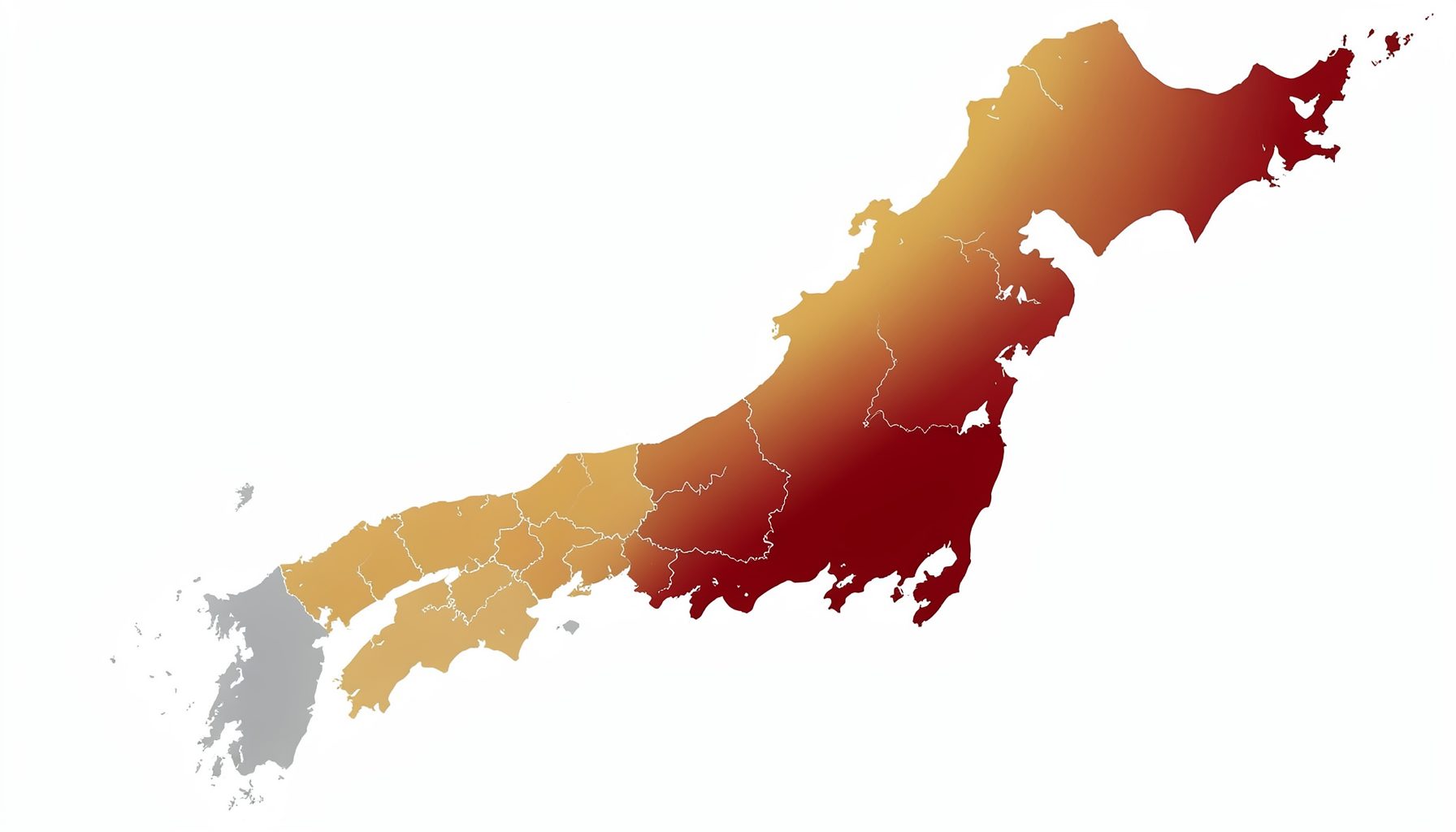
Japan’s surveillance environment illustrates how online trends can complement a broad public-health information network. Data from medical institutions, pharmacies, schools, elderly-care facilities, ambulance services, and laboratory testing can offer several independent perspectives on changing health conditions. Social media analysis can add public sentiment and informal symptom reporting to this established framework.
School absenteeism is particularly relevant for respiratory and gastrointestinal illness because schools connect many households and can reflect rapid transmission among children. Pharmacy surveillance can capture people managing mild symptoms at home, including those who never visit a clinic. Social media may connect these observations by revealing what families are discussing, which products they are seeking, and whether concern is concentrated in specific communities.
During major international events, enhanced monitoring may be needed because population movement, crowding, tourism, and language diversity can alter normal patterns. Online trends can help identify emerging concerns among visitors and residents, while clinical and laboratory systems provide the evidence required for action. Analysts should account for changes in population size, media coverage, and platform use during these periods.
A centralized information source for syndromic surveillance resources can help researchers and public-health professionals understand how these channels fit together. The central principle is integration: a social signal becomes more useful when it can be compared with established indicators collected through routine monitoring.
Privacy, Bias, And Responsible Interpretation
Social media surveillance raises clear ethical questions. Public posts may contain personal health information, precise locations, photographs, or details about vulnerable people. Even when data is technically public, individuals may not expect their words to be analyzed for epidemiological purposes. Programs should therefore apply data minimization, secure handling, retention limits, and transparent governance.
Representativeness is another major concern. Social media users differ by age, income, language, location, disability, and access to technology. A quiet online environment does not mean a quiet outbreak. Conversely, a highly active online community may make an event appear larger than it is. Analysts should document who is visible in the data and who may be missing.
Language also affects detection. Symptom descriptions vary across regions and communities, and automated systems may misunderstand slang, translation, sarcasm, or culturally specific expressions. Multilingual monitoring can improve coverage, but it requires carefully designed vocabularies and local expertise. Public-health teams should avoid treating machine-generated classifications as definitive.
Communication practices matter as much as analytical methods. Agencies should describe an online trend as a signal, indication, or topic of concern unless clinical evidence supports stronger language. Sharing uncertainty helps prevent panic and maintains trust. When an investigation finds no outbreak, explaining how the signal was assessed can show the public that monitoring is active and proportionate.
Building A Reliable Monitoring Workflow
A practical workflow begins with a defined public-health question. Teams might monitor unusual respiratory symptoms during winter, gastrointestinal complaints after a food event, or medicine shortages during a large gathering. Clear objectives determine which platforms, keywords, languages, time periods, and geographic units are relevant.
Next, analysts establish a baseline. Historical patterns help distinguish an ordinary seasonal rise from an unusual deviation. Baselines should be adjusted for holidays, school calendars, weather, major news stories, platform changes, and population movement. A simple count of posts is rarely sufficient; rates, proportions, and changes relative to expected activity provide better context.
Potential signals should then be compared with operational data. A spike in posts about fever might trigger a review of clinic visits, laboratory positivity, pharmacy purchases, school absences, and emergency calls. The investigation can also examine whether the signal is concentrated in a neighborhood, age group, workplace, facility, or event venue.
Finally, teams need predefined escalation rules. A signal might prompt passive observation, targeted data review, field interviews, public guidance, or formal outbreak investigation depending on its size, persistence, location, and agreement with other channels. Documenting each decision creates an audit trail and helps refine the system over time.
Practical Priorities For Public-Health Teams
Social media health trends are most effective when treated as one component of an integrated early-warning system. Teams can strengthen performance by focusing on the following priorities:
- Define specific monitoring objectives instead of collecting broad streams of health-related conversation without a clear use.
- Combine online indicators with clinical, pharmacy, school, ambulance, and laboratory data before escalating a suspected event.
- Establish historical baselines that account for seasonality, news coverage, holidays, platform behavior, and population movement.
- Use privacy safeguards, transparent governance, and bias assessments to protect communities and interpret gaps responsibly.
- Create communication protocols that explain uncertainty and distinguish an early signal from a confirmed outbreak.
These priorities also support better allocation of staff and technology. Automated tools can identify changes at scale, while epidemiologists and local health professionals provide context and decide whether a signal merits action. The goal is not to monitor every conversation, but to create a dependable path from unusual observation to evidence-based review.
Moving From Attention To Action
The future of syndromic monitoring will depend on combining speed with discipline. Social platforms can reveal community concerns before formal records are complete, while traditional surveillance channels can test whether those concerns correspond to changes in illness, healthcare demand, or pathogen circulation. Together, they create a richer picture of public health conditions.
Organizations developing or reviewing a monitoring program should begin by mapping existing data sources, identifying gaps, and setting clear rules for validation and escalation. They should evaluate performance after seasonal waves, public events, and false alarms, then update vocabularies, baselines, and response procedures based on what the evidence shows.
Explore reliable surveillance methods, compare signals across channels, and build workflows that help public-health teams respond earlier without overstating uncertain information. A carefully connected monitoring system can turn scattered online observations into responsible, timely action.