





Tracking waterborne illness after heavy rain with syndromic surveillance
Heavy rain can turn a localized environmental problem into a public-health emergency within hours. Floodwater may overwhelm sewage systems, wash animal waste into rivers, contaminate wells, and disrupt drinking-water treatment. People can then develop acute gastroenteritis, vomiting, diarrhea, fever, or dehydration before laboratory testing identifies a specific pathogen.
Syndromic surveillance helps health authorities detect that change early. Instead of waiting for confirmed diagnoses, it examines patterns in symptoms, healthcare use, school absence, ambulance dispatches, pharmacy purchases, and other near-real-time indicators. A sudden rise across several channels can prompt investigation while clinical and environmental testing is still underway.
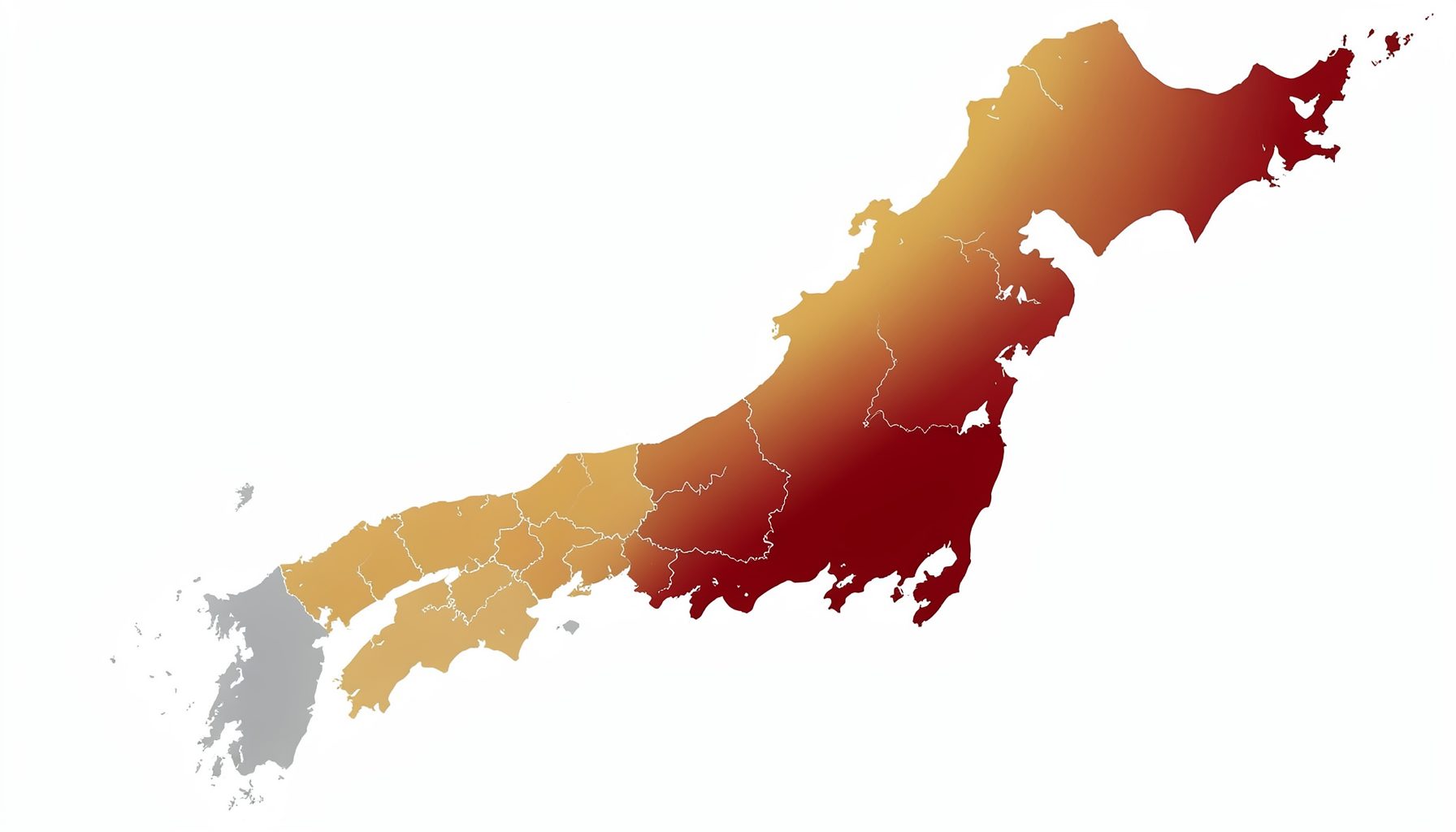
Japan’s multi-channel approach provides a useful model for this work. Information from clinics, hospitals, pharmacies, ambulances, schools, elderly-care facilities, and laboratories can be viewed together, allowing public-health teams to compare community signals and respond more quickly. After extreme rainfall, this connected view is especially valuable because exposure may affect several municipalities at once.
Why heavy rain raises infection risk
Flooding creates several routes for fecal-oral transmission. Sewage overflows can contaminate streets, homes, recreational waters, and food-preparation areas. Private wells may become unsafe when floodwater enters cracked casings or carries contaminants through surrounding soil. Even where municipal water remains safe, a loss of pressure or interruption in treatment can create uncertainty and increase demand for public guidance.
Common water-associated illnesses include norovirus and other viral gastroenteritis, bacterial infections such as Campylobacter or pathogenic Escherichia coli, and parasitic diseases in settings where sanitation has been severely disrupted. The actual risk depends on rainfall intensity, drainage capacity, infrastructure, temperature, local sanitation, and how quickly residents return to flooded areas.
The first clinical signal may be nonspecific. People with contaminated-water exposure can present with nausea, abdominal pain, diarrhea, fever, or weakness, symptoms that also occur with food poisoning and seasonal gastrointestinal infections. Syndromic monitoring is therefore most useful when it detects an unusual increase relative to the expected baseline rather than treating every gastrointestinal visit as evidence of a waterborne outbreak.
Signals that reveal an emerging cluster
Emergency department visits for vomiting and diarrhea are an important indicator, particularly when they rise in a defined area soon after flooding. Primary-care consultations, telephone triage records, urgent ambulance transports, and hospital admissions can add detail about severity. A rise in dehydration, intravenous fluid use, or pediatric emergency visits may indicate that the event is placing pressure on healthcare services.
Pharmacy surveillance can provide an earlier community signal because many people manage mild illness without seeing a clinician. Purchases of oral rehydration products, antidiarrheal medicines, probiotics, disposable gloves, disinfectants, and selected gastrointestinal remedies may increase before consultation data change. Pharmacy information should be interpreted carefully because promotions, stock shortages, and public warnings can affect purchasing behavior; methods used for evaluating pharmacy sensitivity can also inform validation of pharmacy-based gastrointestinal indicators.
Absence data can show an outbreak’s reach beyond healthcare settings. A sudden increase in school absenteeism, especially when several schools in the same drainage basin report similar patterns, may point to community transmission or a shared exposure. Elderly-care facilities require particular attention because gastrointestinal illness can spread rapidly among residents and cause severe dehydration. Facility-level alerts can therefore function as both an early warning and a trigger for infection-control support.
Other syndromic categories may help distinguish a water-related event from competing explanations. For example, injury visits may rise after a flood because of falls and debris, while respiratory complaints may reflect mold exposure during cleanup. A broader framework that monitors several symptom groups, including the indicators for allergic reactions, can prevent teams from mistaking an environmental response for a gastrointestinal outbreak.
Making sense of early warning data
The most informative feature is often timing. If gastrointestinal complaints increase one to three days after a sewage overflow or drinking-water advisory, the relationship deserves investigation. A pattern that appears simultaneously in clinics, pharmacies, schools, and ambulance records is more persuasive than a rise in one data source alone. Analysts should compare current counts with recent weeks, the same season in previous years, and nearby unaffected areas.
Geography adds another layer. Mapping cases by residence, school, workplace, facility, or healthcare location can reveal a shared water supply, watershed, neighborhood, or flood boundary. Small-area analysis must protect privacy, so results may need aggregation when case numbers are low. Even without individual-level data, signals can be compared with rainfall totals, river levels, sewer overflow reports, water-treatment disruptions, and boil-water notices.
Thresholds should support judgment rather than replace it. A fixed alert level may miss a serious event in a small community or generate too many false alarms in a large city. Authorities can use a combination of statistical alerting, rate-of-change measures, geographic clustering, and clinical review. A modest rise among vulnerable residents may deserve immediate action even when the population-wide count remains below a formal threshold.
Laboratory confirmation remains essential for identifying the pathogen and guiding targeted control measures. Stool testing, water sampling, food inspection, and environmental assessment can establish the source, but these processes take time. Syndromic surveillance bridges that delay by helping officials decide when to issue hygiene advice, intensify sampling, inspect facilities, or prepare additional clinical capacity.
From detection to coordinated response
A practical response begins with a shared alert process. Public-health departments can define who reviews gastrointestinal signals after severe weather, which thresholds trigger notification, and how data are exchanged with hospitals, pharmacies, schools, water utilities, and local governments. Clear roles reduce delays when the first warning arrives outside normal working hours.
Early action may include advising residents to use safe water, wash hands with soap, avoid floodwater, discard food exposed to contamination, and seek care for severe symptoms. Communications should explain when oral rehydration is appropriate and identify danger signs such as bloody diarrhea, persistent vomiting, confusion, reduced urination, or symptoms in infants and older adults. Messages must be updated as laboratory and environmental findings become available.
Healthcare facilities can use the signal to review triage procedures, cohort suspected cases, reinforce hand hygiene, and check supplies of oral rehydration fluids, personal protective equipment, and cleaning materials. Resource planning should account for both direct illness and flood-related injuries. Guidance on allocating medical resources is relevant when emergency departments, ambulances, laboratories, and community clinics face simultaneous demand.
Surveillance should continue after the first peak. A second increase may occur when residents return to homes, consume stored water, reopen affected facilities, or resume communal activities. Monitoring can also document whether public-health advice is working by showing declines in consultations, absenteeism, and facility alerts after interventions are introduced.
Comparing surveillance channels
Each information source captures a different part of the outbreak. Combining them makes it easier to distinguish a genuine community signal from changes caused by access, awareness, or reporting practices.
| Surveillance channel | What it can show after heavy rain | Main limitations | Useful response |
|---|---|---|---|
| Clinics and hospitals | Symptom severity, diagnoses, admissions, treatment demand | Reporting delay and uneven access to care | Review triage, testing, and bed capacity |
| Pharmacies | Mild illness and self-treatment in the community | Product substitutions, promotions, and uncertain indication | Reinforce advice and monitor community spread |
| Ambulances | Severe dehydration, collapse, or rapid deterioration | Captures only urgent cases | Prepare transport and emergency capacity |
| Schools | Clusters among children and household spread | Absence may reflect transport or flood damage | Contact schools and assess affected neighborhoods |
| Elderly-care facilities | Fast spread among vulnerable residents | Small populations can produce volatile rates | Start isolation and infection-control measures |
| Laboratories | Pathogen confirmation and resistance information | Turnaround time and sampling bias | Link results to environmental and clinical data |
| Water and environmental services | Contamination events, treatment disruption, sewer overflow | May not indicate human illness immediately | Target inspections, advisories, and sampling |
The value of a channel depends on how consistently it reports and how quickly it becomes available. A small pharmacy network may be highly timely but geographically incomplete. Hospital data may be reliable for severe disease but insensitive to mild cases. Analysts should document coverage, coding rules, missing data, and changes in participation so that apparent trends are not mistaken for epidemiological change.
Designing a useful post-flood monitoring system
Preparedness begins before the storm. Authorities can establish baseline rates for gastrointestinal symptoms, define the geographic units used for analysis, and agree on minimum data fields such as symptom group, age band, date, location, and care setting. Pre-existing relationships with water utilities and facility managers make it easier to compare health signals with environmental events.
Data quality checks are particularly important during disasters. Power failures, closed clinics, damaged communications networks, and staff shortages can produce artificial drops in reporting. At the same time, media coverage or a public advisory can produce a real increase in consultations without a corresponding increase in infections. Dashboards should display reporting completeness and annotate major disruptions.
Privacy safeguards must remain in place during rapid response. Public reports generally need aggregated counts, broad age categories, and areas large enough to prevent identification. Data sharing agreements should specify permitted uses, retention periods, access controls, and procedures for reviewing unusual findings. Trust in surveillance depends on protecting individuals while communicating risks honestly.
International events and large gatherings may require enhanced monitoring when heavy rain affects crowded venues, temporary accommodation, or transport hubs. Visitors may arrive from areas with different pathogen circulation patterns, while shared kitchens and sanitation facilities can amplify exposure. Event-based reporting, pharmacy checks, and rapid coordination with hospitals can supplement routine systems without replacing them.
Practical steps for public-health teams
A focused operating protocol can turn diverse signals into timely decisions:
- Establish a rainfall or flood trigger that activates enhanced monitoring for gastrointestinal symptoms, dehydration, and facility outbreaks.
- Combine clinical, pharmacy, ambulance, school, elderly-care, laboratory, and environmental data in a shared review process.
- Compare current patterns with seasonal baselines, unaffected areas, and known water-system disruptions.
- Predefine actions for different alert levels, including public messaging, targeted sampling, infection-control support, and healthcare resource checks.
- Review the event afterward to measure detection speed, data completeness, response effectiveness, and gaps in coverage.
The system should be flexible enough to detect both concentrated outbreaks and diffuse exposure. A contaminated well may produce a cluster among a few households, while a sewage overflow can affect an entire district. Analysts should preserve the ability to examine small-area patterns while using privacy-conscious reporting and clinical oversight.
Turning early signals into faster protection
Syndromic surveillance for waterborne disease outbreaks after heavy rain works best as a coordinated early-warning layer. It does not replace laboratory confirmation, water testing, or field epidemiology. Its strength is the ability to identify an abnormal pattern while people are still seeking advice, buying treatment products, missing school, or arriving at emergency departments.
Public-health organizations can use this approach to connect environmental hazards with human health data, direct limited resources toward the most affected communities, and communicate practical precautions before the cause is fully known. Explore the surveillance resources on this site to strengthen monitoring plans, compare data channels, and support faster outbreak response when severe weather threatens community health.