





Using School Exclusion Records To Detect Varicella Early
Chickenpox can spread through a school community for days before a confirmed diagnosis reaches public-health authorities. A child may be kept home because of a blistering rash, fever, or a clinician’s suspicion, while laboratory testing is rarely performed for every uncomplicated case. That makes attendance and exclusion information a valuable syndromic signal: it records a pattern of illness before formal case notifications are complete.
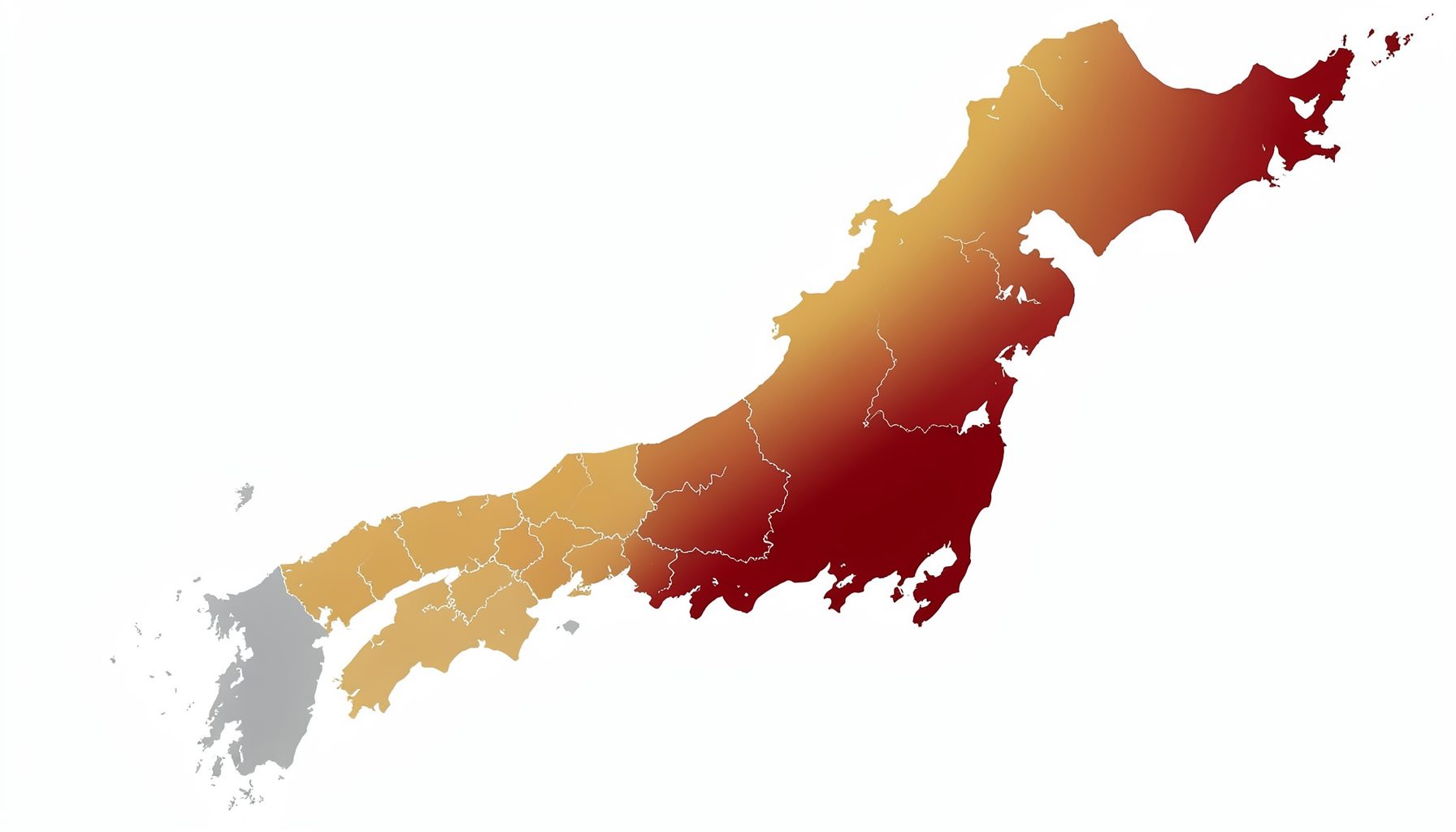
Syndromic surveillance brings together early indicators from several parts of the health system. The syndromic surveillance approach used in Japan shows how reports from schools, clinics, hospitals, pharmacies, emergency services, care facilities, and laboratories can complement one another. For varicella, school exclusion records offer a practical view of transmission among children and can support faster investigation, communication, and control measures.
Why School Exclusion Is An Early Signal
A school does not need to know the final diagnosis to report a meaningful change. Several pupils absent with a rash, fever, or suspected chickenpox may indicate community transmission, particularly when the cases are linked by a classroom, year group, transport route, or after-school activity. The signal is syndromic because it describes observable illness or exclusion rather than relying solely on a confirmed pathogen.
This early view matters because varicella is highly contagious. Infected children can transmit the virus before the rash is fully recognised, and families may seek advice from a GP only after several pupils are already unwell. A rise in rash-related exclusions can therefore prompt local health units to check whether the increase reflects chickenpox, hand, foot and mouth disease, impetigo, an allergic reaction, or another rash illness.
The value lies in the trend rather than a single absence. One child sent home is routine; a sudden cluster across several schools is more informative. Comparing the current pattern with historical baselines can help analysts identify unusual activity while allowing for normal seasonal variation, school terms, public holidays, and temporary changes in attendance behaviour.
What School Records Should Capture
A useful reporting system should record the date of exclusion, school or campus, broad age group, reason for absence, date of symptom onset when known, and the expected return date. It should distinguish a suspected rash illness from a general absence and, where feasible, identify whether the report came from a parent, school nurse, GP, or public-health officer. The system does not need a child’s name to detect population-level patterns.
The return date is particularly helpful. Under Australian communicable disease guidance, children with chickenpox generally remain away until all blisters have crusted, often at least five days after the rash begins. Rules and wording can vary between jurisdictions and settings, so a surveillance platform should preserve the original exclusion category instead of forcing every school into one national definition.
The school absenteeism resource illustrates how attendance data can be organised as an early-warning stream. For Australian use, schools could submit daily counts through existing department portals, secure spreadsheets, or an application programming interface connected to student administration software. Independent and Catholic schools should be included alongside government schools, since children move between school systems and transmission does not follow administrative boundaries.
Turning Absence Data Into Useful Alerts
An alert should combine volume, timing, location, and symptom description. A threshold might be based on the number of rash-related exclusions in one school compared with its previous years, or on an increase across several nearby schools within a short period. Statistical approaches such as moving averages, control limits, and space-time cluster detection can reduce the risk of overreacting to ordinary fluctuations.
Analysts should also examine the quality of the incoming data. A school that begins reporting more consistently may appear to have a disease increase even when transmission is unchanged. Conversely, a school with low digital uptake may hide a genuine cluster. Missing reports, delayed uploads, changes in term dates, and differences in how principals classify “rash” or “unwell” must be visible in the dashboard.
The strongest alert is usually a combined one. School exclusions can be compared with GP consultations, emergency department presentations, laboratory results, pharmacy purchases, and notifications from childcare services. If a rash-related absence spike is followed by more varicella testing or clinician reports in the same area, confidence in the signal increases. If other channels remain quiet, the health unit may first seek clarification from schools rather than issue a broad warning.
Privacy protection is essential. Data should be aggregated to a level that prevents identification of individual pupils, especially in small rural schools or remote communities. Access controls, retention limits, clear governance, and transparent explanations for families help maintain trust. Surveillance should monitor community health, not create a public list of children who may have chickenpox.
Australia’s Operational Setting
Australia’s federal structure creates practical differences in public-health reporting. State and territory health departments set many communicable disease requirements, while schools operate across government, Catholic, and independent sectors. A national framework can standardise definitions and data fields, but local health units still need flexibility to follow up a cluster in a Brisbane suburb, a regional Victorian town, or a remote Northern Territory community.
Geography also affects the meaning of a signal. In Melbourne or Sydney, several schools may sit within a short distance and share sporting clubs, public transport, and childcare networks. In parts of Western Australia, Queensland, or the Northern Territory, a small number of schools may serve widely dispersed families, and travel between communities can be important. A dashboard should show catchment and movement patterns without exposing identifiable households.
Communication needs to fit local habits. A school may call the local public-health team, send an app notification to parents, or post an update through its usual department channel. Families commonly refer to a GP, healthdirect, or their state health website for advice, while school staff may need plain instructions about exclusion, cleaning, vaccination history, and when a child can return. Clear Australian English, practical timeframes, and a calm tone are more useful than technical outbreak terminology.
Immunisation coverage is another important context. Varicella vaccination is included in Australia’s National Immunisation Program, with routine childhood doses and catch-up arrangements subject to current guidance. Analysts should consider local coverage, age structure, recent arrivals, and vulnerable pupils when assessing risk. A cluster among vaccinated children may involve milder illness or a different clinical pattern, so the absence of severe presentations should not automatically dismiss the school signal.
Strengths, Limits, And Safeguards
School exclusion records are inexpensive compared with universal laboratory testing and can cover a large child population every day. They capture illness at the place where transmission often becomes visible first and can support targeted advice before a formal outbreak investigation is complete. They also help public-health teams understand how long children remain away and whether guidance is being applied consistently.
The limitations are equally important. Parents may keep children home without notifying the school, schools may use broad absence categories, and a rash may be misclassified. Attendance can fall for reasons unrelated to infection, including transport disruption, extreme heat, flooding, or a local event. A surveillance model should therefore treat exclusions as an indicator for investigation, not proof that every reported absence is varicella.
When analysts review digital surveillance systems, they should separate genuine epidemiological information from unrelated web activity. A referral from a Dutch online casino, for example, says nothing about chickenpox incidence and should not be mistaken for a health-data source. Data governance includes careful classification of inputs, referral traffic, automated submissions, and unusual records.
Useful features for a school-based system
- Daily counts of suspected rash-related exclusions
- School, suburb, region, and broad age-group fields
- Symptom onset and expected return dates
- Links to clinical and laboratory reporting channels
Warning signs that need checking
- A sudden increase after a new reporting process begins
- A cluster limited to one school’s administrative coding
- Large gaps during holidays or school closures
- Small-area results that could identify individual pupils
From Signal To Public-Health Action
Once an alert is generated, the next step is proportionate verification. A local health protection team may contact the school, review the symptom descriptions, check whether affected pupils share a classroom or activity, and ask whether families have received clinical advice. It may also compare the dates with immunisation information and look for cases in childcare, households, or nearby schools.
The response should be specific to the evidence. If a cluster is plausible, the school can reinforce exclusion advice, encourage families to seek medical guidance, and remind staff about protecting pregnant people, newborn babies, and people with weakened immune systems. Public-health officers may recommend vaccination review or targeted communication rather than closing a school without evidence of wider risk.
Laboratory confirmation still has a role, especially for unusual presentations, severe illness, vulnerable patients, or situations where the diagnosis is uncertain. Varicella-zoster virus testing can help distinguish chickenpox from other causes of a rash and improve the accuracy of the surveillance model. The aim is to use early school data to decide where confirmation and investigation will have the greatest value.
Evaluation should continue after each event. Teams can measure how quickly the system detected the cluster, whether alerts matched confirmed cases, which schools reported late, and how many alerts were false positives. Feedback from principals, school nurses, GPs, parents, and health departments can improve definitions without making reporting burdensome. A system that is simple enough to use every day is more valuable than one that collects perfect information too late.
Schools and public-health services can begin with a small, privacy-preserving pilot: agree on a rash-related exclusion definition, establish a daily reporting route, compare results with existing health data, and document the follow-up process. Used carefully, these records can turn an ordinary school absence into an early indication of varicella activity and give Australian communities more time to respond.