





Vomiting Without Fever As An Early Signal Of Food Poisoning
Syndromic surveillance can help public-health teams recognise a possible outbreak before laboratory results are available. In group dining settings, a sudden cluster of vomiting with little or no fever deserves attention because staphylococcal food poisoning often develops quickly after contaminated food has been eaten. The pattern is especially useful when several people become ill within the same meal period, even if only a few seek medical care.
This approach does not replace stool testing, food sampling or an environmental investigation. It creates an early signal by bringing together symptoms, timing, location and exposure information from many sources. In Australia, that may include emergency departments in Sydney or Melbourne, ambulance records, general practices, pharmacies, schools, aged-care services and reports from catering venues. Used carefully, the signal can support faster advice, targeted inspections and safer food handling.
Why vomiting without fever matters
Staphylococcal food poisoning is caused by toxins produced by Staphylococcus aureus in food. The bacteria may multiply when prepared food is held at unsafe temperatures or handled by someone carrying the organism. The toxins can remain active even if the food is later reheated, which means normal-looking food may still cause illness.
Symptoms commonly begin within a few hours of eating. Sudden nausea, repeated vomiting, stomach cramps and sometimes diarrhoea are typical, while fever is often absent or mild. That combination distinguishes a possible toxin-mediated event from some infections that more often cause fever, prolonged diarrhoea or a longer incubation period. It is not a diagnosis, but it is a useful syndromic pattern for early detection.
The absence of fever should never be treated as proof that the illness is harmless. Repeated vomiting can cause dehydration, particularly in young children, older adults and people with chronic conditions. Severe symptoms, blood in vomit or stools, confusion, fainting or an inability to keep fluids down require prompt medical attention.
Recognising a cluster in group dining
A single person vomiting after a meal could have many explanations, including viral gastroenteritis, medication effects, migraine or an unrelated medical condition. A cluster is more informative. Several diners developing abrupt vomiting within two to eight hours of sharing food, with limited fever and a similar illness profile, should be recorded as a possible foodborne outbreak signal.
The setting may be a wedding reception, corporate lunch, school camp, sporting club dinner or catered community event. Australian eating habits create many opportunities for shared exposure: buffet service, roast meats, filled sandwiches, cream-based desserts, sliced poultry and salads may sit out while guests move between tables. At a Melbourne function or a summer gathering in Brisbane, delays between preparation, transport and consumption can become epidemiologically important.
Syndromic systems should capture the number of people exposed, the number affected, the first symptom, the approximate onset time and the foods consumed. A report that simply says “gastro” loses useful detail. Recording “abrupt vomiting, no fever, onset three hours after a shared meal” can make a cluster visible sooner and help investigators prioritise questions about preparation and storage.
Turning clinical data into an early warning
A practical surveillance rule can combine vomiting, fever status, onset interval and a shared location. For example, a health service may flag an unusual rise in presentations for acute vomiting without fever when several patients report the same restaurant, event or institution. The threshold should be flexible enough to notice a small outbreak but specific enough to avoid overwhelming staff with unrelated gastroenteritis cases.
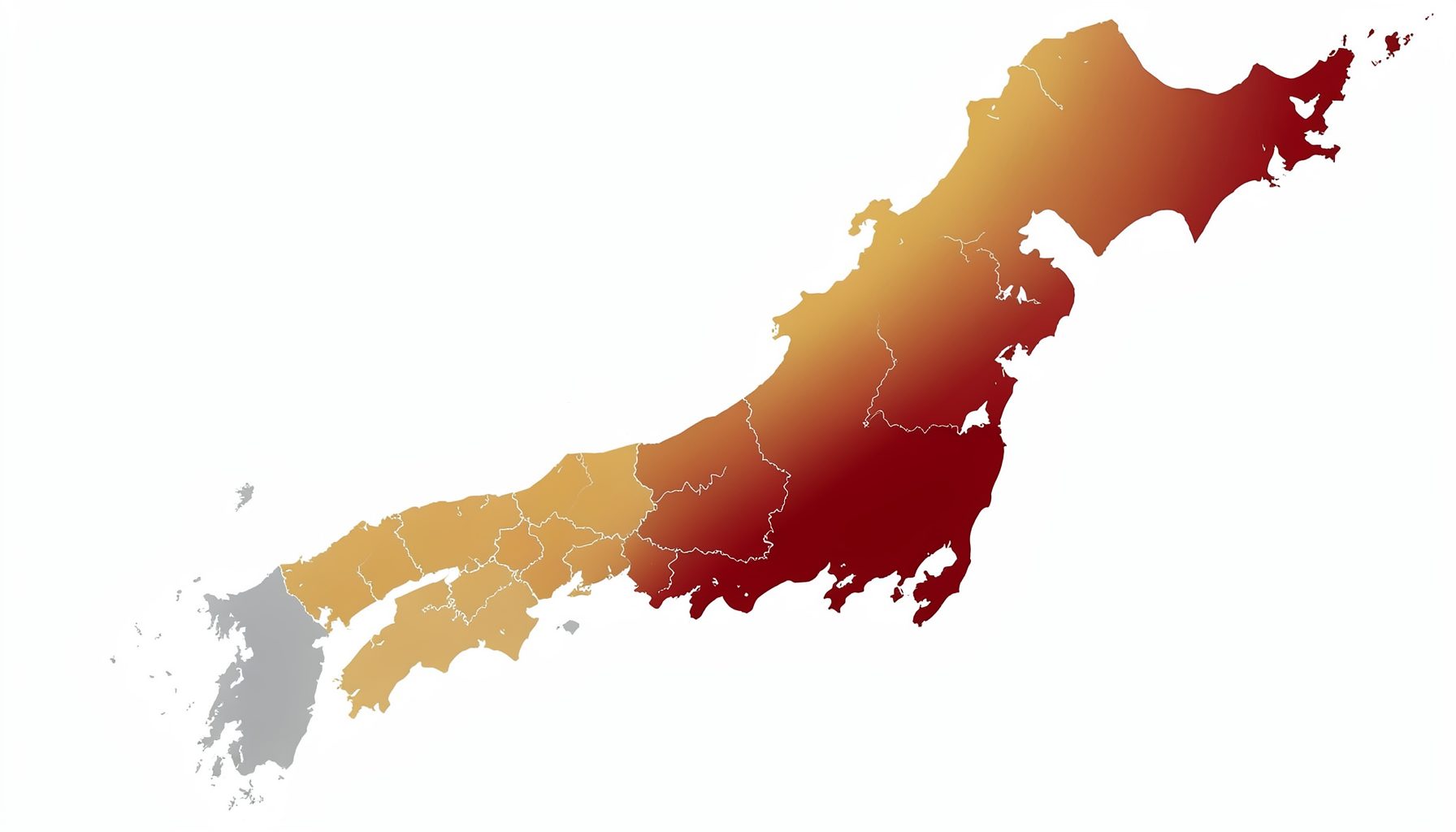
Japan’s multi-channel model illustrates the value of combining information from clinics, hospitals, ambulance services, pharmacies, schools, elderly-care facilities and laboratories. Each source sees a different part of the event. Pharmacies may notice increased purchases of oral rehydration products, hospitals may identify a concentrated arrival pattern, and schools may report several pupils absent with vomiting before formal notifications are made.
For Australian jurisdictions, data can be linked through local public-health units, hospitals, general practices, pathology providers and food-regulation agencies. A cluster around a restaurant in Perth may first appear through emergency presentations, while an outbreak at an aged-care facility near Adelaide may be detected through nursing staff reports and pharmacy activity. The objective is not to label every signal as staphylococcal disease, but to direct timely investigation toward a plausible common exposure.
Designing useful signals without creating noise
The strongest signal combines several dimensions: symptom profile, rapid onset, lack of fever, geographic proximity, shared venue and an unusual increase above the expected baseline. Time-series monitoring can compare current vomiting presentations with patterns from the same weekday, season or holiday period. This matters during Australian school holidays, major sporting events and long weekends, when healthcare-seeking behaviour and dining patterns change.
Algorithms should account for the fact that syndromic data are affected by access to care. People in remote areas may rely on community pharmacies or telehealth, while urban residents may attend emergency departments. Some people will contact a council or venue rather than a clinician. A system that only counts hospital cases can miss milder illness and may detect an outbreak later than a system that includes community-level information.
False alarms are expected. A norovirus outbreak, heat-related illness or a popular restaurant promotion may produce a rise in vomiting reports without involving S. aureus. Signals should therefore trigger verification, not public accusation. Analysts can review onset times, shared menus, staff illness, food-handling practices, laboratory findings and reports from other locations before communicating a specific cause.
Protecting privacy while sharing information
Early-warning surveillance depends on timely data exchange, but individual privacy must remain central. A useful dataset may require age band, suburb, time of symptom onset, care setting and likely exposure venue; it generally does not require publishing names, full addresses or identifiable clinical notes. Aggregation and access controls allow analysts to find patterns without exposing patients.
Clear governance is particularly important when data are drawn from pharmacies, schools, aged-care homes and private clinics. Providers need to understand why information is collected, who can access it, how long it is retained and when it may be shared with food-safety investigators. The data-use principles provide a relevant framework for considering responsible use, proportionality and public-health value.
Communication should also protect businesses and communities from premature blame. A preliminary signal can be described as “a cluster of acute vomiting associated with a shared event” while confirmation is underway. Naming a venue before evidence is checked may damage livelihoods and discourage future reporting. Once a credible exposure is established, public advice should be prompt, factual and focused on preventing further illness.
From signal to response
When a cluster is detected, investigators can interview affected and unaffected diners, construct a timeline and compare menu items. Food samples, environmental swabs and clinical specimens may be collected where appropriate. Investigators should ask about preparation times, cooling, refrigeration, transport, hand hygiene, bare-hand contact and whether food handlers experienced skin infections or recent vomiting.
The response may include holding or discarding suspect food, checking temperature records, improving handwashing facilities and excluding ill food handlers according to public-health advice. If the event involves a school, childcare centre or aged-care service, managers may need to strengthen cleaning, hydration support and communication with families or residents. Hospitals and general practices can be alerted to the suspected cluster so that new cases are recognised consistently.
A surveillance platform should make it easy for authorised professionals to report a possible cluster and receive follow-up information. If an organisation needs clarification about reporting pathways or the interpretation of a signal, it can contact the team through the available channel. Feedback from investigations can then improve case definitions, thresholds and future monitoring.
In Australia, coordination may involve state or territory health departments, local councils, food regulators, laboratories, event organisers and healthcare providers. The same principles apply whether the exposure is a catered conference in Canberra, a seafood meal in Hobart or a community celebration in Darwin: identify the pattern early, verify it carefully and reduce further exposure without overstating what is known.
Public-health and clinical teams can strengthen readiness by defining vomiting-without-fever alerts, reviewing local baselines and ensuring that onset time and shared-meal details are captured consistently. Linking hospital, ambulance, pharmacy, school, aged-care and laboratory information can turn scattered reports into an actionable warning. Early recognition gives investigators more time to protect diners, guide clinicians and prevent a small foodborne event from becoming a larger outbreak.