





Syndromic Surveillance for Mumps Outbreak Detection
Mumps can spread quietly before a cluster is confirmed through laboratory testing. People may first present with facial swelling, pain near the jaw, difficulty chewing, headache, fever or other nonspecific symptoms. An emergency department record containing jaw pain or parotitis terminology may therefore provide an early signal, especially when several presentations occur in the same area within a short period.
Syndromic surveillance uses routinely collected health information to identify unusual patterns before diagnoses are finalised. For mumps monitoring, emergency department triage notes, provisional diagnoses, discharge codes and symptom descriptions can be grouped into a case definition that captures possible parotid inflammation. The result is a faster view of changing community illness while confirmatory testing and public-health investigation continue.
In Australia, this approach can support state and territory health departments, local hospital networks and communicable disease teams. A signal in Sydney, Melbourne, Brisbane, Perth or a regional centre may require a different response from an isolated presentation in a remote community. The value lies in combining speed with clinical review, laboratory confirmation, vaccination history and knowledge of local population movement.
Why Jaw Pain And Parotitis Matter
Mumps is caused by a contagious paramyxovirus and commonly affects the salivary glands, particularly the parotid glands positioned below and in front of the ears. Swelling may be obvious, but early illness can appear as tenderness around the jaw, pain when eating, ear discomfort or a general facial ache. These symptoms are not specific to mumps, so a surveillance system should treat them as indicators for review rather than proof of infection.
Emergency department data are useful because they capture people who seek urgent assessment before a general practitioner or laboratory result is available. A patient might be registered with “jaw pain”, “facial swelling”, “parotitis”, “sialadenitis” or a similar term. The system can examine these entries alongside fever, headache, viral illness, swollen glands and known exposure, creating a broader syndrome definition than a single diagnostic code.
A well-designed case definition should balance sensitivity and specificity. If it includes every dental complaint or temporomandibular joint problem, routine activity may generate many false alerts. If it relies only on a clinician’s confirmed mumps diagnosis, it may miss the early stage of an outbreak. Separate indicators for jaw pain, parotitis and mumps-like illness allow epidemiologists to compare signals and refine thresholds.
Building A Reliable Emergency Department Signal
The first step is to map local emergency department fields and terminology. Australian hospitals may use ICD-10-AM diagnosis codes, emergency department presentation data, triage categories, free-text notes and local electronic medical record terms. Code lists should be reviewed with emergency clinicians, health information managers and infectious disease specialists so that they reflect actual documentation practices rather than an imported coding scheme.
The surveillance logic can search for parotid swelling or inflammation, jaw and facial pain, and relevant mumps diagnosis codes. It should also account for negations and clinical context: “no parotid swelling” should not count in the same way as “bilateral parotitis”. Dental abscess, trauma, salivary stones and temporomandibular disorders may need exclusion or separate classification.
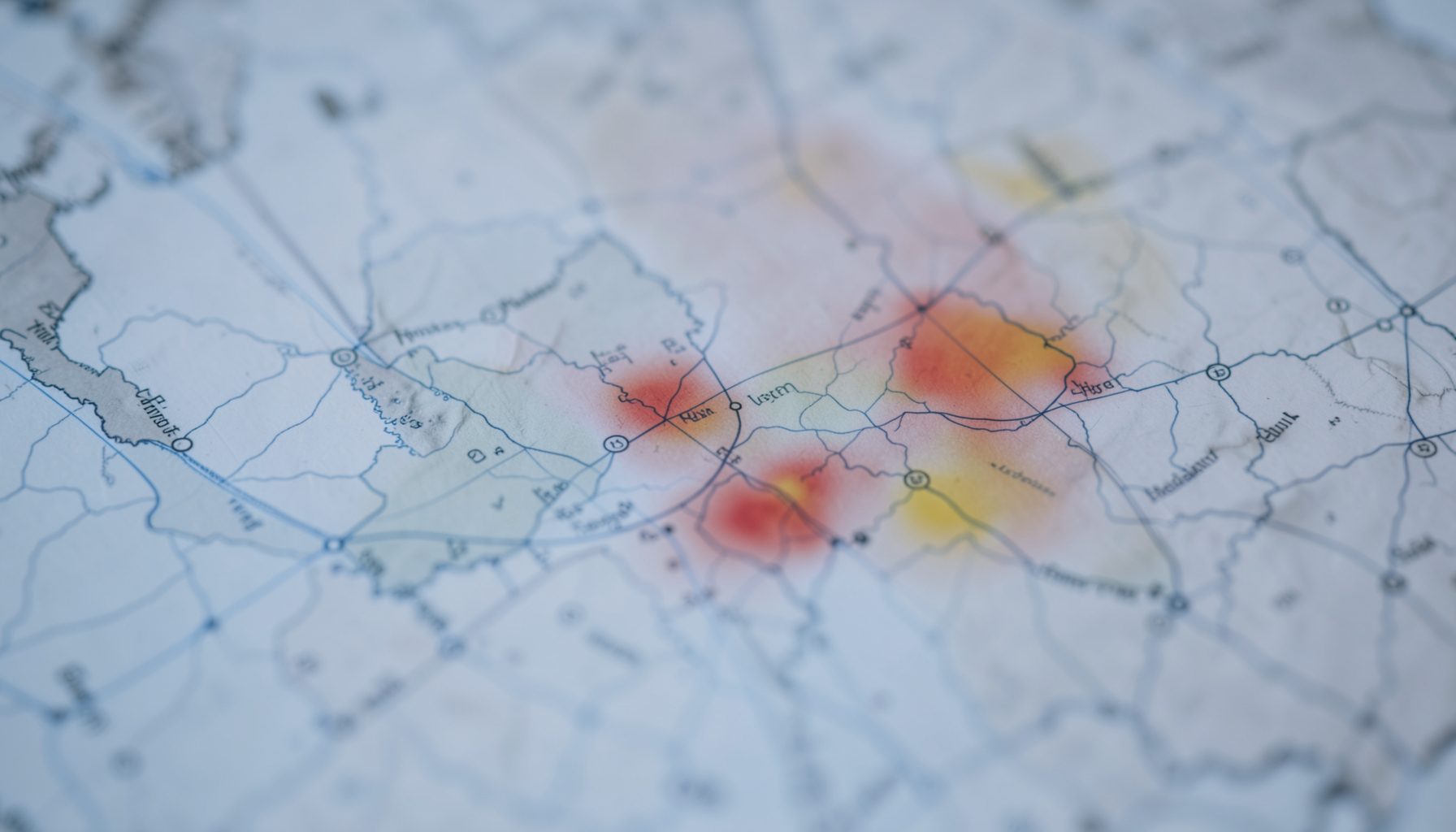
Daily or near-real-time counts can be stratified by hospital, suburb or local government area, age group, date of presentation and demographic variables that are appropriate for public-health use. A rise across several emergency departments is more concerning than a one-day increase at a single site. Analysts should compare current counts with historical baselines that reflect school holidays, winter respiratory seasons, public events and changes in hospital access.
Signals should be assessed with denominators where possible. The proportion of all emergency presentations involving a relevant syndrome may be more stable than a raw count when attendance rises during a heatwave, sporting event or influenza season. Statistical alerts can identify unusual activity, but an epidemiologist should review the underlying records before notifying clinicians or communities.
Linking Signals With Australia’s Immunisation Context
Australia’s National Immunisation Program provides routine measles, mumps and rubella vaccination, commonly delivered as two childhood doses. Coverage is high, yet pockets of under-immunisation can remain, and immunity may vary between age groups or communities. A mumps-like cluster among university students, an outbreak connected with a school or transmission in a household may require different investigations even when most people have received routine vaccines.
Emergency department surveillance cannot determine vaccination effectiveness by itself. It can, however, indicate where to examine immunisation records, school or campus links and laboratory results. Public-health teams may compare suspected cases with Australian Immunisation Register information, while respecting data governance, access controls and the requirements of the Privacy Act 1988. Any linkage should have a clear purpose, limited access and safeguards against identifying individuals unnecessarily.
The relationship between vaccination and early warning is explored more broadly in signals of vaccine-preventable disease decline, where routine health data help show how population protection can affect illness patterns. For a mumps investigation, similar reasoning can help interpret a fall in susceptible age groups, a gap in coverage or an apparent cluster among people whose vaccination histories are incomplete.
A suspected outbreak still needs confirmatory action. Clinicians may arrange buccal or throat swabs for nucleic acid testing and collect serum when clinically indicated, following current state or territory guidance. Mumps is a notifiable disease under Australian public-health arrangements, with reporting processes varying by jurisdiction. Syndromic alerts should support, rather than replace, notification, contact tracing, infection-control advice and laboratory surveillance.
Interpreting Places, Populations And Timing
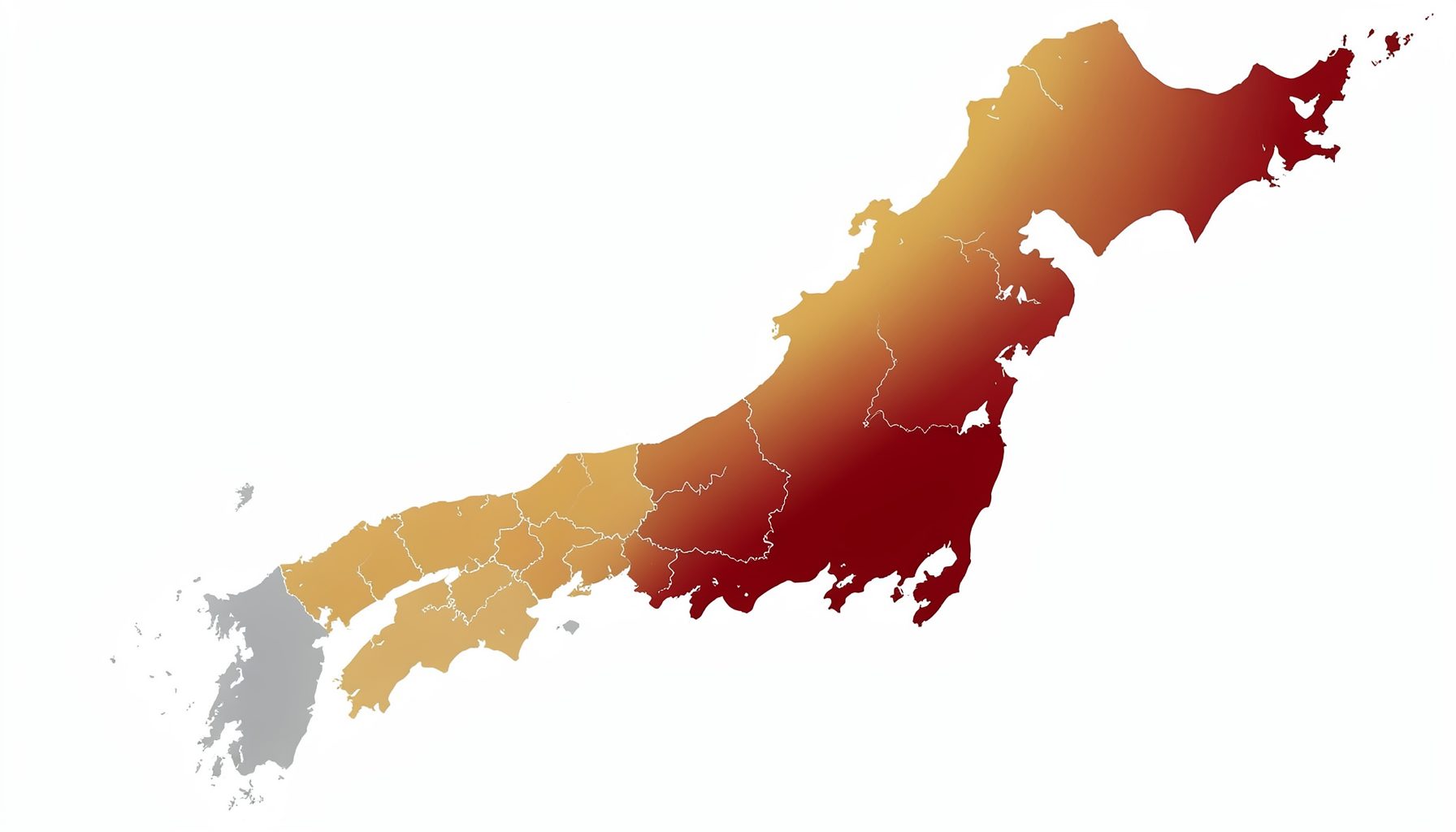
The same number of jaw-pain presentations can mean different things in different settings. A large emergency department in western Sydney may have a high background volume, while a smaller hospital in regional Queensland may show a meaningful change after only a few additional cases. Population size, catchment boundaries, referral pathways and hospital diversion policies must be considered before applying a common alert threshold.
Australian mobility also affects interpretation. School terms, university semesters, music festivals, sporting fixtures and holiday travel can bring people together across cities and states. A cluster identified in Melbourne may be connected with travel to Adelaide, while presentations in Perth could reflect a local household network rather than broad community transmission. Date of symptom onset is more informative than presentation date when the information is available.
Age-specific analysis is particularly important. Mumps often attracts attention when it affects adolescents and young adults, but children, adults and older people can also present. A school-associated increase may be examined alongside absenteeism, while a workplace or university signal may call for a different communication pathway. Syndromic surveillance can be strengthened by connecting emergency data with school health records, ambulance attendances, general practice information, pharmacy activity and laboratory testing.
School-based information is useful for detecting changes that may precede a surge in hospital presentations. Guidance on school health room records illustrates how routine attendance and symptom data can contribute to outbreak monitoring. For mumps, unexplained absences, reports of facial swelling and advice from school nurses may provide contextual evidence, although privacy and the quality of symptom descriptions must be carefully managed.
Turning An Alert Into A Public-Health Response
An alert should trigger a defined review process rather than an automatic public announcement. Analysts can check whether the increase reflects a coding change, duplicate records, a new hospital system, a media-driven rise in care-seeking or a genuine concentration of compatible illness. Clinical reviewers can inspect a sample of records and compare emergency presentations with laboratory notifications and reports from general practitioners.
A practical dashboard might show the number and rate of compatible presentations, the hospitals involved, age distribution, symptom combinations, admission status and week-to-week change. It can also display the number of records that contain parotitis language without a mumps code, since those cases may be among the earliest warning signs. Suppression rules are needed when counts are small, particularly in remote communities where re-identification may be possible.
Operational decisions may include advising clinicians to consider mumps, promoting appropriate specimen collection, checking vaccination histories and reinforcing respiratory and contact precautions. Health departments may issue targeted information to schools, universities, childcare services or affected communities. Messages should explain symptoms and when to seek care without implying that every jaw-pain presentation represents infection.
Useful review questions include:
- Are compatible presentations increasing above the expected baseline?
- Do cases share a school, workplace, household, event or travel history?
- Are laboratory notifications and emergency signals moving together?
- Has a change in coding, access or hospital workflow affected the data?
Response teams can also document limitations. Some people with mumps will attend a general practitioner rather than an emergency department, while others may have mild illness and seek no care. Aboriginal and Torres Strait Islander communities, rural residents and people facing transport or cost barriers may be represented differently across data sources. A single emergency department signal therefore needs triangulation, community engagement and culturally safe interpretation.
The system should be evaluated after each investigation. Teams can measure the time from the first unusual signal to clinical review, laboratory confirmation and public-health action. They can assess how many alerts were false positives, which codes contributed useful cases and whether thresholds worked consistently across metropolitan and regional hospitals. Regular review keeps the indicator responsive as documentation habits, clinical pathways and electronic systems change.
A carefully governed syndromic surveillance program gives Australia an additional layer of outbreak awareness. Emergency department jaw-pain and parotitis codes can reveal a pattern before confirmed diagnoses accumulate, while linked information from schools, pharmacies, laboratories and immunisation services helps explain what the pattern means. Public-health teams should establish local code sets, agree on escalation rules and build relationships with clinicians before the next suspected cluster appears. Start by reviewing available emergency department fields and creating a small, clinically validated mumps-like syndrome indicator that can be tested against historical data.