





Detecting mumps orchitis signals in young adult urology care
Mumps orchitis is an important but easily missed complication of mumps infection in post-pubertal males. It can cause acute testicular pain, swelling and fever, sometimes after the familiar parotid swelling has faded or without obvious salivary-gland symptoms. In a young adult attending a urology clinic, the immediate priority is safe clinical assessment, especially exclusion of testicular torsion, while public-health teams consider whether several apparently isolated cases form an outbreak signal.
Syndromic surveillance can support that work before laboratory confirmation is available. Rather than waiting for a positive polymerase chain reaction test or serology, a monitoring system can track combinations of symptoms, provisional diagnoses, urgent ultrasound referrals, isolation advice, vaccination history and changes in consultation volume. The purpose is early warning, not replacement of clinical diagnosis or mandatory notification processes.
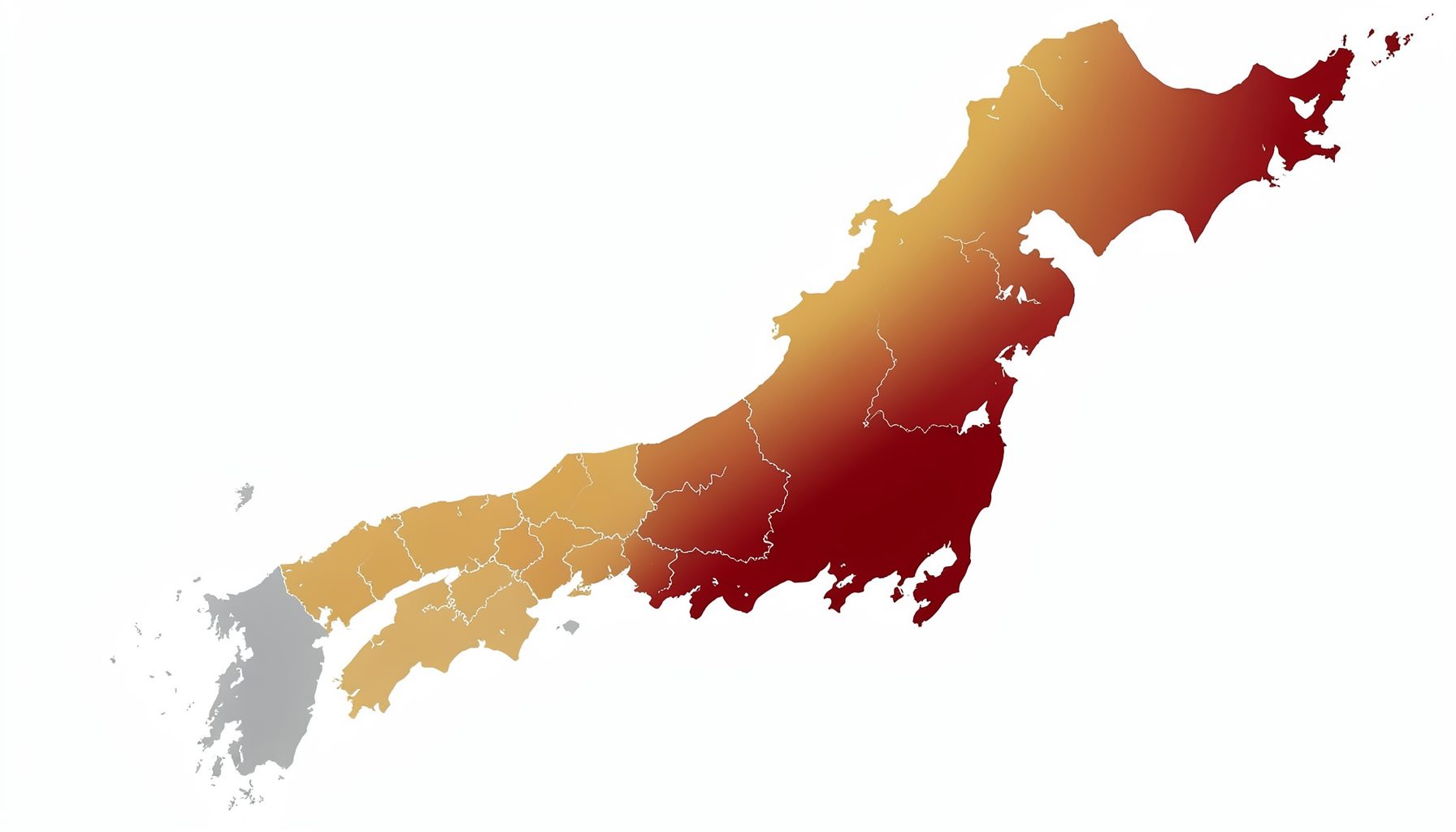
For Australia, urology-based monitoring would be one channel within a broader network. Data from general practices, emergency departments, pathology services, pharmacies, schools, universities, ambulance services and residential aged-care facilities can add context. Japan’s multi-channel approach illustrates how separate streams can be combined to identify unusual activity and support a faster response across local health systems.
Why urology clinics can reveal an early signal
Urology clinics see a selected group of patients with scrotal pain, testicular swelling, epididymo-orchitis and fertility concerns. That makes them useful for detecting a cluster of post-pubertal complications, even when the total number of mumps cases in a community appears small. A sudden rise in young men presenting with bilateral or severe orchitis, particularly alongside fever or recent contact with a confirmed case, may warrant review by public-health authorities.
The signal is syndromic because it begins with observable clinical patterns. A useful case definition might include acute testicular pain or swelling in a male aged 15 to 35, with fever, parotitis, headache, malaise, exposure history or a clinician’s suspicion of viral orchitis. The definition can be broadened during the initial alert phase and refined when testing and epidemiological investigation provide more information.
Urology data must be interpreted carefully. Testicular torsion, bacterial epididymitis, sexually transmitted infections, trauma, autoimmune disease and other viral infections can produce similar presentations. Changes in referral pathways, a new specialist service or a local sporting event may also increase attendance without indicating transmission. A sustained pattern across several clinics and data streams is more informative than a single unusual consultation.
Building a useful surveillance dataset
A clinic record should capture enough information to identify trends while avoiding unnecessary personal detail. Date of symptom onset, consultation date, age band, suburb or local government area, symptoms, provisional diagnosis, imaging, laboratory tests, vaccination history and recent travel can help epidemiologists assess whether cases are connected. Recording whether the patient was referred from a GP, emergency department or telehealth service also helps identify shifts in care-seeking behaviour.
Time-stamped, coded data are particularly valuable. A weekly count of suspected orchitis cases can be compared with the same clinic’s historical baseline, while a rolling average can show whether activity is rising. Counts should be stratified by age group and location where numbers permit, since a cluster among university students in inner Melbourne may have a different explanation from scattered cases across regional Queensland.
Laboratory confirmation remains essential for patient management and outbreak classification. Buccal or throat swabs collected at the appropriate stage, together with serology where clinically indicated, may support diagnosis, although test sensitivity depends on timing and vaccination status. A syndromic alert should therefore trigger prompt clinical review, specimen collection and notification through the relevant state or territory pathway rather than being treated as proof of mumps.
Data governance is equally important. Clinics should use secure systems, limit access by role and share de-identified or aggregated information wherever individual identification is not required. Australian services must consider the Privacy Act 1988 and applicable state or territory health-record laws, including stricter requirements that may apply to NSW private health information. Clear agreements should define who can receive the data, how long it is retained and how an alert is escalated.
Connecting clinic data with Australian health signals
A urology signal becomes stronger when it aligns with information from other settings. General practitioners may record fever, parotitis or suspected mumps before a patient reaches a specialist. Emergency departments can identify acute scrotal pain and ultrasound demand. Pathology laboratories can show an increase in mumps testing, while public-health units can link cases through contact tracing and immunisation records.
Pharmacy surveillance adds a different perspective. People may first seek advice from a community pharmacist for fever, pain or swelling, especially in suburbs where a same-day GP appointment is difficult. Aggregated changes in relevant over-the-counter medicine purchases cannot diagnose orchitis, but they can indicate increased respiratory or febrile illness in the community. A pharmacy surveillance resource can help explain how this channel fits alongside clinical and laboratory information.
Australian geography makes coordination important. A cluster around university accommodation in Sydney may spread through shared housing, nightlife or crowded transport, while a regional service near Newcastle or Ballarat may see fewer patients and need a longer baseline to identify an abnormal rise. In Brisbane and other warm-weather cities, seasonal attendance patterns, festivals and travel can affect clinic volume and should be considered before issuing an alert.
Everyday health-seeking habits also shape the data. Young adults may delay care, use telehealth, attend a bulk-billing GP, visit a chemist or go directly to an emergency department when pain becomes severe. Private urology clinics will capture only part of this pathway, and Medicare-funded activity may not represent all consultations. A surveillance design should therefore avoid assuming that the busiest clinic has the most cases.
International events provide another reason to link local and national monitoring. Visitors, temporary workers and Australian travellers can bring infections into crowded settings, while large gatherings can increase close contact. Enhanced surveillance around major events should include symptom-based alerts, rapid communication with clinicians and clear pathways for testing and isolation, without creating unnecessary stigma around particular communities.
Turning an alert into a public-health response
An alert should produce a proportionate, time-limited response. Public-health staff can verify whether the increase is genuine, contact participating clinics, review laboratory results and check for common locations, workplaces, campuses or social events. Clinicians should continue to assess each patient individually, including urgent evaluation for torsion when symptoms are sudden or severe.
If mumps is suspected, infection-control advice matters because the virus spreads through respiratory droplets and close contact. Patients may need to avoid work, study and social activities for the period recommended by public-health guidance. Clinics can reduce exposure by separating symptomatic patients, using appropriate personal protective equipment and arranging testing without unnecessary movement through waiting rooms.
Vaccination review is a central part of the response. Two documented doses of measles, mumps and rubella vaccine provide strong protection, although outbreaks can occur in highly social settings and breakthrough infections are possible. Clinicians can check Australian Immunisation Register records where authorised, ask about overseas vaccination, and refer patients or contacts for catch-up advice according to current Australian recommendations.
Resource allocation should follow the evidence rather than the loudest individual report. A rising number of suspected cases may justify extra pathology collection capacity, public-health nursing time, targeted communication or additional ultrasound appointments. Guidance on allocating medical resources is relevant when decision-makers must balance specialist capacity with emergency and community care.
Communication should describe what is known, what remains uncertain and what action is expected. A concise alert to urologists, GPs, emergency departments, pharmacists and laboratories can improve case recognition without announcing an unconfirmed outbreak. Public messaging should encourage prompt assessment of painful testicular swelling, reinforce vaccination and explain that urgent symptoms require immediate care.
A practical workflow for participating clinics
A workable programme does not require every clinic to build a complex research platform. It can begin with a consistent electronic template, a weekly automated count and a named contact for public-health follow-up. The threshold for review should account for clinic size and baseline variability; two cases in a small regional practice may be more unusual than five cases in a large metropolitan service.
Clinicians and data teams should agree on a minimum dataset, reporting frequency and escalation rules before an alert occurs. Monthly quality checks can identify duplicate records, missing onset dates or changes in coding habits. Regular feedback helps participating clinics see whether their reports lead to useful action and prevents surveillance from becoming an administrative task with no clinical value.
Clinical indicators to capture
- Acute unilateral or bilateral testicular pain, swelling or tenderness
- Fever, parotitis, headache, malaise and recent close contact
- Provisional diagnosis, ultrasound referral and urgent differential diagnoses
- Mumps vaccination history, laboratory testing and symptom-onset date
Checks before escalating a signal
- Compare current counts with the clinic’s seasonal and annual baseline
- Look for matching activity in emergency, GP, laboratory or pharmacy data
- Review changes in referral pathways, staffing, coding and appointment access
- Share only the minimum identifiable information needed for follow-up
A mature system should be evaluated after each suspected cluster. Useful measures include time from first consultation to alert, proportion of suspected cases tested, completeness of vaccination data, speed of contact tracing and whether patients received appropriate urgent assessment. These measures show whether surveillance improves response, rather than simply increasing the volume of reports.
The value of syndromic surveillance lies in the interval before certainty. When several young adults present with a compatible pattern, a carefully governed signal can prompt testing, infection-control advice and targeted vaccination activity while clinicians continue to manage competing diagnoses. Urology clinics, pharmacies, hospitals and public-health units should establish their reporting links now, so an unusual rise in mumps-associated orchitis can be recognised and acted on before it becomes a wider outbreak.